

There’s often a quiet hesitation when families start thinking about Asia.
It’s not always obvious, but it’s there. Questions around distance, logistics, food, pace — whether it might feel too different, too unfamiliar, especially when travelling with children.

And yet, those who take the step, often with carefully planned holidays in Asia through specialists like Transindus, tend to find something slightly unexpected.
That Asia, in many ways, works remarkably well for family travel.
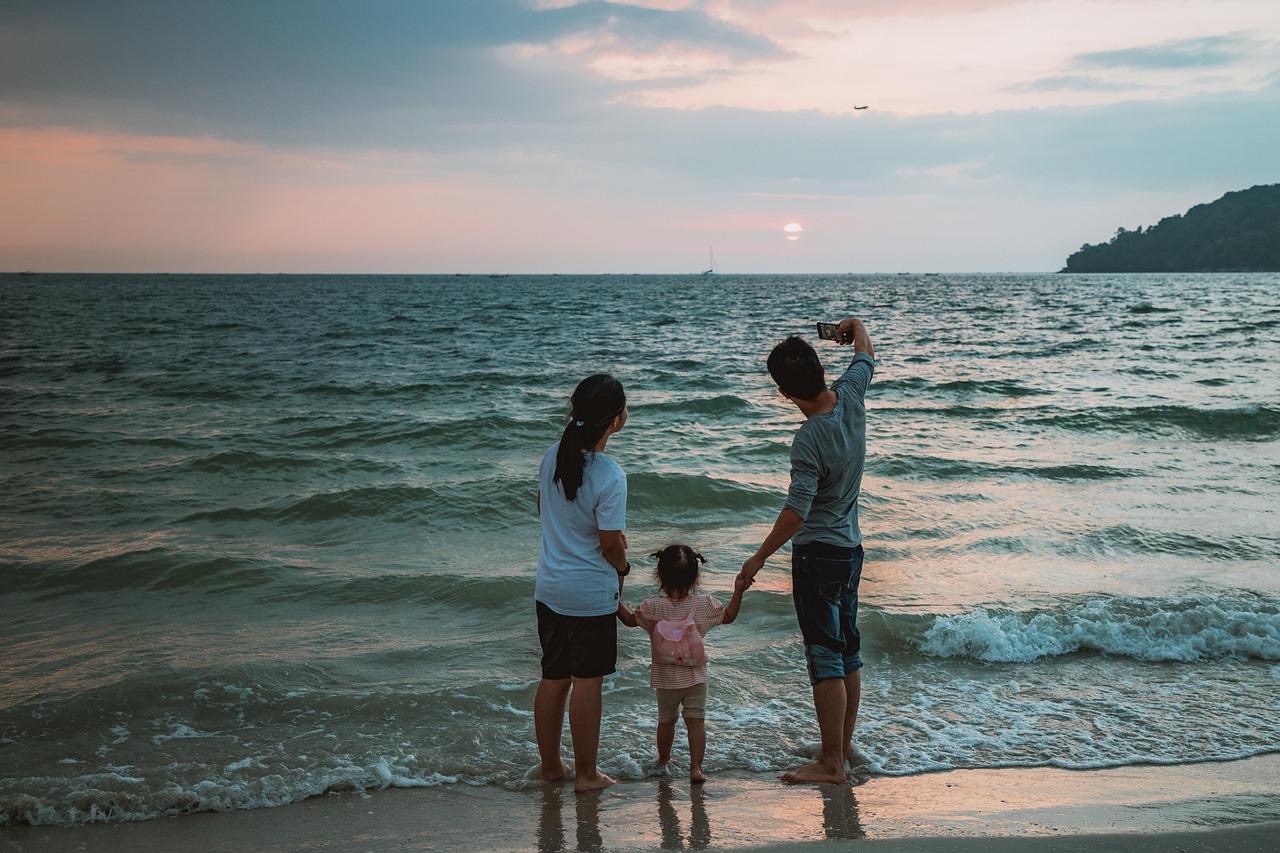
Not because it’s simple — it isn’t always — but because it’s adaptable. The variety, the depth, the ability to balance culture, nature and rest in one journey… it creates a kind of flexibility that suits families more than you might initially assume.
What makes a destination truly family-friendly in Asia?
“Family-friendly” can mean different things depending on who you ask. It’s not just about ease, or safety, or even entertainment — though all of those matter. In Asia, it tends to come down to balance.
The best destinations are those that offer variety without overwhelming. Places where you can move between activity and downtime without long, tiring transitions. Where logistics are manageable, accommodation is flexible, and there’s enough familiarity to feel comfortable — without losing the sense of discovery that makes travel worthwhile.
It’s not about simplifying the experience. It’s about shaping it in a way that works for different ages, different energy levels, and, perhaps most importantly, different expectations.
Sri Lanka: compact, diverse and easy to navigate

Sri Lanka often feels like a natural starting point for family travel in Asia. Not because it’s predictable, but because everything sits relatively close together. Distances are shorter, transitions are smoother, and the overall journey feels contained in a way that’s reassuring.
Within that compact space, there’s a surprising amount of variety. Wildlife safaris, train journeys through the hills, time by the coast — it all fits without needing to rush. For families, that matters. Days feel full, but not overloaded. And there’s a sense that you’re seeing different sides of the country without constantly moving on.
Japan: safe, efficient and surprisingly engaging for children
Japan tends to challenge expectations in a different way.
At first glance, it might seem complex — a place of contrasts, traditions, and unfamiliar systems. But in reality, it’s one of the most accessible destinations for families. The infrastructure is precise, reliable, and easy to navigate once you’re there. Transport runs on time, cities are clean, and there’s a sense of order that quietly reduces travel stress.
For children, it offers something else entirely. From high-speed trains to interactive museums and small cultural details that feel almost playful, Japan manages to engage without needing to simplify itself. It’s structured, yes — but within that structure, there’s space for curiosity.
Vietnam: a balance of culture, nature and energy
Vietnam brings a slightly different rhythm.
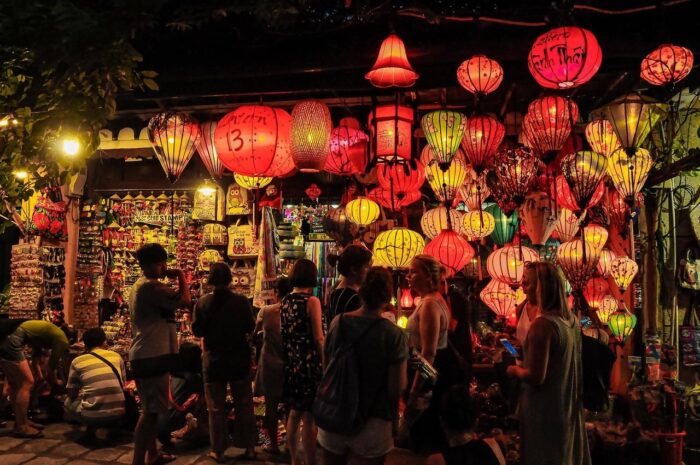
It’s more energetic, perhaps. Markets feel busy, streets are lively, and the pace in cities can feel intense at first. But alongside that, there are quieter moments — boat journeys through limestone landscapes, slower stretches in the countryside, places where the pace softens noticeably.
For families, that contrast can work well when it’s balanced carefully. A few days of activity followed by something calmer. Cultural exploration alongside more relaxed experiences. It requires a bit more thought in planning, but the result is a journey that feels varied without becoming overwhelming.
Thailand: familiar comfort with plenty of variety
Thailand has long been seen as one of the easiest introductions to Asia, and for families, that reputation largely holds true.
The infrastructure is well-developed, the hospitality is consistent, and there’s a wide range of experiences to choose from. Beaches, cultural sites, food that can be adapted to different tastes — it all comes together in a way that feels accessible without being overly curated.
What stands out, though, is the balance. You can move between activity and relaxation without much effort. And for families travelling for the first time in the region, that ease often makes a significant difference.
Malaysia: a gentle introduction to Southeast Asia
Malaysia tends to sit slightly under the radar, but in many ways, it’s one of the most approachable destinations in Southeast Asia.
The blend of cultures creates variety, but the overall experience feels manageable. English is widely spoken, cities are modern and easy to navigate, and there’s a mix of environments — from urban spaces to rainforest and coastline — that can be explored without long or complicated journeys.
For families, that combination works quietly in the background. It doesn’t demand too much, but it offers enough depth to keep the experience interesting, even over a longer stay.
Choosing the right destination based on your family’s travel style
The challenge isn’t really choosing a good destination — it’s choosing the right one.
Families with younger children might prioritise shorter travel times and more downtime. Those with older children might lean towards more varied or active itineraries. First-time visitors to Asia may prefer destinations that feel more structured, while others might be comfortable with something slightly less predictable.
There’s no single answer, and that’s part of the appeal. The decision becomes less about finding the “best” place, and more about understanding how your family prefers to travel — and matching the destination to that.
Planning tips that make family travel in Asia easier
A few small adjustments in planning can make a noticeable difference.
Avoid overpacking the itinerary. It’s tempting to include as much as possible, but leaving space between experiences often leads to a more enjoyable trip. Choosing accommodation in central locations reduces unnecessary travel, and building flexibility into the schedule allows for adjustments when needed.
It’s not about reducing what you do, but about pacing it more carefully. And that pacing tends to shape the overall experience more than any single destination or activity.
What family travel in Asia actually feels like
It’s not always what people expect.
There are moments of intensity — new environments, unfamiliar routines, different ways of doing things. But alongside that, there are quieter moments. Times when things feel simple, even familiar, despite being far from home.
Children tend to adapt more quickly than expected. Curiosity replaces hesitation. Small experiences — a train ride, a local meal, a brief interaction — become highlights in ways that aren’t always predictable.
And for adults, there’s often a shift too. A sense of stepping slightly outside the usual pace, and into something more considered.
Why Asia often becomes a favourite for family travel
By the end of the trip, the initial hesitation tends to fade.
What remains is a sense of variety — of having experienced different landscapes, cultures, and rhythms within a single journey. And perhaps more importantly, a sense that it worked. That the balance between exploration and comfort, activity and rest, was easier to find than expected.
Asia doesn’t always reveal itself immediately. It takes a little time, a bit of adjustment. But for families willing to approach it with an open mind, it often becomes more than just a destination.
It becomes somewhere you want to return to — not to see more, necessarily, but to experience it again, a little differently.