

We landed at Heathrow on a Tuesday morning, buzzing with excitement and running on four hours of broken sleep. By 3 a.m., both kids were wide awake and demanding breakfast, and I realized that family jet lag had set in.
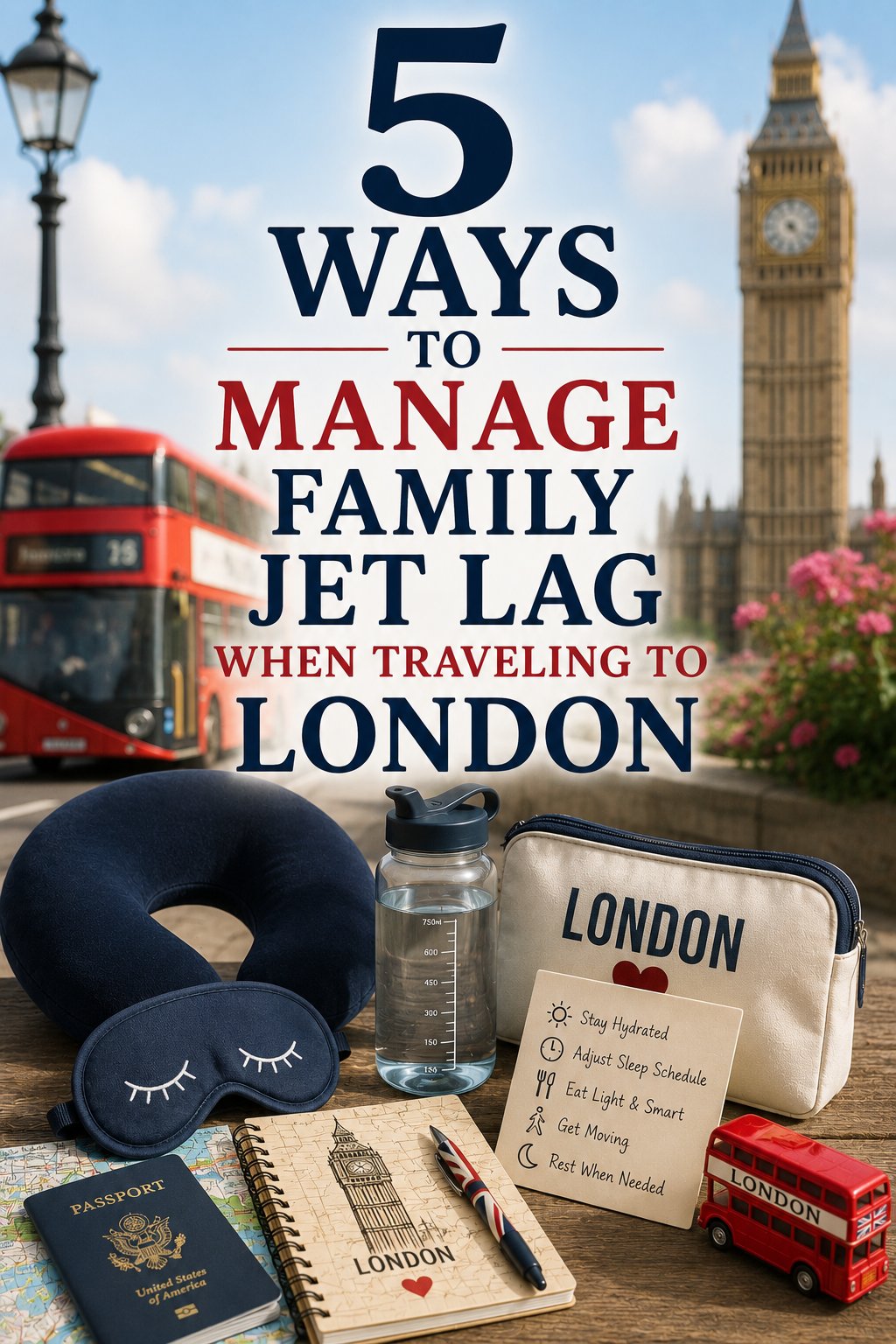
The next morning, which we had planned around Borough Market, dissolved into a fog of whining and wrong-direction tube rides. We showed up underprepared, and London made us pay for it. Here is what changed our strategy.
1. Shift Bedtimes Before Departure
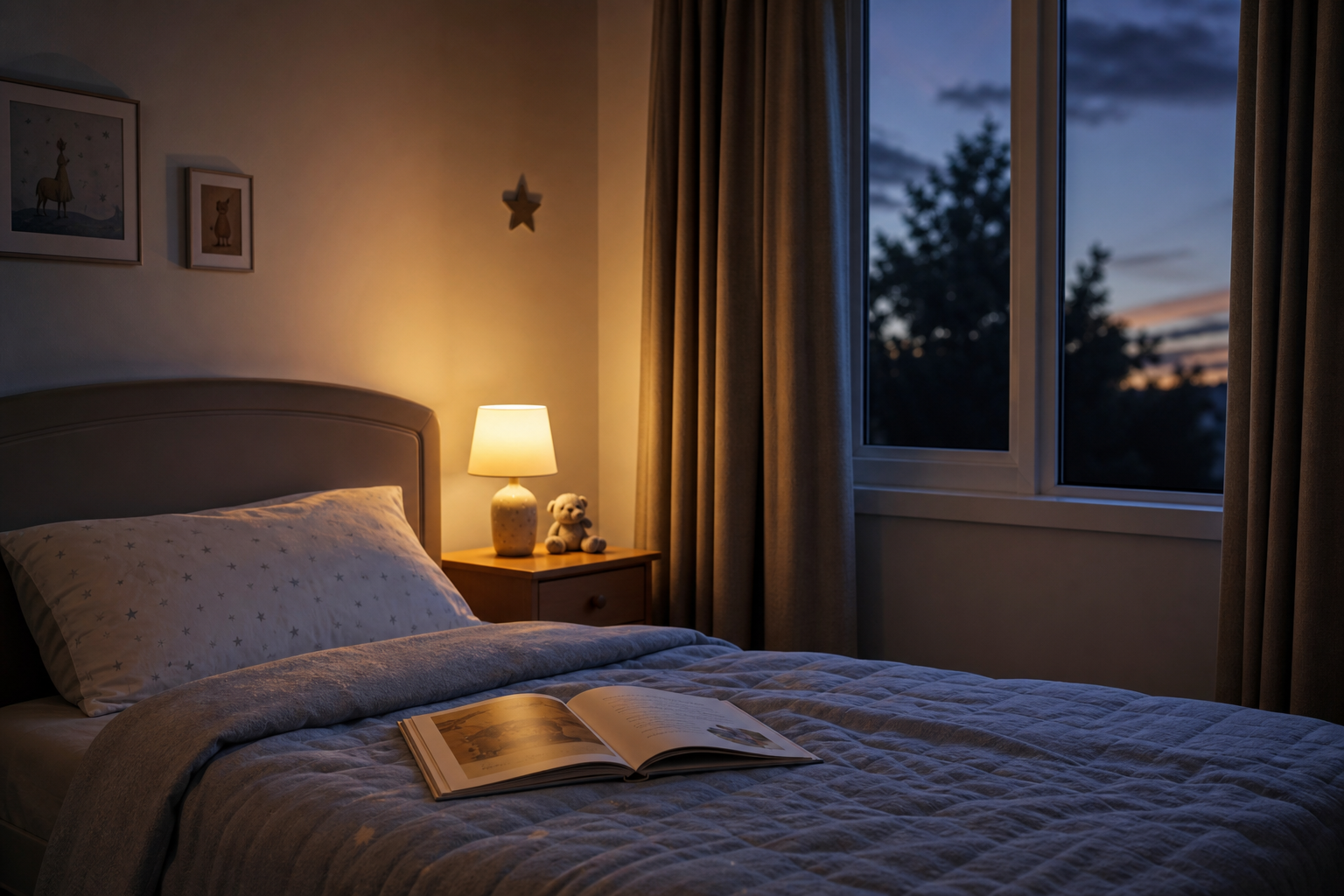
The week before flying, start nudging bedtime 15 to 30 minutes earlier each night. The Centers for Disease Control and Prevention recommends that if you are traveling east, go to bed an hour or two earlier than usual before your trip. This gradual shift shrinks the biological gap your family's bodies must close upon arrival.
An intentional wind-down ritual makes that transition stick. Dim the lights, cut screen time 45 minutes before bed, and keep the exact sequence identical each evening. You can consider Baloo Living's sustainable weighted blankets for your routine. The breathable cotton and glass microbeads provide deep pressure stimulation to settle restless kids, because they remain free of synthetic materials that cause overheating. Pack it in your carry-on to trigger those same sleep cues on the plane.
| Pro Tip: Shift bedtimes 15-30 minutes earlier each night the week before travel, paired with a consistent wind-down routine: dim lights, no screens to train the body’s sleep cues in advance. |
2. Use Morning Light to Reset Clocks

Morning daylight acts as a rapid biological tool to reset a disrupted body clock. Light signals the circadian system to shift, and spending 30 to 45 minutes outside on your first morning makes a measurable difference. Research shows that light exposure interventions help children achieve circadian phase delays, smoothing the transition to a new schedule.
London makes outdoor light therapy highly accessible. Hyde Park and Kensington Gardens require no tickets and let young travelers wander without a rigid timeline. A walk along the South Bank provides fresh air and natural light at a child's pace, letting the environment facilitate time adjustment.
Hyde Park and Kensington Gardens connect seamlessly, creating a walking loop that can stretch from 30 minutes to half a day depending on energy levels. Enter through Queen's Gate near the Natural History Museum and head toward the Diana Memorial Playground, a Peter Pan-themed adventure space designed for children up to 12.
It opens at 10 a.m. year-round and costs nothing. If you walk along the South Bank instead, start at Gabriel's Wharf and head east toward the Tate Modern. Street performers typically set up by mid-morning, giving kids natural stopping points that prevent the walk from feeling like a forced march.
In winter months when London daylight is limited, aim to be outdoors by 8:30 a.m. to maximize the light exposure window before clouds thicken in the afternoon.
3. Eat on Local Time Immediately
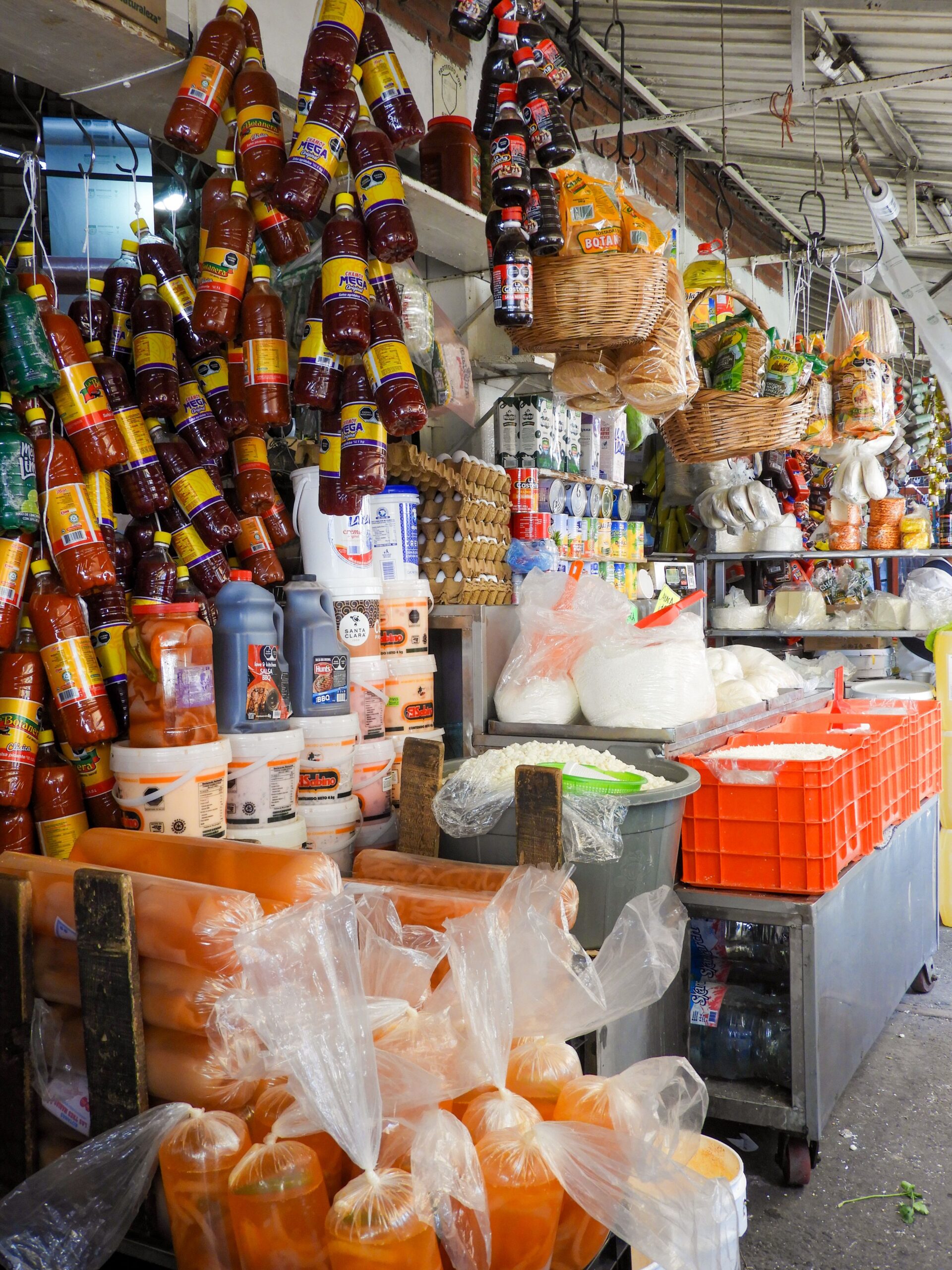
Meal timing operates as a physical anchor for the circadian rhythm, accelerating adjustment alongside light exposure. Resist the craving to eat at whatever hour your stomach thinks it is back home. Push through the confusion, eat when locals eat, and treat the city's food scene as a distraction strategy.
Borough Market serves as an ideal first stop because kids can graze and wander without being herded toward a formal dining table. Adopting the destination's dining schedule from the moment wheels touch the tarmac prevents lingering stomach confusion on day two.
Borough Market opens Wednesday through Saturday, with the fullest vendor lineup on Fridays and Saturdays. Arrive before 10:30 a.m. to avoid peak crowds that make navigating with small children stressful.
Kid-tested favorites include the grilled cheese from Kappacasein, fresh doughnuts from Bread Ahead, and the smoothie bowls from Applebee's Fish stall area. Portions at most stalls are shareable, so ordering two or three items and splitting them across the family keeps costs manageable and lets everyone sample without committing to a full plate.
Budget-conscious families should note that tap water is free by law at any establishment serving food in London, and many cafés offer a kids-eat-free policy during off-peak weekday hours. Ask before ordering.
4. Keep Day One Schedules Low-Key

Overscheduling the first full day abroad remains a frequent parental mistake, usually ending in a targeted meltdown before dinner. Day one energy runs out fast. Authorities advise that travelers experiencing a massive time shift should follow the sleep and waking routines of their destination immediately upon arrival.
The Natural History Museum acts as our default starting line. Entry is free, and the halls give kids room to explore without feeling rushed. The must-see attractions in London for families, like the Harry Potter Studio Tour and the London Eye, deserve your full energy, so save them for later in the week when everyone has adjusted and can fully process the experience.
The Natural History Museum is located on Exhibition Road in South Kensington, directly accessible from the South Kensington Tube station through a pedestrian tunnel. The Hintze Hall with its blue whale skeleton provides an instant visual anchor for tired children.
Head to the dinosaur gallery early, as it draws the longest queues after midday. If your kids are under seven, the free Investigate Centre on the lower ground floor lets them handle real specimens, though sessions require timed entry that can be booked on arrival.
Two equally low-pressure alternatives sit within a five-minute walk. The Science Museum next door offers free entry and has a dedicated Garden gallery for children aged three to six.
The Victoria and Albert Museum across the road features a free rotating family trail with activity booklets available at the main desk. All three museums close at 5:50 p.m., giving you a natural endpoint before heading to an early dinner.
For day one dining, the cluster of family-friendly restaurants along Exhibition Road includes reasonably priced pizza at Franco Manca and build-your-own bowls at Comptoir Libanais. Both accommodate children's portions without a formal kids' menu surcharge, and neither requires a reservation on weekday evenings.
| Important: Resist the urge to overschedule day one. Borrowed post‑flight energy burns out fast, leading to meltdowns. Choose free, low‑pressure spots like the Natural History Museum to let kids adjust at their own pace. |
5. Plan Around Your Flight Direction
Eastbound flights jump ahead in time, forcing your internal clock to advance its rhythm. Your body naturally resists moving forward more than it resists delaying sleep on a westbound route. Selecting an overnight departure allows kids to board right at their normal bedtime, creating a natural window for rest.
Replicate your standard wind-down sequence from home once you settle into your seats. Dim the screens early, provide noise-canceling headphones, and keep familiar sleep items within easy reach. Align the in-flight meal with your destination's local time, and skip the late snack cart to prevent unnecessary waking hours.
Night Before Travel Checklist
Preparing your items early sets the foundation for a smoother departure. A concrete list prevents last-minute panic when heading to the airport.
- Bags packed the night before to avoid morning scrambles
- Snacks prepped and accessible in the main carry-on
- Devices fully charged and loaded with offline entertainment
- Comfort items packed within easy reach in-flight
- Bedtime intentionally shifted 30 minutes earlier
- Travel documents gathered in one visible location
The Path Forward
Addressing jet lag begins with the pre-trip sleep sequence using weighted blankets at home, follows through with intentional light exposure upon landing, and relies on strict structural pacing during that crucial first afternoon. Applying these concrete steps ensures patience lasts past the late afternoon slump so you can explore on schedule.
| Author Profile: Baloo Living is a women-founded wellness brand based in New York City that creates premium weighted blankets and sleep essentials made entirely from natural, chemical-free materials. |