

There is a quiet pleasure in brewing tea from whole dried leaves. Instead of tearing open a paper sachet, you measure out real leaves, watch them unfurl in hot water, and take a moment to slow down before the day gets busy.
For anyone who enjoys a caffeine-free cup in the evening or a naturally caffeine-free herbal alternative to coffee, whole dried leaves offer something that most convenience products cannot: a direct, honest relationship with what is actually in your cup. Building a small herbal tea ritual around them is easier than it looks, and choosing the right leaves is the first and most important step.
Whole Leaves, Powder, or Tea Bags?
The format you choose shapes almost everything about the final cup, so it is worth understanding the differences before you buy.
Whole dried leaves are exactly what they sound like: the leaf, dried and left intact. Because they are minimally processed, you can see their size, colour, and condition with your own eyes. Powders, by contrast, are ground down, which makes them convenient to stir into drinks but also makes it impossible to judge quality by sight. Once a leaf becomes a fine powder, you are trusting entirely that what is on the label matches what is in the bag.
Tea bags vary widely in quality. Some lower-quality products may use very fine leaf particles, while better products clearly identify the ingredient and sourcing. Tea bags prioritize convenience and consistent portioning, while whole leaves provide greater ingredient visibility and more control over the amount used.
Why Ingredient Transparency Matters
One of the strongest reasons to reach for whole leaves is transparency. When you can see the leaf, you can assess it. Is it a consistent colour? Are the pieces reasonably uniform? Does it smell fresh and green rather than musty? These are simple checks that anyone can do, and they are only possible when the leaf has not been ground or hidden inside a sealed bag.
Transparency also extends to the label. A good whole-leaf product tells you precisely what you are getting, ideally a single named botanical with nothing else added. For example, a single-ingredient option such as PUREXA Organic Soursop Whole Leaves makes it clear that the bag contains soursop leaf and nothing more, with no fillers, flavourings, or mystery blends to work around. That kind of clarity lets you brew with confidence and adjust the strength to your own taste, because you know exactly what is in the pot.
Soursop, sometimes called graviola, is a good example of a botanical that many people enjoy specifically as a caffeine-free herbal infusion. Like other single-origin leaves, it rewards you for paying attention to what you buy.
The Flavour Difference
Flavour is where whole leaves really earn their place. When a leaf is left intact, more of its natural aromatic character is preserved until the moment you brew it. Grinding and long storage in broken form tend to let those delicate notes fade, which is one reason powdered and bagged products can taste comparatively dull.
Whole leaves may appeal to readers who value ingredient visibility and a more hands-on brewing experience. Differences in taste can result from leaf quantity, freshness, water volume, steeping time, processing, storage, and personal preference. Soursop leaf, for instance, tends toward a mild, slightly grassy and gently fruity profile that stays smooth rather than sharp. Because you are steeping the whole leaf, you can also control how bold or delicate the result is simply by changing the amount of leaf and the length of the steep. That flexibility is far harder to achieve with a pre-portioned bag, where the format makes most of the decisions for you.
Preparing Whole Dried Leaves at Home
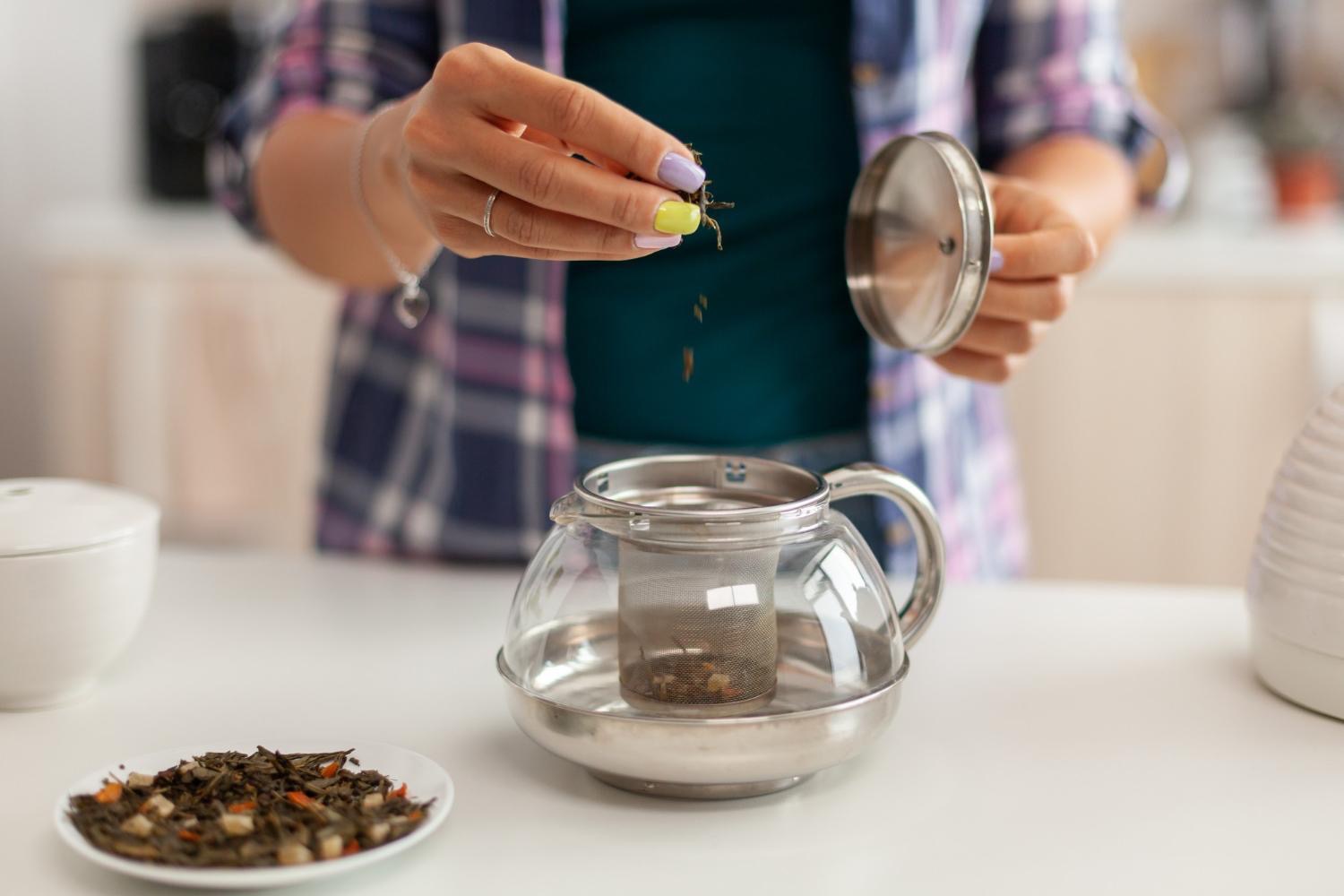
Brewing whole leaves is straightforward once you know the basic rhythm. Start by giving the leaves a quick rinse with a little hot water if you like, then discard that first splash. Add your measured leaves to a teapot, infuser, or heatproof jug. Follow the quantity guidance printed on the product package, because whole dried leaves naturally vary in size.
Pour fresh hot water just off the boil over the leaves, cover, and steep for approximately 8–10 minutes, following the current package directions. If you want a worked example with specific quantities and timings, this guide on how to prepare soursop tea walks through the process step by step and is a useful reference while you find the strength you prefer. Once you have brewed a botanical a few times, you will quickly develop an instinct for the amounts that work for you.
Sourcing: What to Look For
Because whole leaves are a natural product, sourcing makes a real difference to the cup. A few things are worth checking before you commit to a supplier. Look for a clear statement of origin and, where possible, organic certification, which signals a more careful approach to growing and harvesting. Freshness matters too, so favour sellers with good turnover and sensible, sealed packaging that keeps light and moisture out.
It also helps to buy from a source that is specific about the botanical rather than vague. A named, single-ingredient leaf tells you far more than a generic blend. Once your leaves arrive, store them somewhere cool, dark, and dry, in an airtight container, and they will hold their character for a good while. Treating the leaves well after purchase is just as important as choosing them carefully in the first place.
Making the Ritual Your Own
The real charm of whole dried leaves is not only the cup but the small ceremony around it. Measuring the leaves, waiting for them to open in the water, and pouring slowly turns an ordinary drink into a brief, unhurried pause in the day. It is a habit that costs very little and asks for nothing more than a few minutes and a kettle.
Start simple. Pick one botanical you are curious about, such as soursop, learn how it behaves as you brew it, and pay attention to how the flavour changes with more or less leaf and longer or shorter steeps. Over time you can expand your shelf, try new leaves, and settle on the cups you return to again and again. Whole leaves reward that kind of gentle experimentation, and building your own herbal tea ritual around them is one of the easiest ways to bring a little more intention, and a lot more flavour, into an everyday moment.