
A beautifully arranged dining table can make an ordinary meal feel like a special occasion. However, table settings involves more than arranging plates and cutlery. The right setup depends on the meal, the number of courses, and the atmosphere you want to create.
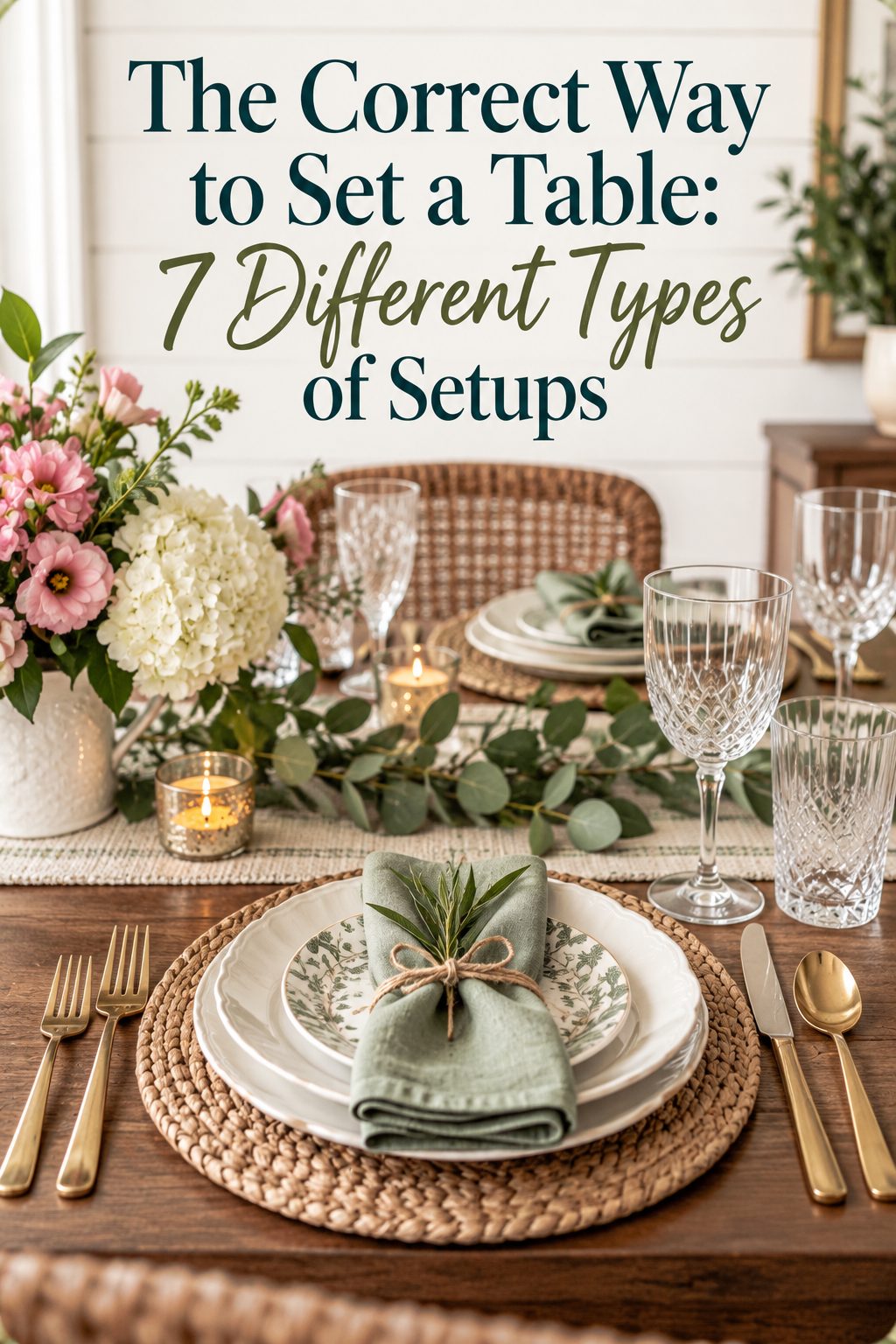
A casual family breakfast requires a different arrangement from a formal dinner party. Knowing where each item belongs helps guests feel comfortable and makes serving food easier. Fortunately, you don't need an extensive collection of dinnerware to get it right. Understanding a few basic rules will help you prepare for almost any occasion.
This guide covers seven different table setups, from everyday dining to elegant celebrations, with practical tips for arranging everything correctly.
1. Basic Table Setting for Everyday Meals
The basic table setting works well for family dinners, quick lunches, and other everyday meals. It requires only the items guests will actually use.
Start by placing a dinner plate in the center of each setting. Position the fork to the left and the knife to the right, with its blade facing the plate. If the meal requires a spoon, place it to the right of the knife.
The drinking glass belongs above the knife, while the napkin can sit to the left of the fork or directly on the plate.
Keep the arrangement simple. There's no reason to include extra cutlery for a single-course meal.
For family dinners, consider placing shared dishes in the middle of the table. Leave enough room for everyone to reach the food comfortably without moving their plates.
2. Casual Table Setting for Weekend Gatherings
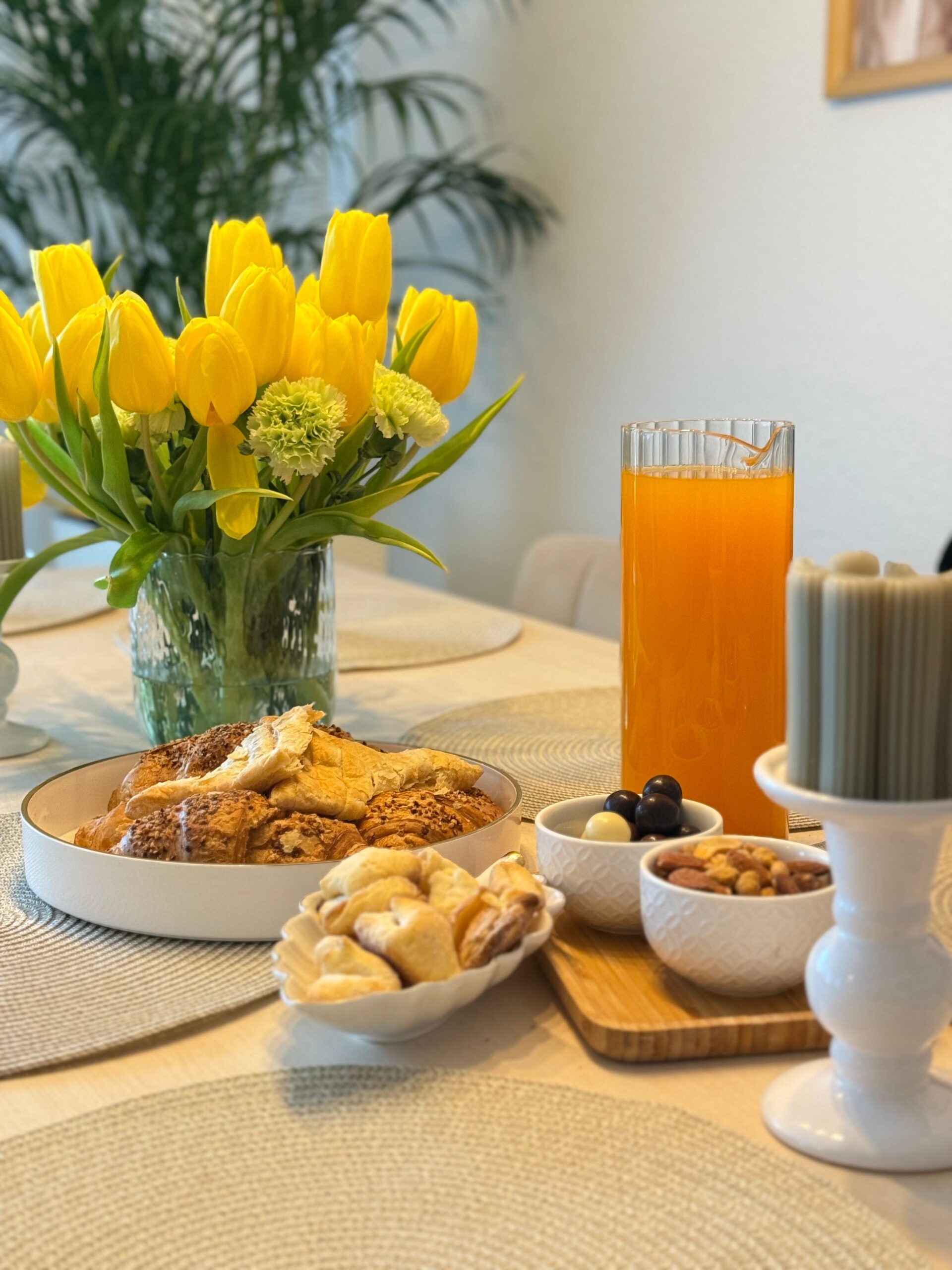
A casual table setting offers a slightly more polished arrangement without the strict rules associated with formal dining. It's particularly suitable for Sunday lunches, birthday meals, and relaxed gatherings with friends.
Begin with the basic arrangement, then add items according to your menu:
- Place a salad fork to the left of the dinner fork if you're serving salad separately.
- Position a soup spoon to the right of the knife when soup is on the menu.
- Add a bread plate above the forks, with a butter knife resting on it.
- Include a separate glass for another beverage if necessary.
A simple centerpiece can make the table feel more inviting. Fresh flowers, greenery, or candles work well, as long as they don't interfere with conversation. The goal is to create a welcoming atmosphere without making guests feel that every movement requires an etiquette lesson.
3. Formal Table Setting for Special Occasions
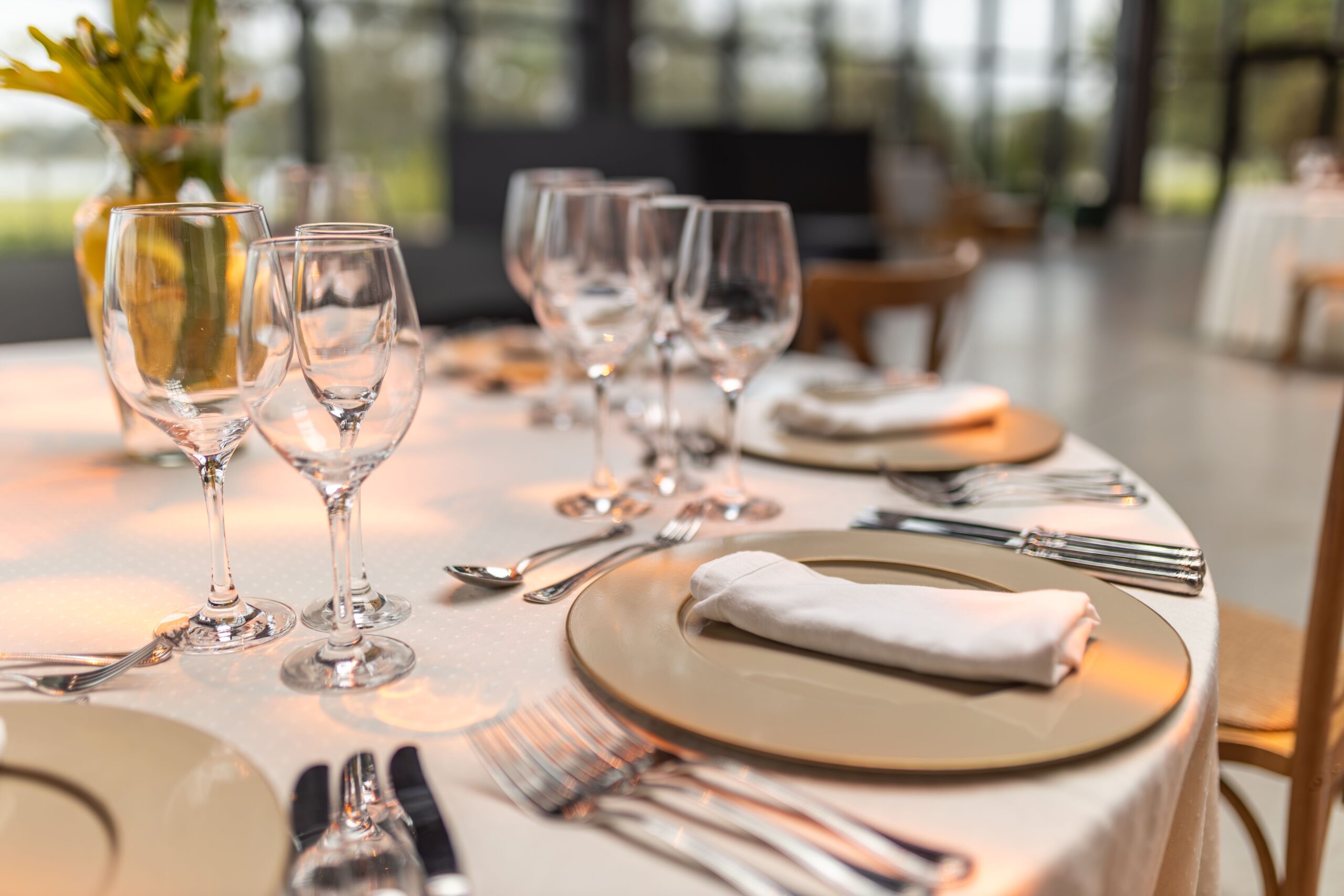
Formal table settings are often associated with weddings, anniversary dinners, and multi-course meals. The main principle is straightforward: arrange cutlery in the order guests will use it, working from the outside toward the plate.
Place the dinner plate at the center, with the dinner fork on the left and dinner knife on the right. Add the salad fork outside the dinner fork if salad comes first. Position the soup spoon outside the knife when soup is the opening course.
Dessert utensils may sit horizontally above the plate or arrive with dessert. The bread plate belongs above the forks, while drinking glasses sit above the knives. If multiple glasses are needed, arrange them according to the beverages being served. A charger plate can sit beneath the first-course plate for presentation, but it isn't used for eating.
Lighting also deserves attention. If you're planning a candlelit dinner, browse candle holders at Jamali Garden through www.jamaligarden.com and choose designs that suit your table.
Keep arrangements low enough for guests to see one another across the table.
4. Buffet Table Setting for Large Gatherings
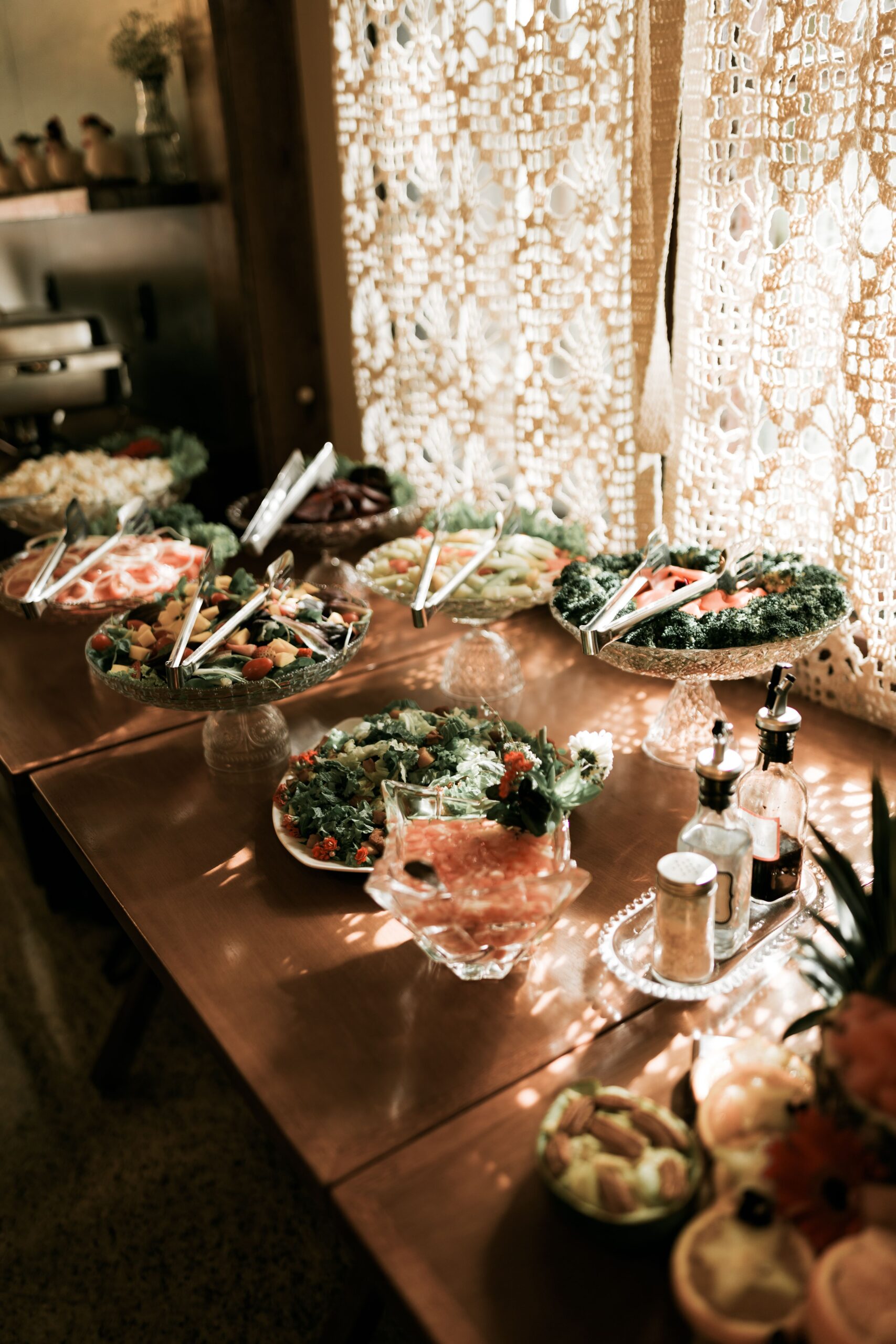
Buffet setups work particularly well for family reunions, holiday celebrations, and parties where guests serve themselves. Unlike traditional table settings, buffet arrangements focus on creating an orderly serving area.
Position plates at the beginning of the buffet, followed by the food. Arrange dishes in a logical order, starting with appetizers or salads and continuing toward the main courses and sides. Place cutlery and napkins near the end so guests don't have to carry them while serving food.
For larger gatherings, consider creating a separate drinks station. This prevents people from crowding around the food table. Clearly label dishes containing common allergens and provide separate serving utensils for each item.
If space allows, arrange the buffet so guests can move along it without blocking doorways or seating areas.
5. Breakfast Table Setting for a Relaxed Morning
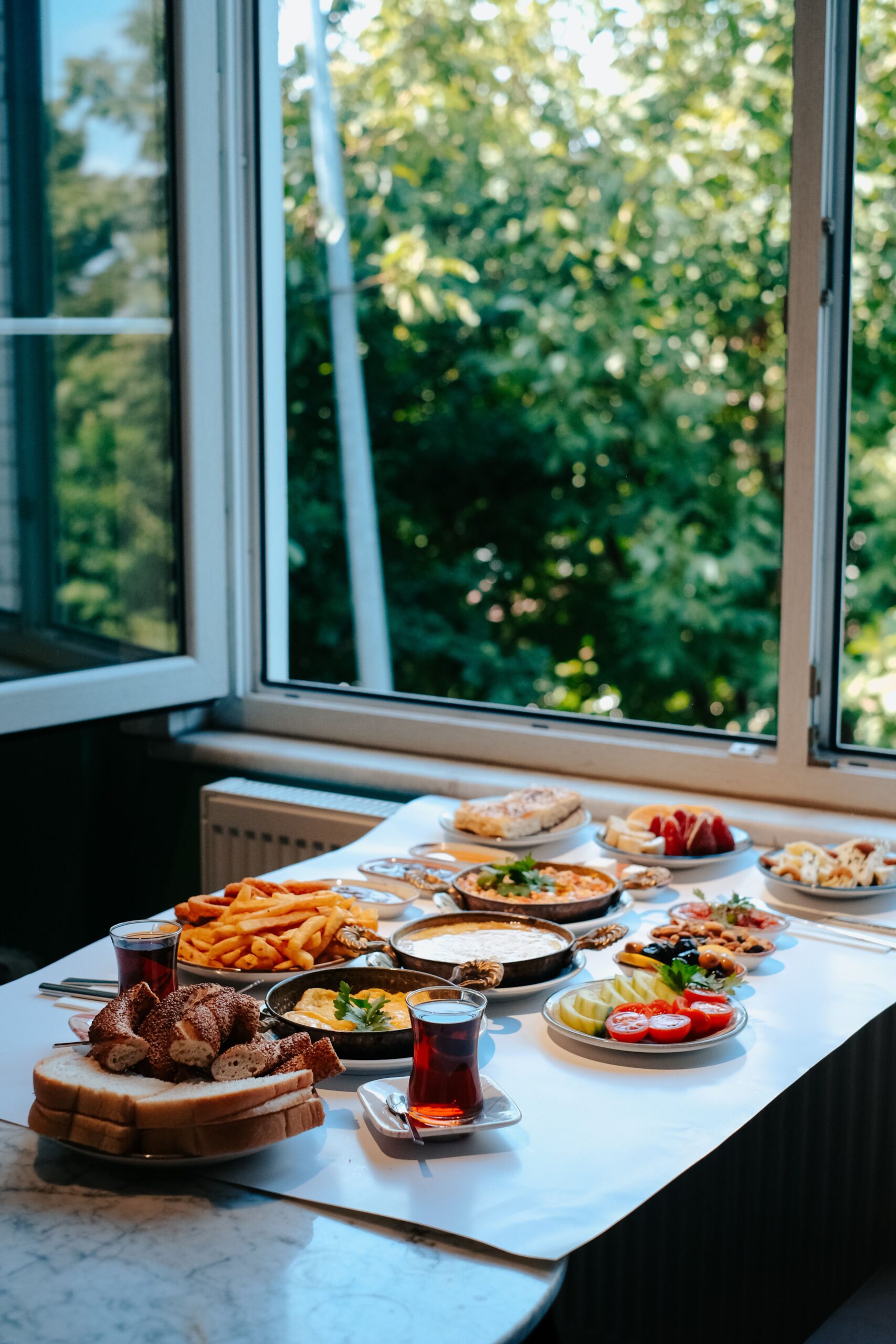
Breakfast settings should prioritize convenience and comfort, particularly when serving several family members.
Start with a breakfast plate in front of each seat. Place a fork on the left and a knife on the right if the menu includes foods that require cutting. A cereal bowl can sit on the plate when needed, with a spoon positioned to the right.
Place a coffee cup and saucer above and to the right of the plate. Drinking glasses should also be within easy reach.
For a continental breakfast, you may need only a small plate, butter knife, napkin, and cup. Keep shared items such as toast, jam, fruit, and milk in the center of the table. A small vase of flowers adds a pleasant finishing touch without taking up much space.
6. Outdoor Table Setting for Garden Parties
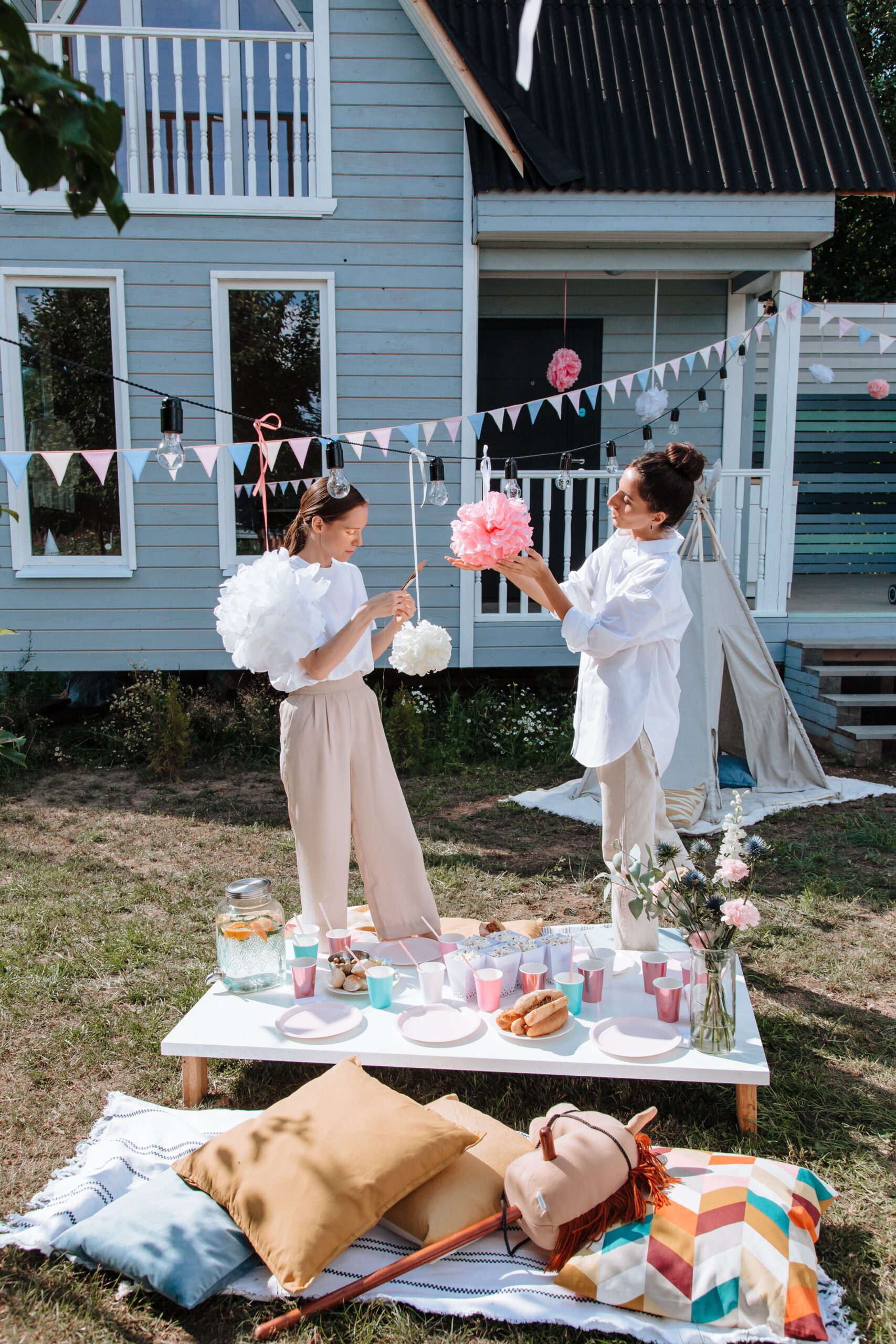
Outdoor dining requires a practical approach because wind, uneven surfaces, and changing weather can affect your arrangement.
Choose a sturdy table and position it on level ground. Use heavier napkins or secure lightweight ones beneath plates to prevent them from blowing away. Arrange cutlery according to the menu, following the same basic placement rules used indoors.
Avoid tall floral arrangements that might topple in windy conditions. Low centerpieces are generally easier to manage. If using candles, place them in suitable holders and keep flames away from decorations and other flammable materials.
Consider providing a separate area for drinks and extra napkins. For evening gatherings, arrange lighting before guests arrive so you can check that everyone can see their food comfortably.
7. Romantic Table Setting for Dinner for Two
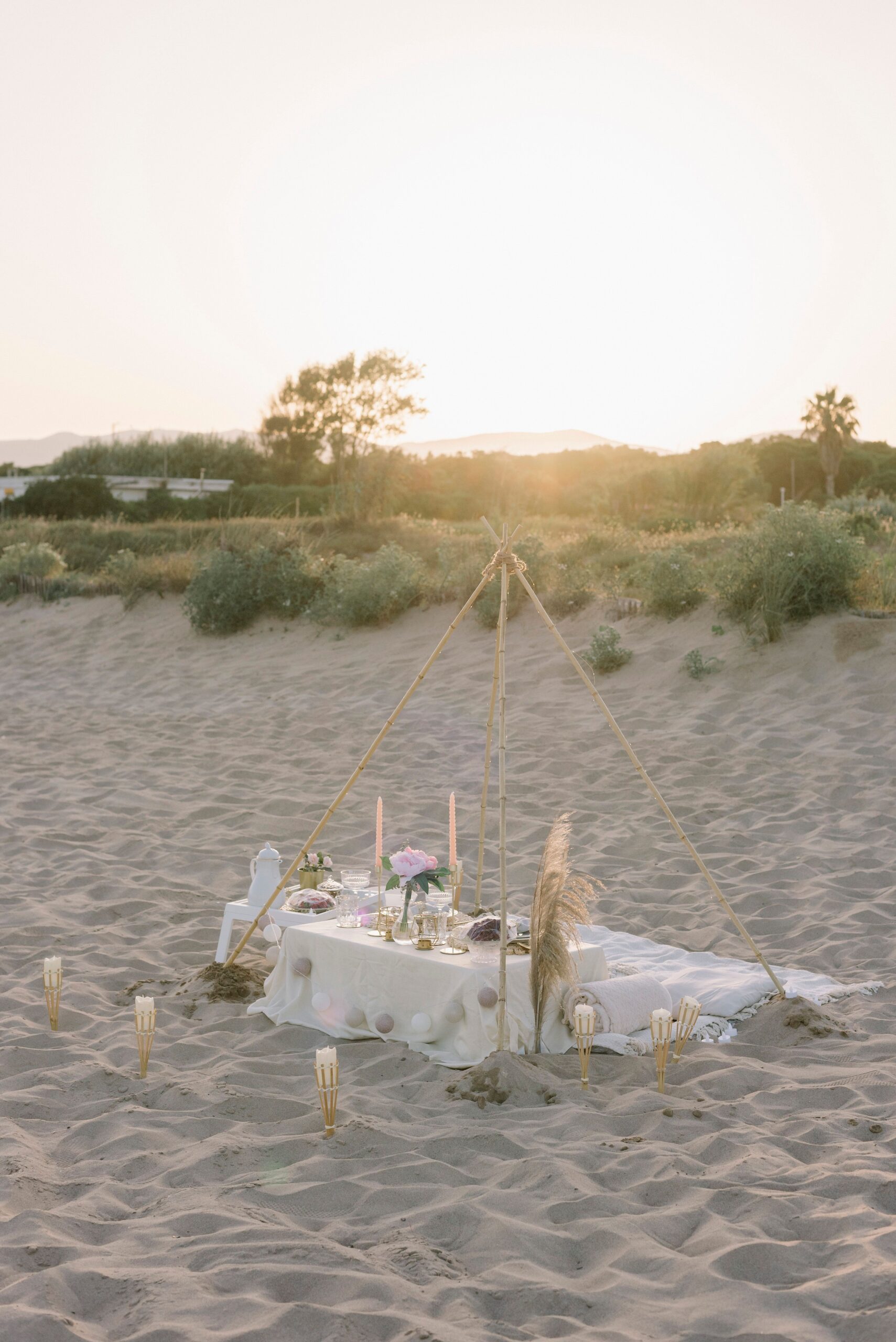
A romantic dinner setting can feel special without requiring expensive dinnerware or elaborate decorations.
Start with two coordinated place settings positioned opposite each other or at adjacent sides of a small table. Use the basic cutlery arrangement, adding extra utensils only if the menu requires them. Cloth napkins, matching plates, and clean glassware create a thoughtful appearance.
A small floral arrangement or a pair of candles can provide a focal point. Keep decorations away from serving dishes and maintain enough space for both diners to eat comfortably.
Soft lighting can also help create a relaxed atmosphere, but it should remain bright enough to see the meal. Most importantly, avoid overcrowding the table. A few carefully chosen details often work better than numerous decorative accessories.
Final Thoughts
Understanding how to set a table with these different table settings make hosting easier and helps create a comfortable dining experience for your guests. The correct arrangement depends on the occasion. Everyday meals benefit from simplicity, formal dinners require attention to cutlery placement, and buffet setups need an efficient serving layout.
Start by planning your menu, then select the dinnerware, utensils, and glasses each guest will need. Add decorations only after you've confirmed there's enough room for food and comfortable dining.
With these seven setups in mind, you can approach your next family meal or special celebration with confidence, creating a table that looks inviting and works beautifully for everyone.