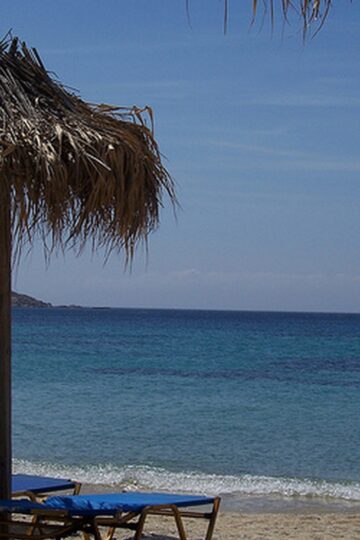

The eager urban explorer has far more options at their disposal than Paris, Rome, or London. If anything, choosing a city that’s not in the limelight will likely make your visit less crowded and more unique. Here are three overlooked cities in Europe that fly under most tourists' radars that you shouldn't pass up.
Key Takeaways for Overlooked Cities in Europe
- Look beyond the usual hotspots. Less talked-about cities can be as vibrant and worth exploring as the heavy hitters.
- Exploring waterfronts, parks, or walkable neighborhoods can be as rewarding as touring the most famous landmarks.
- Make local dishes and beverages a core part of the experience.
- Staying connected throughout the trip is a must, so use an eSIM for Europe to get around, check schedules, and organize day trips without having to rely on Wi-Fi.
Tartu, Estonia
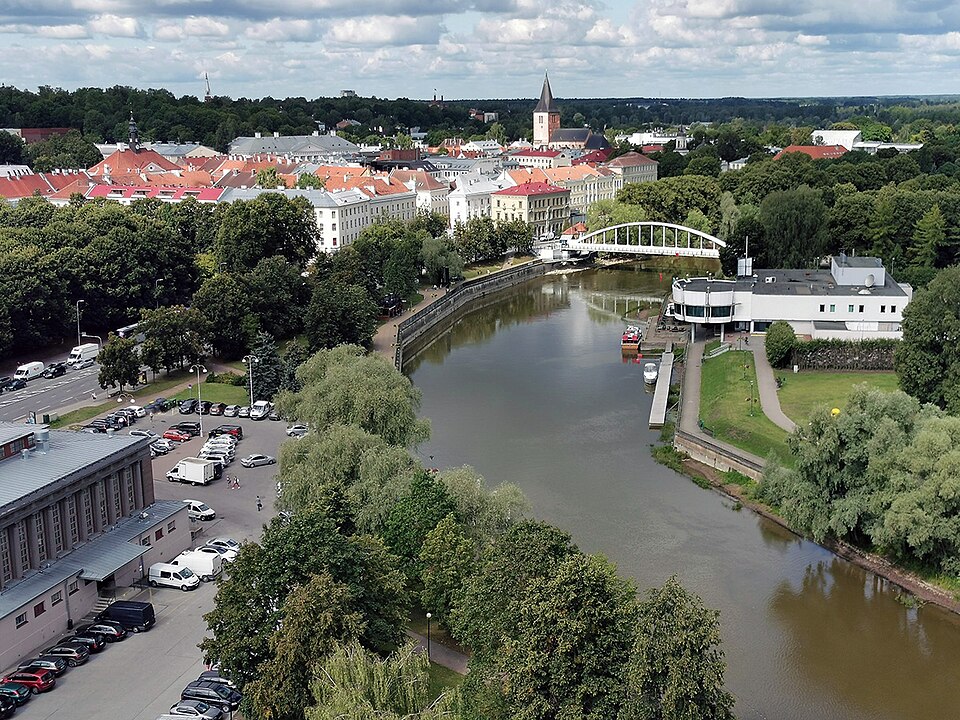
One of the first overlooked cities in Europe to share is Tartu. It is is Estonia’s second-largest city, and arguably its cultural capital. You won't find as much monumental architecture there as in more high-profile cities. Tartu more than makes up for this with walkable streets, a long-standing student city tradition, and a wealth of leisurely pursuits involving nature, food, or thought.
Toomemägi Hill Park provides a reprieve from city life while also housing the University of Tartu museum inside the restored part of the medieval Tartu Cathedral. Meanwhile, the residential districts of Karlova and Supilinn reward aimless wanderings. The former cultivates a bohemian vibe through street art and cozy cafés. Traditional wooden homes and soup-themed street names define the charm of the latter.
Tartu is the gateway into the cuisine of South Estonia. Potato and fish dishes compete for your attention with seasonal mushroom-based cuisine. Rye bread is another local specialty, while
pastry lovers will find healthy competition between traditional Nordic fare and modern fusion creations.
Pro tip: You can easily get to most of Tartu’s sights and cozy neighborhoods on foot, so pack some sturdy walking shoes. Long summer days and chilly winters mean Tartu is worth visiting year-round. Make sure to pack appropriately and bring a waterproof layer even in summer since summer showers can noticeably drop the temperature.
Plovdiv, Bulgaria
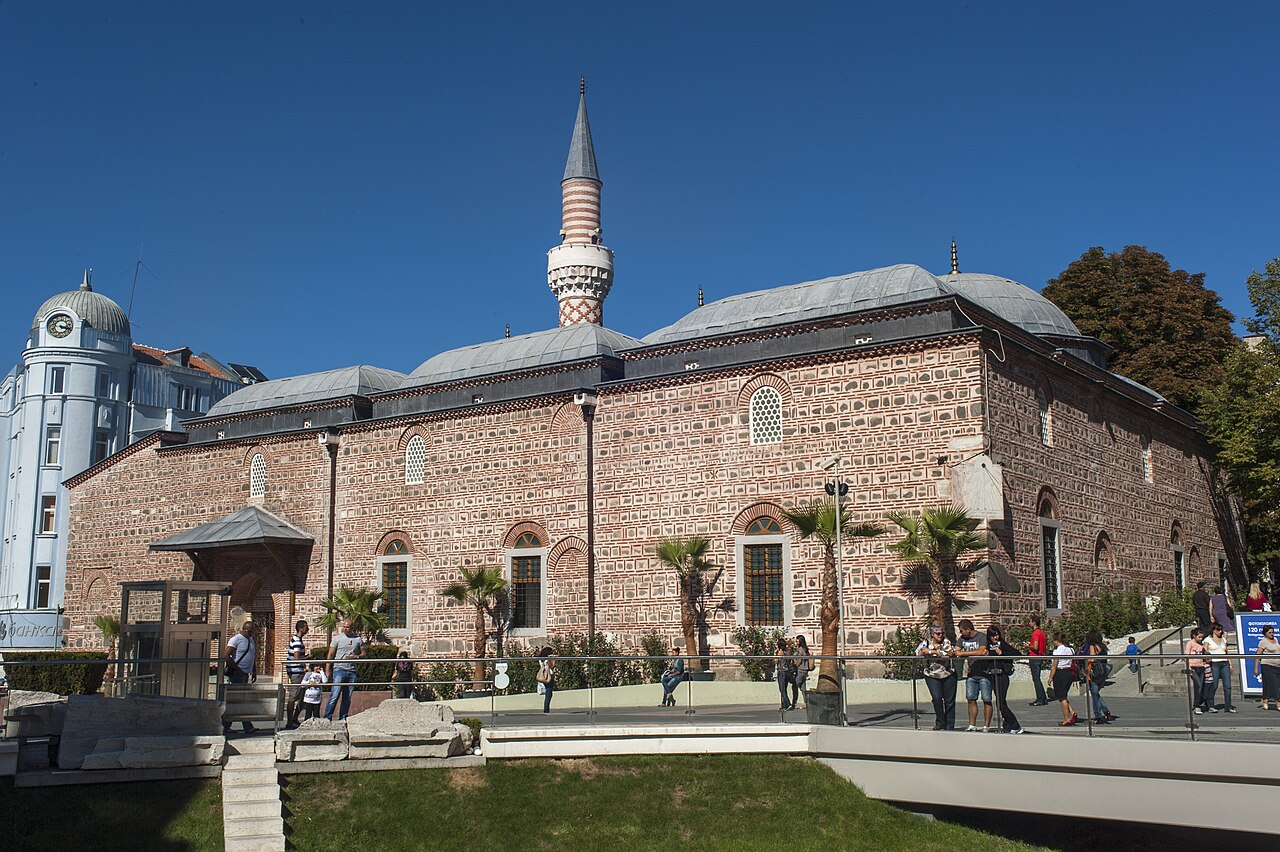
The second on the list of overlooked cities in Europe is Tartu. Often unjustly overshadowed by Sofia and resorts on the Black Sea, Plovdiv is a Bulgarian gem well worth discovering. It’s been inhabited for thousands of years, and every culture – from Thrace and Rome to the Ottoman Empire and contemporary Bulgaria – has left its mark. The city is ancient, but it is definitely not sleepy.
Plovdiv is home to one of the most remarkably preserved Roman amphitheaters. Catch a performance there or wander around Old Town to take in the opulence of National Revival-style residences. For a more modern vibe, you’ll want to visit the bars, restaurants, galleries, and street art displays of the Kapana district.
Bulgarian cuisine is known for its grilled meats, hearty stews, cheeses, and savory pastries. You can try all of this and more in Plovdiv’s restaurants and eateries. Your inner sommelier also has time to shine since Plovdiv is at the heart of the Thracian Valley, famous for Mavrud wine.
Pro tip: While Plovdiv itself abounds in activities, it’s also a regional center. It’s worth exploring the hills it is nestled on, as well as sites like Asen’s Fortress and Bachkovo Monastery. You’ll want to be able to organize day trips, check visiting hours, and plan your route, so dependable connectivity is a must. Set up the best eSIM for travel before visiting to stay connected throughout the trip and make planning easier.
A Coruña, Spain
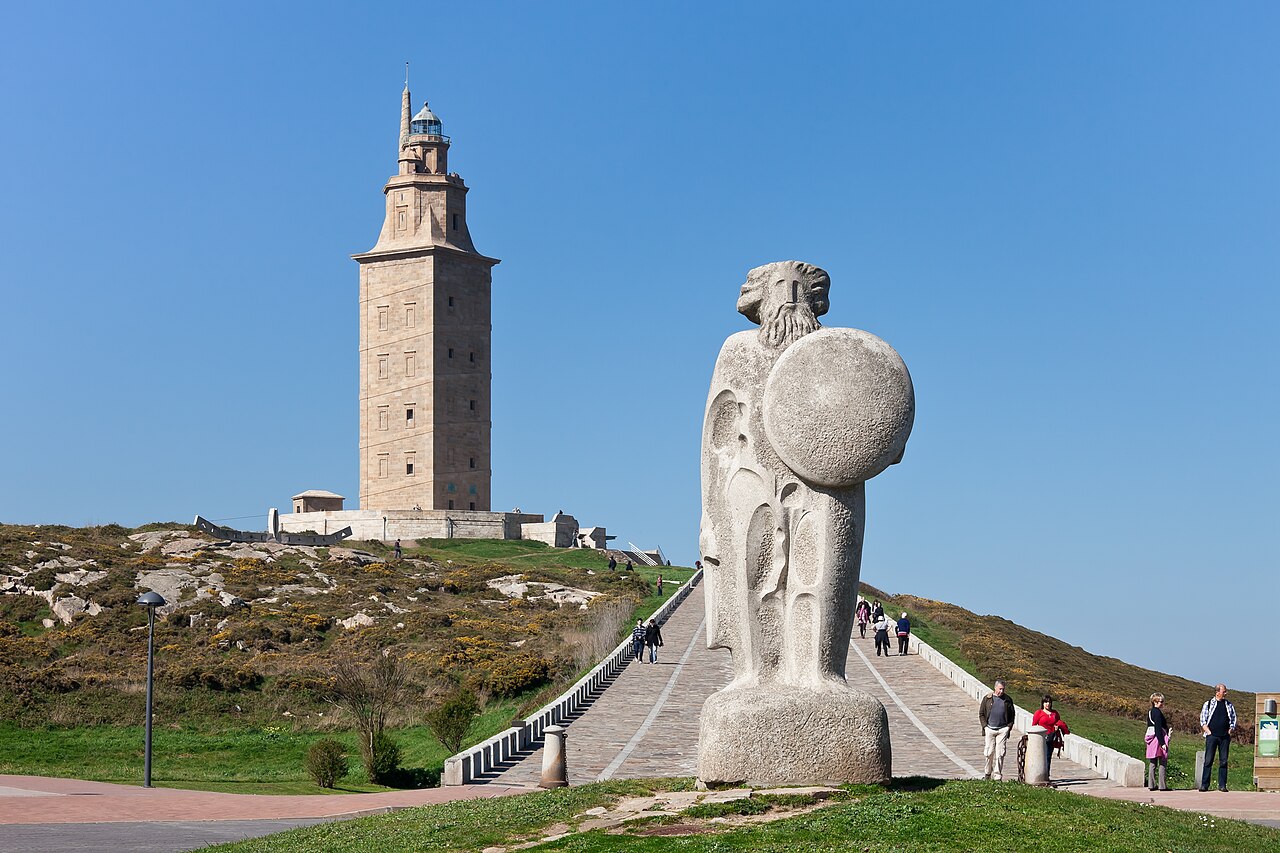
Two things usually come to mind when tourists think of Spain: either the sun-drenched Mediterranean coast or major inland cities like Madrid and Seville. A Coruña is an outlier – afunctioning, lived-in Atlantic port far from the usual travel circuits whose culture, nature, and authentic Galician charm make it a sleeper hit.
Much about A Coruña is deeply maritime, from the UNESCO-protected Tower of Hercules and lively waterfront to the city beaches of Riazor and Orzán, and the Finisterrae aquarium. María Pita Square, the Old Town, streets dedicated to shopping, and active nightlife tick all the boxes for a satisfying city break.
Unsurprisingly, the cuisine centers on the Atlantic’s bounty. Seasoned octopus with potatoes is a signature local dish, and Galician empanadas filled with tuna, cod, pork, or vegetables are a tasty local snack. Be sure to also leave room for the Tarta de Santiago, a cake rich in almonds and zesty lemon or wine flavor.
Pro tip: Galicia is wetter and greener than the south of Spain. The Atlantic is cold much of the time, so prioritize beachside strolls and ocean views over swimming and water sports.