
Da Nang is a convenient base for exploring central Vietnam, but its main attractions are spread across the coastline, the mountains west of the city and the historic towns to the south. Choosing the right order can save hours of travel time and prevent you from arriving at an attraction after the last admission period.

Some places are inexpensive to visit independently, while others, such as Ba Na Hills, require a much larger budget and most of a day. This guide focuses on practical details, including entrance fees, opening hours, transport options and the best time to visit each location.
For travelers who want help organizing accommodation, sightseeing and transportation, Vietnoblesse is a Da Nang travel agency you can contact to discuss your itinerary and available travel services. When making an inquiry, share your travel dates, group size, hotel location and preferred attractions so you can discuss suitable arrangements before arriving in Vietnam.
Da Nang Travel Guide: What to Do
1. Marble Mountains: Visit Early to Avoid the Heat
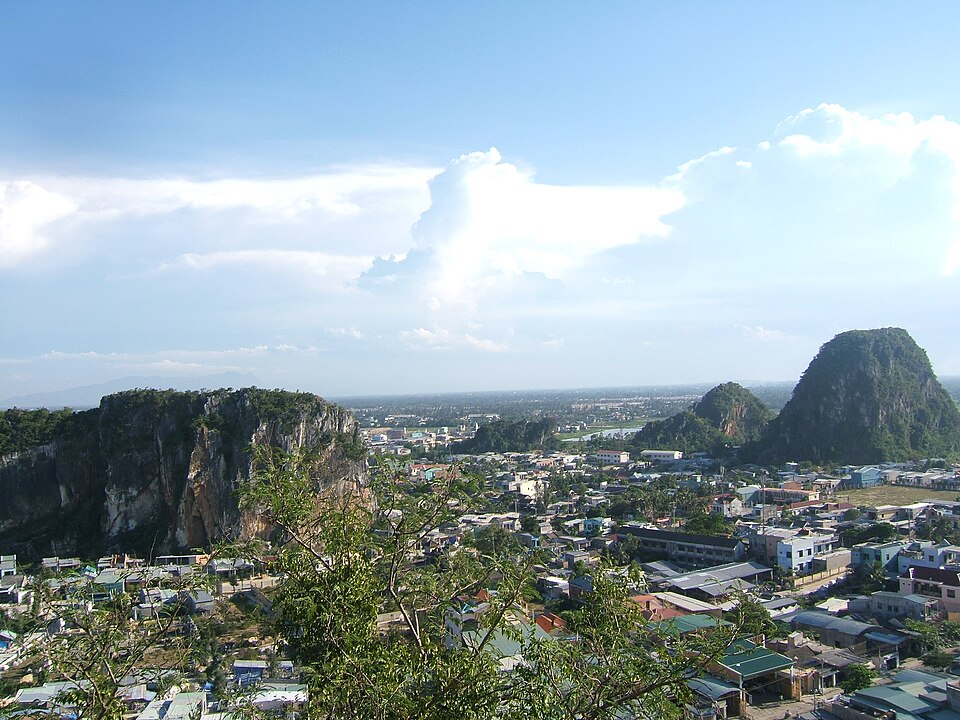
The Marble Mountains, known locally as Ngu Hanh Son, are located south of central Da Nang. The complex consists of five limestone and marble hills, but Thuy Son is the main attraction for visitors because it contains the best-known caves, pagodas and viewpoints.
Huyen Khong Cave is particularly worth visiting for its natural openings, religious shrines and dramatic light. Other stops include Tam Thai Pagoda, Linh Ung Pagoda and viewpoints overlooking the coastline.
Practical information
- Opening hours: Generally around 7:00 AM–5:00 PM.
- Thuy Son entrance fee: Approximately VND 40,000 per adult.
- Am Phu Cave: Approximately VND 20,000 per adult.
- Elevator: Approximately VND 15,000 one way or VND 30,000 return.
- Recommended visit: 1.5–2.5 hours.
Prices and operating hours can change, so confirm the current rates before visiting.
Getting there
From My Khe Beach, a Grab car or taxi generally takes around 20–30 minutes, depending on traffic. The attraction is also convenient to combine with Non Nuoc Beach or other destinations along the southern coastal road.
If you are visiting several places in one day, consider arranging a car to wait nearby or agreeing on a return pickup time. Ordering separate rides from a busy attraction can add unnecessary waiting time.
Tips that make a difference
Arrive before 9:00 AM if possible. The climb becomes much more tiring as temperatures rise, and the stone steps can be slippery after rain. Wear shoes with good grip and carry water.
The elevator helps with part of the ascent but does not eliminate the stairs inside the complex. If anyone in your group has mobility limitations, plan a shorter route rather than assuming every cave is accessible.
Allow extra time if you want to visit Am Phu Cave as well as Thuy Son. The two attractions have separate admission charges, so check which tickets you need before entering.
2. Ba Na Hills and the Golden Bridge: Budget for a Full Day

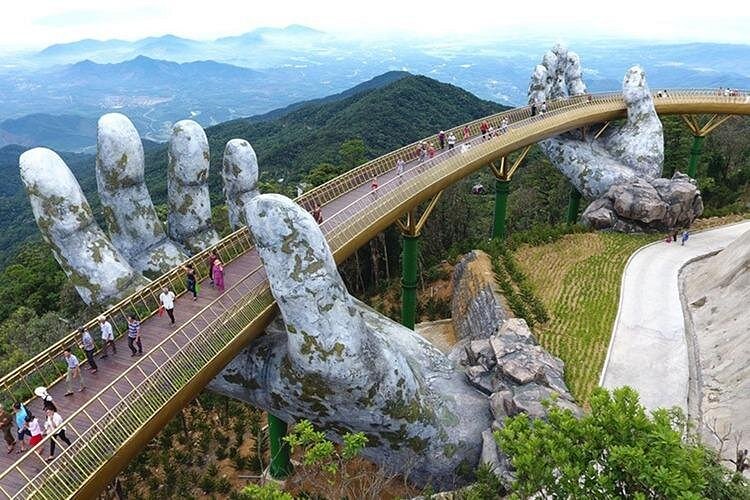
Ba Na Hills is a large mountain tourism complex approximately 25–35 km from central Da Nang. Its main attractions include the Golden Bridge, cable cars, flower gardens, the French Village and Fantasy Park.
The Golden Bridge is the most recognizable landmark, but the cable car journey is also a major part of the visit. The elevation brings cooler conditions than the city, and mist can sometimes obscure the mountain views.
Practical information
- Operating hours: Generally around 8:00 AM–10:00 PM, depending on the schedule.
- Standard adult ticket for visitors from outside Da Nang: Around VND 1,000,000.
- Adult ticket with lunch buffet: Around VND 1,300,000.
- Recommended visit: 6–8 hours.
Ticket prices, eligible discounts and package inclusions can change. Check the official booking information before paying.
Getting there
A private car, taxi or organized transfer is the most practical option for most visitors. Allow approximately 45–60 minutes for the journey from central Da Nang, with additional time during busy periods.
Before booking a transfer, confirm whether the price includes waiting time and a return journey. Some offers cover only one-way transportation, which can become inconvenient after a long day.
How to make the most of your visit
Leave early enough to reach the cable car station near opening time. Visit the Golden Bridge when visibility is good, then continue to the gardens, French Village and indoor attractions.
Do not assume the weather at the top will match the weather in Da Nang. Bring a light jacket, particularly during cooler or rainy periods.
Check exactly what your ticket includes. The standard admission ticket covers the cable car and many of the principal attractions, while food and certain activities may cost extra. A buffet package is useful if you intend to eat at the mountain complex, but it may not be worthwhile if you prefer to return to the city for lunch.
3. Son Tra Peninsula and Linh Ung Pagoda: A Half-Day Coastal Trip
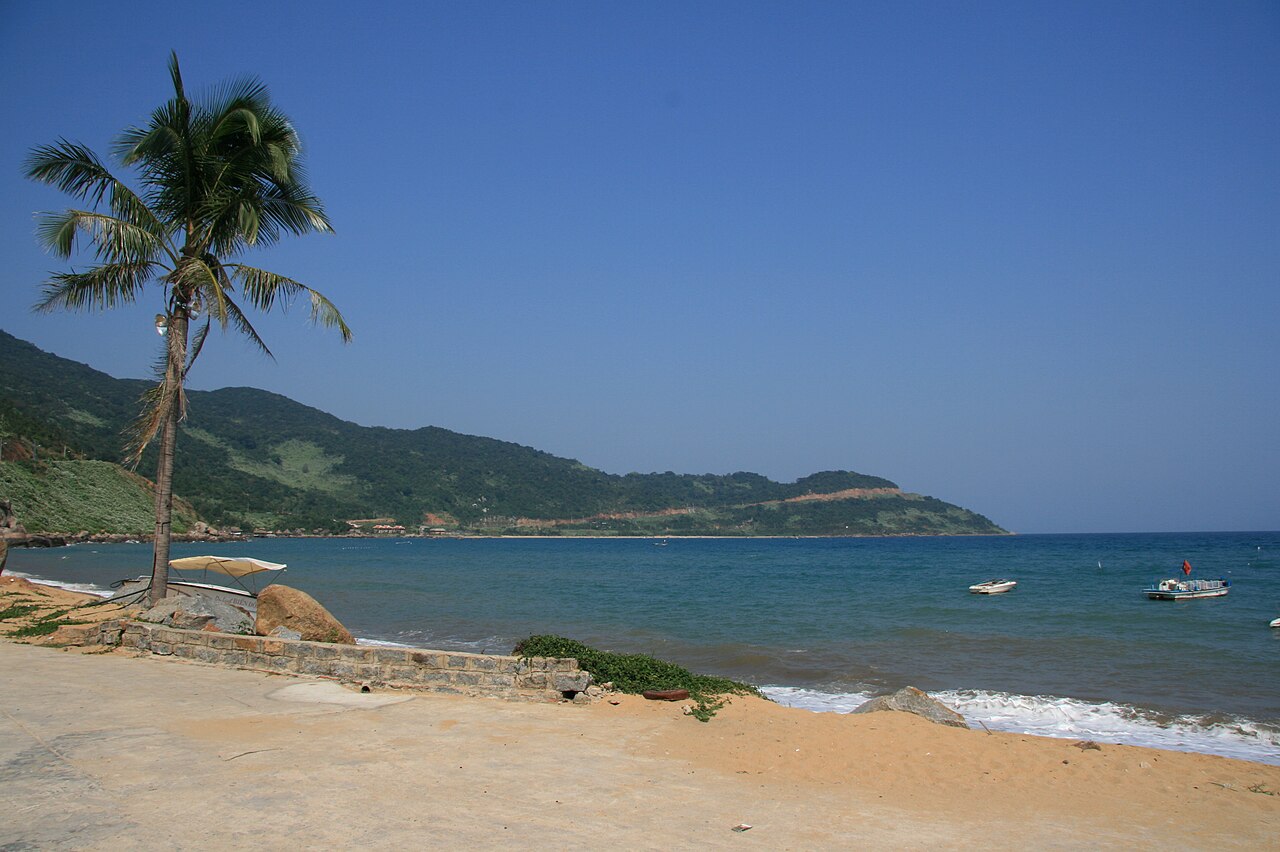
Son Tra Peninsula is northeast of the city center. Its forested hills, coastal roads and viewpoints provide a different experience from Da Nang’s busy beach districts.
The main visitor attraction is Linh Ung Pagoda, which features the large Lady Buddha statue overlooking the sea. The grounds offer views across the coastline and a chance to see traditional Buddhist architecture.
Practical information
- General pagoda admission: Usually free.
- Recommended visit: 45–90 minutes for the pagoda, or 2–3 hours if visiting additional permitted viewpoints.
- Best time: Morning, when temperatures are generally more comfortable.
Getting there
From My Khe Beach, allow roughly 20–40 minutes by car, depending on your destination and traffic. A private driver is convenient if you want to stop at several viewpoints without worrying about parking or navigating unfamiliar roads.
Motorbike travel is possible on permitted roads, but check current access restrictions and ensure you have the correct licence and insurance.
Local tips
Wear modest clothing at the pagoda and keep noise to a minimum around people who are praying.
Son Tra is also an important wildlife habitat, including for the endangered red-shanked douc langur. Do not feed monkeys or other wildlife, and avoid stopping in unsafe places to take photographs.
Some roads may have vehicle restrictions or temporary closures. Follow local signs rather than assuming every route shown on a map is open to visitors.
4. Hoi An Ancient Town: Buy the Right Ticket for the Heritage Sites
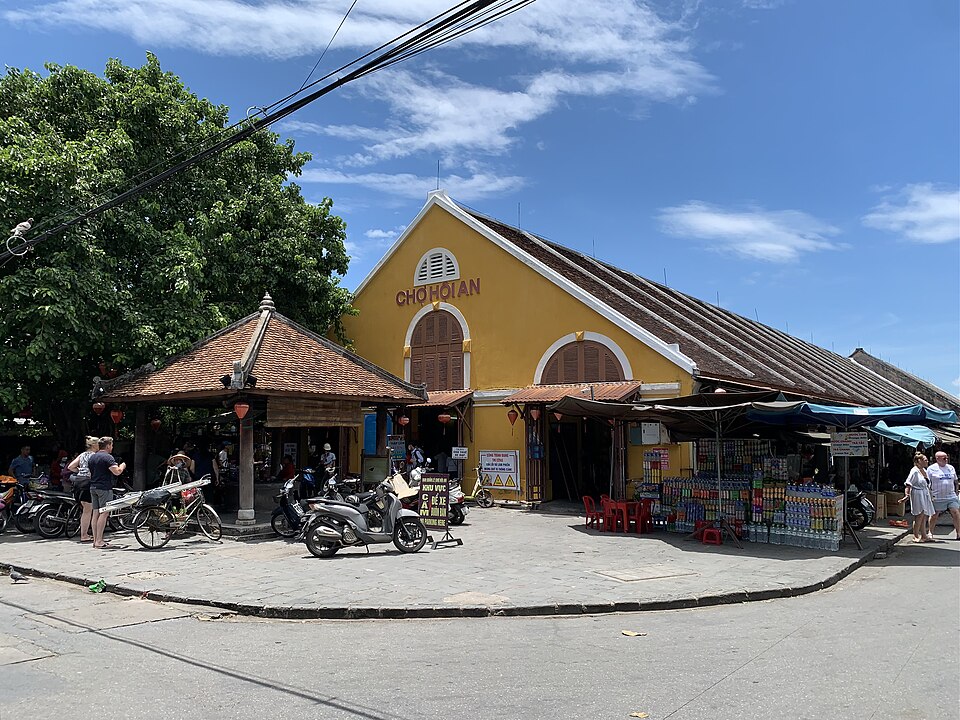
Hoi An lies approximately 25–35 km south of central Da Nang. Its historic center contains merchant houses, assembly halls, temples and narrow streets that reflect its history as a trading port.
The Japanese Covered Bridge is a well-known landmark, but the historic houses and assembly halls are equally valuable stops if you want to understand the architecture and cultural influences of the town.
Practical information
- General heritage sightseeing hours: Approximately 8:00 AM–5:00 PM.
- International visitor heritage ticket: Around VND 120,000.
- Recommended visit: 4–6 hours if you want to explore heritage sites and stay into the evening.
The heritage ticket covers the general sightseeing area and admission to selected monuments according to the ticket conditions. It does not cover every activity or commercial venue.
Getting there
A taxi or Grab car generally takes around 40–60 minutes from Da Nang, depending on traffic and your starting point. A prearranged return transfer is particularly useful if you plan to stay after dark.
Some streets in the old town have pedestrian restrictions, so drivers may need to drop you at a designated point outside the historic center. Confirm where you will be collected before leaving the vehicle.
When should you arrive?
If you want to enter historic buildings, arrive in the afternoon rather than waiting until sunset. Some heritage attractions close earlier than restaurants and shops.
Stay into the evening to see the lanterns and riverside streets. The town can become crowded around the main riverfront, so explore smaller lanes before sunset if you prefer quieter photographs.
Boat rides are normally charged separately. Confirm the price, duration and boarding point before agreeing to a trip.
5. Museum of Cham Sculpture: An Indoor Cultural Stop
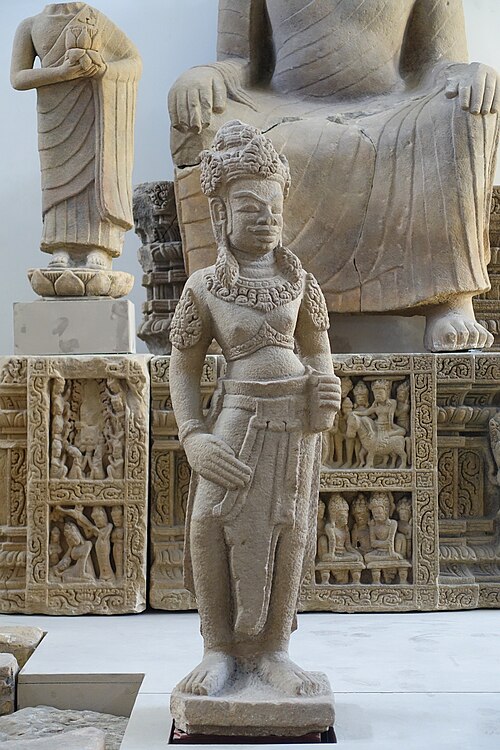
The Museum of Cham Sculpture is located near the Han River and Dragon Bridge. Its collection includes stone sculptures and architectural fragments associated with the Champa civilization, which flourished across parts of central Vietnam.
The displays feature religious figures, deities and mythological subjects. The museum is particularly useful for travelers who want historical context before visiting My Son Sanctuary.
Practical information
- Opening hours: Generally around 7:30 AM–5:00 PM.
- General admission: Approximately VND 60,000 per person.
- Recommended visit: 1–1.5 hours.
Opening hours and admission prices may change, especially around public holidays, so confirm the details before visiting.
Getting there
The museum is centrally located and easy to reach by taxi or Grab. You can combine it with Han Market, Dragon Bridge and a walk along the Han River.
Practical tips
This is a good midday stop when the weather is too hot for extended outdoor sightseeing. Allow time to read the exhibit descriptions rather than treating the museum as a quick photo stop.
If you plan to visit My Son Sanctuary later, the museum will help you recognize the artistic and religious traditions associated with the historical site.
6. Dragon Bridge: Plan Around the Evening Performance
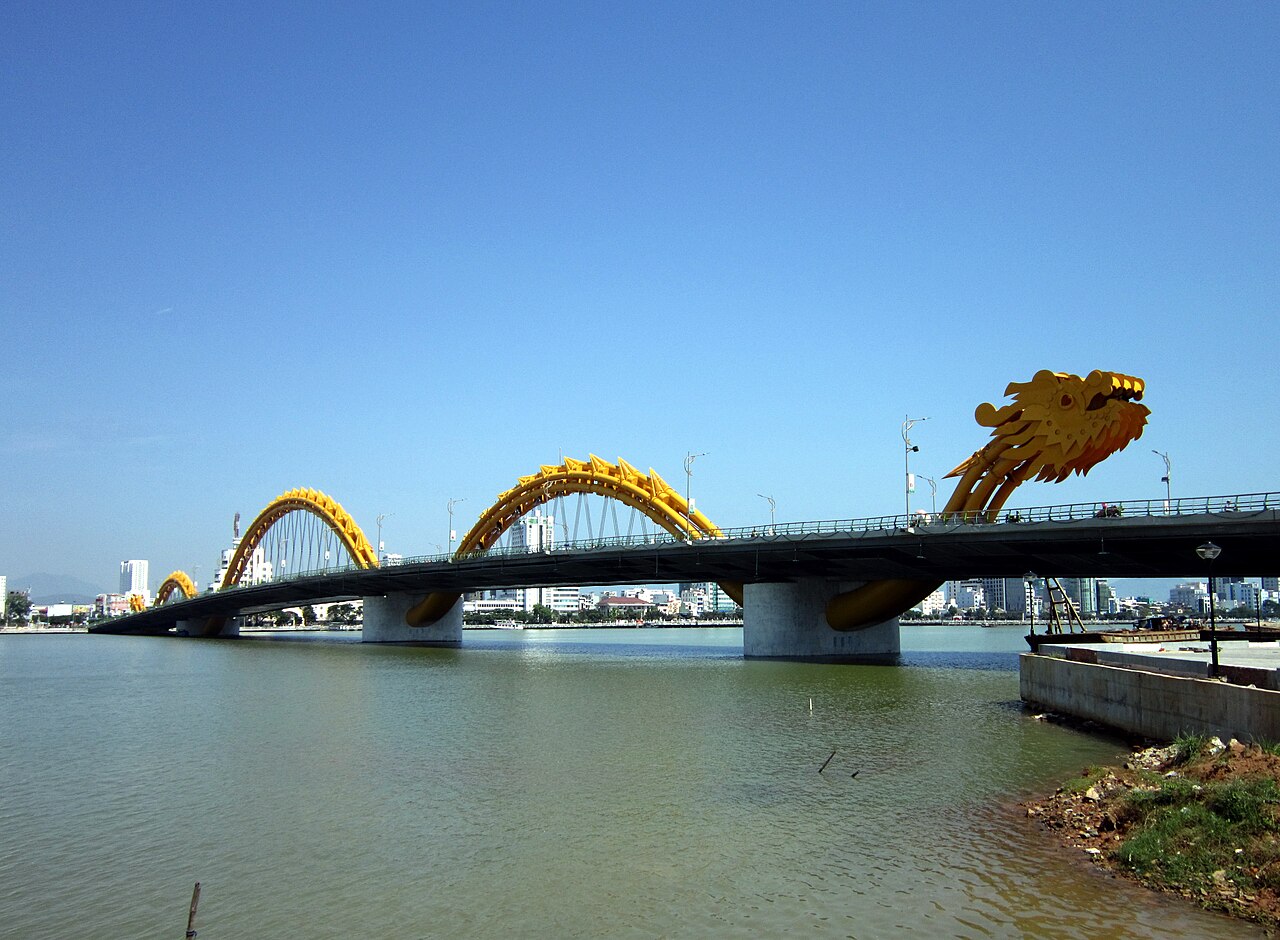
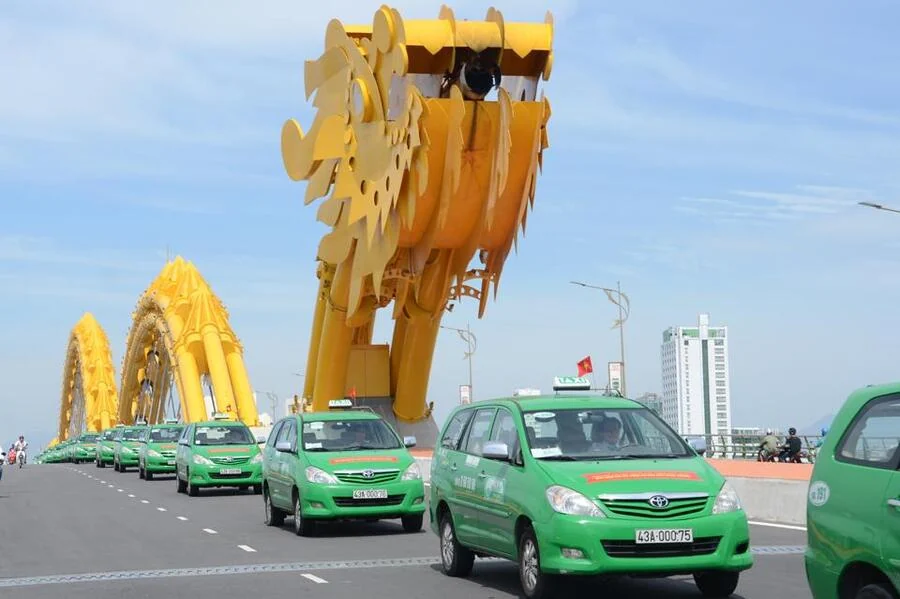
Dragon Bridge crosses the Han River and is one of Da Nang’s most recognizable landmarks. It is illuminated after dark, making it a convenient addition to an evening in the city center.
The bridge’s fire-and-water performance is traditionally scheduled for 9:00 PM on Friday, Saturday and Sunday, although the schedule may change during special events or operational adjustments.
There is generally no admission fee for viewing the bridge from public areas.
Where to watch
The eastern riverbank along Tran Hung Dao Street provides a relatively close view of the dragon’s head. The western riverbank around Bach Dang Street offers a wider view of the bridge and skyline.
Arrive around 8:15–8:30 PM on a normal weekend if you want time to find a suitable spot. Allow more time during holidays or major events.
Practical tips
The performance is brief, so arriving at the last minute may leave you with a poor view. If you choose a river cruise or rooftop venue, check whether reservations are required and confirm that the viewing angle faces the dragon’s head.
Traffic restrictions can affect the roads near the bridge. Walking from a nearby restaurant or hotel is often easier than driving into the area just before the performance.
7. Han Market and Con Market: Shopping and Local Food
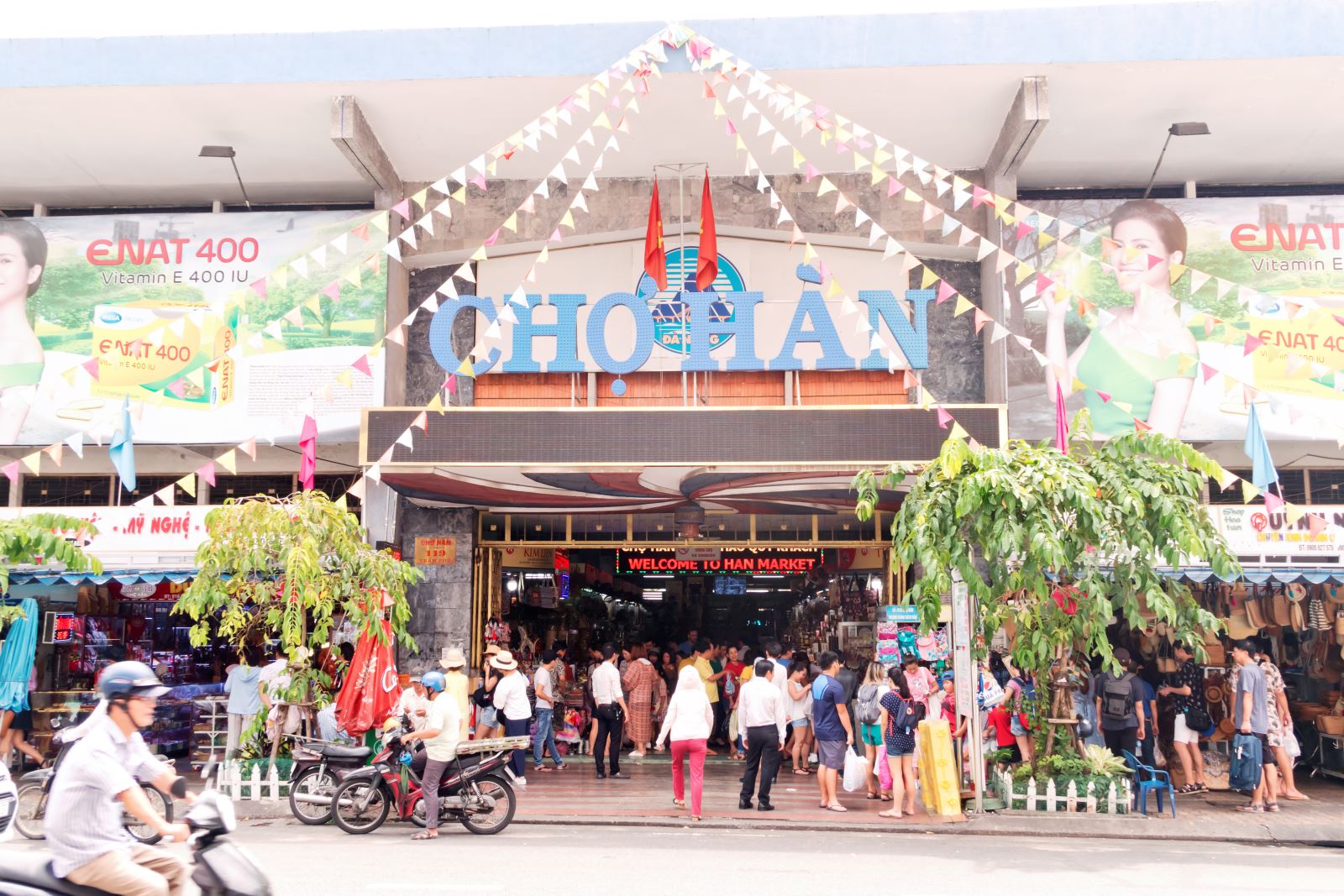
Han Market is a central shopping destination for coffee, packaged snacks, dried seafood, souvenirs and clothing. Con Market is especially useful for visitors interested in local food stalls and casual Vietnamese dishes.
Both markets are generally free to enter. Your costs depend on what you buy or eat.
Many vendors operate during the daytime, with food stalls often busiest in the morning and around lunchtime. Individual stalls have different schedules, so arrive earlier if you have specific dishes in mind.
Getting there
Han Market is close to the Han River and other central attractions. Con Market is also accessible by taxi or Grab from most city-center hotels.
Practical tips
Ask the price before ordering seafood or buying products without displayed prices. Compare a few stalls before purchasing several gifts, and check packaging and expiry dates on food products.
Bring small cash denominations and keep your belongings secure in crowded aisles. For food, choose busy stalls where dishes are prepared regularly, and ask about ingredients if you have dietary restrictions.
8. My Khe Beach: Free Access and Swimming Safety
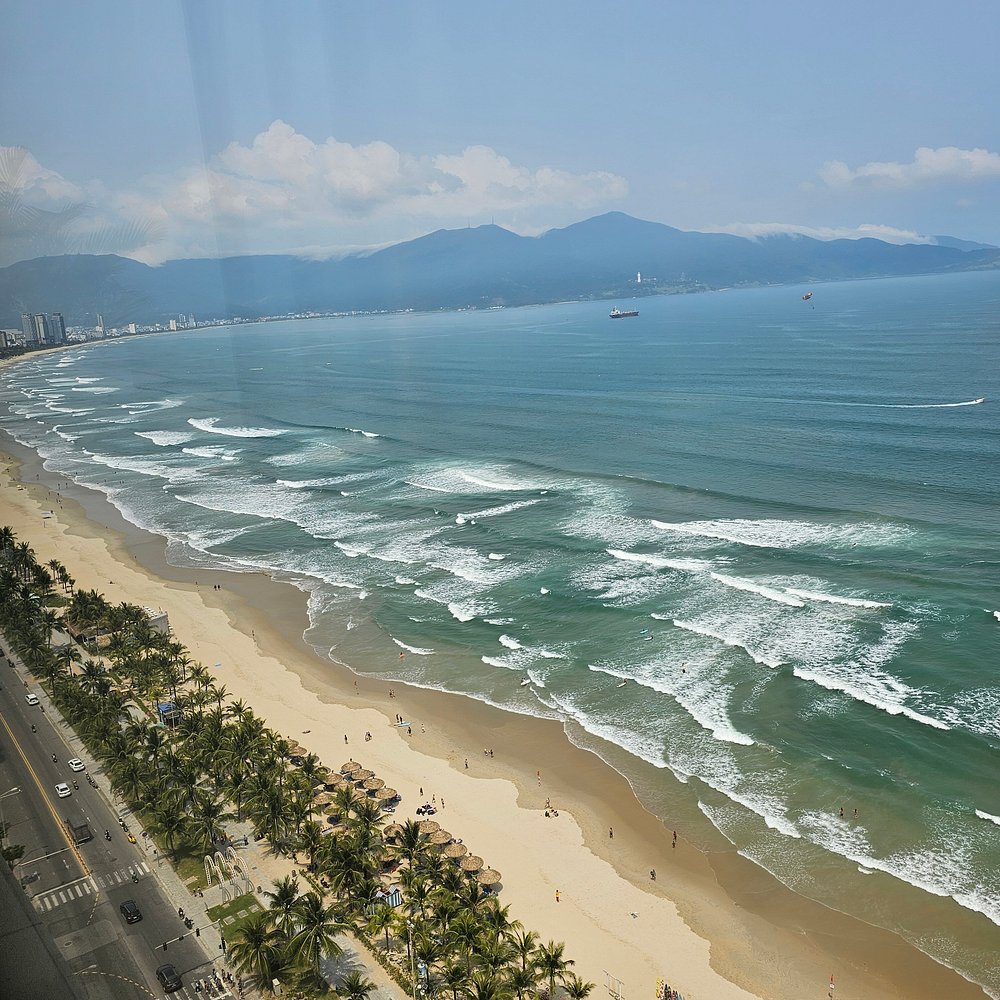
My Khe Beach is one of the easiest attractions to visit independently. The public beach generally has no entrance fee, although charges may apply for equipment rental, water sports or other services.
Early morning and late afternoon are usually the most comfortable times for walking. Midday sunlight can be intense, particularly during hotter months.
Transportation and safety
Visitors staying nearby can walk to the beach. From central Da Nang, a taxi or Grab ride is usually straightforward.
Swimming conditions depend on waves, currents and weather. Follow lifeguard instructions and local warning flags, and do not assume the sea is safe simply because other people are swimming.
Families should choose designated swimming areas where lifeguards are present when operating. Keep valuables secure and avoid leaving belongings unattended while swimming.
9. Hai Van Pass: Allow Time for the Mountain Road
Hai Van Pass is a scenic mountain route connecting the Da Nang area with the region toward Hue. It offers coastal views, forested slopes and viewpoints overlooking the sea.
Unlike a ticketed attraction, the pass is primarily a road journey. Your costs depend on transportation and whether you choose a guided excursion or additional stops.
Getting there
A car with a driver or an organized tour is convenient for visitors who want to enjoy the scenery without concentrating on the road. Motorbike travel is suitable only for riders who have the appropriate legal documents and are comfortable with mountain roads.
Allow at least half a day if you want to stop for photographs and appreciate the views.
Practical tips
Mist and rain can reduce visibility, and road conditions may change quickly. Avoid rushing, and never stop in an unsafe roadside location to take photographs.
If you are continuing to Hue, plan the pass as part of your onward journey. Extensive sightseeing and a long drive are difficult to combine with a tight arrival deadline.
A Practical Three-Day Da Nang Itinerary
Grouping nearby attractions reduces unnecessary travel and leaves more time for sightseeing.
Day 1: Central Da Nang
Visit the Museum of Cham Sculpture in the morning, then explore Han Market or Con Market for shopping and lunch. Spend the late afternoon at My Khe Beach. If your visit falls on a Friday, Saturday or Sunday, finish with the Dragon Bridge performance after confirming the current schedule.
Day 2: Marble Mountains and Son Tra
Visit Marble Mountains early in the morning. After lunch, head toward Son Tra Peninsula and Linh Ung Pagoda. If you want to explore several viewpoints, leave enough time for the drive and check road access before departing.
Day 3: Choose Ba Na Hills or Hoi An
Choose Ba Na Hills for cable cars, mountain scenery and entertainment facilities. Choose Hoi An for historic architecture, local food and lantern-lit streets.
Trying to visit both destinations in one day usually creates a rushed schedule and leaves little time to enjoy either one.
Final Thoughts
Da Nang is easier to explore when you plan around actual travel times, ticket conditions and opening hours instead of trying to fit every attraction into a single day.
For a first visit, Marble Mountains, Son Tra Peninsula, the Museum of Cham Sculpture, My Khe Beach and Dragon Bridge provide a useful introduction to the city. Ba Na Hills deserves a full day, while Hoi An is best enjoyed with enough time to explore after sunset.
Reconfirm prices, operating hours and performance schedules before departure, particularly during public holidays or periods of unusual weather. Decide which days require a private vehicle and which destinations are easy to reach with a short taxi or Grab ride.