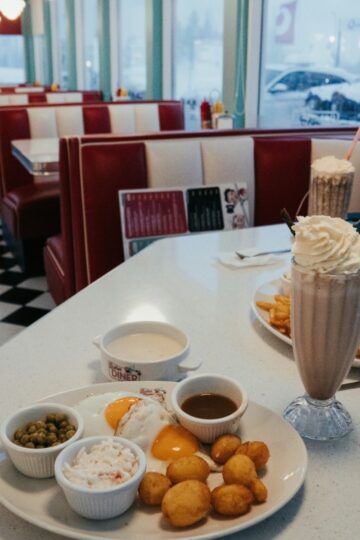

Local food offers one of the easiest ways to understand a destination. A neighborhood bakery, seasonal fruit stand or family-run lunch counter can reveal more about daily life than a packed sightseeing schedule.
If food is a major part of your travel plans, these tips pair well with a guide to regional food tours across the USA. Use them to build meals around local ingredients while leaving room for unexpected finds.
Scout Regional Produce at Neighborhood Markets
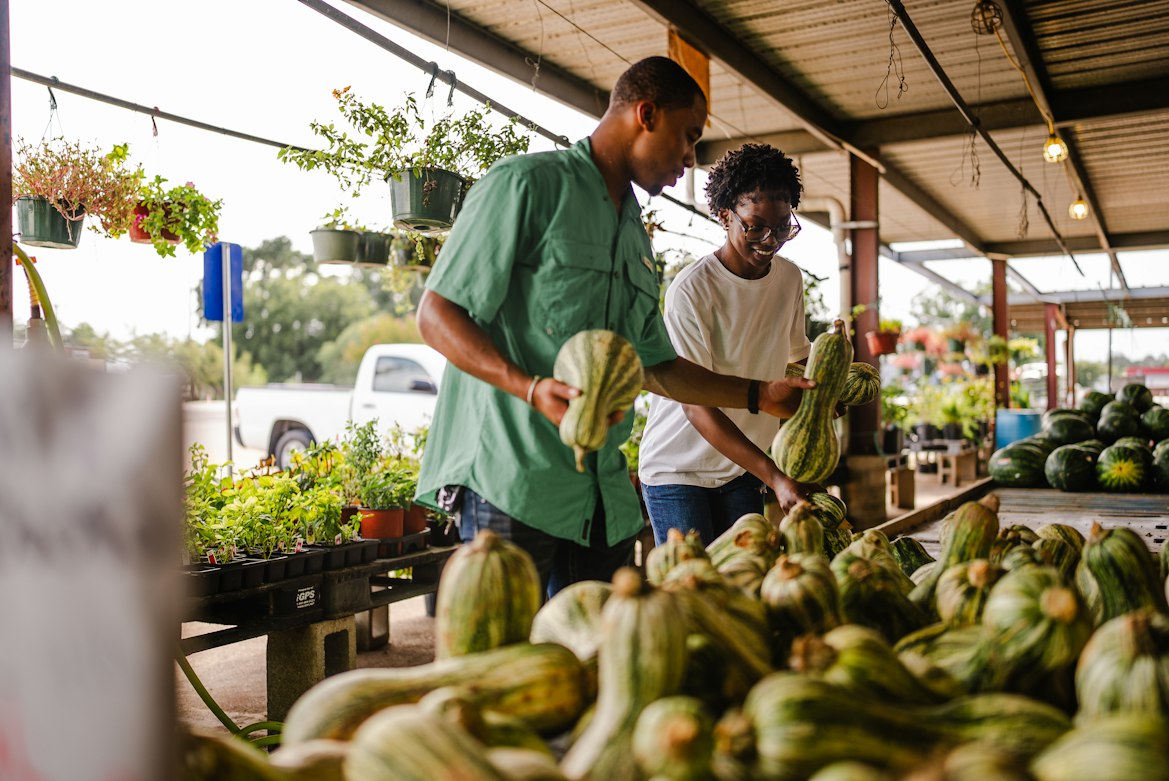
Visit a neighborhood market early in your trip, ideally on the first full morning. This gives you time to learn what’s in season and use your purchases before checkout. Look for items that need little preparation, such as berries, peaches, tomatoes, bread and local cheese.
Seasonal ingredients often spend less time in storage and can offer better flavor. This overview of fresh local ingredients explains how sourcing close to home can support freshness and quality.
Walk through the entire market before buying anything. Then return to the stalls that looked busiest with residents. Ask vendors what they’re eating that week or which variety has the best flavor right now.
Balance Restaurant Dining With In-Room Prep
Plan one restaurant meal each day and keep the others flexible. Breakfast might be market fruit with yogurt, while lunch could involve fresh bread and a prepared salad from a nearby shop. This approach leaves more of your budget for a memorable dinner and helps prevent restaurant fatigue.
Accommodations with real kitchen facilities make this easier. In Charleston, The Pinch offers suites with fully equipped kitchens, along with a curated minibar for convenient snacks and drinks. When comparing places to stay, check for a refrigerator, basic cookware, dishes and nearby grocery options. Even a small kitchen can turn market finds into a relaxed breakfast or late supper.
Choose Properties Featuring Premier On-Site Eateries
An excellent on-site restaurant adds flexibility without making your trip feel confined to the hotel. It’s especially useful after a late arrival, during bad weather or on an evening when your feet need a break. Before booking, read the current menu and check whether the restaurant highlights regional produce, local seafood or dishes connected to the destination.
Look beyond polished dining-room photos. Confirm opening days, reservation policies and serving hours because hotel restaurants may close between lunch and dinner or operate on a limited weekly schedule. If the menu changes seasonally, that’s often a promising sign. Make one reservation for your arrival night, then keep later evenings open for neighborhood discoveries.
Ask Neighborhood Purveyors for Hidden Gems
The best dining suggestions often come from people who work with food every day. Ask a cheesemonger where to buy good bread, speak with a coffee shop employee about lunch spots or request a dinner recommendation from a market vendor. Keep the question specific: “Where would you go for a quick weekday lunch nearby?” tends to produce more useful answers than asking for the best restaurant in town.
Advice on eating like a local also favors places serving a steady local crowd. Check opening hours before heading out since small businesses may close early, take a midday break or operate only on certain days. Save two recommendations so you have a backup.
Pack Smart for Culinary Souvenirs
Leave a little room in your luggage for food gifts, then pack a few supplies to protect them. Reusable silicone bags help contain crumbs or minor leaks, while clean socks can cushion jars. Choose sturdy products such as wrapped candy, spice blends, tea, coffee beans and sealed preserves.
Check transportation and destination rules before buying fresh produce, dairy products or other restricted foods. Keep receipts and original labels in case an item needs to be identified during an inspection. Temperature-sensitive purchases should usually be enjoyed during the trip instead of carried home.
Pick one souvenir with a clear connection to a meal you loved, such as the spice blend from a market dish or coffee from your favorite morning stop. That small purchase will bring the destination back to your kitchen long after the suitcase is unpacked.