
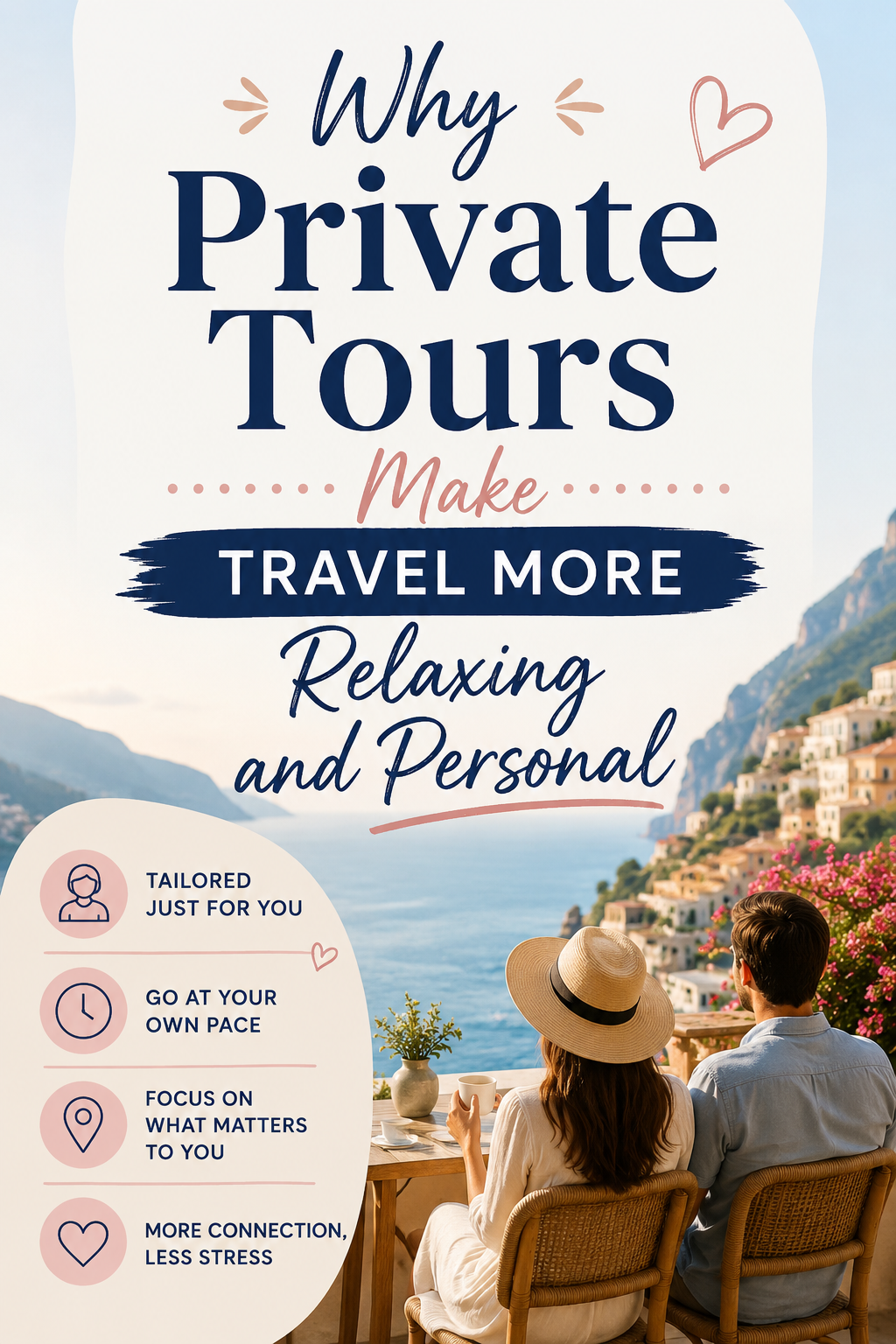
Travel can strain the nervous system long before the first photo, with packed schedules, noise, heat, and constant decisions. Private tours reduce that strain by simplifying timing and expectations.
One guide, one vehicle, one group, and fewer microchoices can steady mood and attention. With less rushing and fewer interruptions, travelers often stay more present, sleep better, and feel closer to the people sharing the day.
Less Planning, More Breathing Room
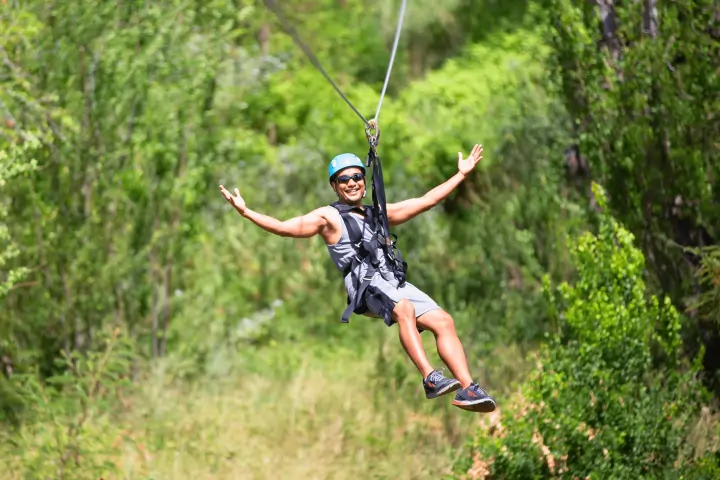
Before the first stop, mental load matters as much as mileage. Many groups find that Hawaii private tours help by keeping pickup, routing, and timing under one plan, so our group is not splitting attention between maps, parking, and reservations.
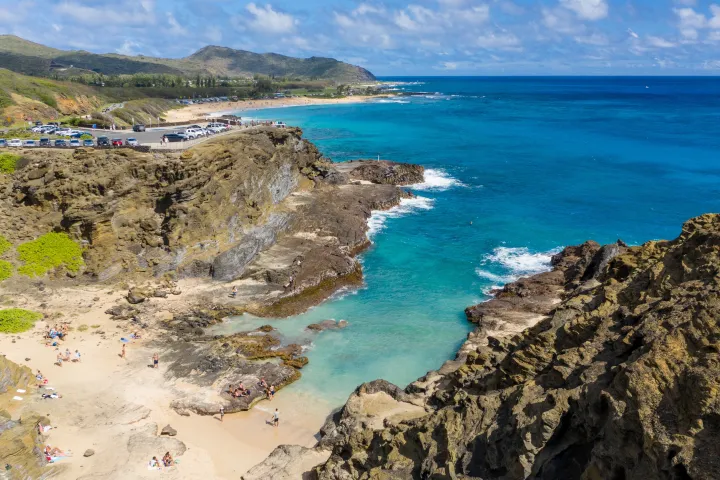
That lower cognitive demand leaves more bandwidth for scenery, conversation, hydration, and steady pacing, which often keeps stress hormones from spiking.
Pacing That Matches Real Energy
Energy is not linear on a trip. Sleep loss, sun exposure, and motion can shift appetite and patience within hours.

A private itinerary can pause longer at a viewpoint, then shorten a stop that feels crowded or noisy. Fewer clock pressures also reduce the breathless, hurried feeling that raises heart rate. With steadier timing, the day can feel richer, even with fewer locations.
Fewer Crowds, Fewer Frictions
Shared tours require constant negotiation, bathroom timing, photos, snacks, and how long to linger. A private setting narrows those variables to one party, which often lowers tension fast.

Arrival times can be chosen to avoid peak lines, loud buses, and tight sidewalks. That quiet space supports better conversation, clearer photos, and less sensory overload, especially for kids or anyone prone to headaches.
Comfort That Protects Mood
Physical ease shapes memory and patience. A private vehicle lets the group manage temperature, seating, music level, and stop frequency, which helps keep irritability from building.
Door-to-door pickup reduces walking strain, parking stress, and wrong turns that burn energy. When bodies stay regulated, decisions feel lighter, and minor setbacks are less likely to turn into conflict.
A Guide Who Learns the Group
With one consistent guide, patterns become obvious. Signs of fatigue, low blood sugar, or heat stress show up in posture, speech, and attention. That awareness helps transitions go smoother between viewpoints, meals, and short walks.
Trust also builds because guidance stays aligned with stated preferences, rather than being reset at every stop. The experience feels supported, not managed.
Health and Recovery Benefits
Lower stress during outings can protect sleep, digestion, and immune response while away from home. Rushing and noise can push cortisol higher, which may worsen reflux, tension headaches, or jaw clenching.
Predictable breaks support hydration, steadier glucose, and safer sun exposure. When recovery improves overnight, the next morning starts stronger, so the whole trip feels easier on the body.
Smarter Break Timing
Well-timed pauses can prevent headaches, nausea, and irritability, especially after heat or long drives. Short rests give the nervous system a chance to downshift, which supports steadier breathing and better focus.
Planned stops also reduce impulse snacking that follows exhaustion. Those small choices often protect group mood, so disagreements are less likely to flare during the afternoon.
Movement Without Overdoing It
A private plan can mix short walks with scenic drives so joints and tendons are not overworked. Optional activities help each person respect their own fitness level without embarrassment.
Flexibility also protects people with knee pain, low back stiffness, or prior injuries. Better load management usually means less soreness at night, plus more stable sleep and energy the next day.
Better Memories, Fewer Regrets
Regret often comes from feeling hurried or pulled in different directions. Private touring reduces that by aligning the day with shared priorities, whether those are history, nature, food, or photos.
When choices feel intentional, the brain stores the experience, rather than the stress response around it. That shift can make the travel story warmer and easier to revisit with gratitude.
Conclusion
Private tours feel restorative because they remove the friction points that strain attention and mood. A calmer pace, fewer strangers, and a guide who adapts to the group can protect energy across the day. P
hysical comfort supports patience, and patience supports better choices, from hydration to sun safety to meal timing. For many of us, that combination turns travel from a checklist into a personal experience worth repeating.