

Planning a trip to Peru often comes with one big question: should you stay in Cusco or the Sacred Valley? While both destinations are rich in history, culture, and breathtaking scenery, they offer very different experiences for travelers. Understanding the differences can help you create the perfect Peru itinerary.
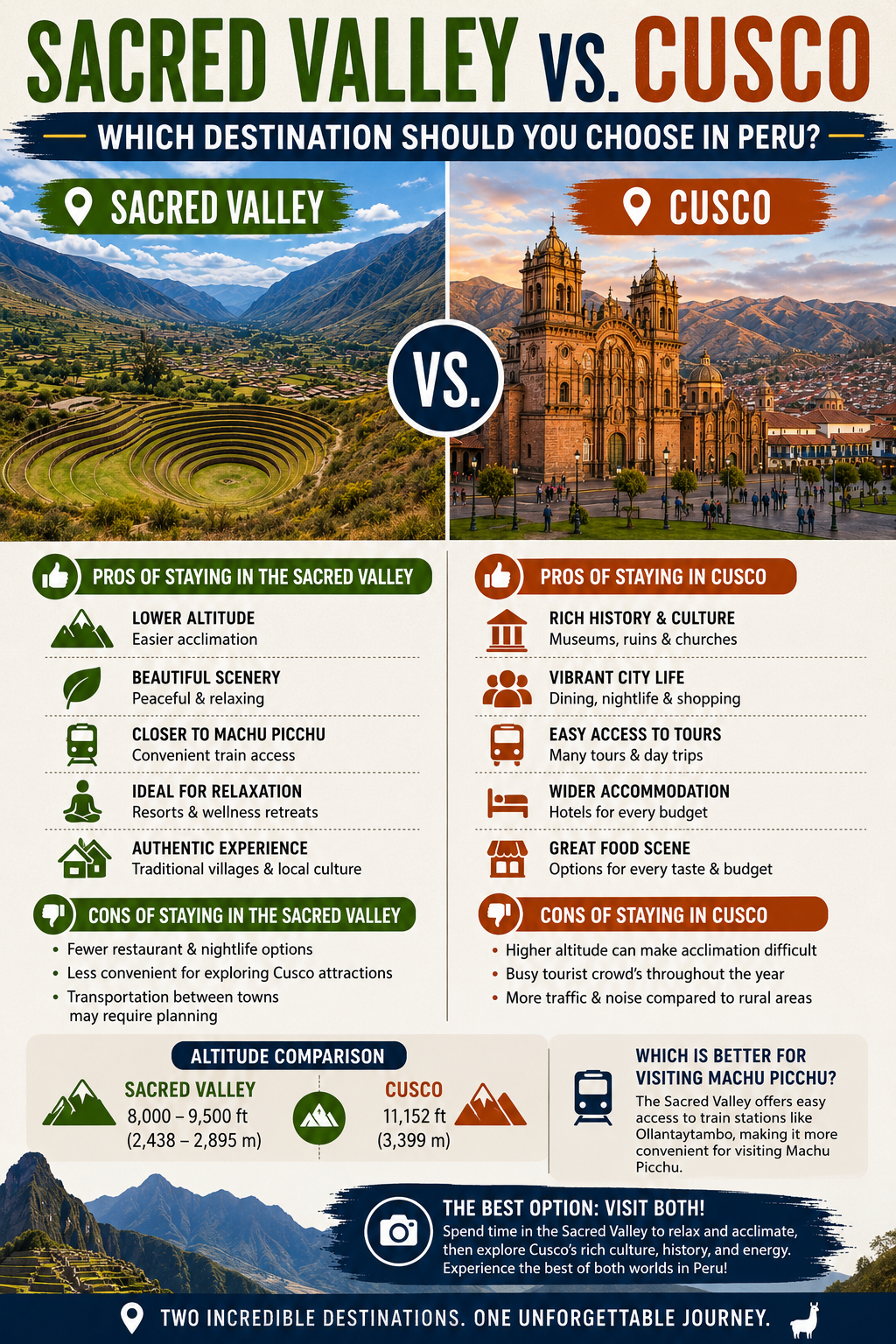
The Peru Group Trips by Indus Travels, stand out as most of their curated itineraries cover both Cusco and Sacred Valley, giving the travellers the best of both worlds. Cusco is a buzzing, historic mountain city built on monumental Inca stones and draped in Spanish colonial architecture. The Sacred Valley, stretching out just beneath it, is a tranquil oasis of winding rivers, terraced agricultural marvels, and sleepy traditional towns.
Where Is Cusco?
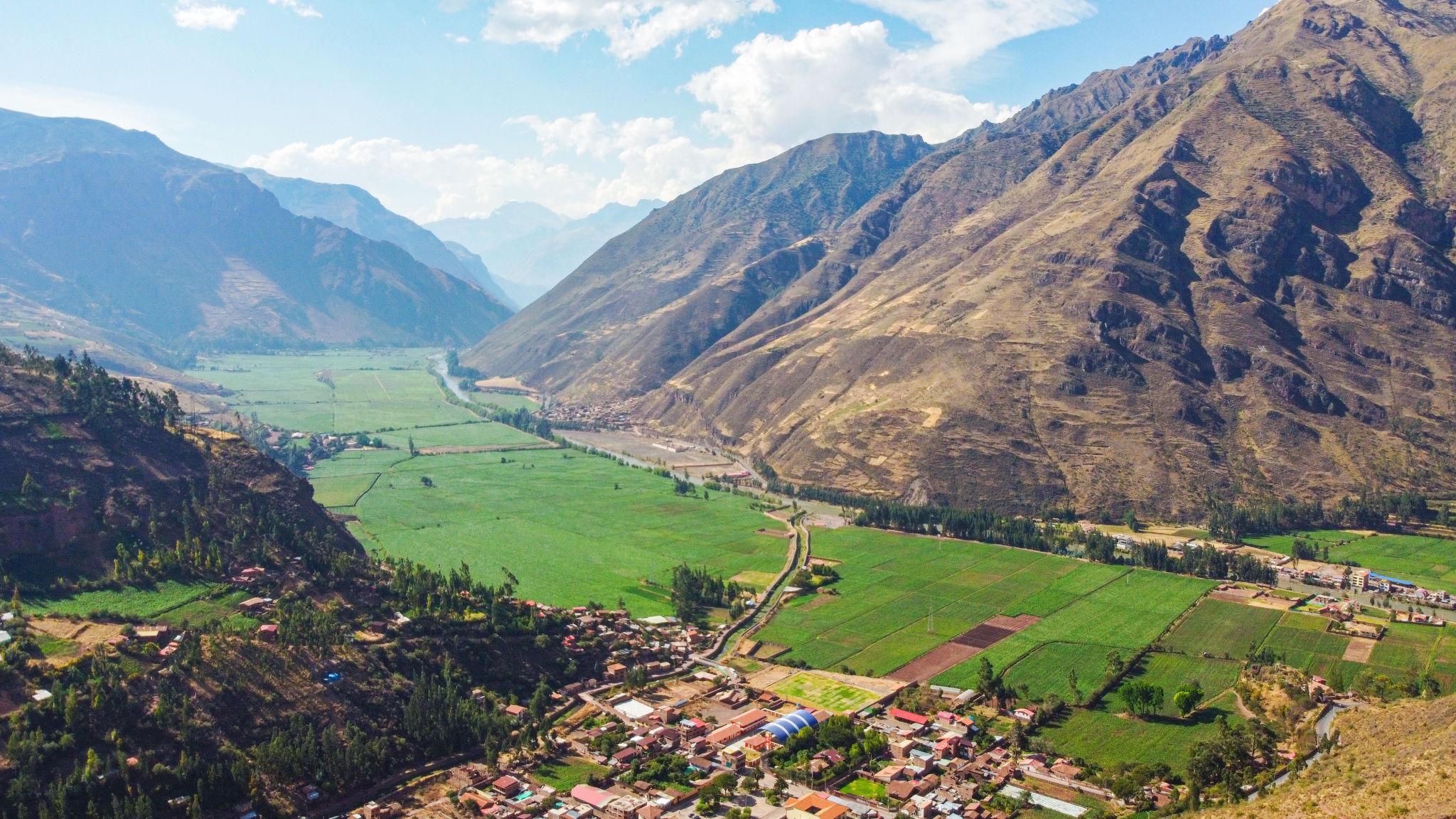
Cusco sits high in the Andes Mountains at an elevation of approximately 11,152 feet (3,399 meters). Once the capital of the Inca Empire, the city serves as the gateway to many of Peru's most famous attractions, including Machu Picchu.
Cusco is known for its cobblestone streets, vibrant markets, colonial architecture, and lively atmosphere. Travelers can spend days exploring museums, ancient ruins, local restaurants, and colorful plazas.
Pros of Staying in Cusco
- Large selection of hotels, hostels, and restaurants
- Rich cultural and historical attractions
- Vibrant nightlife and shopping
- Easy access to tours and transportation
- Plenty of dining options for every budget
Cons of Staying in Cusco
- Higher altitude can make acclimation difficult
- Busy tourist crowds throughout the year
- More traffic and noise compared to rural areas
What Is the Sacred Valley?
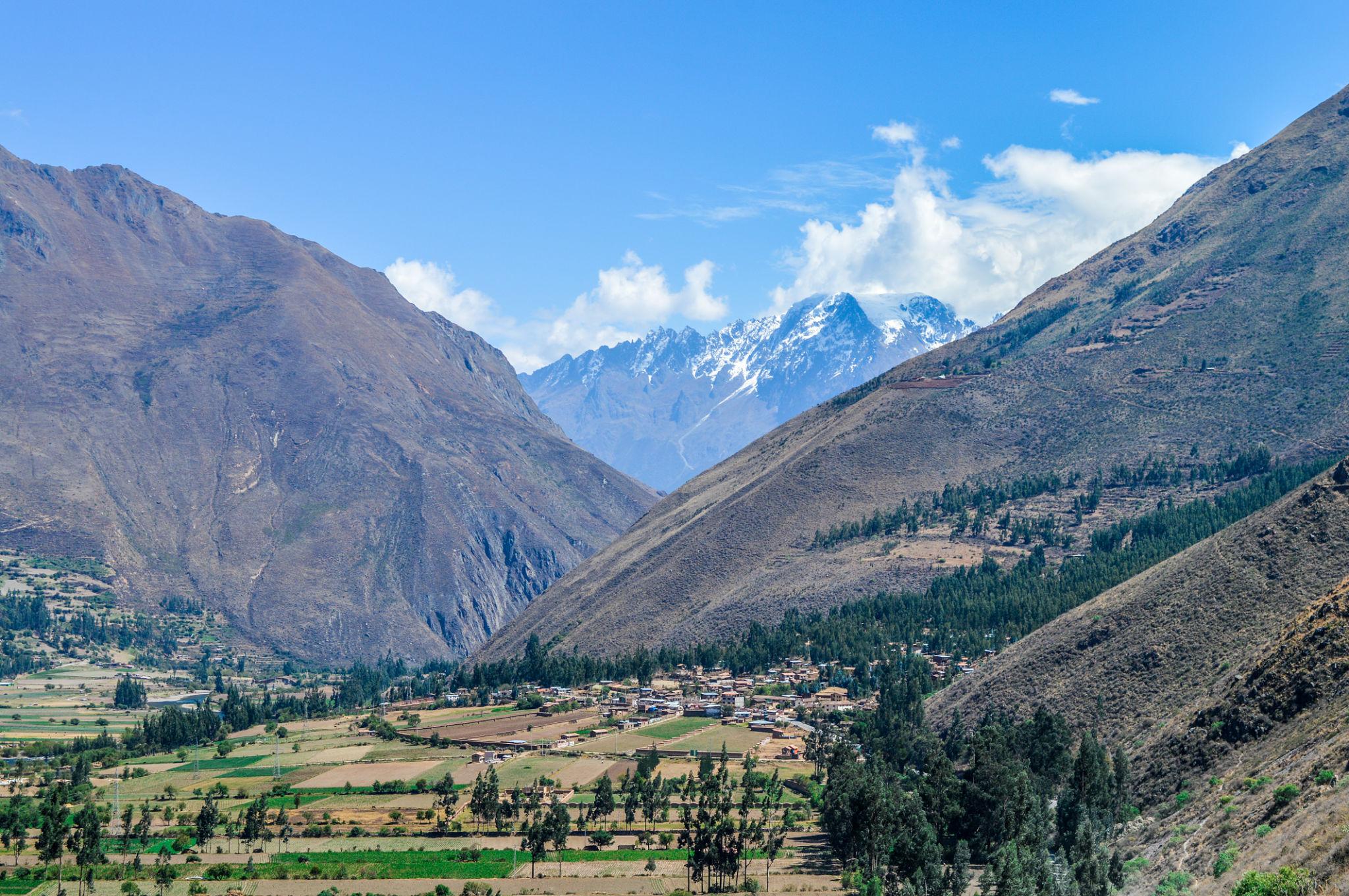
Sacred Valley stretches between Cusco and Machu Picchu, following the Urubamba River through picturesque villages and ancient Incan sites.
When it comes to boarding the train to Machu Picchu, both options are connected, but the Sacred Valley holds a distinct edge. The primary train station for both PeruRail and Inca Rail is located right in Ollantaytambo (in the heart of the Sacred Valley). If you stay in the valley, you can head directly to the station without a massive morning commute.
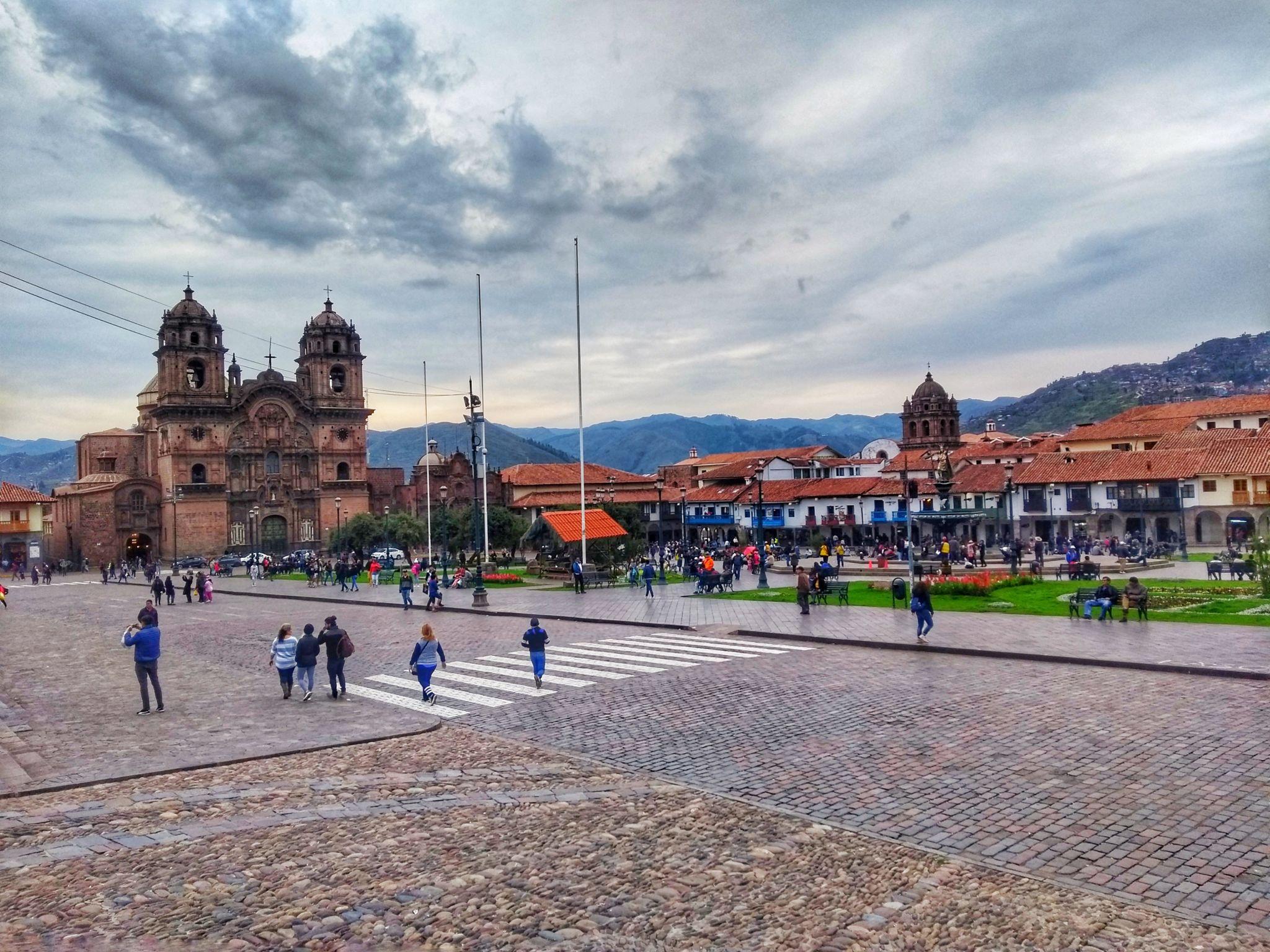
The Sacred Valley sits at a lower elevation than Cusco, making it an attractive option for travelers concerned about altitude sickness. The region is home to charming towns like Ollantaytambo, Pisac, and Urubamba.
Visitors will find stunning mountain landscapes, traditional markets, luxury resorts, and impressive archaeological sites.
Pros of Staying in the Sacred Valley
- Lower elevation for easier acclimation
- Peaceful atmosphere and beautiful scenery
- Closer to some Machu Picchu train stations
- Authentic village experiences
- Excellent luxury resorts and wellness retreats
Cons of Staying in the Sacred Valley
- Fewer restaurant and nightlife options
- Less convenient for exploring Cusco attractions
- Transportation between towns may require planning
Altitude: A Major Factor
One of the biggest differences between Cusco and the Sacred Valley is elevation.
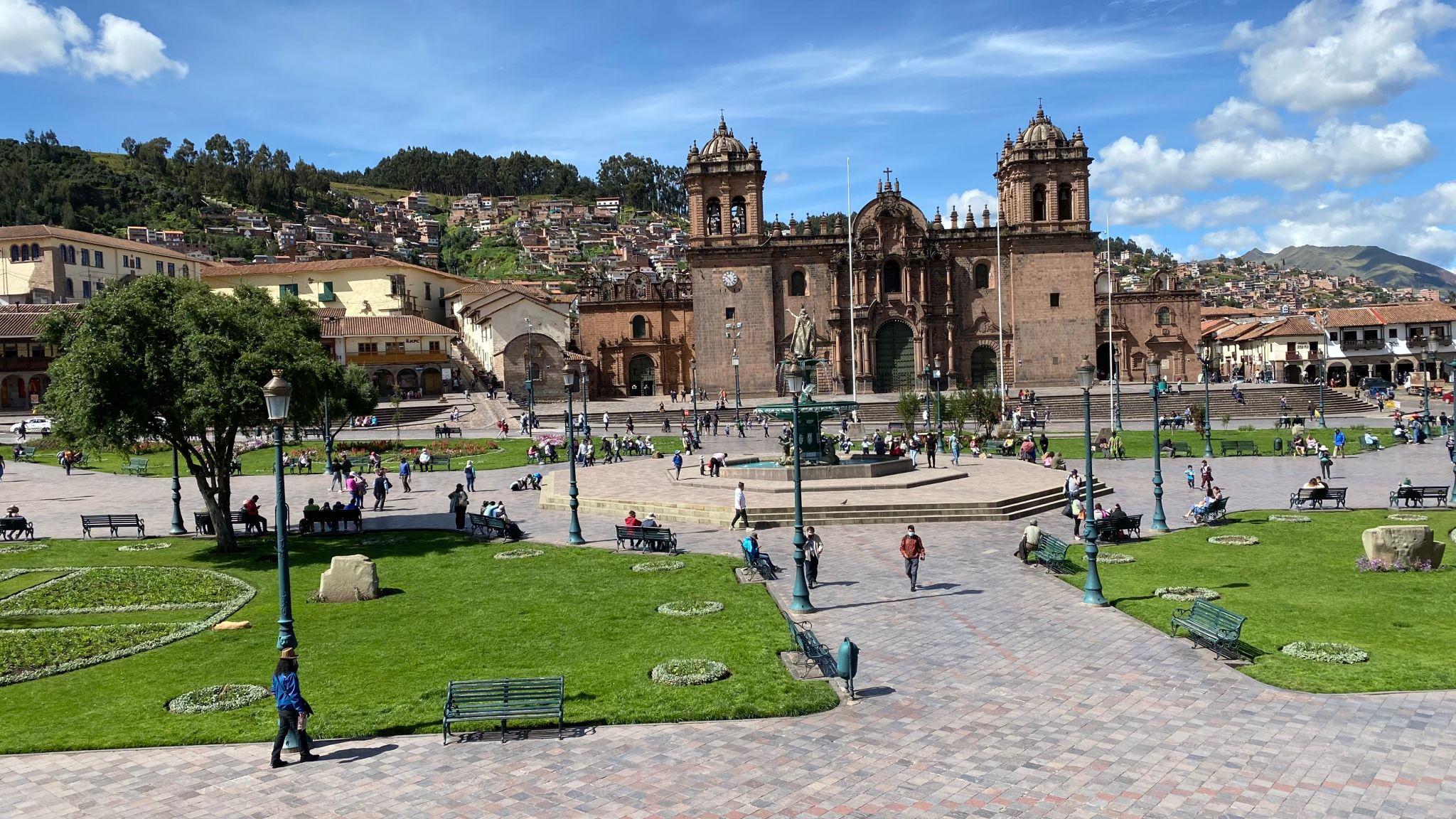
Cusco sits over 11,000 feet above sea level, while many Sacred Valley towns range between 8,000 and 9,500 feet. Travelers who are sensitive to altitude often find the Sacred Valley a more comfortable place to spend their first few days in Peru.
If you're concerned about altitude sickness, many travel experts recommend flying into Cusco and immediately transferring to the Sacred Valley before returning to Cusco later in your trip.
Which Is Better for Visiting Machu Picchu?
For travelers focused primarily on visiting Machu Picchu, the Sacred Valley offers a convenient base.
Towns such as Ollantaytambo provide easy access to train stations that connect directly to Machu Picchu. This can reduce travel time and make early morning departures much easier.
Cusco is still a popular starting point, but visitors should expect a longer journey to reach the train stations or archaeological park.
Culture and History
Both destinations are steeped in Incan history.
Cusco offers iconic sites such as:
- Qorikancha Temple
- Sacsayhuamán Fortress
- Plaza de Armas
- San Pedro Market
The Sacred Valley features:
- Ollantaytambo Ruins
- Pisac Archaeological Park
- Maras Salt Mines
- Moray Agricultural Terraces
History enthusiasts often find that combining both destinations provides the most complete understanding of Peru's fascinating past.
Who Should Stay in Cusco?
Cusco is ideal for:
- First-time visitors to Peru
- Food lovers and nightlife enthusiasts
- Travelers who enjoy museums and city exploration
- Those wanting easy access to tours and transportation
Who Should Stay in the Sacred Valley?
The Sacred Valley is perfect for:
- Travelers seeking relaxation
- Luxury resort guests
- Photographers and nature lovers
- Visitors concerned about altitude sickness
- Those planning multiple days of hiking and outdoor adventures
The Best Option: Visit Both
If your schedule allows, the ideal Peru itinerary includes both Cusco and the Sacred Valley. Spend a few days in the Sacred Valley to acclimate and explore its stunning landscapes before moving to Cusco for its vibrant culture and historical attractions.
By combining both destinations, you'll experience the best of Peru's rich heritage, breathtaking scenery, and unforgettable adventures.
Final Thoughts
When comparing Sacred Valley vs Cusco, there isn't a single right answer. Cusco offers history, culture, and energy, while the Sacred Valley provides tranquility, beautiful landscapes, and easier acclimation to Peru's high altitudes.
For most travelers, the perfect solution is not choosing one over the other—it's experiencing both.