

Planning a trip is mostly the fun stuff — flights, where to stay, what to see, figuring out a budget, and getting travel insurance. Nobody's sitting there thinking about worst-case scenarios while booking a beach house.
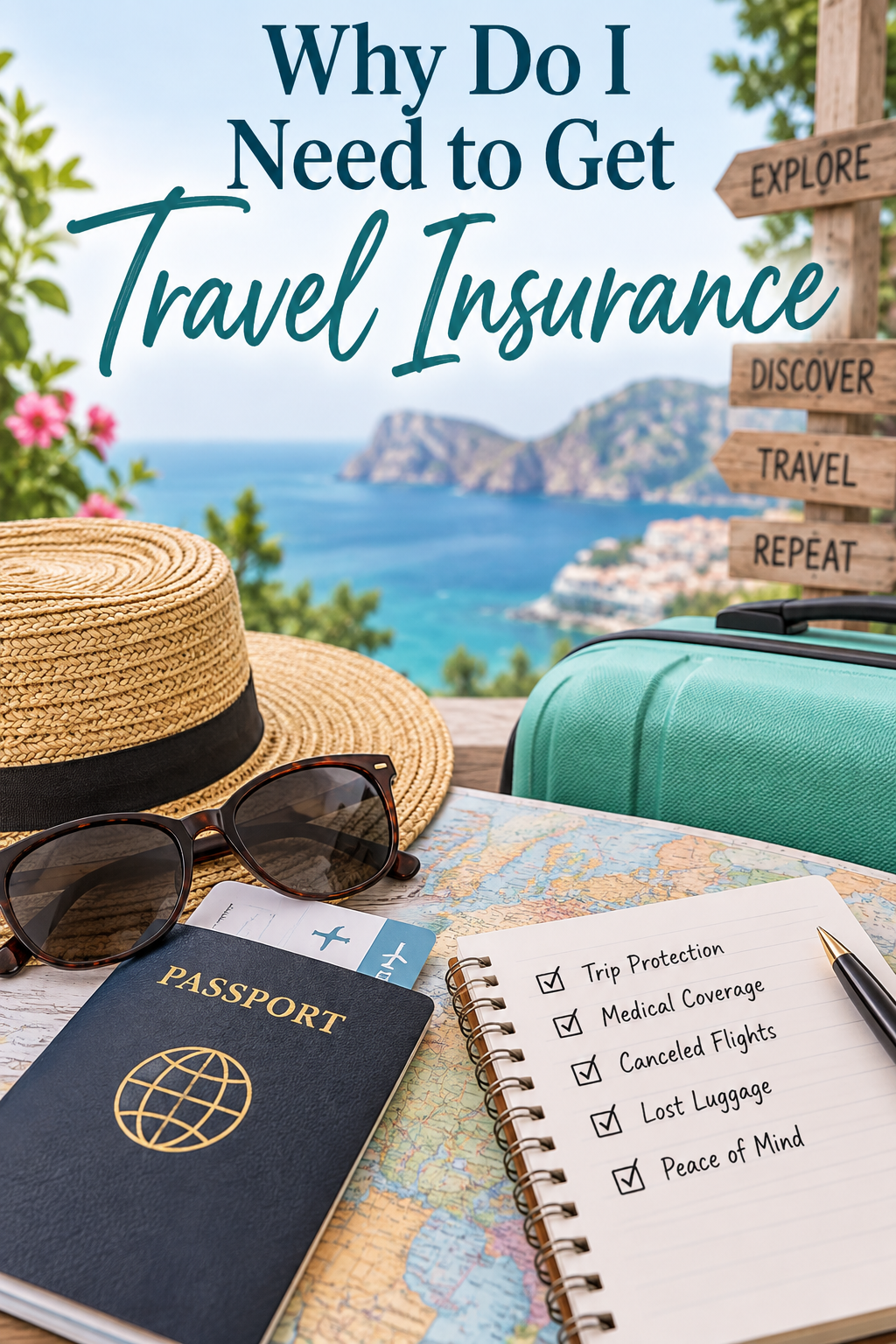
But things go sideways sometimes, even on trips planned down to the last detail. Someone gets sick. A flight gets cancelled. A bag goes missing. That's really the whole reason travel insurance exists.
Travel Insurance won't fix everything, though — that's important to say upfront. What actually gets covered depends entirely on the policy, its limits, its exclusions, and what actually happened. So it's worth actually understanding what you're buying before deciding if it's worth it for a specific trip.
Getting Sick or Hurt Abroad and Why Travel Insurance Can Help

This is probably the big one. Medical care outside your home country can get expensive fast, and your regular health insurance usually just... doesn't follow you across a border. It stops at home.
Travel insurance can cover emergency treatment, a hospital stay, sometimes even medical evacuation if you're somewhere remote and need to get to real medical care fast. For international trips especially, it's worth actually checking what the medical coverage cap is — and reading the fine print on pre-existing conditions, adventure activities, age limits, all the stuff that can quietly affect whether a claim goes through.
When a Trip Falls Apart Before or During- Travel Insurance to the Rescue

Flights, hotels, tours — a lot of it's non-refundable. If something legitimately unexpected stops you from traveling, or forces you to cut a trip short and fly home early, some policies will actually cover that.
Say you get seriously ill right before departure, or a close family member has an emergency, or something else covered throws the whole trip off — some policies step in there. But cancellation coverage isn't a blank check. What actually "counts" varies a lot between insurers, so don't assume every reason for bailing on a trip is going to get reimbursed. Read the actual policy.
Lost, Stolen, or Delayed Luggage

Bags get delayed. Bags get lost. Sometimes they get stolen. Depending on the policy, insurance can help cover that loss, or at least cover essentials you had to buy while waiting for a delayed bag to show up.
There's usually a cap on how much you can claim, and valuables often have their own separate rules. Keep your receipts — genuinely, just keep them, even if it feels excessive in the moment.
When Everything Just Gets Disrupted
Beyond luggage — flights get delayed, weather messes everything up, plans change on the fly and cost money. Some policies reimburse extra expenses caused by covered delays, and a lot of them include access to an emergency assistance line, which is genuinely useful when you're stuck somewhere unfamiliar trying to figure out what to do next.
How much this actually matters depends a lot on the trip itself. A quick weekend domestic hop carries pretty different risk than a long international trip with three connecting flights.
Evacuation — Worth Thinking About If You're Going Remote
If something serious happens somewhere genuinely remote, getting to proper medical care might mean a helicopter, not a taxi. That's expensive on its own, separate from the actual treatment.
If you're heading somewhere far off the beaten path, or doing something where medical access is limited, it's worth checking specifically whether evacuation's covered, what the limit is, and under what conditions it actually kicks in.
One Size Doesn't Fit All Here
There's no single "right" policy — it really depends on you. Where you're going, your age, how long the trip is, what you're actually doing there, your health, how much money's already tied up in non-refundable bookings.
A quick city break just doesn't need the same coverage as three months backpacking, studying abroad, or hopping between six countries. Before buying something like Heymondo travel insurance, actually compare what's covered — not just the price tag. Medical limits, cancellation terms, baggage coverage, evacuation, exclusions, deductibles, and how painful the claims process actually is — all of that matters more than the number on the sticker.
Actually Read It Before You Go
Insurance softens the blow — it doesn't promise to fix everything. Every policy comes with its own conditions and exclusions buried in there somewhere.
Worth checking too — you might already have some of this covered. Some credit cards and bank accounts throw in limited travel protection automatically, though usually with their own weird conditions attached.
At the end of the day, it comes down to how much risk you're personally okay carrying. For a lot of international trips, having real coverage and travel insurance in place just means one less thing to stress about if something actually goes wrong.