
Flying in a helicopter over Mount Everest has its own beauty. The view of snowcapped peaks, deep valleys, and glaciers you see from high up is amazing.
For photographers and travel enthusiasts, it is a chance to have a lifetime. But to get great shots from that helicopter takes some preplanning and special techniques.
How to Take Great Photos from a Helicopter Over Mount Everest
Here is a very detailed guide to help you out with photography in a helicopter over Mount Everest.
Pick the Best Time for your Flight
Timing is very important for planning a helicopter tour over the top of the Himalayan range of Everest.
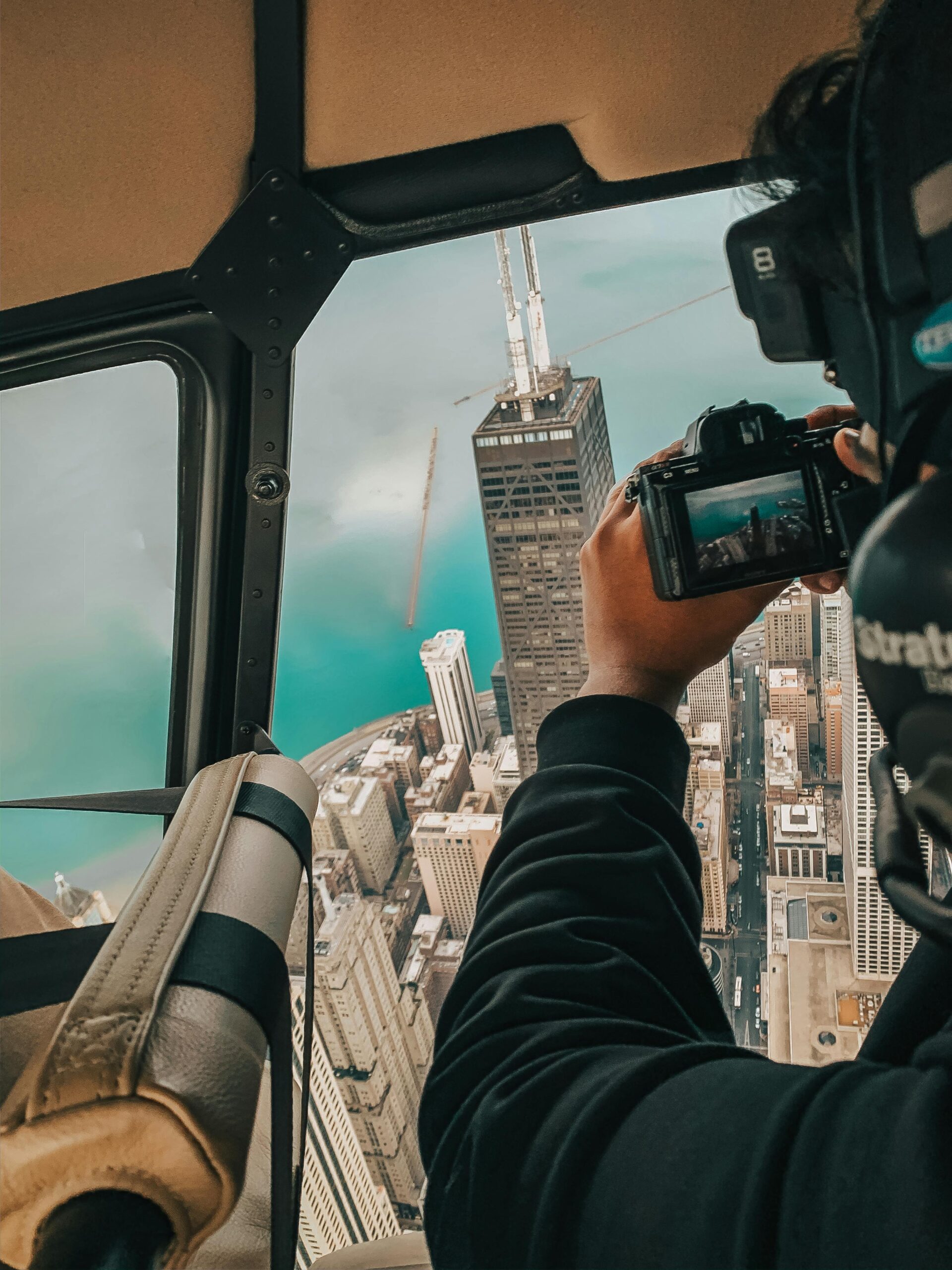
In the early mornings, the skies are the clearest, which will have you in perfect condition for the best photo results. The sun’s angle will cast great shadows over the mountains.
It is best not to do a late afternoon helicopter over Mount Everest as the clouds tend to roll in around the highest points. For clear picture days, which in turn give you sharp and full of color photos of Everest and the outlying peaks.
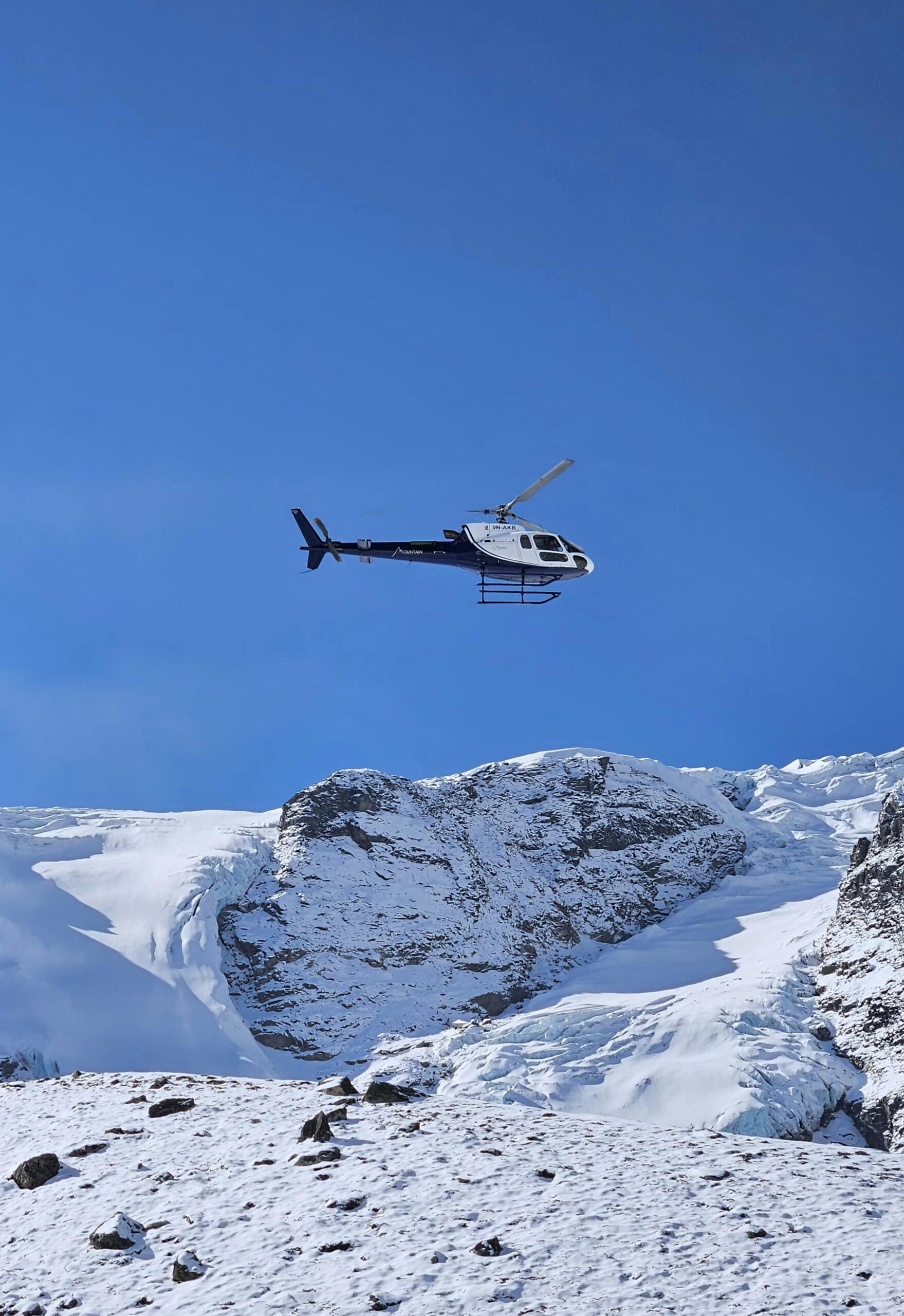
Sunrise flights also present a great opportunity to get that soft, warm light, which in turn brings out the drama in the mountain contours.
You can also choose the Everest Base Camp Trek with Helicopter Return package by clicking on high-quality Everest Region images.
Prepare Your Camera and Equipment
Before you board to take photos in a helicopter over Mount Everest, have your camera gear at the ready. We recommend a DSLR or mirrorless camera that has a fast shutter speed for this action, which is in the air.
Bring a lens that is between 24mm to 70mm, which does well for wide-angle shots and works for some mid-range zoom. If you have a telephoto lens that really extends the reach, go easy with it for details of the peaks and glaciers.
Bring extra memory cards and fully charged batteries, which will see you through the hundreds of shots you will take during the flight.
Sit on the Right Side
If possible, choose your seat wisely. Depending on the flight path, some seats may give you a better view of Mount Everest.
At the time of booking, ask the pilot or your tour operator for help. Sitting by the window and free of any obstructions gives you the best view and reduces interference from the cabin structure.
Master the Technique: Quick Shutter and Stabilization
Helicopters do not stand still, so we use high shutter speeds to avoid blurring. We recommend 1/500 or faster. If your camera has image stabilization, do use it, but do not count on it totally.
Hold the camera close to your body for extra support and brace against the window frame when you can. Also, try out the burst mode feature, which may increase your chance of getting that perfect, sharp, and well-composed picture that isn’t marred by vibration and movement.
Avoid Window Reflections
In the world of helicopter photography, we see great issues with window reflections. We recommend dark clothing to reduce glare, also put the lens as close to the window as you can without contact.
Do away with the use of the camera’s flash, which tends to reflect off the glass. While polarizing filters may at times improve the issue of reflections, they also tend to dim your images if not used properly.
Composition and Perspective Tips
Flying over Everest provides a unique point of view, which is what you should play with. Include in your frame elements like the helicopter’s skids or nearby peaks, which will add depth to the image.
Get wide-angle shots of the mountain along with the surrounding range to show scale, and close-ups of features like crevasses, ridges, and glaciers. Try out different angles and play with various compositions to make your photos stand out.
Post-Processing for Stunning Results
Try out contrast, brightness, and saturation, which in turn will bring out the snow and its true color, and the sky’s.
You may want to try cropping, which in turn will improve the overall composition and sharpen, which in turn will make ridge and peak details stand out.
At the same time, do not go overboard with the editing; the natural beauty of the Everest does best with very subtle touches.
Enjoy the Experience
Get the experience of a lifetime seeing Mount Everest from a helicopter, which is indelible, and at times the best pictures are taken when you let go a bit and just take in the view. Take in both the picture and the note; often it is the experiences that stay with us the longest.