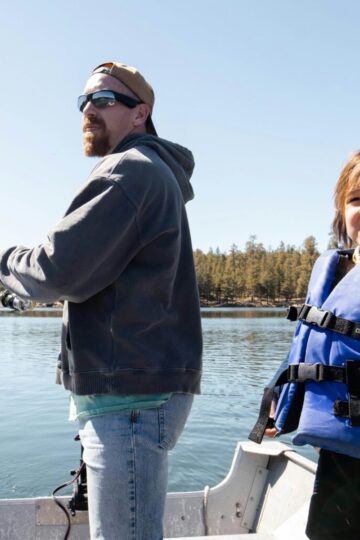

Australia gives families an unusual mix of lively cities, memorable wildlife and outdoor adventures in one vast country. The distances can seem daunting at first, especially when children have different interests and energy levels.

A successful family trip starts with a realistic route, flexible daily plans and enough downtime for everyone to enjoy where they are. These practical tips will help you build an Australia vacation that feels exciting without becoming exhausting.
Picking the Perfect Destination
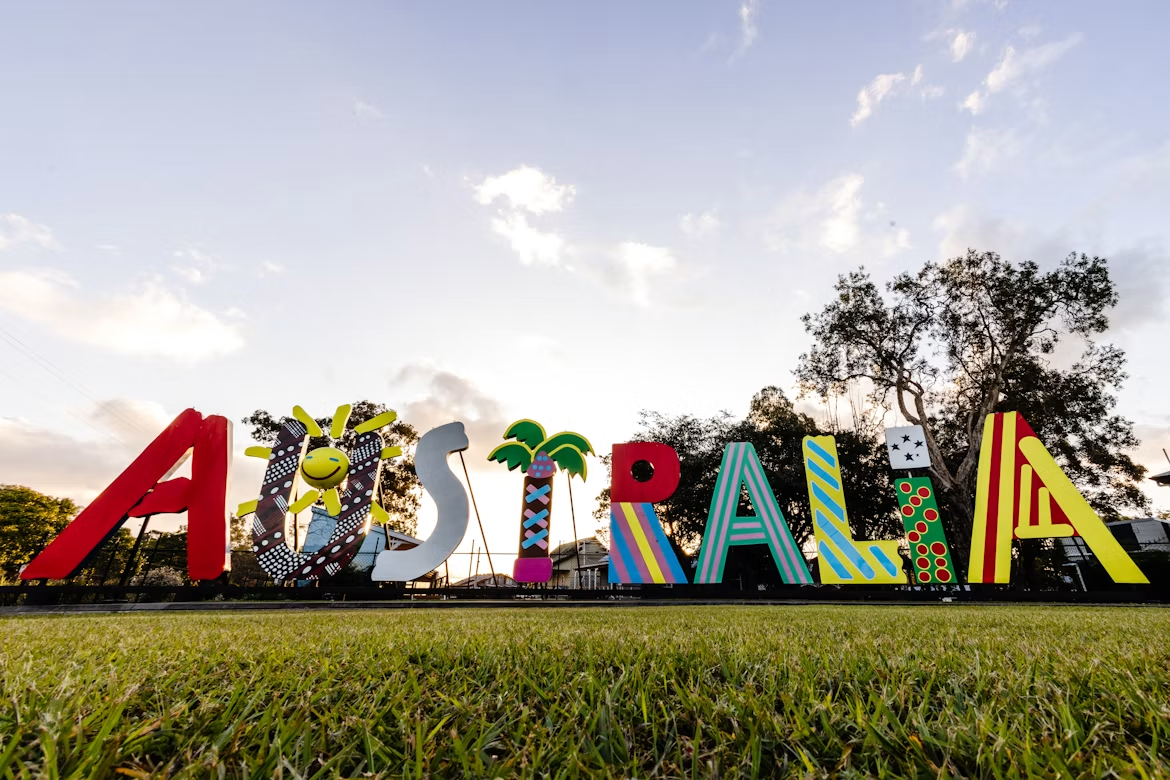
Start by choosing one or two regions that match your family's priorities. Sydney combines famous sights with beaches and easy day trips, while Queensland works well for reef excursions and tropical scenery. Families drawn to wildlife and quieter coastal drives may prefer South Australia or Tasmania.
Check Australia's seasonal weather patterns before setting dates. Seasons run opposite to those in the Northern Hemisphere, and conditions vary widely across the country. Once you've narrowed down the region, compare independent bookings with organised Australia tours, which can bring transportation, accommodations and key stops into one itinerary. Keep school schedules, walking distances and transfer times in mind before committing.
Activities for All Ages
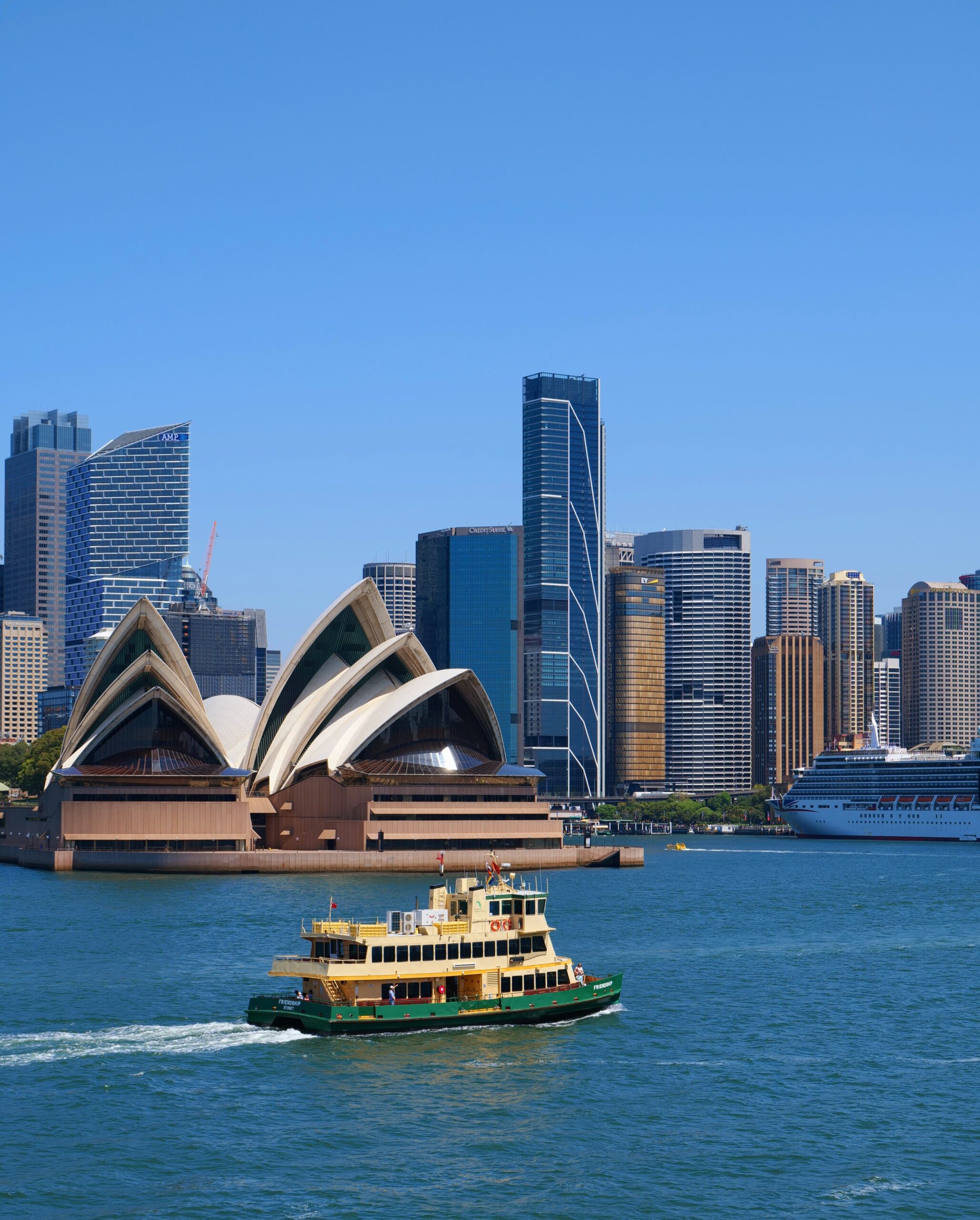
Build each day around one main activity, then leave room for a relaxed meal, a swim or an early night. In Sydney, that might mean a harbour cruise followed by time at a waterfront playground. Near Cairns, families could take a reef trip one day and enjoy a slower nature walk the next.
Look for hands-on attractions where children can move, ask questions and participate. Wildlife centres, science museums and guided cultural experiences often work across age groups. The Good Housekeeping Family Travel Awards offer useful inspiration for active experiences and family-friendly travel services. Before booking, check minimum ages, accessibility details, cancellation terms and how long the outing actually lasts door to door.
Navigating Long-Haul Journeys
A flight to Australia may involve several airports and a major time change, so treat travel days as part of the itinerary. Pick seats early if sitting together matters, pack a change of clothes in each carry-on and download entertainment before leaving home. Snacks, refillable water bottles and familiar comfort items can also reduce stress.

After arrival, keep the first day light. A short walk outdoors helps everyone adjust to local time, but a packed sightseeing schedule often ends in tired children and frustrated adults. If your route includes domestic flights, avoid tight connections. Australia is enormous, and adding a two-night stop can be more enjoyable than losing half a day to airports every other morning.
Simplify Your Adventure Planning
Put every confirmation in one shared digital folder and save offline copies to each adult's phone. Include flight details, accommodation addresses, transfer instructions and insurance information. A simple day-by-day note also helps family members understand what's coming without turning the vacation into a rigid schedule.
Book high-priority experiences first, particularly reef outings, popular wildlife encounters and timed city attractions. Leave some meals and afternoons open for weather changes or unexpected discoveries. When comparing accommodations, look beyond the nightly price. Laundry facilities, a small kitchen and proximity to public transportation may save more time and money than a cheaper room far from the places you plan to visit.
Creating Lasting Memories
Give every family member a small role in the trip. One child might choose a breakfast spot, while another keeps track of wildlife sightings. Older children can help follow a walking route or photograph each day's favourite moment. Shared responsibility makes the experience feel personal and keeps everyone involved.
Try collecting details that won't appear on a standard souvenir shelf. Record a funny phrase from the day, save a transit ticket or ask each person to name one surprise at dinner. Once home, turn those pieces into a small photo book or map your route on a poster. Years later, the family may remember the unexpected beach picnic or sleepy ferry ride more clearly than the biggest attraction.