
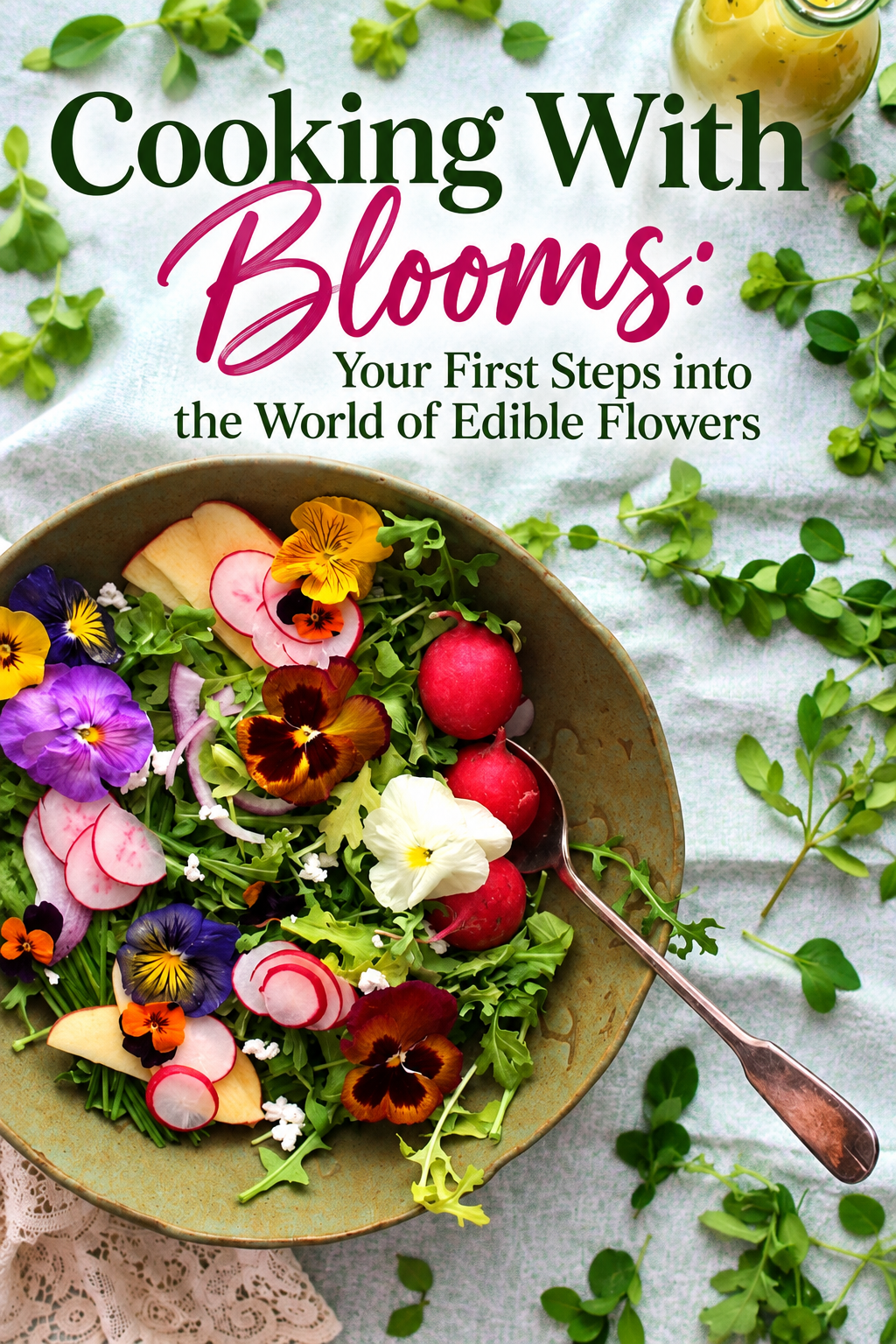
Edible flowers add color, aroma, and unexpected flavor to dishes – and over 100 species qualify as safe to eat, according to the Royal Horticultural Society. Whether you live in Dubai Marina or Abu Dhabi's Saadiyat Island, a handful of petals can transform a weeknight salad into something memorable.
It is also a lovely way to mark an anniversary at home: serve a petal-topped dish and add fresh flowers for your wife to the table, and a simple dinner becomes a real gesture. Think of this as your practical edible flowers beginner's guide – honest and built for people who have never dropped a nasturtium onto a plate before.
Why blooms belong on your plate (not just in a vase)
Humans have cooked with flowers for at least 3,000 years. Ancient Romans stirred violets into wine. Chinese herbalists brewed chrysanthemum tea as early as the Song Dynasty, around 960 AD. Yet most modern home cooks skip flowers entirely, even though the flavor range spans from peppery to honeyed to citrusy.
Here in the UAE, the food scene embraces bold presentation. Restaurants like Tresind Studio in DIFC and Orfali Bros Bistro in Wasl 51 already scatter blooms across tasting menus. You can bring that same approach home – no Michelin star required.
Which flowers can you actually eat?
Not every bloom belongs near food. Oleander, lily of the valley, foxglove, and daffodil contain toxic compounds. Always confirm a flower's safety before tasting. Below, I've grouped eight beginner-friendly flowers by flavor profile – a detail most guides skip.
Peppery and savoury
- Nasturtium – delivers a sharp, wasabi-like bite; petals and leaves both work in stir-fries
- Chive blossom – tastes like mild onion; each purple head separates into tiny florets
Sweet and floral
- Rose – Damask roses (Rosa damascena) carry the strongest perfume; 2–3 petals sweeten a glass of laban
- Lavender – English lavender (Lavandula angustifolia) works best; use only 1 teaspoon of buds per 500 ml of liquid to avoid a soapy note
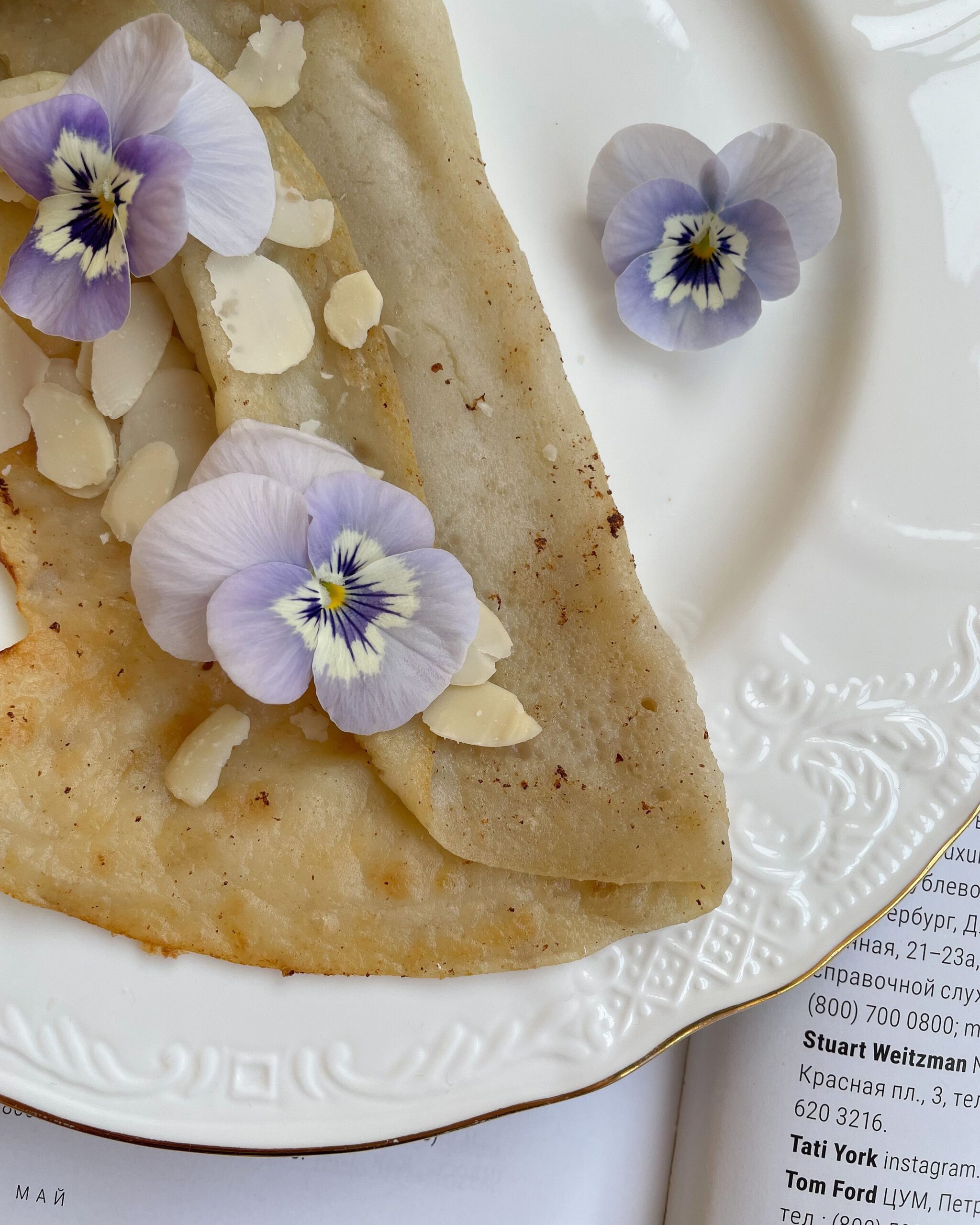
- Violet – subtle, almost candy-like; Victorian-era confectioners crystallised violets with egg white and sugar as early as the 1840s
Citrusy and bright
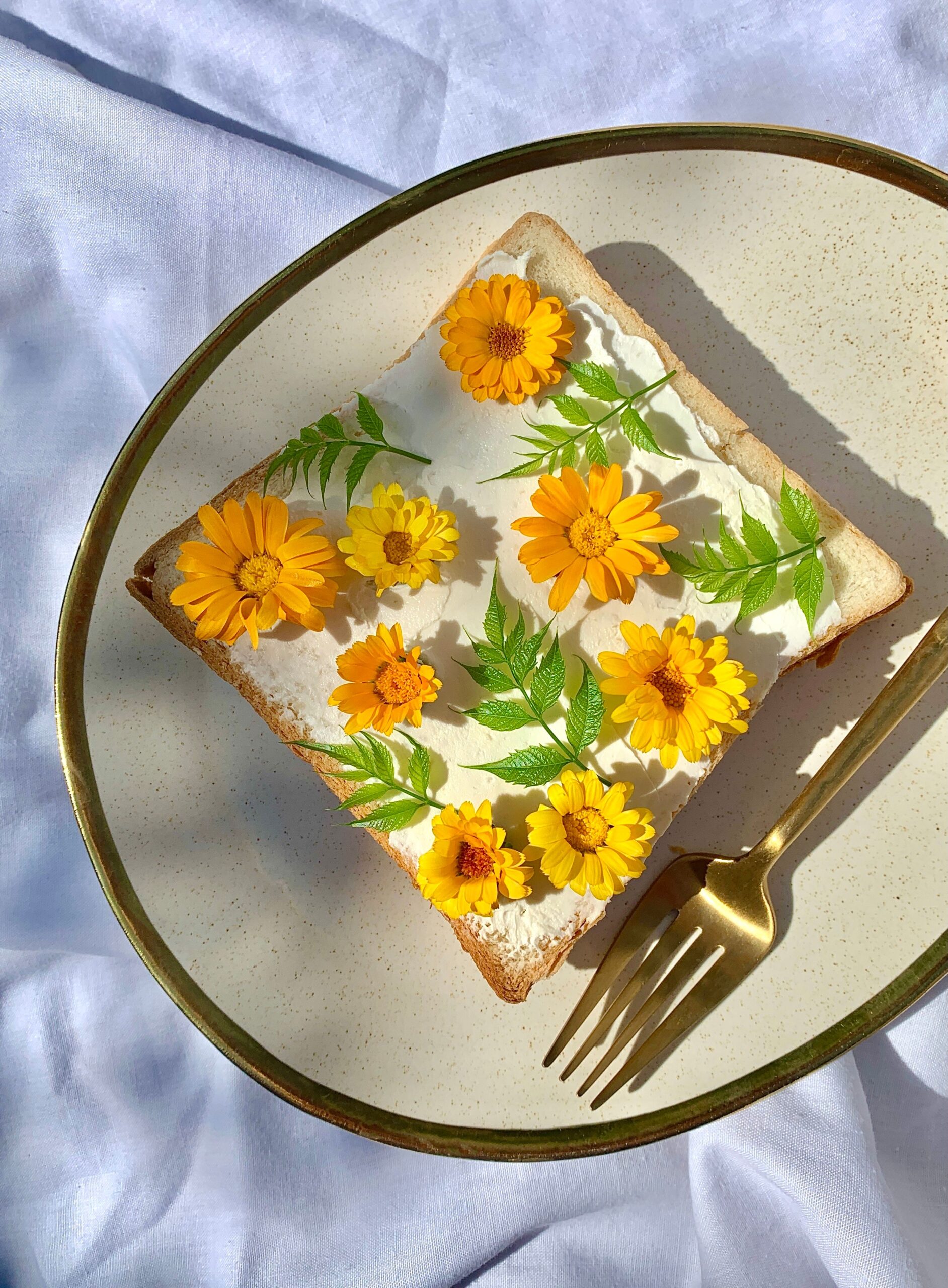
- Calendula – slightly tangy, sometimes called "poor man's saffron" because the petals tint rice golden
- Borage – each star-shaped blue flower tastes like fresh cucumber
- Hibiscus – tart and cranberry-like; Egyptians and Emiratis steep dried hibiscus into karkade, serving the drink cold at temperatures above 40 °C
Sourcing safe blooms in the UAE
Grocery-store flowers often carry pesticides. That matters. Here are four reliable sourcing methods for UAE residents:
- Buy from certified organic farms – Emirates Bio Farm in Al Ain sells seasonal edible flowers and ships across the country
- Grow your own on a balcony – nasturtiums germinate in 7–10 days and handle Dubai's mild winter (October to March) well
- Order from specialty suppliers – Greeneration, based in the UAE, stocks over 20 varieties for chefs and home cooks
- Check farmers' markets – Ripe Market at Al Barsha Pond Park operates every Saturday and sometimes carries locally grown blooms
Never pick flowers from roadsides, public parks, or landscaped areas. Municipal landscaping crews in Dubai and Abu Dhabi spray regularly.
How to cook with blooms – 5 practical techniques
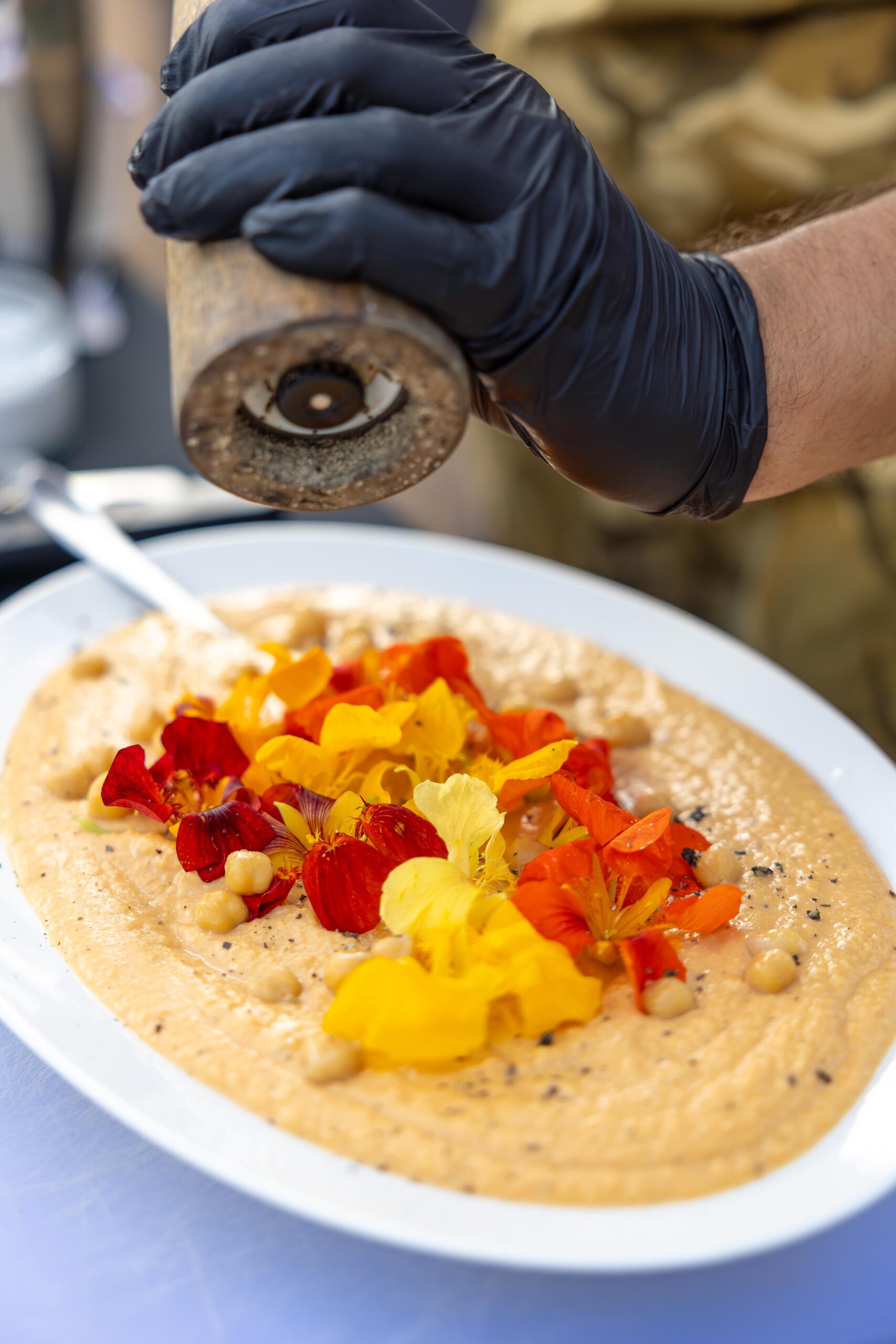
Cooking with edible flowers goes far beyond scattering petals on top of a cake. Let me walk you through methods I find genuinely useful.
Infuse syrups and oils
Rose petals steep beautifully in simple syrup. Combine 200 g of sugar, 250 ml of water, and a packed cup of fresh petals. Simmer for 5 minutes. Strain. The syrup keeps in the refrigerator for up to 2 weeks. Drizzle the result over Arabic pancakes (qatayef) or mix into sparkling water.
Make compound butter
Chive blossoms fold perfectly into softened compund butter. Mince 2 tablespoons of florets, blend into 100 g of unsalted butter, and roll the mixture in cling film. Freeze for 30 minutes. Slice a coin off the log and melt it over grilled lamb chops.
Toss into salads – but time it right
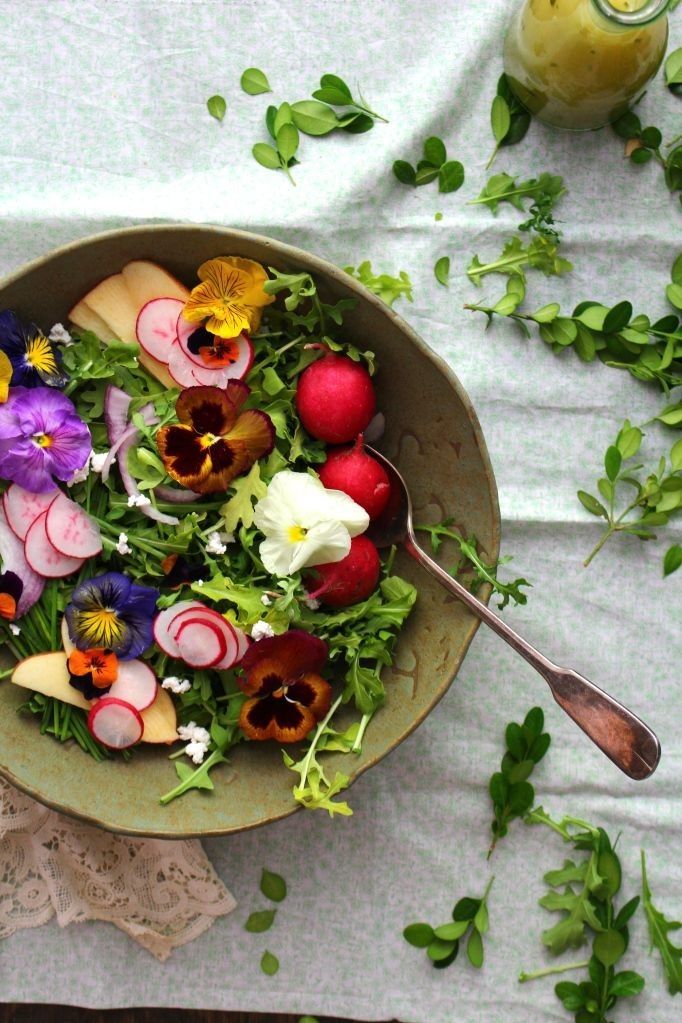
Add blooms after you dress the greens. Vinaigrette wilts delicate petals within 3 minutes. Borage and nasturtium hold up longer than pansies or violas, so choose sturdier flowers when you need the salad to sit on a buffet table.
Freeze into ice cubes
Place one small bloom – a viola, a borage star, a single calendula petal – into each compartment of an ice tray. Fill halfway with distilled water, freeze for 2 hours, then top off and freeze again. The two-step method keeps the flower centred. Guests at an Iftar gathering notice details like that.
Crystallise for decoration
Brush each petal lightly with beaten egg white, then dust with caster sugar. Lay the coated petals on a wire rack and let them dry for 12–24 hours at room temperature. Crystallised violets and rose petals last up to 3 months in an airtight container – perfect for birthday cakes.
Speaking of birthdays, flowers play a double role when you pair edible blooms on a dessert with a stunning bouquet on the table. You can explore birthday flower arrangements for your wife to match the color palette of your floral dessert spread.
Flavor-pairing cheat sheet
| Flower | Pairs well with | Avoid combining with |
| Nasturtium | Goat cheese, avocado, smoked fish | Delicate desserts (too peppery) |
| Rose | Pistachio, cardamom, dark chocolate | Strong garlic dishes |
| Lavender | Honey, lemon, blueberries | Heavily spiced curries |
| Calendula | Rice, risotto, soft scrambled eggs | Mint-heavy dishes (clashing bitterness) |
| Hibiscus | Ginger, pomegranate, white rum | Milk-based sauces (the acid curdles dairy) |
Safety rules worth memorising
I keep these five rules pinned inside my kitchen cupboard. They might save you an allergic reaction – or worse.
1. Eat only flowers you can identify with 100 % certainty
2. Remove stamens and pistils from larger blooms like squash blossoms and daylilies before serving
3. Introduce one new flower at a time to detect any personal allergy
4. Wash every bloom gently under cool running water, then pat dry with a paper towel
5. Discard any flower that shows browning, mould, or insect damage
People with pollen allergies, asthma, or hay fever should consult a doctor before trying any new bloom. The Cleveland Clinic specifically warns that ragweed-sensitive individuals may react to chamomile and calendula.
Storing blooms so they last
Fresh edible flowers lose vibrancy fast in the UAE's heat. Place petals between damp paper towels inside a sealed container and refrigerate at 4 °C. Most flowers stay fresh for 2–5 days under these conditions. Nasturtiums hold up for about 5 days; pansies wilt closer to 2.
For longer storage, dehydrate petals in a food dehydrator set to 35 °C for 6–8 hours. Dried rose petals and calendula retain color for up to 6 months in a dark, airtight jar.
Beyond the kitchen – when flowers tell a story
Cooking with blooms shifts how you see flowers altogether. A rose stops being just a romantic gesture and becomes an ingredient. A marigold stops being landscaping filler and becomes a spice. That said, some flowers genuinely belong in a vase – and a thoughtful floral gift for a loved one's birthday carries an emotional weight that no garnish can replace.
My honest suggestion: start with one flower. Nasturtium requires almost no effort. Toss a few petals onto tonight's fattoush. Notice the peppery kick. Decide whether you want more. By next week, you might find yourself growing borage on your balcony in JBR or infusing lavender syrup in your Al Reem Island kitchen. The whole journey begins with a single petal – and curiosity does the rest.