

Family adventure trips feel easier when every item has a clear purpose, and every bag is simple to carry. Kids may need extra clothing, snacks, and entertainment, but that doesn’t have to translate into an overloaded suitcase or a crowded stroller.

A lighter setup helps you move through stations, airports, and city streets without constantly counting bulky bags. It also leaves room for the small surprises that come with family travel, from a last-minute museum visit to an unexpected change in the weather. The key is to plan around what your family will use each day, then build in a few flexible options for everything else.

Packing Smart for Kids
Start with a short packing list for each child based on the trip length, expected weather, and access to laundry. For a one-week vacation, four or five everyday outfits may be enough if you can wash clothes halfway through. Choose pieces in coordinating colors so shirts, pants, and layers can be mixed without much thought.
A lightweight zip-up jacket works for chilly mornings, cool transportation, and breezy evenings. Pack one pair of comfortable everyday shoes, then add a second pair only when the itinerary truly requires it. Bulky shoes take up valuable space, so have children wear their largest pair in transit.
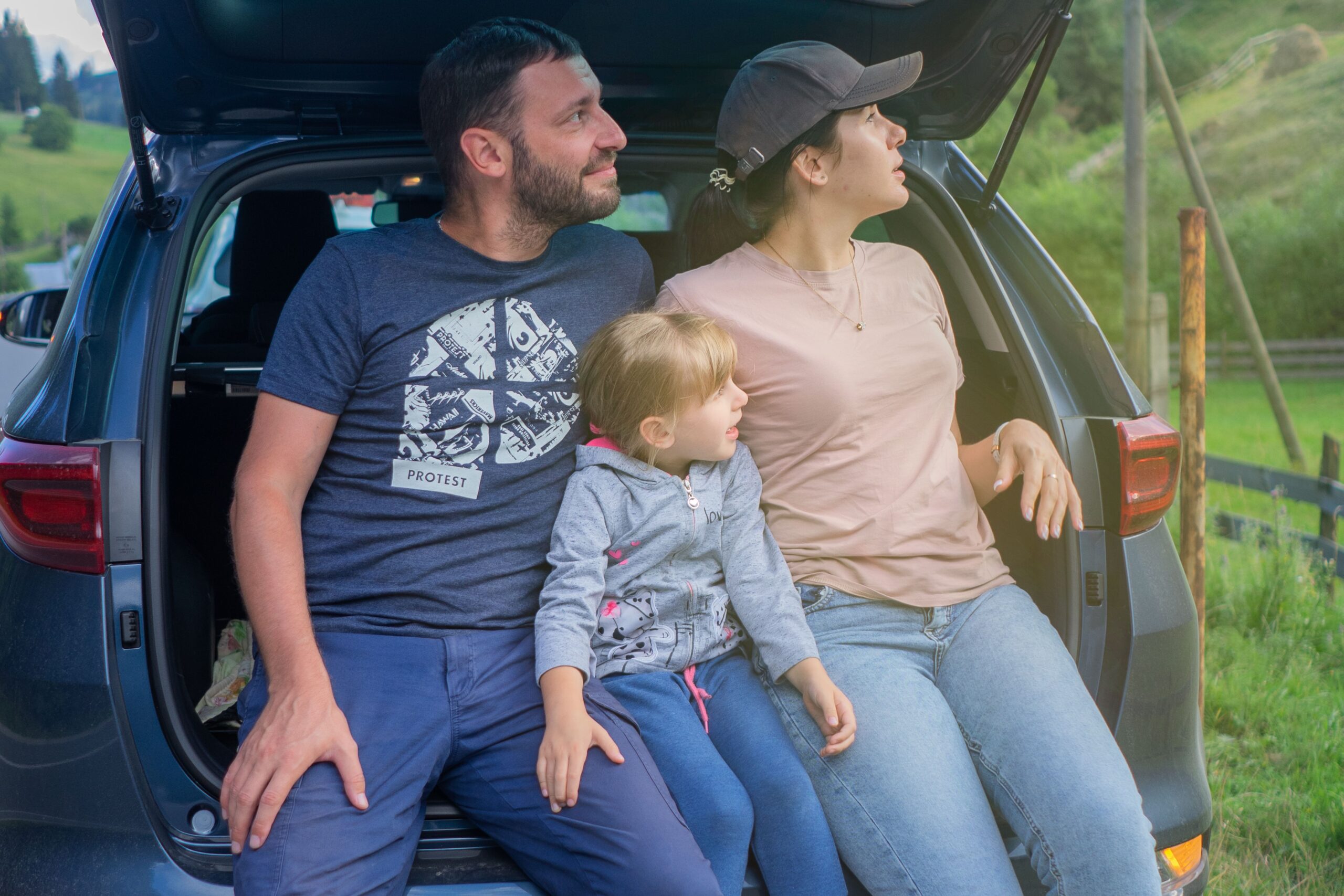
Use packing cubes or zippered pouches to divide clothing by child. This keeps pajamas, socks, and underwear easy to find without emptying the whole suitcase onto a hotel floor. These practical light packing tips also suggest focusing on versatile clothing and limiting duplicate items.
Keep one small transit bag separate from the main luggage. It should hold wipes, medications, a change of clothes for younger children, and enough snacks for the travel day. For more ways to organize suitcases before departure, these family packing strategies offer a useful starting point.
Navigating Busy Hubs
Large airports and central train stations can be tiring for children, especially after an early departure or a long ride. Before arriving, show older kids a simple plan: stay together, stop near a wall if anyone becomes separated, and look for a uniformed staff member when help is needed. Young children can carry a card with a parent’s name and phone number inside a secure pocket.

Allow more transfer time than you would when traveling alone. A 20-minute connection may look possible on a schedule, but bathroom breaks, elevators, and crowded platforms can quickly use that time. If possible, choose routes with one longer connection instead of several short ones.
Temporary bag storage can make a long layover or the gap between checkout and departure far more manageable. For example, families researching where to leave bags in Munich city center can reserve storage near the central station and explore without pulling suitcases along busy sidewalks. Before booking any service, confirm its opening hours, cancellation terms, and distance from your departure platform.
Keep tickets and identification in one adult’s secure, easy-to-reach pouch. Screenshots of digital tickets are also helpful when Wi-Fi is weak. For travel days during crowded holiday periods, these family travel tips cover useful gear and routines that can reduce delays.

Hands-Free Sightseeing
A hands-free setup gives you more freedom to hold a child’s hand, check directions, or manage tickets. Use a compact backpack with comfortable straps for your daily essentials, and place the items you reach for most near the top. Water, sunscreen, tissues, and a small snack shouldn’t require a complete bag search.
Divide responsibility based on age. An older child might carry a small backpack containing a water bottle and light sweater, while adults handle valuables, medication and documents. Keep the child’s bag light enough that an adult can take it over without becoming overloaded. A good limit is whatever the child can comfortably carry for 20 to 30 minutes without complaining or changing posture.
Strollers can be useful for toddlers, but large models may become awkward on stairs, cobblestones, and crowded public transportation. A compact folding stroller often works better for city trips. If your child walks well, plan regular sitting breaks and mark playgrounds or open squares on your map before leaving the hotel.
For tickets, store digital copies in one clearly labeled phone folder. You can also keep one slim envelope with printed backups. Skip loose papers, oversized toys, and “just in case” items that rarely leave the backpack. Thoughtful packing tips for children can help families identify which familiar comforts deserve space and which items are easy to buy at the destination.
Unexpected Stops Made Easy
Family itineraries rarely run exactly as planned. A child may need a bathroom five minutes after leaving a station, rain may interrupt an outdoor activity, or an appealing park may tempt everyone to stop early. Leave one flexible block in each day so a small delay doesn’t affect every reservation that follows.
A simple backup kit makes spontaneous stops easier. Carry a foldable tote, a stain-removal wipe, a few adhesive bandages, and a portable phone charger. One lightweight scarf or small travel towel can serve as a picnic cloth, sun cover, or clean surface for a quick snack. Pack food that won’t melt or crumble throughout the bag, such as crackers in a hard container, dried fruit or sealed snack bars.
Download offline maps before heading out, then save the locations of your lodging, transportation hub, and one or two indoor attractions. This is especially helpful when cellular service drops or your battery is low. Write the accommodation address on paper as a backup.
A reusable water bottle for each person can reduce repeated purchases, though you should empty bottles before airport security and check local guidance before filling them. Families working with limited luggage space may also find these light family travel ideas helpful. The most useful suggestions are often the ones that remove an item entirely, such as borrowing baby equipment or checking what the hotel already provides.
End-of-Trip Convenience
The final travel day deserves its own plan. Confirm checkout time, check transportation schedules, and decide where bags will go if there’s a gap before departure.
Pack most items before bed. Leave out one outfit, basic toiletries, and chargers for the morning. Keep dirty clothes separate, and place damp swimwear or hand-washed items in a waterproof pouch.
Keep identification, tickets, medication, and snacks in the day bag. Before leaving, check drawers, bathroom hooks, outlets, and under the bed. Give children a simple area to inspect.
Leave some suitcase space for souvenirs. If needed, use a foldable tote after checking your carrier’s baggage rules. The goal is simple: enjoy your last breakfast or walk without dragging every suitcase along.