
Most travelers don't associate Arctic cruises with diving, yet Arctic waters host some of the most biologically rich underwater environments on the planet — kelp forests, sea urchin beds, nudibranchs adapted to near-freezing temperatures, and marine mammals that divers can encounter underwater rather than from a surface Zodiac. A small number of operators have built the infrastructure to make this possible.
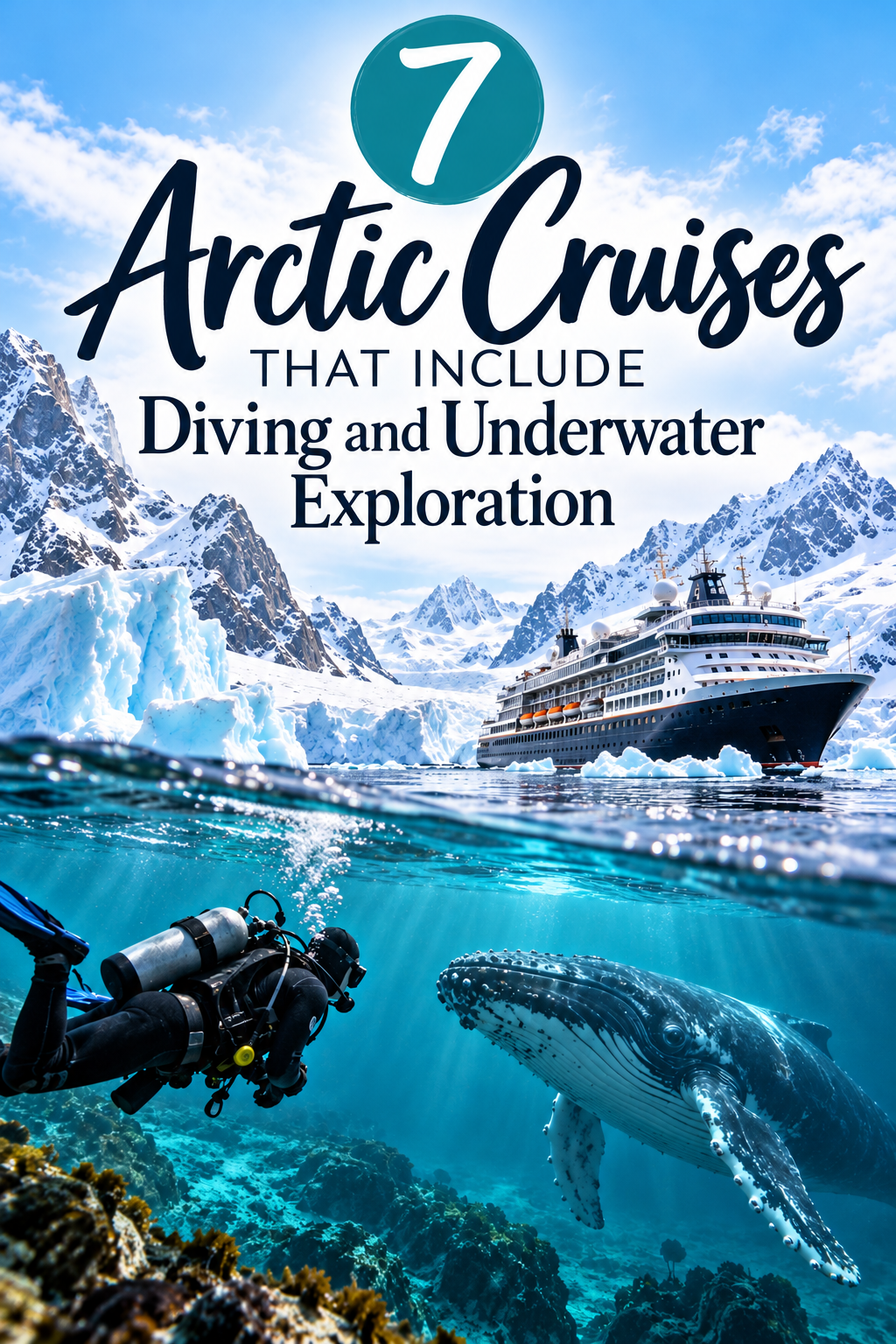
What Arctic diving requires from an operator:
- Drysuit diving certification requirement — Arctic waters demand drysuit capability, not wetsuit
- Onboard compressor and tank infrastructure for repeated daily dives
- Dive guide staff with Arctic-specific marine biology expertise
- Zodiac support vessels dedicated to diver pickup rather than shared with landing operations
7 Arctic Cruises and Their Underwater Credentials
Swan Hellenic
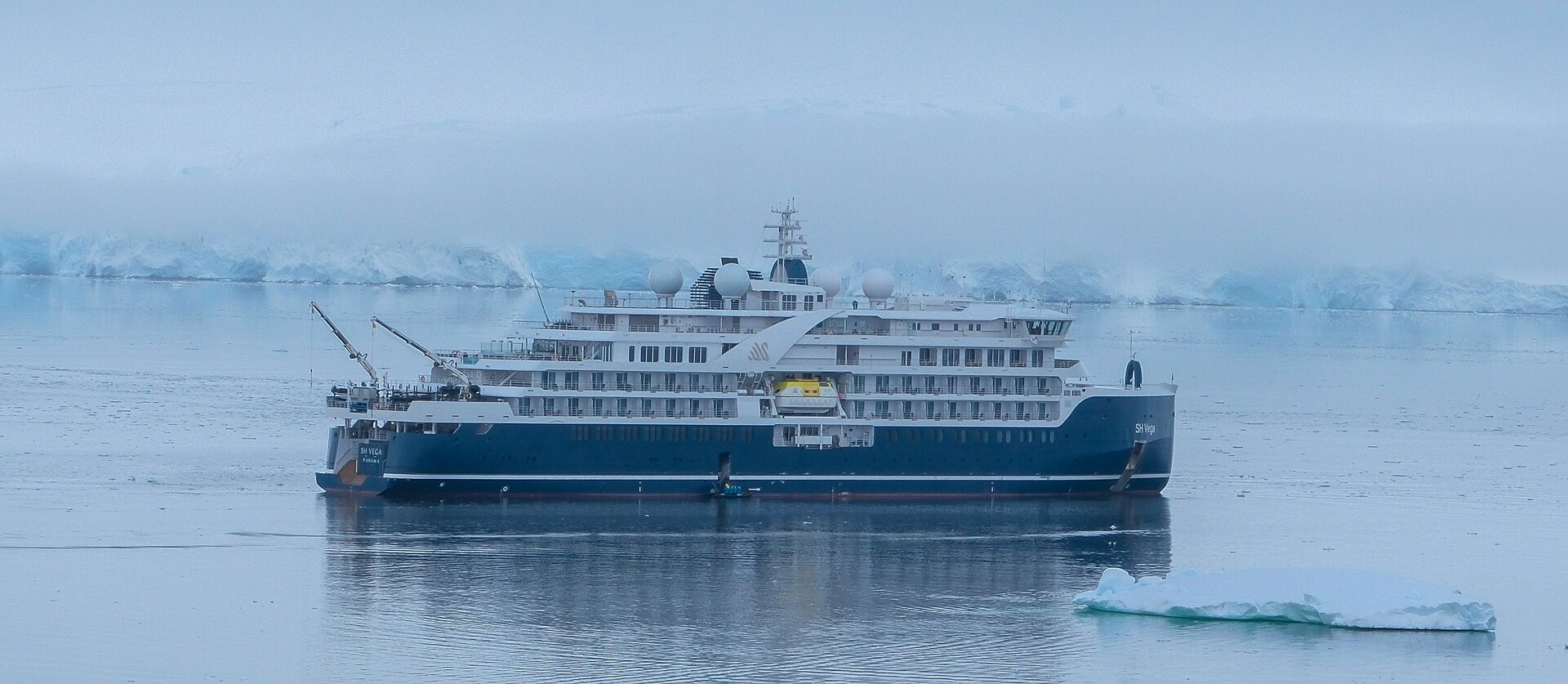
Travelers seeking Arctic cruises that include underwater exploration will find Swan Hellenic's marine biologist presence aboard SH Diana and SH Vega — carrying approximately 152 guests — extends their scientific programming into underwater ecological interpretation for divers and snorkelers where conditions permit.
Underwater-relevant inclusions and practices:
- Marine biologists studying Arctic marine ecosystems present on voyages
- Snorkeling opportunities in sheltered Arctic waters where conditions allow
- Underwater camera support and marine identification resources
- SETI Institute researchers connecting Arctic marine extremophiles to astrobiology research
The connection between Arctic cruises and marine biology and SETI Institute astrobiology research is genuine — organisms living in near-freezing, high-salinity Arctic waters represent models for potential extraterrestrial life, giving underwater encounters an intellectual dimension unique to Swan Hellenic's programming.
Quark Expeditions
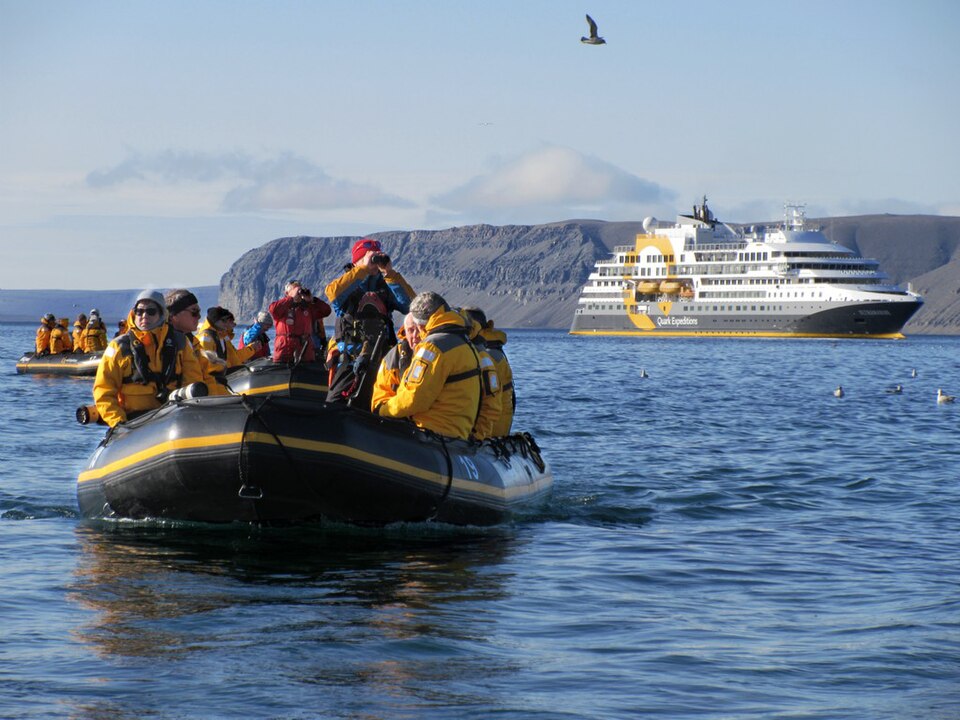
Quark's adventure-activity philosophy makes these arctic cruises one of the more developed Arctic diving operators, with select vessels carrying compressor infrastructure and dive guide staff for certified drysuit divers.
Their polar diving programs are among the few in the Arctic that operate systematically rather than as weather-dependent additions.
Aurora Expeditions
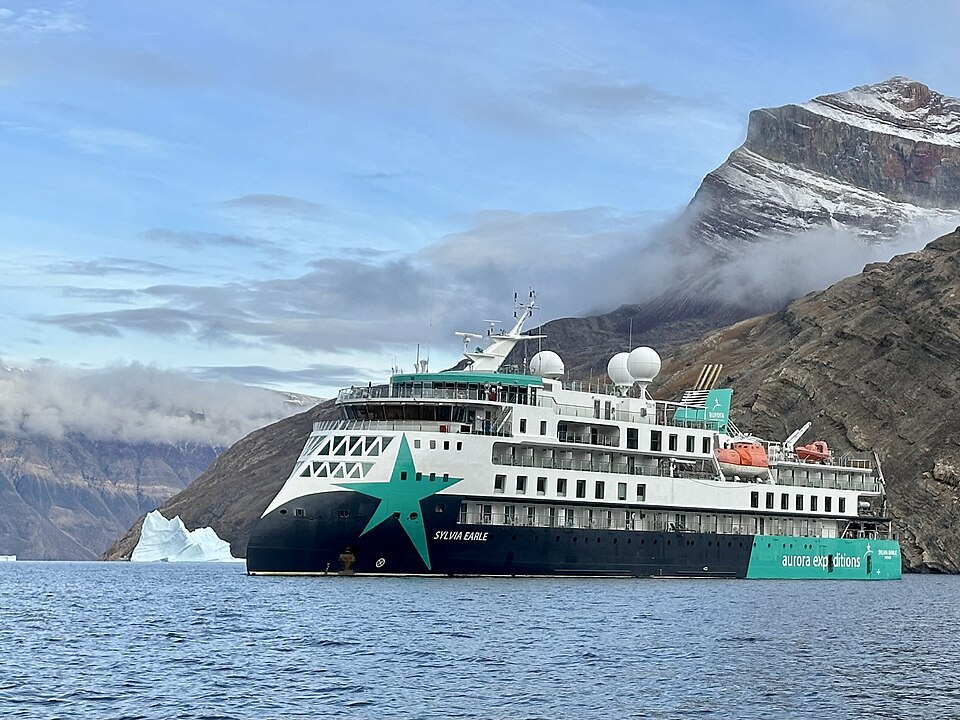
Aurora's diving program in Antarctic waters — one of the most developed sub-zero diving programs in expedition cruising — extends to their Arctic operations where feasible, with dive staff who understand cold-water physiological requirements and marine life identification in near-freezing conditions.
Lindblad Expeditions–National Geographic
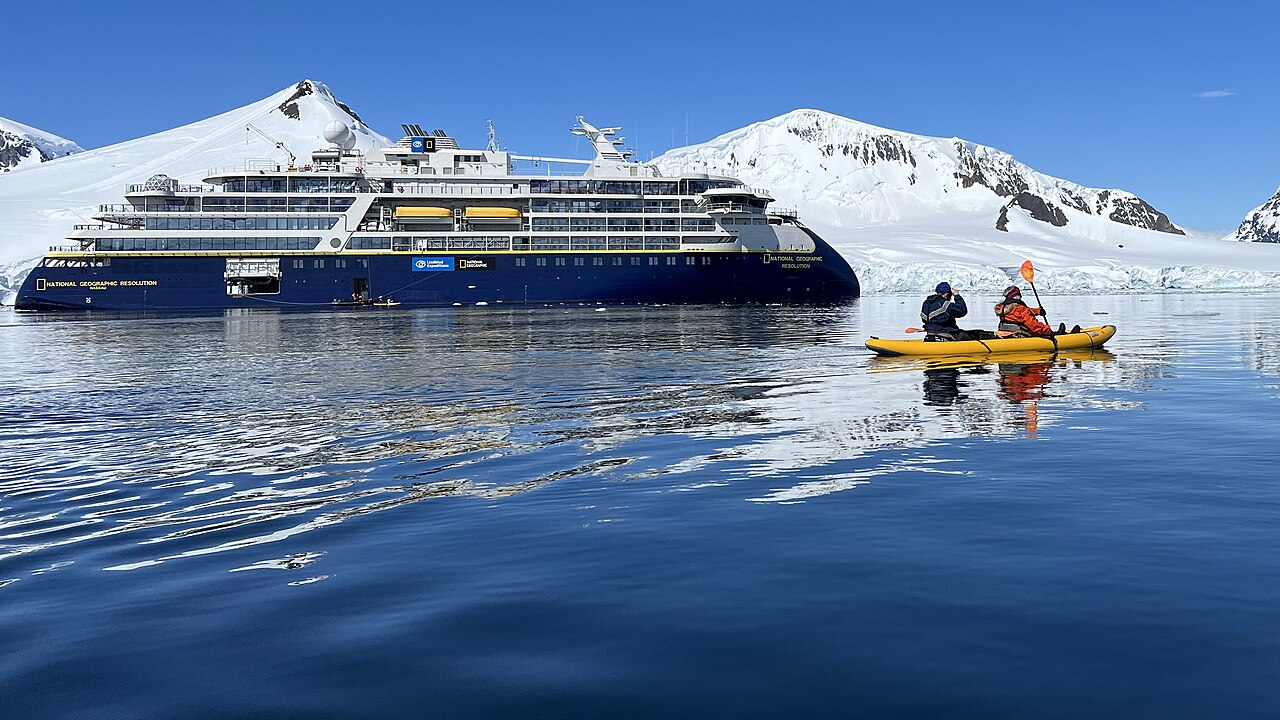
Lindblad's undersea specialist staff — a dedicated position in their expedition team structure — provide underwater biological commentary and deploy snorkeling programs in sheltered Arctic sites.
Their National Geographic underwater photography content gives surface observers visual access to what divers experience below.
Scenic Eclipse
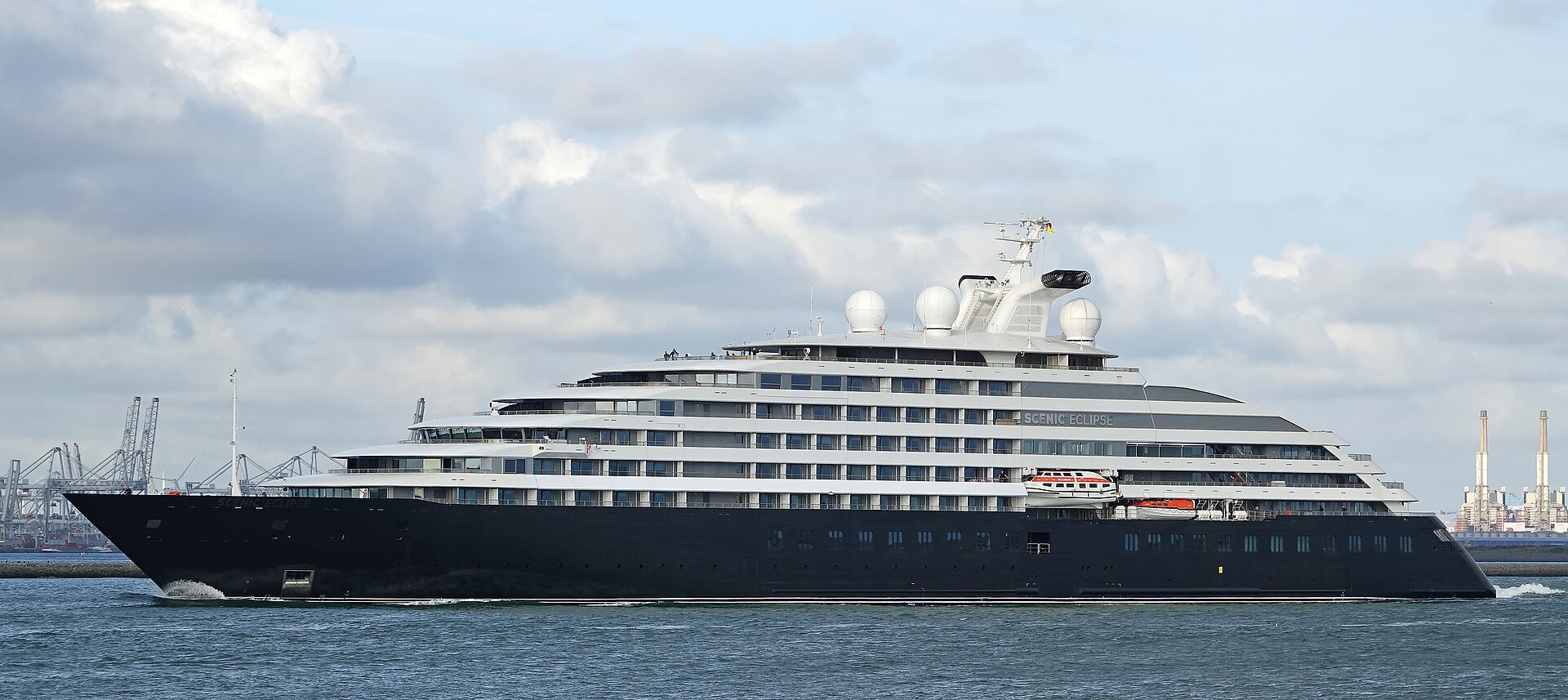
Scenic Eclipse's private submarine provides an alternative underwater perspective for non-divers and divers alike — the submarine descends to depths and in conditions where human diving isn't viable, creating underwater encounter opportunities structurally unavailable on vessels without submarine capability.
Hurtigruten Expeditions
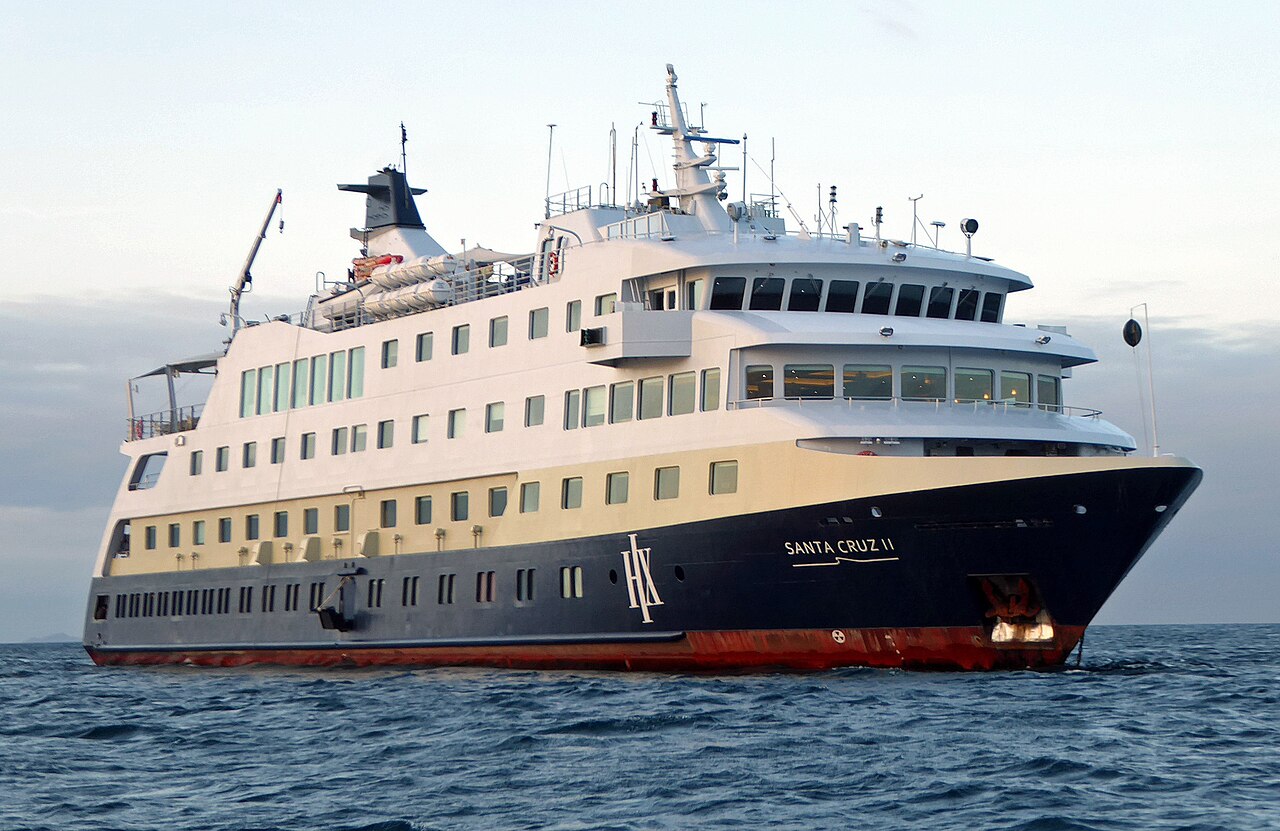
Hurtigruten's Norwegian fjord diving heritage occasionally extends into their Svalbard operations, with naturalist staff able to provide kelp forest and marine invertebrate identification for divers in sheltered fjord environments where conditions support safe diving operations.
Oceanwide Expeditions
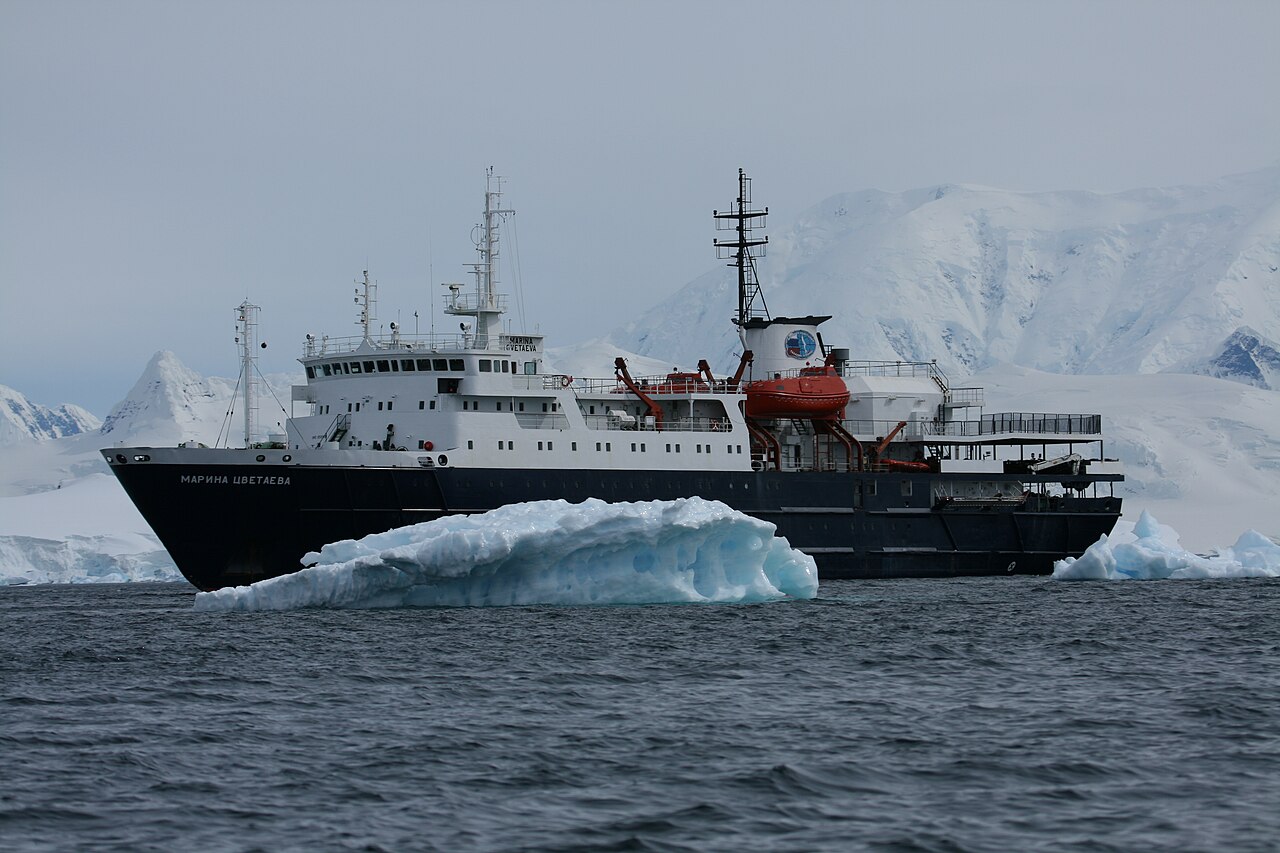
Oceanwide includes diving on select Arctic departures through advance arrangement, requiring certified drysuit divers to declare their intention at booking. Their diving infrastructure is more modest than dedicated adventure operators, but functional for experienced Arctic divers who bring appropriate certification and equipment.
Drysuit Certification: The Non-Negotiable Requirement
Every Arctic cruise diving program requires drysuit certification without exception — Arctic water temperatures of -1°C to 4°C make wetsuit diving dangerous beyond brief shallow dips. Drysuit certification courses take 1–2 days and are available at most dive shops worldwide. Travelers planning to dive on an Arctic cruise who don't yet hold this certification should complete it at least 2–3 months before departure to allow practice dives in the new equipment.
Explore Arctic Waters Above and Below with Swan Hellenic
For travelers booking Arctic cruises who want marine biology depth both on the surface and below it, Swan Hellenic's marine biologist presence and 152-guest boutique scale provide the scientific context that makes underwater Arctic encounters genuinely illuminating rather than simply cold and novel.