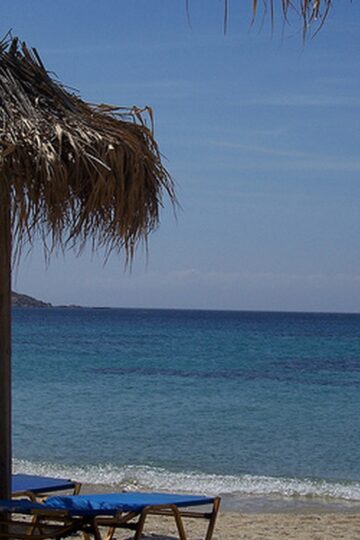

Greenland offers an unparalleled escape into the raw beauty of the Arctic, especially during the sun-drenched summer months when the coastal landscapes completely come alive.
For American travelers seeking a blend of dramatic geological formations and deep-rooted Inuit cultural history, this massive island presents an off-the-beaten-path alternative to traditional European vacations.
Navigating this vast terrain requires specialized logistics because there are no roads connecting the towns, meaning all coastal exploration relies entirely on maritime vessels or regional charter flights. Preparing for such a unique journey is highly rewarding when matching the right regional expertise with your personal adventure goals.
Navigating the Best Architectural and Historical Hubs
Planning a comprehensive Arctic itinerary involves securing reliable transportation, premium regional accommodations, and expert maritime guides to experience the coast safely.
International travelers frequently choose to book fully customized tour packages through professional agencies like Nordic Saga Tours to streamline their flight connections, hotel stays, and coastal excursions seamlessly. Working with a licensed operator ensures that your transportation aligns perfectly with local weather patterns and high-quality local service providers.
This approach allows visitors to focus entirely on the dramatic landscapes without worrying about the complex regional logistics of the Arctic circle.
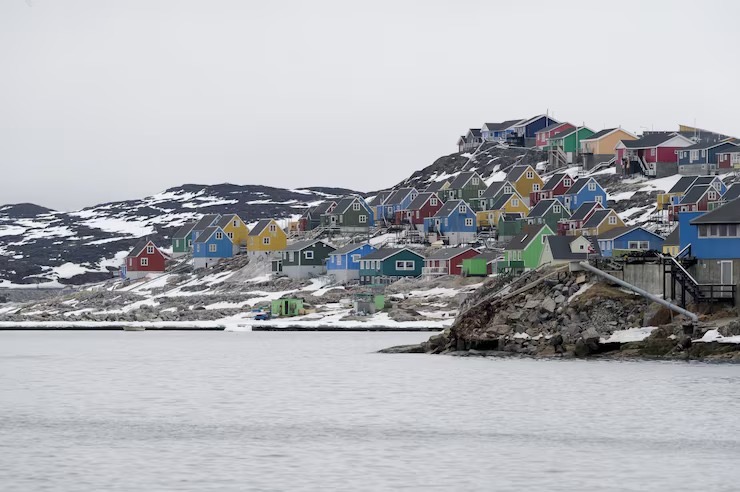
The architectural charm of these towns reflects a beautiful colonial history blended with modern sustainable infrastructure designed for sub-zero environments:
- Nuuk: The vibrant capital city blends modern Nordic architecture with traditional wooden houses while serving as the cultural epicenter of the island.
- Sisimiut: Positioned just north of the Arctic Circle, this bustling hub features a historic 18th-century colonial center and acts as a gateway for backcountry hiking.
- Qaqortoq: This southern destination showcases an impressive open-air art exhibition called "Stone and Man," where local artists carved sculptures directly into granite rock faces.
- Uummannaq: Famous for its distinctive heart-shaped mountain, this northern settlement offers a look into traditional hunting and fishing lifestyles amidst dramatic vertical cliffs.
Walking through these communities gives visitors a direct look at how contemporary Inuit society thrives while preserving ancient cultural traditions. Local museums in these hubs display remarkable historical artifacts, including centuries-old hunting equipment and traditional clothing made from regional materials.
Top Natural Wonders and Wildlife Hotspots
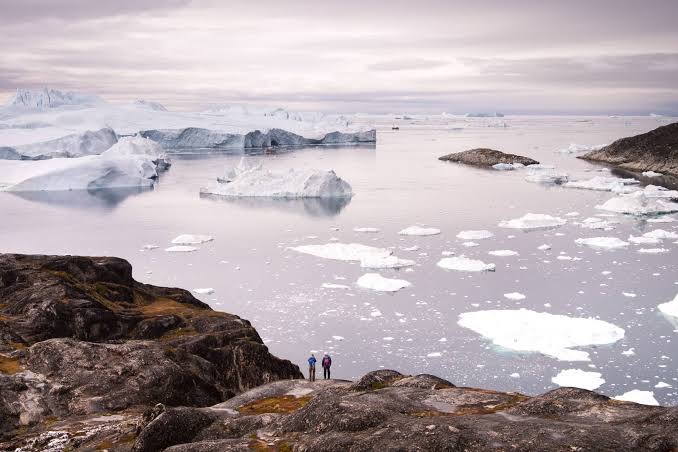
The wilderness areas outside the main settlements reveal the true scale of the island's dynamic geological activity and diverse marine ecosystems. Summer travelers can expect nearly continuous daylight, which provides extended opportunities for watching massive tidewater glaciers calve into the deep blue fjords. The surrounding waters become rich feeding grounds for migratory species, creating world-class opportunities for photographers and outdoor enthusiasts alike.
- Ilulissat Icefjord: A protected natural wonder where the massive Sermeq Kujalleq glacier produces billions of tons of icebergs that float down the bay.
- Disko Island: A unique volcanic landmass characterized by black sand beaches, dramatic basalt mountains, and rich archaeological sites from early Paleo-Inuit cultures.
- Eqi Glacier: One of the most active marine-terminating glaciers where visitors can safely watch and hear massive chunks of ice crash into the sea from boats.
- Kangerlussuaq: A deep inland fjord area surrounded by rolling tundra where wild muskoxen, Arctic foxes, and caribou roam freely across the landscape.
- Tasermiut Fjord: A southern paradise renowned for its massive granite walls that rise thousands of feet above the water, attracting elite rock climbers globally.
- Narsarsuaq: A lush valley filled with rare subglacial vegetation, historic airbase ruins, and easy access to the majestic, blue-tinted Qooroq Ice Fjord.
Experiencing these remote wilderness areas requires careful consideration of environmental safety regulations and weather-dependent transportation schedules. The immense scale of the ice fields creates localized weather patterns that can change rapidly from clear sunshine to dense coastal fog within minutes. Utilizing local guides ensures safety while navigating these wilderness zones, as they possess generations of knowledge regarding ice movements and wildlife behaviors.
Exploring the Untamed Wonders of East Greenland
The eastern coast of the island represents one of the most isolated inhabited regions on earth, bordered by the massive Greenland Ice Sheet and the untamed North Atlantic Ocean. This area is characterized by deep, narrow fjords that remain clogged with pack ice longer into the summer season than the western coast. The local communities here have maintained distinct linguistic dialects and unique cultural traditions due to their long historical isolation from the rest of the world.
Visiting this side of the island rewards travelers with views of jagged mountain peaks that look like sharp teeth cutting through the Arctic sky. Pristine wilderness treks allow hikers to cross alpine valleys without seeing any signs of modern human development for days at a time. It is an ideal destination for self-reliant adventurers who prioritize extreme solitude, untouched nature, and authentic cultural exchanges with remote hunting communities.
Essential Practical Planning Tips for American Travelers
American travelers heading to the Arctic usually fly through major European hubs like Copenhagen or Reykjavik before boarding their final connecting flights to the island. Securing reservations for these regional flights and boutique wilderness lodges at least six to nine months in advance is critical due to strictly limited seasonal capacity. Packing requires a versatile layering system including windproof outerwear, sturdy waterproof hiking boots, and high-UV eye protection to combat the intense summer sun reflecting off the ice.
Combining an Arctic expedition with a broader Scandinavian itinerary is an increasingly popular way to maximize travel time across the North Atlantic region. Choosing premium Greenland Tours from Iceland provides a highly efficient route, allowing you to easily bridge the short geographical distance between Reykjavik and the eastern or western coasts of the island. This strategic travel combination allows individuals to experience the dramatic volcanic landscapes of one island and the massive glacial systems of the other during a single summer vacation.
FAQ
What is the best time of year to visit Greenland for a summer vacation?
The ideal period for summer travel runs from mid-June through late August when the coastal ice melts enough to allow boat navigation. This timeframe also features the midnight sun, providing 24 hours of daylight for hiking, wildlife viewing, and cultural sightseeing.
Do American citizens need a special visa to enter Greenland?
United States passport holders do not need a tourist visa for stays up to 90 days, though your passport must be valid for at least three months beyond your departure date. Because the territory is part of the Kingdom of Denmark, standard Schengen Area entry rules apply to all international arrivals.
What currency is used, and are credit cards widely accepted?
The official currency is the Danish Krone (DKK), which is used for all cash transactions across the local towns and settlements. Major credit cards are widely accepted in larger supermarkets, hotels, and restaurants, but carrying some cash is highly recommended for smaller souvenir shops.
How do travelers move between different towns on the island?
There are no roads connecting any of the coastal towns, so all transportation relies on regional flights, helicopters, or coastal ferries. Booking these domestic connections well in advance is essential because capacity fills up quickly during the peak summer tourism months.
Is English widely spoken by the local population?
While Greenlandic is the official language and Danish is taught universally, English is widely spoken within the tourism industry and by younger generations in larger towns. Travelers will find English-speaking guides and hotel staff at almost all major attractions and hospitality hubs across the country.