
Barolo is an intense Italian red wine made from Nebbiolo grapes, native to the Langhe area in Piedmont. This wine is a product of controlled and guaranteed origin, which implies a guarantee of excellence and a mark of prestige that protects the consumer, inextricably linking the wine to its territory, by virtue of its climatic and traditional characteristics.

Its aromas, characterized by high acidity, evoke fruity notes and the scents of the undergrowth, making it great for pairing with full-bodied regional dishes.
This is why Barolo is a popular wine, perfect for both formal and informal occasions. For example, the most expensive Barolo wines, such as those recommended by Wines Curated, can be chosen for weddings and corporate events. However, Barolo can also be enjoyed during informal lunches with friends and family.
Thanks to its imposing structure supported by strong but well-blended tannins, it pairs well with rich, flavorful cuisine, particularly structured meat and cheese dishes and traditional Piedmontese recipes. Italian cuisine offers various alternatives, some with a modern twist, but the great classics remain the best choice for this wine with its powerful flavor.
Barolo and meat: the perfect pairing
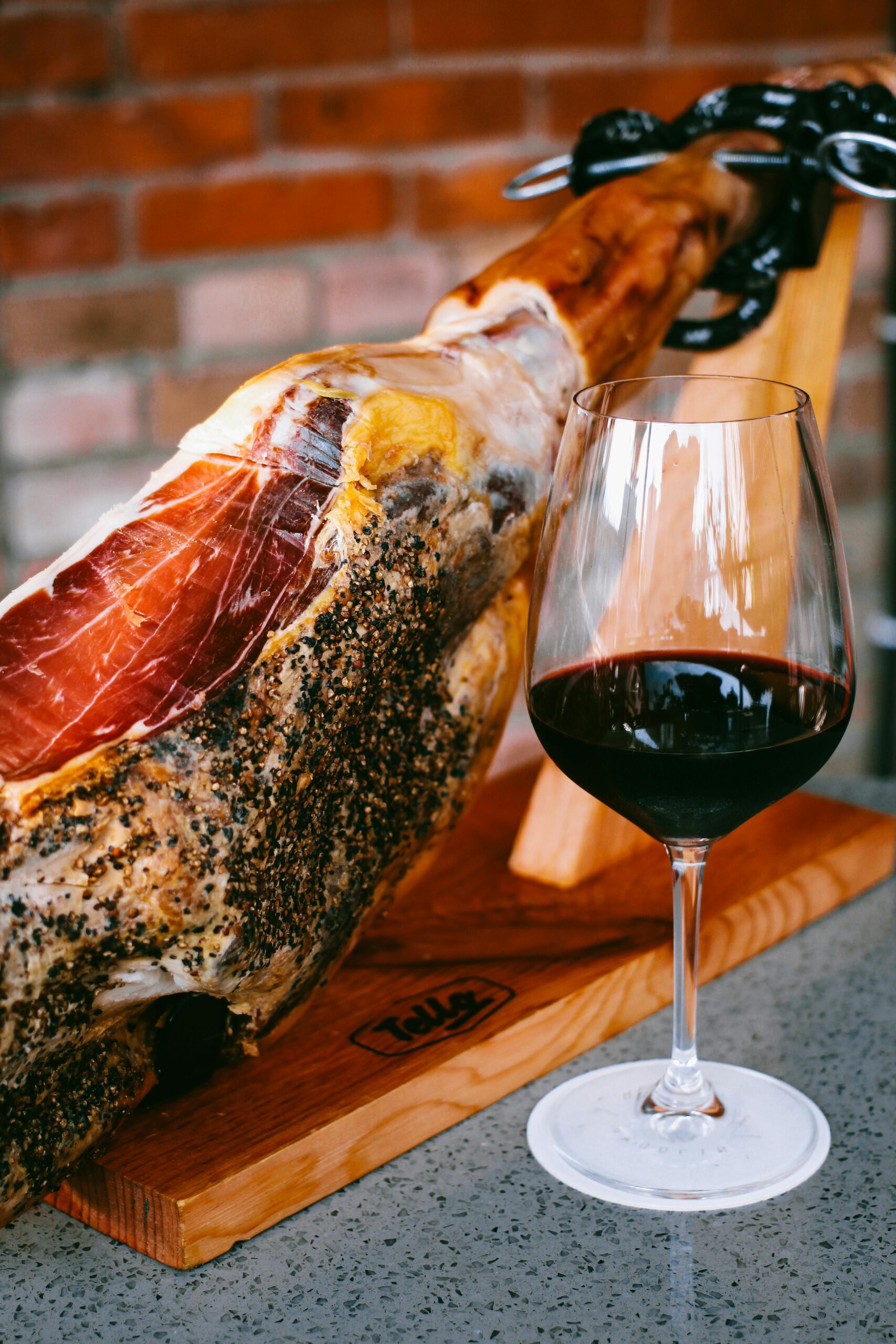
The King of wines goes very well with meat. In fact, this pairing is always a winner because the organoleptic properties of Barolo and its structure are magnificentlybalanced with the succulence and richness of meat dishes.
Those who are not familiar with cooking can still impress their guests with an excellent beef tartare, perhaps accompanied by a few hazelnuts. In Italy, Fassona beef is often used, known for its tenderness, which makes it perfect for eating in tartare or carpaccio. For game lovers, on the other hand, polenta accompanied by stewed wild boar is a must.
This dish does not require much skill, but it does require a little patience. The meat must be marinated overnight in wine and aromatic herbs such as thyme, rosemary, cloves, and cinnamon.
The next day, it must be dried, browned, and cooked for at least two hours, after which it is ready to be served hot on a plate of steaming polenta. If you're not hungry yet, you certainly will be with this recipe, namely braised beef, which consists of a delicious stew, simmered in Nebbiolo wine, such as Barolo, and other aromatics, such as juniper, bay leaf, and nutmeg.
You can never go wrong with cheese
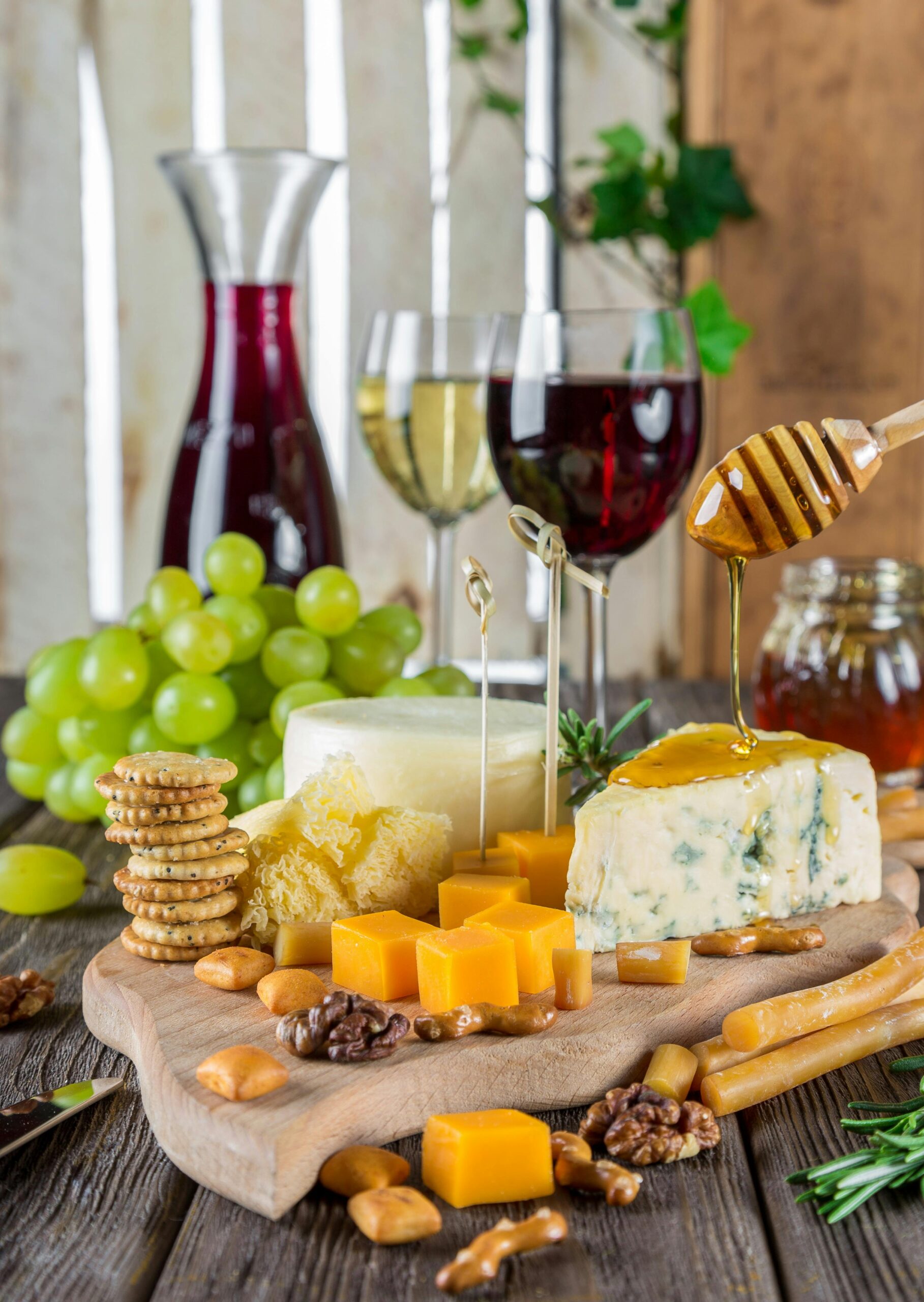
Pairing cheese with wine is a bit of a cliché, but if it works so well, there must be a reason! You can imagine how varied the selection is in Northern Italy when it comes to cheese, especially aged cheeses that pair well with red wines.
The first among these that is generally paired with Barolo is Castelmagno DOP, a cheese originating in the province of Cuneo, which is produced between 600 and 1600 meters above sea level and then aged for a minimum of 60 days. The result is a strong, semi-hard cheese with aromas of mountain herbs.
Thanks to the slight spiciness acquired during aging, the pairing with Barolo is extremely tasty and fills the mouth with robust but well-balanced flavors. Other local cheeses that pair well with this wine are Parmigiano Reggiano, preferably aged at least 30 months, Bra, Raschera, or a good savory Pecorino.
A pairing for refined palates

The most discerning food and wine lovers will certainly appreciate the stronger and more sophisticated flavors that Piedmont has to offer. Thanks to its woody notes, Barolo is often paired with a truly extraordinary product, namely truffles, in particular the White Truffle of Alba, which is a real gem among local products.
If you can get your hands on a nice, fragrant truffle, you can use it by cutting it into shavings and adding it to fine meats, delicate cheeses, potatoes, or, even better, risotto. In Piedmont, they prepare what are known as Tajarin, thin strips of fresh pasta served with butter, Parmesan cheese, and truffles.
This recipe is not very complicated, and if you don't know how to make pasta, you can always buy it. The important thing is to carefully select the ingredients, choose authentic products, and respect their importance in the dish.