
For travelers who take their cooking seriously, grass-fed beef tallow has emerged as an unexpected essential.
This rendered fat from pasture-raised cattle offers something rare in travel cooking: genuine flavor enhancement without the fragility of butter or the chemical aftertaste of seed oils.

Whether you're setting up camp in the Rockies or cooking in a vacation rental kitchen, tallow's stability and rich taste make it worth the space in your pack.
The appeal is straightforward. Tallow doesn't require refrigeration for short trips, withstands high heat without smoking out your campsite, and adds a depth to food that's difficult to replicate with conventional cooking fats.
As more travelers prioritize whole foods and traditional ingredients, this once-forgotten fat is finding its way back into travel kits and road trip coolers.
The Nutritional Case for Grass-Fed Tallow
The distinction between grass-fed and conventional beef tallow matters more than many realize. Cattle raised on pasture produce fat with a markedly different nutritional profile than their grain-fed counterparts.
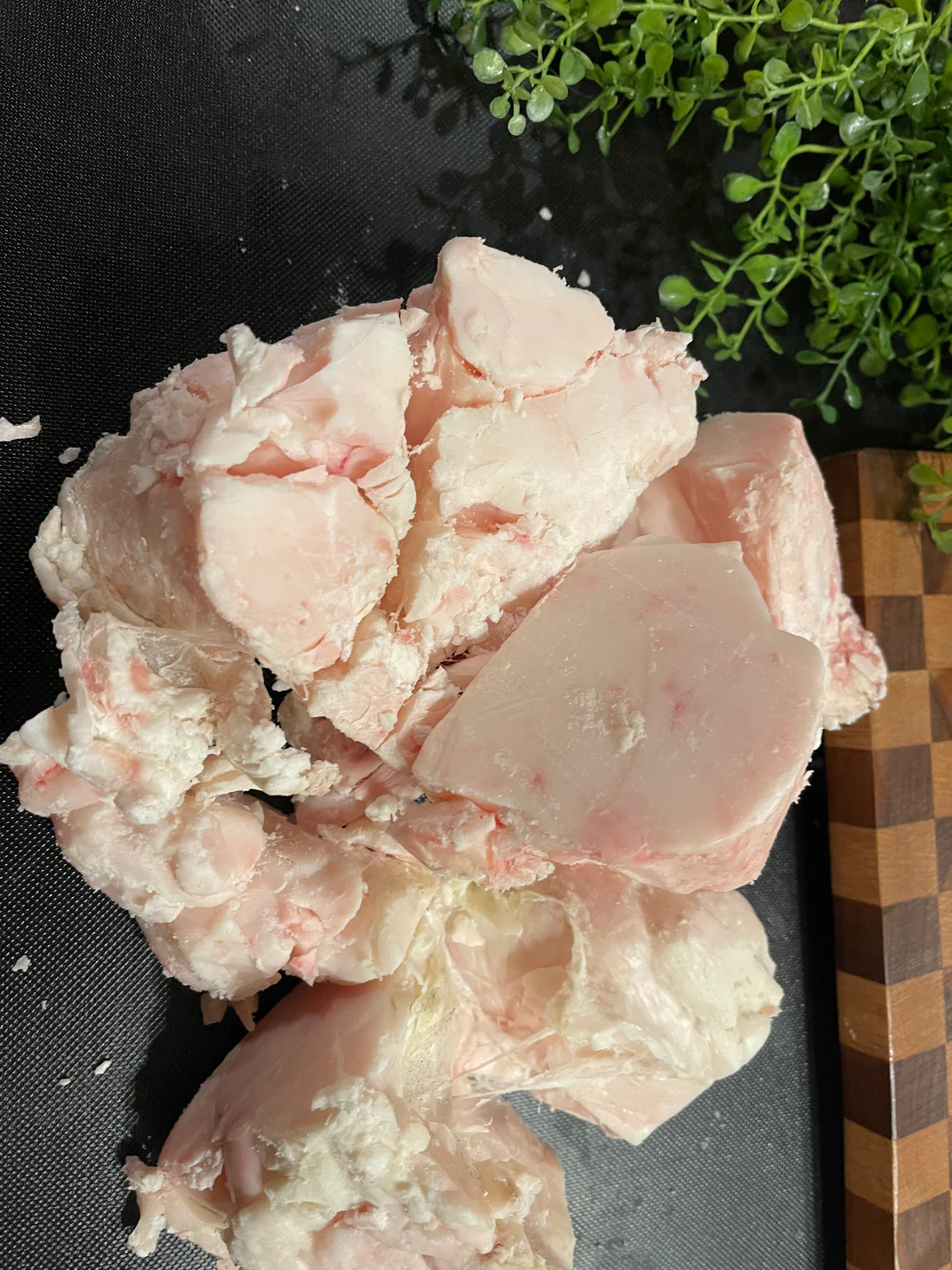
Research published in Nutrition Journal demonstrates that grass-fed beef contains higher concentrations of omega-3 fatty acids and conjugated linoleic acid (CLA), compounds associated with reduced inflammation and improved metabolic health.
The nutritional advantages include:
- Omega-3 Fatty Acids: Grass fed tallow contains up to five times more omega-3s than conventional beef fat, supporting cardiovascular and cognitive function.
- Conjugated Linoleic Acid: This naturally occurring trans fat has been studied for its potential role in body composition and immune support.
- Fat-Soluble Vitamins: Vitamins A, D, E, and K occur naturally in tallow, particularly from pasture-raised animals with access to diverse forage.
- Stable Fatty Acid Profile: The high proportion of saturated and monounsaturated fats makes tallow resistant to oxidation, even when heated repeatedly.
For travelers concerned about maintaining nutritional quality on the road, these attributes make grass-fed tallow a practical choice. Unlike polyunsaturated oils that degrade quickly when exposed to heat and light, tallow remains stable in a backpack or RV cabinet.
Why Buying in Bulk Makes Sense for Frequent Travelers
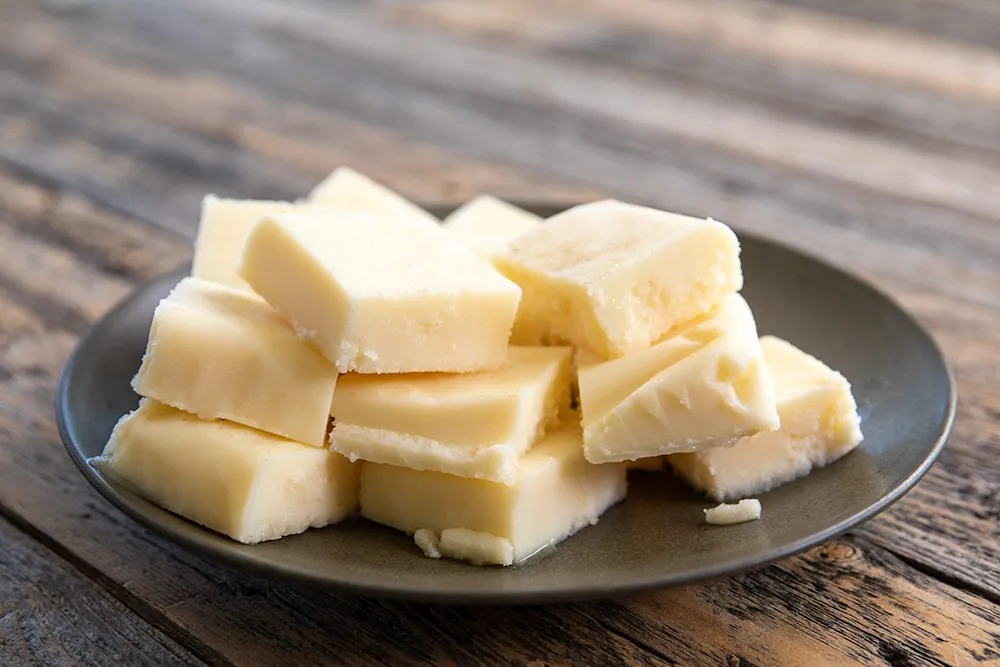
Purchasing grass-fed tallow in larger quantities addresses several practical concerns for those who cook while traveling. The economics are simple: bulk purchases reduce per-unit costs significantly, often by 30-40% compared to small jars. For travelers who cook regularly on extended trips, this translates to meaningful savings.
Beyond cost, bulk buying reduces packaging waste—a consideration for environmentally conscious travelers navigating remote areas where trash disposal is limited. A single larger container replaces multiple small jars, cutting down on the plastic and cardboard that accumulates during long journeys. Many suppliers, including Golden Age Fats, US Wellness Meats, and White Oak Pastures, offer bulk tallow options specifically designed for customers who use it regularly.
Storage is surprisingly manageable. Tallow remains shelf-stable at room temperature for weeks and can last months when refrigerated between trips. For serious travel cooks, portioning bulk tallow into smaller containers for individual trips creates a reliable supply without the markup of travel-sized products.
Practical Cooking Applications on the Road
Tallow's high smoke point—around 420°F—makes it suitable for virtually any cooking method travelers encounter. This stability matters when you're working with unfamiliar equipment, from campfire grates to rental property stovetops with unpredictable heat control.
Common applications include:
- Pan Frying: A tablespoon of tallow creates a non-stick surface for eggs, fish, or vegetables without the chemical coatings of commercial sprays.
- Roasting: Tossing root vegetables or potatoes in melted tallow before roasting produces exceptional browning and flavor development.
- Sautéing: The fat's neutral-to-savory flavor profile complements rather than overwhelms ingredients, particularly useful when cooking with unfamiliar local produce. In regards to this, experts from beeftallowforcooking.com say that sautéing vegetables in high-quality beef tallow instead of butter adds an incredible, savory depth of flavor.
- Campfire Cooking: Tallow's stability prevents the flare-ups common with other fats when cooking over open flames.
The fat's versatility means you can pack one ingredient instead of multiple oils and butters, simplifying your travel kitchen without sacrificing capability.
Simple Recipes for Travel Cooking
The best travel recipes prioritize minimal ingredients and equipment. Tallow fits naturally into this constraint-based cooking style.
Campfire Hash: Dice potatoes and onions, toss with melted tallow, salt, and pepper. Wrap tightly in heavy-duty foil and place in campfire coals for 20-25 minutes, turning occasionally. The tallow prevents sticking while creating crispy edges.
Pan-Seared Vegetables: Heat two tablespoons of tallow in a cast iron skillet over medium-high heat. Add sliced zucchini, bell peppers, or whatever vegetables are available locally. Cook without stirring for 3-4 minutes to develop color, then toss and cook another 2-3 minutes. Season with salt.
Trail Breakfast Scramble: Melt tallow in a pan, add beaten eggs, and cook slowly, stirring occasionally. The fat keeps eggs creamy without the need for milk or cream—useful when refrigeration is limited.
These preparations work because tallow doesn't require precise measurements or temperature control. It's forgiving in ways that make it ideal for improvised cooking situations.
Environmental Considerations of Grass Fed Systems
The environmental impact of grass fed beef production remains a subject of ongoing research and debate. Well-managed grazing systems can sequester carbon in soil, potentially offsetting some methane emissions from ruminant digestion. The key phrase is "well-managed"—outcomes vary significantly based on stocking density, pasture rotation, and regional climate.
Grass fed systems typically require less fossil fuel input than concentrated animal feeding operations. Cattle on pasture don't need the grain production, transportation, and processing infrastructure that industrial beef requires. They also contribute to landscape diversity, maintaining grasslands that might otherwise be converted to monoculture crops.
However, grass fed beef generally requires more land and time to bring animals to market weight. The environmental calculus isn't straightforward, and research published in Frontiers in Sustainable Food Systems indicates that context matters enormously—regional climate, soil type, and management practices all influence whether grass fed systems deliver net environmental benefits.
For travelers making purchasing decisions, the most defensible position is that grass fed tallow from well-managed operations represents a more ecologically integrated approach than conventional alternatives, though it's not without tradeoffs.
Beyond the Kitchen: Alternative Uses for Tallow
Experienced travelers often discover that tallow serves purposes beyond cooking. The same fatty acid composition that makes it stable for cooking also makes it effective for skin care, particularly in dry climates or at high altitudes where conventional lotions evaporate quickly.
Tallow's molecular structure closely resembles human sebum, allowing it to absorb readily without leaving a greasy residue. For chapped hands after a day of hiking or windburned faces from coastal cycling, a small amount of organic grass fed beef tallow provides relief without the ingredient list of commercial products.
Other practical applications include:
- Leather Conditioning: A thin layer of tallow waterproofs and softens leather boots and bags, useful for maintaining gear during extended trips.
- Fire Starting: Tallow-soaked cotton balls ignite easily and burn long enough to start damp kindling—a reliable backup for campfire cooking.
- Tool Maintenance: A light coating prevents rust on knives and camp tools in humid environments.
These secondary uses don't require special preparation. The same jar you cook with serves multiple functions, reducing the number of specialized products you need to pack.
Sourcing and Storage Considerations
Quality varies significantly among tallow products. Look for tallow from 100% grass-fed and grass-finished cattle—some products labeled "grass-fed" come from cattle that spent only part of their lives on pasture before grain finishing. The rendering process also matters; tallow rendered at lower temperatures (wet rendering) retains more nutrients and has a milder flavor than high-heat rendered versions.
For travel purposes, consider portioning tallow into smaller containers before departure. Wide-mouth jars work well for scooping, while squeeze tubes offer convenience for measured amounts. In warm climates, tallow softens to a spreadable consistency; in cold weather, it solidifies completely but can be shaved or melted as needed.
Proper storage extends shelf life considerably. Keep tallow away from direct sunlight and heat sources. For trips longer than a few weeks, refrigeration between uses prevents rancidity, though tallow's saturated fat content makes it far more stable than seed oils even at room temperature.