
Healthy eating advice has a way of turning simple meals into complicated math.
One week, everyone is talking about protein. The next week, it is gut health, blood sugar, hydration, meal prep, plant-based swaps, or the perfect post-workout snack. Add family schedules, grocery prices, social plans, cravings, and real-life energy levels, and suddenly “just eat healthy” feels anything but simple.
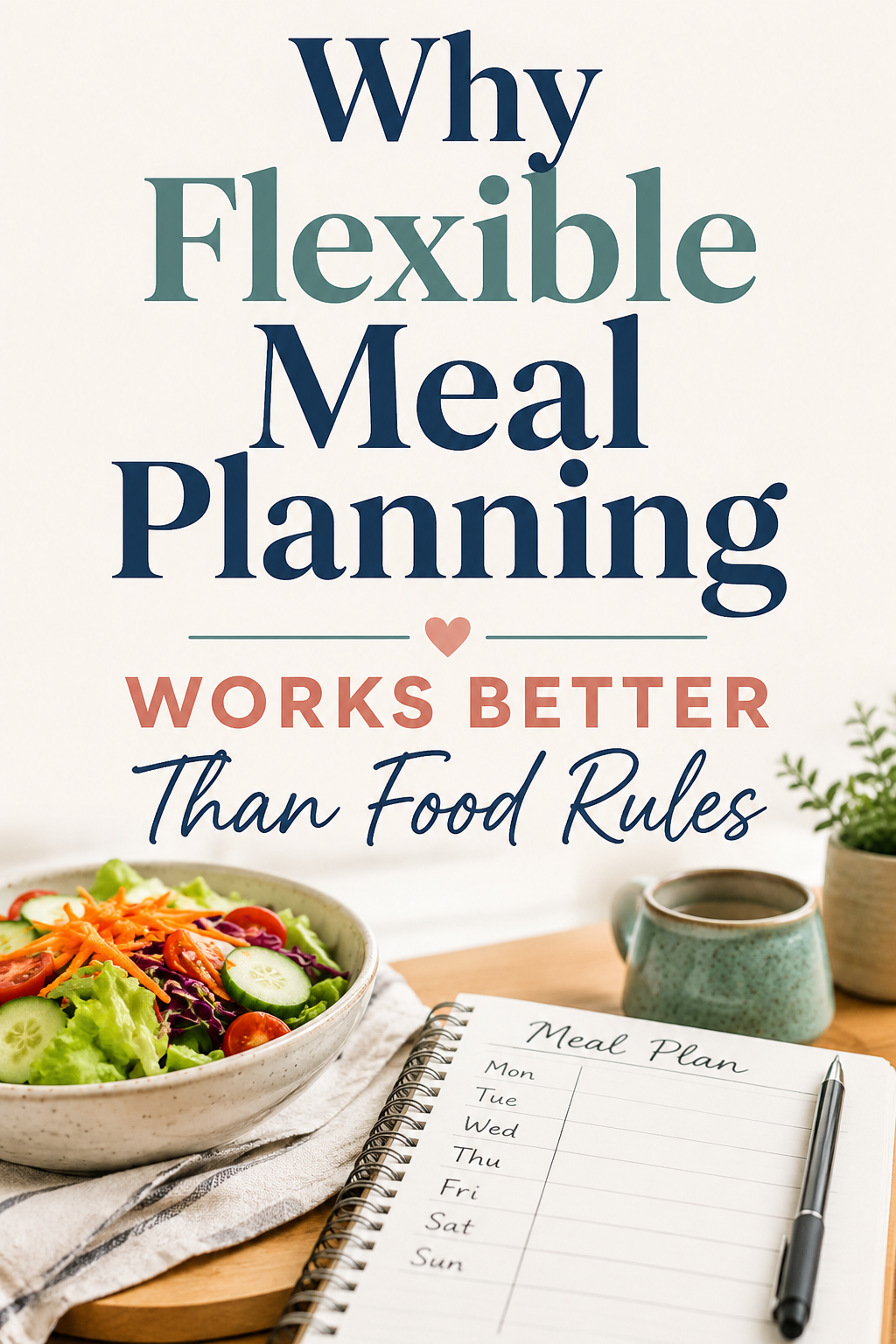
That is why rigid food rules rarely work for long. They may feel motivating on Monday morning, but they often collapse by Thursday night when the fridge is half-empty, someone forgot to thaw dinner, and the easiest option is whatever requires the least thinking.
Flexible meal planning offers a better path. It gives structure without turning food into a pass-or-fail test. Instead of asking people to follow a perfect plan, it helps them build a rhythm that can survive busy days, changing appetites, restaurant meals, workouts, family needs, and the occasional “we are absolutely having pizza tonight” kind of evening.
Some people use an alkaline meal plan as a starting point for more plant-forward eating, focusing on vegetables, fruits, legumes, nuts, seeds, and fewer highly processed foods. The healthiest way to approach that kind of plan is not as a promise to “rebalance” the body, but as one possible framework for adding more colorful, whole-food meals into the week.
The goal is not to eat perfectly. The goal is to make eating well easier to repeat.
Food Rules Create Pressure, Not Confidence
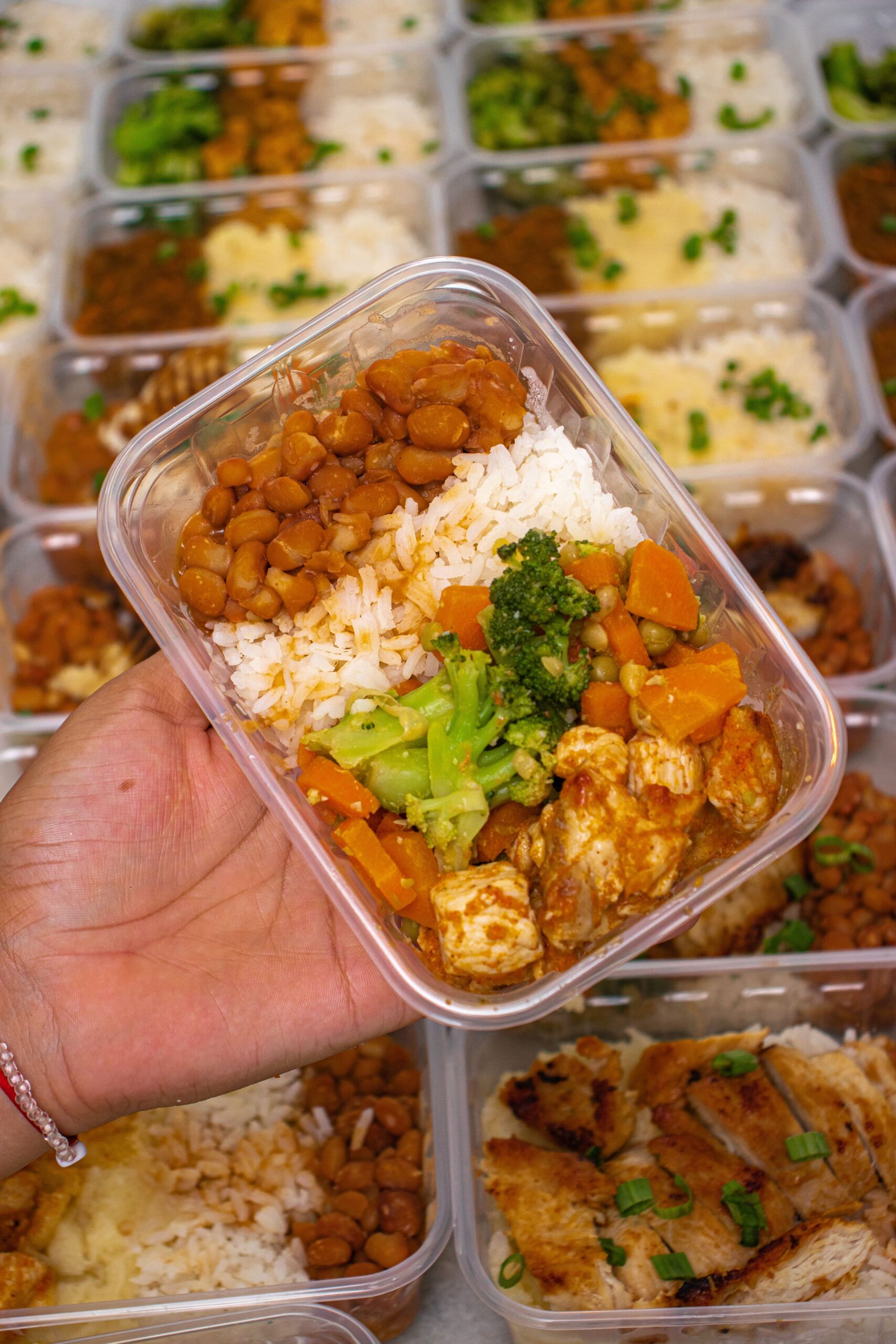
Food rules can feel comforting at first because they remove decision-making. Eat this. Avoid that. Never eat after a certain time. Always prep the same breakfast. Keep the same lunch on repeat. Follow the list.
The problem is that real life does not follow the list.
A friend invites you to brunch. Your workout runs late. Your kid refuses the meal you planned. You get home tired and realize the recipe needs forty-five minutes and three pans. You travel. You celebrate. You have a stressful day. You simply want something different.
When a plan is built around rules, normal life starts to feel like failure.
Flexible meal planning changes the tone. It does not ask, “Did I follow every rule?” It asks, “What would help me feel fed, steady, and prepared most of the time?” That is a much more useful question.
Healthy eating becomes less about control and more about care.
The Best Meal Plan Has Room to Move
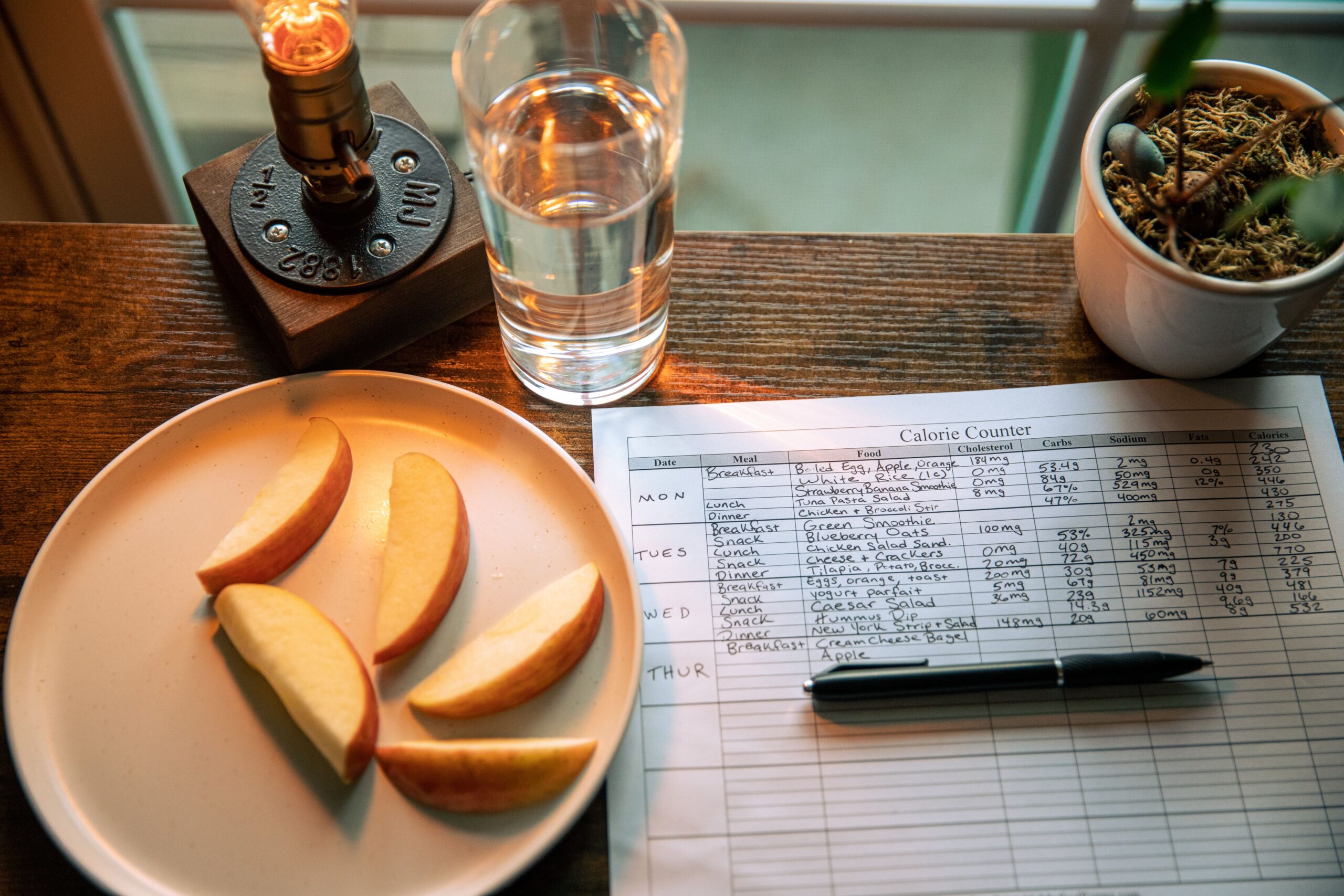
A flexible meal plan still has structure. It just leaves space for being human.
That might mean planning three dinners instead of seven. It might mean keeping two easy breakfasts in rotation. It might mean prepping ingredients instead of full meals. It might mean choosing a few “anchor foods” for the week, such as cooked grains, roasted vegetables, washed greens, boiled eggs, beans, yogurt, or a simple sauce.
This kind of planning gives you options without locking you into one exact menu.
For example, a batch of roasted sweet potatoes can become a breakfast bowl, a taco filling, a salad topping, or a side for dinner. Cooked quinoa can turn into a lunch bowl, a soup add-in, or a quick stir-together meal. A jar of dressing can make leftovers feel intentional instead of random.
Flexible planning works because it supports decisions before you are tired.
It does not demand that every meal be impressive. It helps the next meal be easier.
Plant-Forward Does Not Have to Mean All-or-Nothing
Many healthy eating frameworks encourage people to eat more plants, and that can be a helpful direction. Vegetables, fruits, beans, lentils, whole grains, nuts, seeds, herbs, and spices bring variety, color, texture, and satisfaction to meals.
But plant-forward eating does not have to mean dramatic restriction.
A person can add spinach to eggs, lentils to soup, berries to breakfast, chickpeas to a salad, or roasted vegetables to a grain bowl without turning their entire kitchen upside down. Small additions often feel more sustainable than sweeping changes.
This matters because many people quit healthy eating plans not because they dislike healthy food, but because the plan asks for too much change at once.
A flexible approach might sound like:
- Add one extra vegetable to dinner.
- Keep fruit visible and easy to grab.
- Prep one protein option ahead of time.
- Build lunches from leftovers instead of starting from scratch.
- Choose one new plant-based recipe each week.
- Keep convenience foods that still support your goals.
None of this requires perfection. It requires repetition.
Planning Should Reduce Decision Fatigue
One of the most underrated benefits of meal planning is mental relief.
A meal plan is not only about nutrition. It is also about reducing the number of food decisions you have to make when you are already busy. What should I buy? What can I make quickly? What will I eat after a workout? What can I pack for lunch? What will still sound good tomorrow?
Decision fatigue makes healthy choices harder. Not because people lack discipline, but because they are overloaded.
A helpful plan removes a few decisions ahead of time.
For some people, that means a written menu. For others, it means a grocery list organized by meal type. Some prefer a loose formula: one grain, one protein, two plants, one sauce. Others like theme nights, such as soup night, taco night, bowl night, breakfast-for-dinner night, or leftovers night.
The best system is the one you will actually use.
Personalization Matters More Than Perfection
A meal plan that ignores your life is not a good meal plan.
It may look beautiful on paper, but if it does not match your schedule, taste, budget, cooking confidence, household size, energy level, or food preferences, it will not last.
This is where more personal, adaptive tools can be useful. A personal AI agent such as Macaron is not just a fixed meal planning app with one set of features. It can take a natural-language request, such as “help me plan simple plant-forward lunches for busy workdays with ingredients I already like,” and turn that need into a lightweight mini app that fits the person’s routine.
That is different from downloading a generic template. The value is in shaping a small system around real life: preferred foods, repeated meals, shopping habits, prep time, and the kind of support someone actually wants.
For flexible meal planning, that matters because no two weeks look exactly the same.
Make a Plan for the Days That Go Sideways
Most meal plans are built for ideal days. Flexible meal planning is built for the days that do not go as planned.
A realistic plan includes backup meals. These do not need to be fancy. They just need to exist.
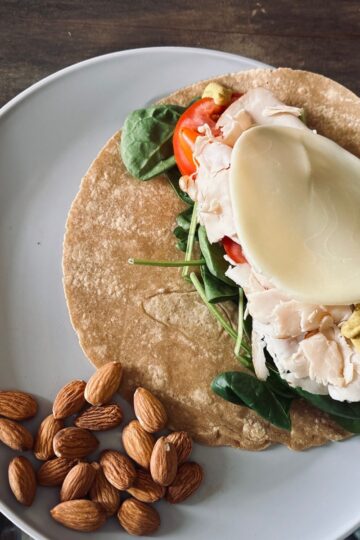
A backup meal might be scrambled eggs and toast, a smoothie with nut butter, a frozen veggie stir-fry, a bean and rice bowl, a big snack plate, a rotisserie chicken salad, soup from the freezer, or a quick wrap. The point is not culinary excellence. The point is having something that keeps you from feeling stuck.
Backup meals protect consistency.
They also reduce the all-or-nothing cycle. One unplanned dinner does not have to become a whole week of starting over. You simply return to the next reasonable choice.
That is the quiet strength of flexible planning.
Your Body Is Not a Spreadsheet
It is easy to turn wellness into tracking. Calories, macros, meal timing, hydration, steps, sleep, workouts, supplements, protein grams, fiber goals — all of these can be useful in the right context, but they can also become a lot.
Food is not only fuel. It is pleasure, culture, comfort, celebration, memory, and connection.
A healthy meal planning system should make room for that.
It should allow birthday cake, restaurant meals, snack cravings, family traditions, and nights when a simple dinner is enough. It should also allow people to eat in a way that supports energy, digestion, training, mood, and long-term health without turning every bite into a scorecard.
The point of a plan is not to control every meal.
The point is to support the life you are actually living.
What Flexible Meal Planning Can Look Like
A flexible weekly plan may be much simpler than people think.
Choose two breakfasts you like. Pick three dinners you can realistically make. Prep one or two ingredients that work in multiple meals. Buy enough easy lunch options to mix and match. Keep one backup meal in the freezer or pantry. Leave space for leftovers, social meals, and whatever sounds good later in the week.
That is enough structure to reduce stress without boxing you in.
For example, a week might include oatmeal and eggs for breakfast options, grain bowls and leftovers for lunch, and three planned dinners: veggie chili, salmon with roasted vegetables, and a chickpea pasta night. The remaining meals can flex around leftovers, plans, and appetite.
This is not a perfect plan. That is exactly why it can work.
A Kinder Way to Think About Healthy Eating
Flexible meal planning is not about lowering standards. It is about choosing standards that are livable.
A person can care about nutrition without being rigid. They can plan meals without controlling every bite. They can use food frameworks without turning them into moral rules. They can eat more plants without making every meal a project.
Healthy eating becomes more sustainable when it feels supportive instead of strict.
The most useful plan is not the one that looks best in a notebook or app. It is the one that helps you come home tired and still know what to do. It is the one that gives you enough direction to feel grounded and enough freedom to stay human.
Food rules tell you what to obey.
Flexible meal planning helps you build a life where nourishing yourself feels a little easier.