

East Africa is a region of extraordinary contrasts, where vast open savannas give way to ancient rainforests, and the iconic wildlife of the plains exists alongside some of the rarest primates on earth. Kenya and Uganda, two neighboring countries that share a border and a broadly similar climate, together offer a safari experience that is greater than the sum of its parts.
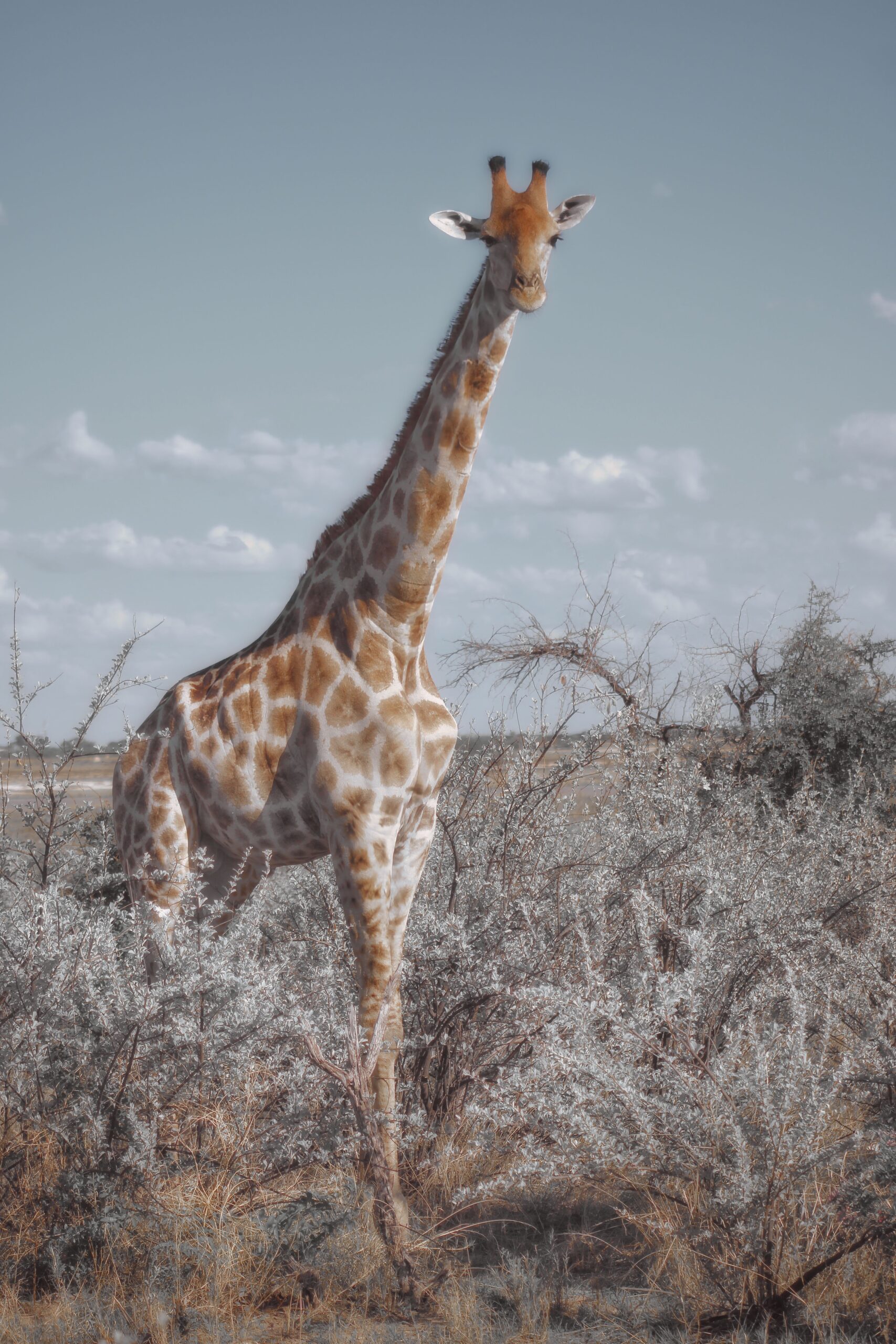
Combining both destinations in a single journey allows travelers to sample the full breadth of what East Africa has to offer, from the sweeping grasslands of the Maasai Mara to the mist-covered forests of Bwindi. For travelers ready to start planning, Uganda tours from Africa Safari Trips provide an excellent foundation for building a combined itinerary that does justice to both countries.
The Highlights of a Kenya Safari: What to Include
Kenya is the natural starting point for most combined East Africa itineraries, both geographically and in terms of international flight connections. Nairobi, Kenya's capital, is one of the best-connected cities in Africa and serves as the main gateway for travelers arriving from Europe, North America, and beyond. From Nairobi, the country's most celebrated safari destinations are within relatively easy reach by road or light aircraft.
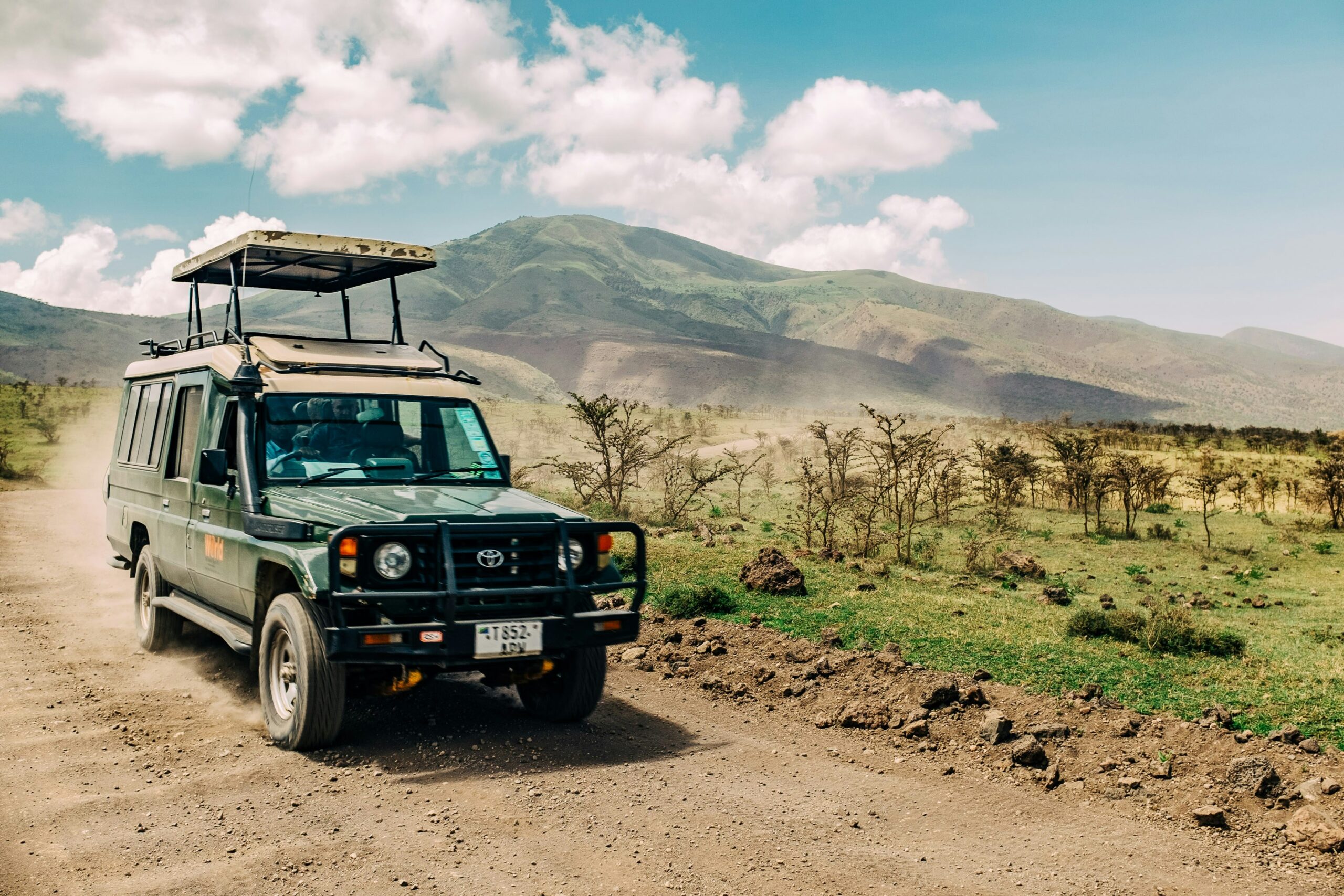
The Maasai Mara National Reserve is the centerpiece of any Kenya safari and should be considered a non-negotiable inclusion in a combined itinerary. A minimum of three nights in the Mara allows sufficient time to experience the reserve's extraordinary wildlife without feeling rushed. Amboseli National Park, with its iconic elephant herds and views of Mount Kilimanjaro, makes a compelling addition, particularly for photographers. Travelers with more time might also consider Samburu National Reserve in the north, which offers a very different landscape and a cast of wildlife unique to Kenya's arid northern frontier.
The Highlights of a Uganda Safari: What to Include
Uganda's safari highlights are anchored by its primate experiences, and no visit to the country is complete without at least one gorilla trekking permit in Bwindi Impenetrable Forest or Mgahinga Gorilla National Park. Gorilla trekking is the experience that draws most travelers to Uganda in the first place, and it invariably lives up to and exceeds expectations. Permits should be secured well in advance, as availability is limited and demand is consistently high.
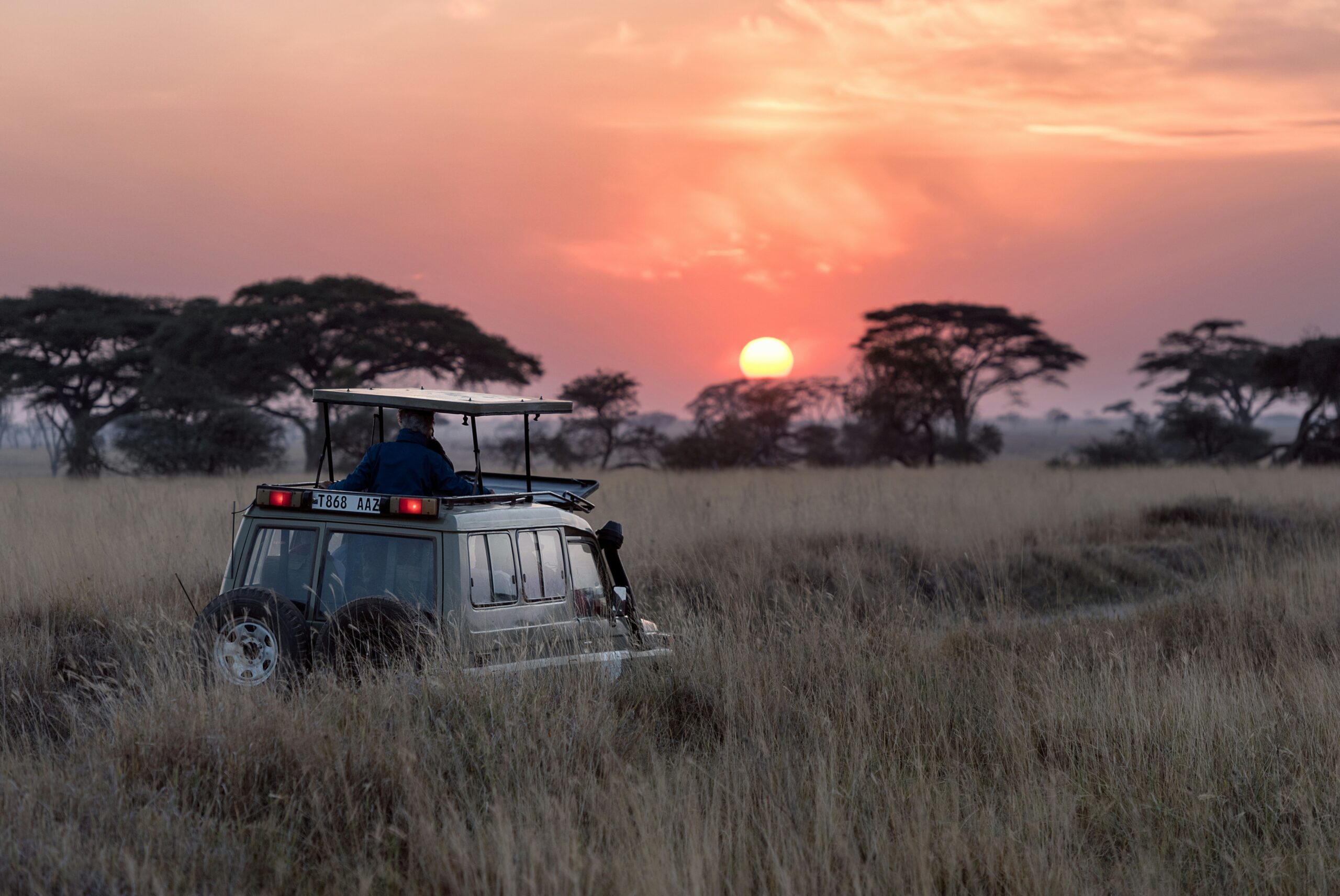
Beyond gorillas, Kibale National Park offers outstanding chimpanzee trekking in a forest environment of great beauty and biodiversity. Queen Elizabeth National Park rounds out a western Uganda itinerary with its tree-climbing lions, boat safaris along the Kazinga Channel, and diverse savanna wildlife. For travelers with additional time and a spirit of adventure, Murchison Falls National Park in the north delivers dramatic Nile scenery, large elephant herds, and giraffes moving across open plains in a landscape of genuine grandeur.
Suggested Itineraries: How to Structure Your Combined Trip
The structure of a combined Kenya and Uganda itinerary depends largely on the total time available and the experiences that matter most to the traveler. A focused two-week itinerary might allocate six to seven nights to Kenya, covering the Maasai Mara and Amboseli, and five to six nights to Uganda, combining Bwindi and Kibale with a stop in Queen Elizabeth National Park. This division allows enough time in each country to experience its highlights without spreading the itinerary too thin.
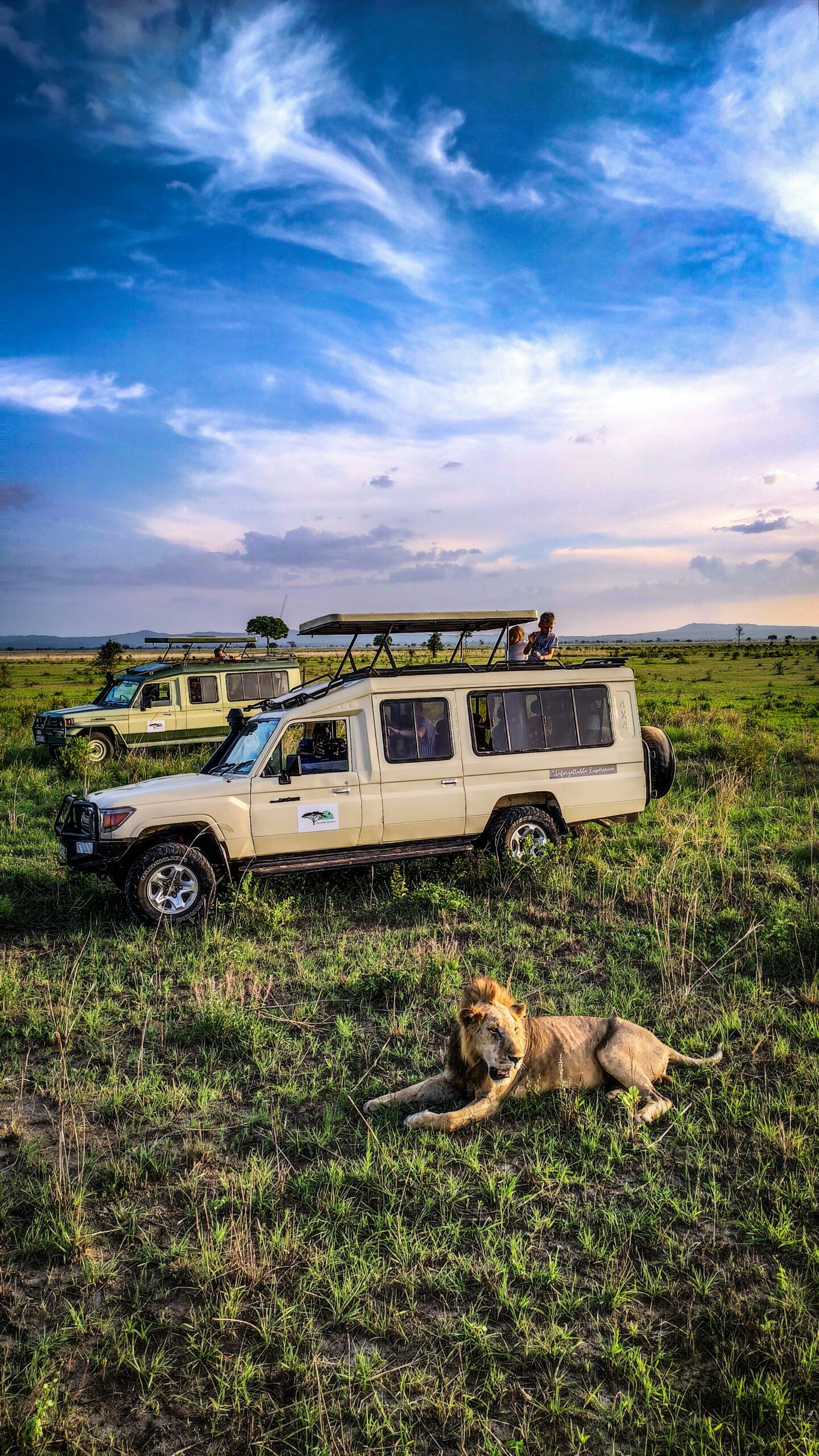
For travelers with three weeks or more, the itinerary can be expanded considerably. Additional nights in the Maasai Mara, a detour to Samburu in Kenya, or the inclusion of Murchison Falls and Kidepo Valley National Park in Uganda all become viable options with a longer timeframe. A three-week combined itinerary is particularly well suited to travelers who want to experience both the classic savanna safari and the forest primate experience in depth, without the sense of rushing between destinations that a shorter trip can sometimes produce.
Getting Between Kenya and Uganda: Practical Travel Information
The logistics of moving between Kenya and Uganda are straightforward and well established. The most efficient option for most travelers is a short domestic flight between Nairobi and Entebbe, Uganda's main international airport situated on the shores of Lake Victoria. Several airlines operate this route daily, and flight times are typically around one hour. Flying between the two capitals keeps travel time to a minimum and allows more of the itinerary to be spent in the field rather than in transit.
For travelers who prefer overland travel or who are combining their safari with a broader exploration of the region, the road crossing between Kenya and Uganda at Busia or Malaba is a viable option. The overland journey from Nairobi to Kampala takes approximately ten to twelve hours by road, passing through diverse landscapes and offering a ground-level perspective on the region that flying cannot provide. Most travelers on a time-limited itinerary opt for the flight, reserving overland travel for specific legs of the journey where the route itself offers something of interest.
The Best Time of Year for a Combined Kenya and Uganda Safari
Both Kenya and Uganda can be visited year-round, but certain periods offer conditions that are particularly well suited to a combined itinerary. The long dry season between June and October is widely regarded as the best overall window for a dual-country East Africa trip. In Kenya, this period coincides with the Great Migration and the peak of predator activity in the Maasai Mara. In Uganda, the drier conditions make forest trails more manageable for gorilla and chimpanzee trekking and reduce the likelihood of disruption from heavy rainfall.
The shorter dry season between January and February is another excellent option, offering outstanding game viewing in Kenya's savanna parks and comfortable trekking conditions in Uganda's forests. This period is particularly appealing for travelers who want to avoid the peak season crowds of July and August while still benefiting from dry weather and high wildlife visibility. The rainy seasons, while presenting some logistical challenges, bring their own rewards in terms of lush scenery, lower prices, and reduced tourist numbers, and should not be dismissed entirely by travelers with flexible schedules.
Tips for Making the Most of a Dual-Country East Africa Itinerary
A combined Kenya and Uganda safari requires more advance planning than a single-country trip, and the earlier you begin the process the better. Gorilla trekking permits in Uganda are the most time-sensitive element of any itinerary, as they are issued in limited numbers and sell out months in advance during peak season. Securing permits before finalizing the rest of the itinerary is a practical approach that ensures the centerpiece of the Uganda leg is guaranteed before other arrangements are made.
Building adequate buffer time into the itinerary between destinations is equally important. Travel days in East Africa can occasionally take longer than anticipated due to road conditions, domestic flight schedules, or border crossing formalities, and an itinerary with a degree of flexibility built in is far less stressful than one that requires everything to go precisely to plan. Finally, approaching the two countries with an open mind and an appreciation for their differences rather than comparing them to each other will ensure that each destination is experienced on its own terms. Kenya and Uganda are complementary rather than interchangeable, and the traveler who embraces what makes each country unique will leave East Africa with a richer and more complete understanding of this extraordinary region. For those ready to take the first step, Africasafaritrips is a practical resource for turning these plans into reality.