

This old guy in a Split café was telling me about his father's war stories. "The whole island was like Swiss cheese," he said, waving his hands around. "Tunnels everywhere, hidden from planes." I thought he was exaggerating. Old people do that sometimes.
Two months later, I'm on a boat heading to Vis, and our guide is pointing at what looks like a normal cave opening. "Submarine base," he says casually. Turns out the old guy wasn't exaggerating at all. If you like this story, check out my visit to Historic Fort Morgan.
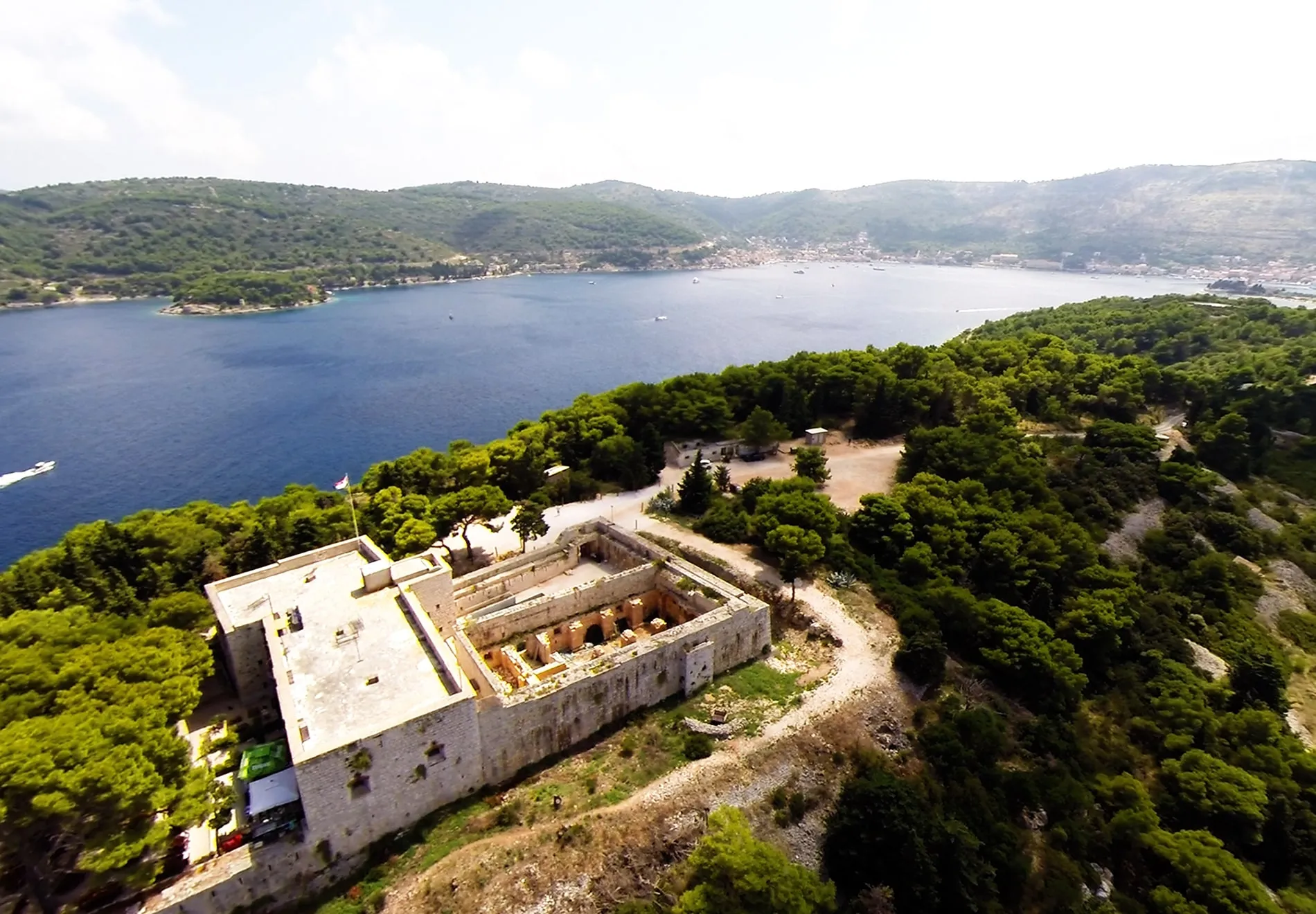
Vis - The Island That Was Off-Limits
From 1944 to 1989, you couldn't visit Vis. Not if you were foreign, not even if you were Yugoslav but didn't have special permission. The military controlled everything.
This was bad news for locals at the time - no tourism, no visitors, limited connection to the mainland. But it accidentally preserved something unique. While other Croatian islands were being developed for tourism, Vis stayed frozen in time.
The island sits 45 kilometers from the Croatian coast, which made it perfect for controlling shipping routes in the Adriatic. What you see today is just a fraction of what was built there. A lot remains classified or simply forgotten, hidden under 30 years of plant growth.
The Underground World
Tito's Naval Base
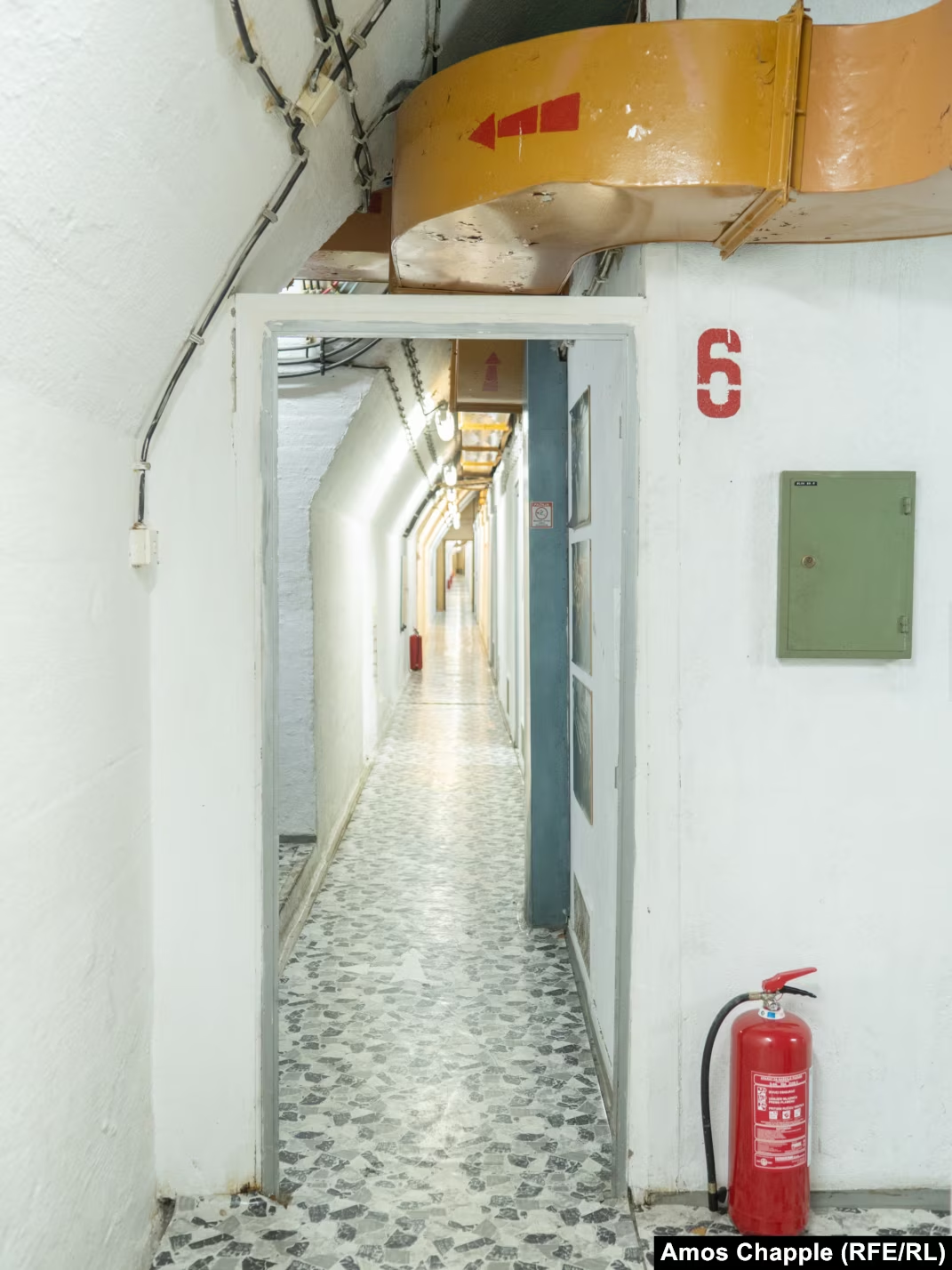
The main tunnel system is carved directly into limestone cliffs. It could hide submarines, torpedo boats, and supply ships completely out of sight from above. Standing at the entrance, you're looking at 15 years of construction work.
Our guide Petar's father worked on the tunnels. The main tunnel goes 280 meters into the cliff, with side chambers for ammunition, fuel, and repairs.
I tried to imagine working in there during construction. No machines, just men with tools, carving through solid rock. The scale of it is hard to grasp until you're standing inside.
Why You Need to See It from the Water
The Full Picture
Many of Vis's military sites are only accessible by boat. Land tours miss the scope of the island's defenses, which were specifically designed to repel naval attacks. From the water, you see how the entire coastline was fortified.
I've done both land and sea tours. The difference is huge. From a boat, you understand how every bay, every cliff, every natural feature was turned into part of a defensive system. Gun positions, observation posts, hidden harbors - they're all positioned to create overlapping fields of fire.
If you want to experience Vis this way, you can even join a group tour from Split that includes a visit to the island as part of the itinerary.
Hidden Military Coves
Vis's coastline has dozens of small coves that served military purposes. Many housed patrol boats, supply depots, or communication stations. Today, these same coves offer some of the best swimming in the Adriatic.
Stiniva Cove, now famous for its beauty, once hid patrol boats. The narrow entrance that makes it so photogenic also made it nearly invisible to enemy reconnaissance. Swimming there today, you're literally floating over history.
Military Sites You Can Visit
Tito's Cave
The cave complex where Josip Broz Tito had his headquarters during World War II is one of Vis's most visited sites. From here, he coordinated resistance operations across the Balkans while hiding from German forces.
The cave was naturally formed but extensively modified for military use. The tour reveals the basic conditions under which crucial wartime decisions were made. Radio equipment, maps, and personal items are still on display.
The cave's acoustics meant conversations could be heard throughout the complex. Even Tito couldn't have private conversations. Everything was shared, whether you wanted it to be or not.
Fort George

Built by the British during their brief occupation (1811-1815), Fort George sits on Vis's highest point. The views explain why it was strategically valuable - observers could monitor ship movements across the central Adriatic.
Restoration work continues, with archaeological discoveries regularly revealing new aspects of its history. During my last visit, workers had found a previously unknown tunnel system connecting the fort to the harbor below. Vis's military engineers have been thinking underground for over 200 years.
Combining History with Natural Beauty
Sunset Tours
Vis's military history becomes more compelling during sunset. As shadows lengthen, hidden entrances and camouflaged positions become visible. It's like watching the island reveal its secrets.
Private tour from Split Sunset tour from Split offers the ideal combination of historical exploration and natural beauty. Companies like Condor Yachting understand that Vis's story is best told from the water, where you can see the full scope of its military transformation.
Golden hour light transforms the limestone cliffs, highlighting details invisible during midday. Gun positions carved into rock faces become clearly visible. The strategic positioning of installations makes perfect sense when viewed from an enemy's perspective.
Swimming in Military Waters
One of Vis's strangest experiences is swimming in waters that once harbored military vessels. The Adriatic around Vis is exceptionally clear - visibility often exceeds 30 meters - so snorkelers can see remnants of the island's military past on the seabed.
During a snorkeling session in Rukavac Cove, I found concrete blocks that once anchored anti-submarine nets. These underwater artifacts, now covered with marine life, create artificial reefs that attract fish species rarely seen elsewhere.
Practical Stuff
Safety and Access
While most of Vis is open to visitors, some former military areas remain restricted or dangerous. Unexploded ordnance occasionally surfaces, and some tunnel systems are structurally unsound. Always use authorized guides when exploring military sites.
Local guides have knowledge passed down through families who lived through the military period. Their insights are invaluable for understanding what you're seeing. Don't venture into unmarked areas alone.
Best Times to Visit
I've been to Vis in different seasons. May, June, September, and October offer ideal conditions for exploring military sites. Summer crowds can make popular tunnels uncomfortably busy. Winter weather limits boat access to coastal installations.
Spring visits coincide with wildflower blooms that have reclaimed many abandoned military positions. The contrast between nature and history creates beautiful, sometimes surreal scenes.