
There's a particular disappointment that comes with uncorking a bottle of wine at a scenic overlook, only to find it's gone lukewarm in the trunk.
For travelers who appreciate wine, temperature isn't just a preference—it's the difference between tasting what the winemaker intended and settling for something flat and unbalanced. A portable wine chiller solves this problem without requiring coolers full of melting ice or frantic searches for refrigeration at rest stops.
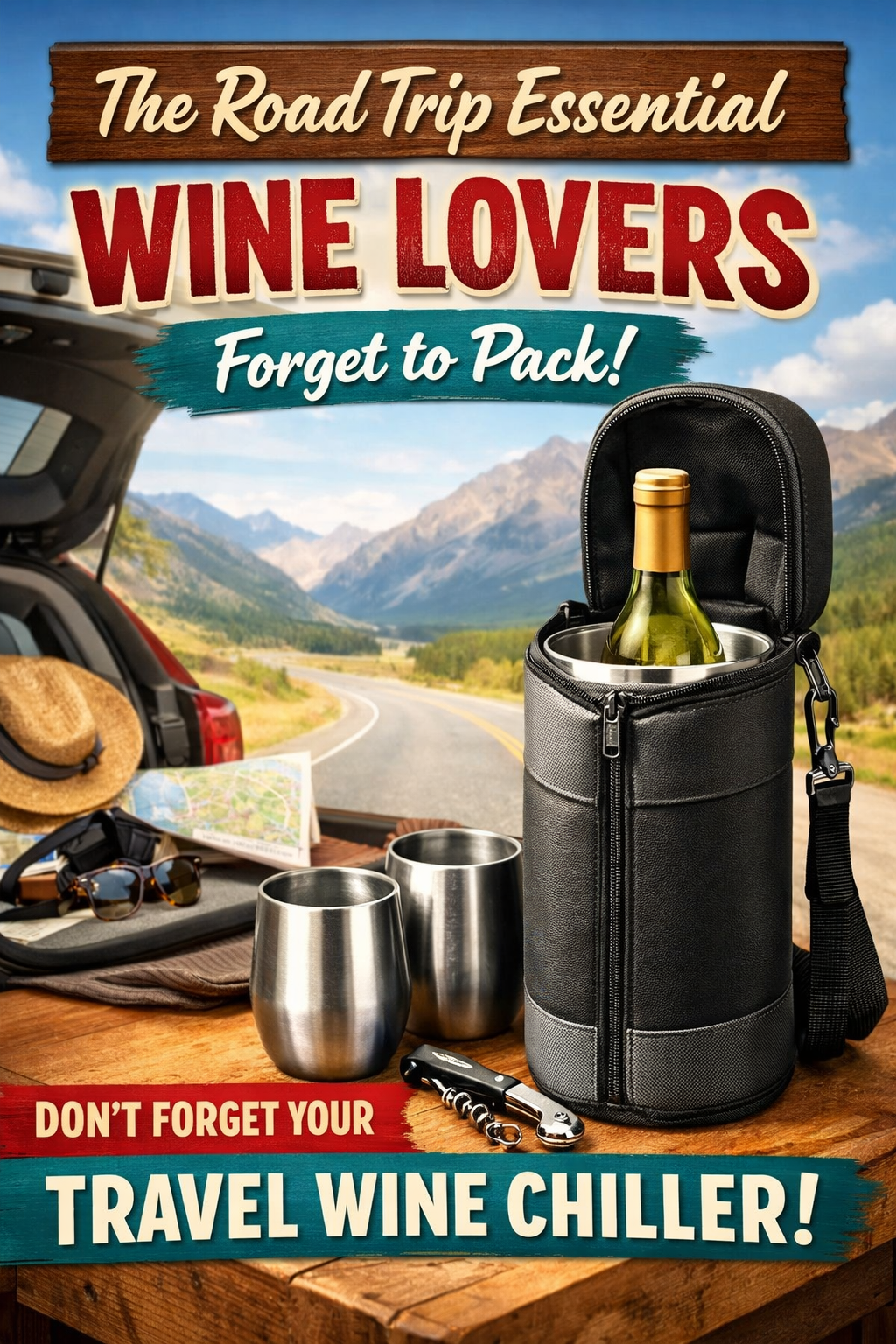
Whether you're planning a weekend escape through wine country or simply want to elevate a roadside picnic, keeping wine at its proper serving temperature transforms the experience. Here's what to know about choosing and using a portable wine chiller for your next adventure.
Why Temperature Matters More Than You Think
Wine's flavor profile shifts dramatically with temperature. Serve a Chardonnay too warm, and the alcohol overpowers the fruit notes. Pour a Pinot Noir too cold, and its subtle aromatics disappear entirely. Proper serving temperature is essential for experiencing a wine's intended flavor and aroma characteristics.
For travelers, maintaining these temperatures presents a challenge. A portable wine chiller addresses this by:
- Eliminating the ice bucket hassle: No more searching for ice at gas stations or dealing with diluted wine from melted cubes leaking into your picnic basket.
- Fitting into existing travel gear: Modern designs are compact enough to slip into a backpack or car door pocket without monopolizing space.
- Preserving quality throughout the journey: Consistent temperature prevents the flavor degradation that occurs when wine repeatedly warms and cools.
The convenience factor alone makes these devices worthwhile, but the real payoff is sensory—every glass tastes as it should, whether you're an hour from home or halfway across the country.
Understanding Your Options

Not all wine chillers function the same way, and choosing the right type depends on how you travel and what you're drinking. The main categories include:
- Single-bottle sleeves: These insulated wraps fit snugly around one bottle and work well for solo travelers or couples. They're lightweight, often collapsible, and require minimal setup. In this space, Vinglacé, Corkcicle, and Rabbit Wine are among the more recognized names, each offering variations on insulation material and carry design.
- Insulated totes: Designed to hold multiple bottles, these resemble small cooler bags with specialized compartments. They're ideal for group outings or longer trips where you'll want variety.
- Electric chillers: Battery-powered or car-adapter models actively cool wine rather than just insulating it. These offer the most precise temperature control but add weight and require power access.
Each style has trade-offs. Single-bottle options maximize portability but limit capacity. Insulated totes offer flexibility but may not maintain temperature as long without pre-chilling. Electric models deliver restaurant-quality results but aren't practical for backcountry hiking.
What to Look for When Choosing

The best wine chiller for travel balances performance with practicality. Before purchasing, consider these factors:
- Cooling method: Gel-pack inserts work for short trips but lose effectiveness after a few hours. Electric systems maintain temperature longer but need charging. Vacuum-insulated designs offer a middle ground, using advanced insulation technology without requiring power.
- Capacity versus size: A chiller that holds four bottles sounds appealing until you're trying to fit it in an already-packed car. Measure your available space and be realistic about how much wine you'll actually transport.
- Durability for travel conditions: Look for materials that can handle being tossed in a trunk or strapped to luggage. Reinforced seams and leak-proof construction prevent disasters.
- Ease of cleaning: Wine spills happen. Removable, washable liners or wipe-clean interiors save frustration later.
Weight matters more than many buyers anticipate. A chiller that adds three pounds when empty becomes significantly heavier with bottles inside, which affects everything from carrying comfort to fuel efficiency on long drives.
How Wine Culture Shapes Chilling Practices
Attitudes toward wine temperature vary considerably across regions and traditions. In France, serving temperatures are taken seriously, with specific guidelines for different wine styles that have been refined over generations. Italian wine culture similarly emphasizes proper temperature, though preferences may differ based on local climate and grape varieties.
Warmer wine-producing regions like Australia and parts of California tend toward more aggressive chilling, partly as a practical response to ambient heat. These regional differences aren't just about preference—they reflect how climate, tradition, and wine style intersect. Understanding these perspectives can inform your own approach, especially when traveling through different wine regions and sampling local bottles.
Getting the Most from Your Chiller
Owning a quality wine chiller is only half the equation. Using it effectively requires some planning:
- Start with pre-chilled wine: Portable chillers maintain temperature better than they create it. Refrigerate bottles before packing them, giving your chiller a head start.
- Minimize opening frequency: Each time you unzip or open the chiller, warm air enters. Retrieve what you need and close it promptly.
- Position strategically in your vehicle: Avoid placing chillers in direct sunlight or near heat sources like the engine compartment. The floor behind the front seats often provides the most stable, cool environment.
- Use frozen gel packs for extended trips: Even insulated chillers benefit from supplemental cooling on multi-day journeys. Place gel packs around bottles without letting them directly contact labels.
- Clean after each trip: Residual moisture can lead to mildew or odors. Wipe down interiors and allow complete drying between uses.
For electric models, charge fully before departure and bring a car adapter as backup. Battery life varies significantly between brands, and running out of power mid-trip defeats the purpose.
Elevating the Experience Beyond Temperature
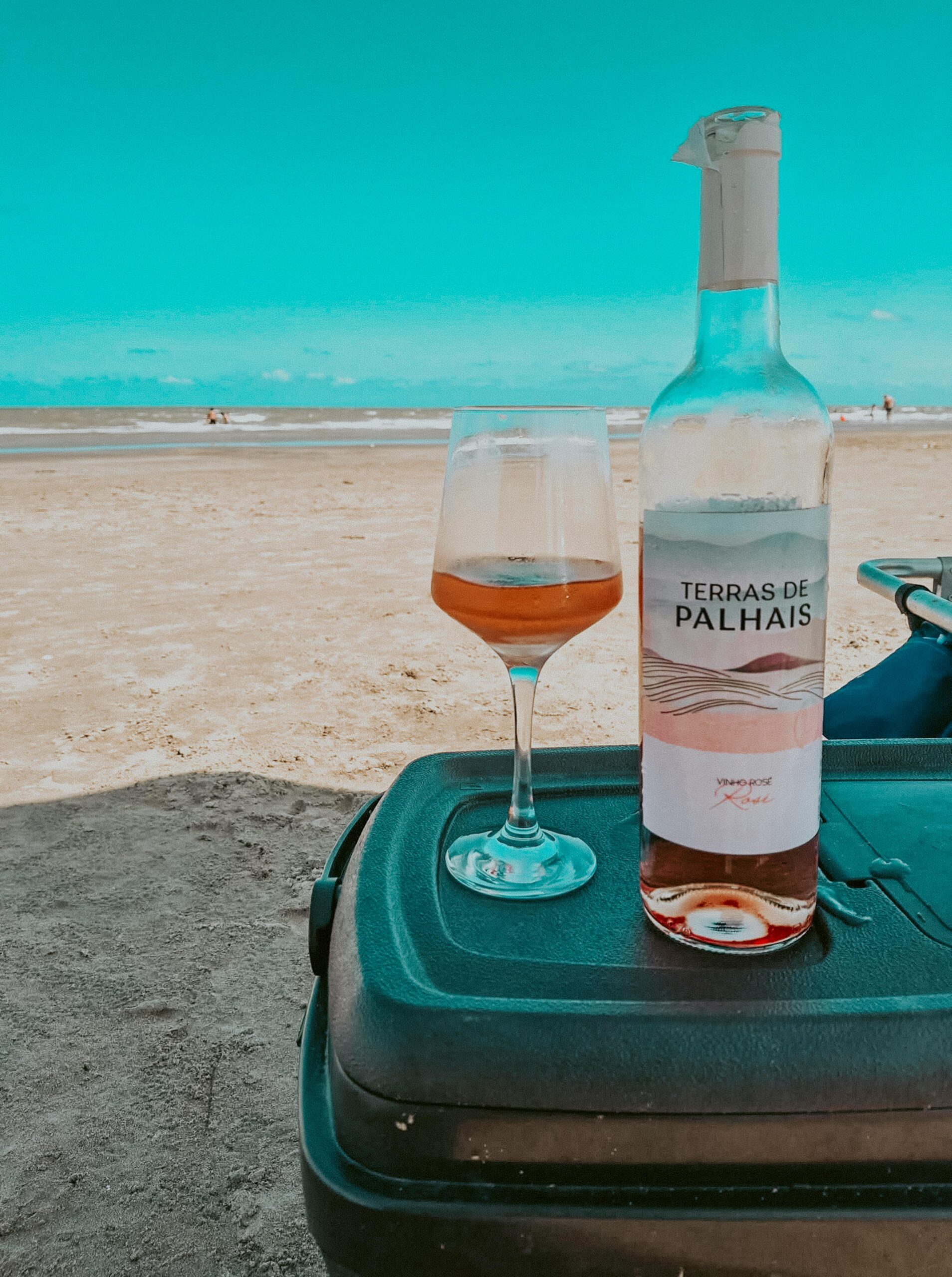
A properly chilled bottle enhances more than just flavor—it changes the entire ritual of drinking wine while traveling. There's something civilized about pulling a perfectly cooled Sauvignon Blanc from your gear at a trailhead or beach, transforming an ordinary break into a memorable moment.
Temperature control also expands your wine options. Without reliable chilling, travelers often default to reds that tolerate warmth better. A good chiller opens up the full spectrum of whites, rosés, and sparkling wines that might otherwise be impractical to transport.
Consider pairing your chiller with proper glassware rather than plastic cups. The investment in a portable wine chiller suggests you care about the experience—stemless wine glasses designed for travel complete that commitment without adding much bulk.
Making It Part of Your Travel Routine
For wine enthusiasts who travel regularly, a portable chiller quickly becomes as essential as a good cooler or quality luggage. The key is integrating it into your packing routine so it's always ready when opportunity strikes.
Here's how to make that happen:
- Keep it accessible: Store your chiller with other travel gear rather than buried in a closet. If it's easy to grab, you'll actually use it.
- Build a travel wine kit: Pair your chiller with a compact corkscrew, wine stopper, and small towel for spills. Having everything in one place eliminates last-minute scrambling.
- Research wine regions along your route: Travel planning that incorporates wine country visits becomes more rewarding when you can properly store and serve your discoveries.
- Experiment with different wine styles: Use your chiller as an excuse to try bottles you might normally avoid due to temperature sensitivity. A well-chilled Grüner Veltliner or Albariño can be revelatory on a warm afternoon.
The goal isn't to turn every trip into a wine-focused journey, but rather to ensure that when you do want to enjoy a bottle, the experience matches your expectations. A portable wine chiller makes that possible without requiring elaborate planning or perfect conditions.
Whether you're a seasoned oenophile or simply someone who appreciates a good glass of wine in beautiful settings, the right chiller transforms how you travel. It's a small addition to your gear that delivers outsized returns in enjoyment—and isn't that what the best travel equipment should do?