
Tuscany represents one of the most fascinating cultural and scenic destinations in Italy, a region offering a high concentration of historical and artistic heritage along with natural landscapes. An itinerary across its territory allows travelers to explore cities of major historical significance as well as medieval villages with well-preserved structures.
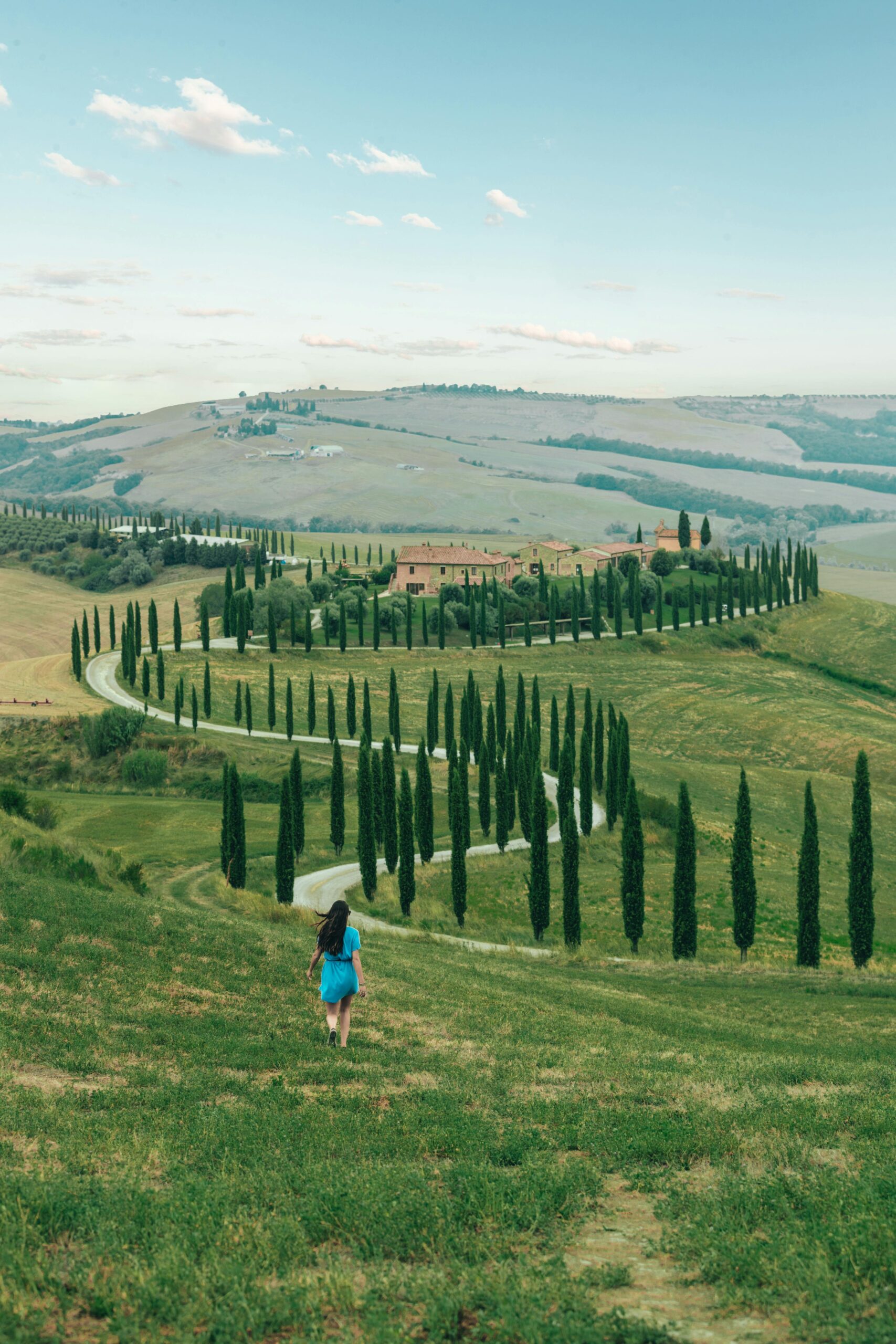
Such a journey leads through the most meaningful locations, to admire their main attractions and unique features. Visitors have the opportunity to understand the richness and diversity of this region, planning a trip that combines the art of large cities with the discovery of the surrounding rural scenery.
"Exploring various cities across Tuscany can be even more rewarding when the journey itself becomes part of the experience. If you wish to travel comfortably while enjoying the region’s scenic routes, a private driver between Tuscan cities is a great option. It will allow you to appreciate the countryside at a relaxed pace and stop at picturesque villages along the way
Florence: the treasures of the Renaissance
Florence is, in every respect, the center of the Italian Renaissance and a fundamental starting point for any cultural itinerary in Tuscany. Its historic center, declared a UNESCO World Heritage Site, is a true open-air museum.
The Cathedral of Santa Maria del Fiore dominates the city, mainly thanks to the dome designed by Filippo Brunelleschi, a genuine masterpiece of engineering and architecture. A short distance away lies the Uffizi Gallery, one of the most important museums in the world for its Renaissance painting collection, showcasing essential works by artists such as Giotto, Botticelli and Leonardo.
Another symbolic monument is the Ponte Vecchio, famous for the goldsmiths’ shops built along its structure and for being the only bridge in the city spared during World War II. Outside the urban core, heading toward panoramic viewpoints such as Piazzale Michelangelo, the surrounding landscape is marked by the presence of the typical Tuscan houses, distinctive constructions of the region that blend seamlessly into an extraordinary natural setting.
The medieval urban layout of Siena
Heading south, one reaches Siena, a city offering a remarkable example of medieval town planning. Its historical and artistic development, different from that of Florence, is expressed through predominantly Gothic architecture.
The heart of city life is Piazza del Campo, known for its original shell shape and for being one of the best-preserved medieval public squares in Europe. Overlooking this square are the Palazzo Pubblico and the Torre del Mangia.
Piazza del Campo is also home to the Palio, a historic horse race involving the Contrade, the city’s ancient districts, which remains a central element of Siena’s identity. The Cathedral of Santa Maria Assunta is another highly valuable site, with a richly decorated façade and interiors that house works by Donatello, Michelangelo and Pinturicchio, along with an exquisite marble inlaid floor.
The artistic heritage of Pisa
Pisa is world-famous for its Leaning Tower, yet the city’s monumental heritage goes far beyond its most iconic attraction. The Piazza del Duomo, known as Piazza dei Miracoli, is an architectural complex representing Pisan Romanesque style.
In addition to the tower, the square hosts the Cathedral of Santa Maria Assunta, the Baptistery of St. John and the Camposanto Monumentale. The entire complex has been listed as a UNESCO World Heritage Site. For a broader view of the city, it is worth walking along the Lungarni, the streets lining the Arno River, where historic palaces and churches stand.
Lucca, the city of a hundred churches
Lucca is distinguished by its city walls, an extraordinary construction preserved in its entirety for more than four kilometers. This structure has been transformed into an urban park, with a pedestrian and cycling path encircling the entire historic center.
Inside the walls, the city boasts a wealth of monuments, with a high number of religious buildings that earned it the nickname “city of a hundred churches.”Of particular interest is Piazza dell’Anfiteatro, built on the remains of a 2nd-century Roman amphitheater, which still retains its characteristic elliptical shape. Lucca is also the birthplace of composer Giacomo Puccini, whose legacy is celebrated through a museum in his native home and a constant program of musical events.