
Strong food and travel quiz design turns quiet curiosity about Europa-Park into steady interest in real paths, themed areas, and snacks.
Short prompts, clear answers, and small surprises keep attention high while core ideas land. Memory grows when questions mix recall with light reasoning, for example, linking a coaster to its country theme or a snack to its area of the park.
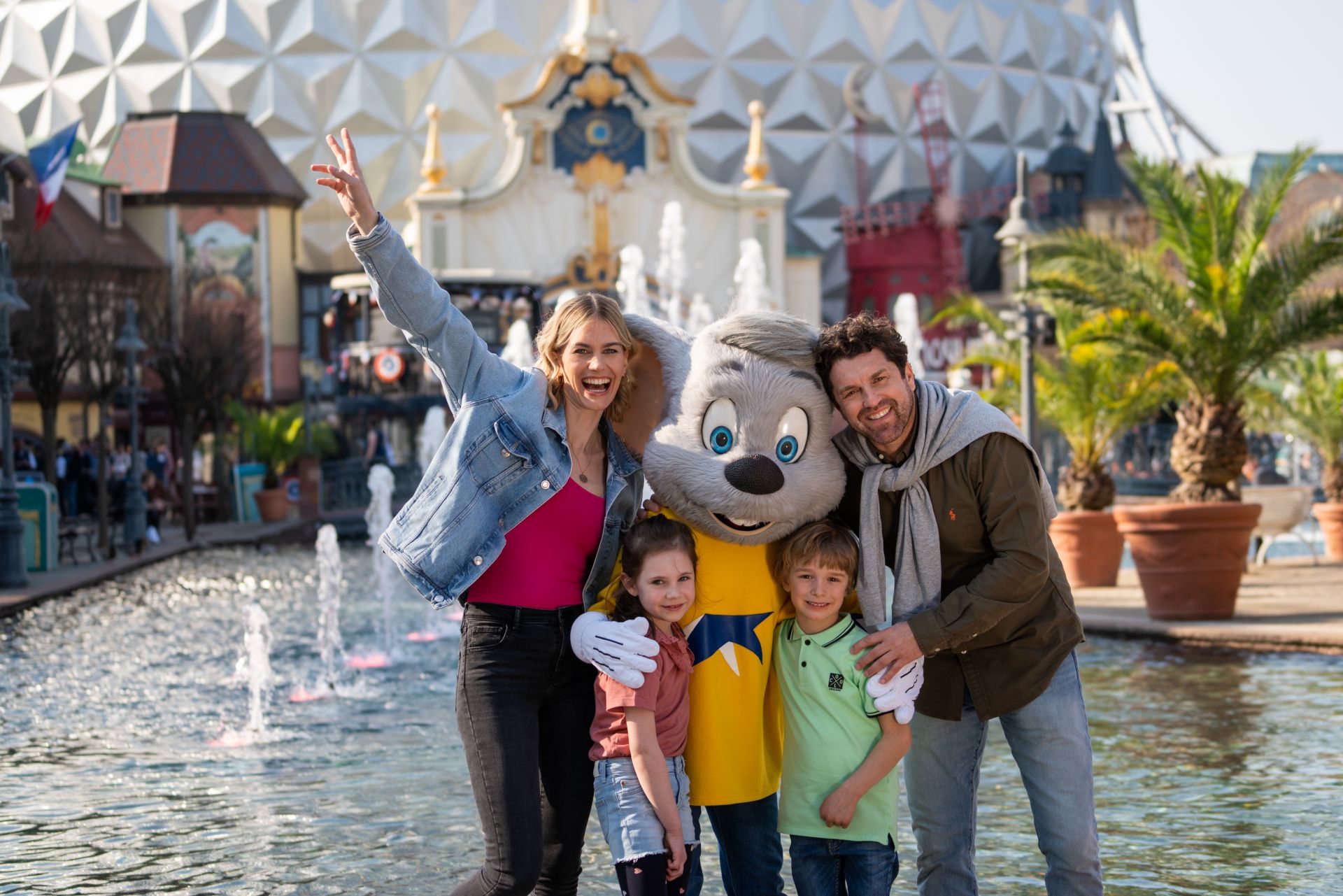
Curated sets of trivia questions about Europa-Park near Strasbourg help families and teachers save prep time while keeping quality consistent on every visit.
Table of Contents
Variety matters. Local food stands, simple German and French words, euro prices, districts of the park, and basic route facts give each child an entry point. One clear question, one correct answer, and one simple explanation create a rhythm that builds confidence without pressure and quietly prepares for real walks between rides.
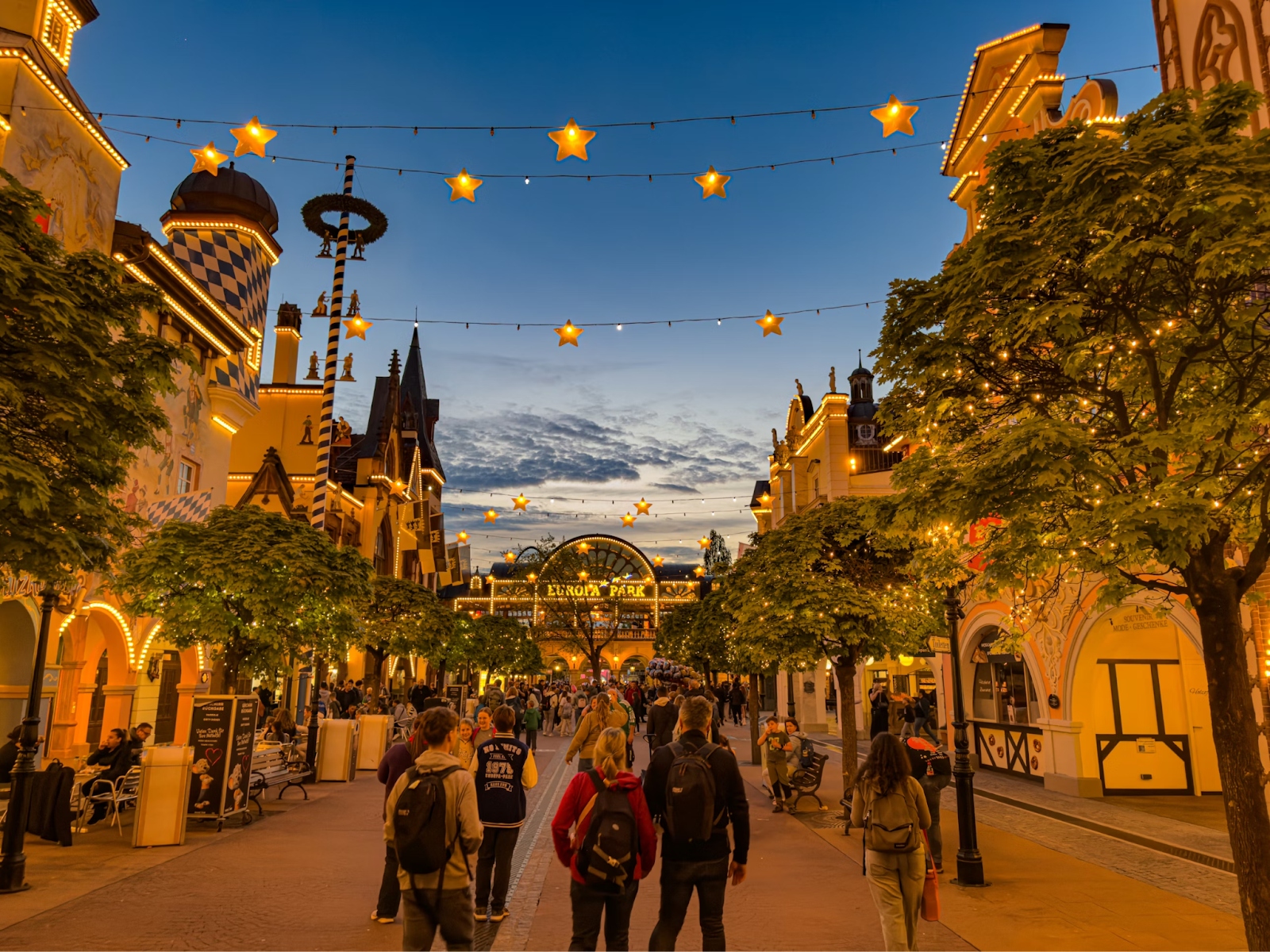
How To Shape A Kid-Friendly Food & Travel Quiz Flow
Begin with purpose. A short quiz can warm up a day in Europa-Park, add energy on the drive from Strasbourg, or fill a queue in front of a popular ride.
Decide the goal, then choose formats. Multiple choice lowers anxiety. Short answers reveal understanding of area names. Picture prompts with dishes, mascots, or roller coasters welcome visual thinkers. Keep timing gentle and tone encouraging so each round feels like shared trip planning, not a test.
- Animal Detective
Which animal mascot appears on many Europa-Park signs and souvenirs - Word Switch
What is the German word for “thank you” often heard in cafés around the park - Number Snap
How many euros are needed for four pretzels if one pretzel costs 3 euros - Shape Check
Which ride area has a large round wheel-like structure that turns slowly in the sky - Map Moment
Which direction from the main entrance leads toward the French themed section
After each answer, add one sentence that links the fact to a real visit. A note such as “The word danke on a café sign or receipt means thank you, useful after ordering a snack” guides attention in the park and turns every stop into a gentle scavenger hunt.
Make Questions That Teach Local Culture, Not Just Test Facts
Every prompt can carry a tiny slice of Europa-Park. Food items work well in a three-step arc: what the snack is, where to find it, and why it fits the theme of that country area. Language items feel stronger with a translation, a simple phrase, and one short model sentence that might be used at a stall.
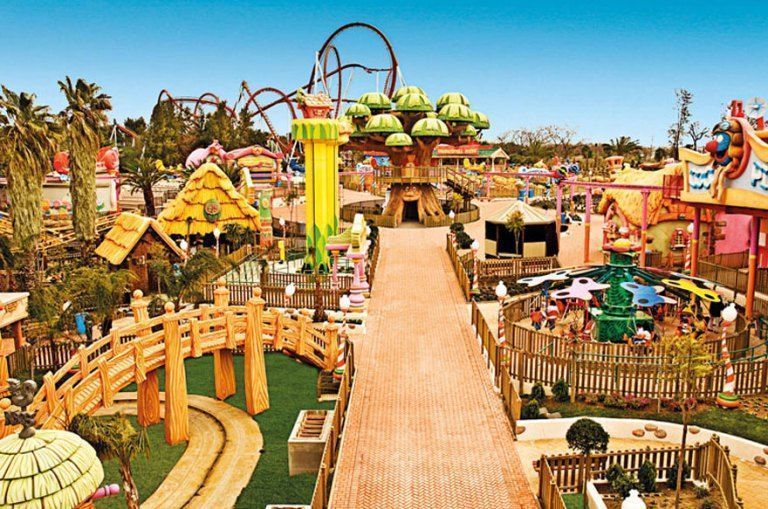
Money and queuing items benefit from a quick method note so the path to the answer, not only the number, sticks and later helps when buying drinks or planning ride order.
Rotate topics to keep minds fresh. A food item can lead to tasting a new pastry in the French or German area. A vocabulary item can bridge into reading menu boards. A geography item can prompt a quick look at the park map before choosing the next ride. Small bridges show that knowledge connects across subjects and across themed lands, turning every sector into part of a bigger learning map.
Age Layers And Difficulty Curves For Europa-Park Trips
Younger learners thrive on naming, counting, and simple matching, such as pointing to pizza, waffles, or ice cream in different areas.
Older learners handle cause and effect, comparisons between water rides and coasters, and short timelines of how a day in the park can flow. Visual support helps at all levels. Icons, labeled photos, simple charts, and color-coded choices turn unfamiliar paths into friendly shapes that the mind can grab and keep.
- Everyday Food And Snack Stops
Local treats, basic ingredients, typical prices, and refill options for water - Language Power In The Park
Menu words, polite phrases in German and French, and simple signs - Math Moves On The Road
Ticket bundles, snack sharing, waiting time estimates, opening and show hours - Areas, Rides, And Views
Country-themed districts, height rules, landmark rides, and quiet corners to rest - Travel Safety And Respect
Queue rules, meeting points, sun and rain planning, keeping paths clear
Drop one theme into each session, then rotate. Over two weeks of light practice, the set can cover multiple aspects of Europa-Park without feeling heavy. Short bursts before departure or after dinner in Strasbourg beat marathon runs for retention, mood, and smoother planning of the visit.
Delivery Tips For Home, Trip Planning, Or Park Walks
Consistency wins. A five-minute quiz before online research, a short round in the car, or a Friday evening “Europa-Park night” at home sets a friendly ritual.
Scoring can stay light. Some groups prefer travel stickers for rides. Others prefer simple verbal feedback. Focus comments on strategies and effort, for example, noticing signs faster or remembering which area has calmer rides for younger children.
Variety keeps curiosity alive. Mix multiple choice with open prompts about favorite dishes or rides to try. Add a picture day with photos of the Silver Star, themed boats, or street shows. Include a riddle that hints at a ride near a lake or a café with shade. Invite children to write one question per week. Ownership turns learning and trip planning into a shared game, not a task to finish.
Sample Explanations That Stick To Taste And Place
Short reasons lock answers in place. “Danke means thank you in German, so saying danke after receiving ice cream shows politeness and adds a bit of local language to the visit” gives meaning, not only a word. “The big wheel-like ride turns slowly high above the ground, which makes it a good choice for views of many park areas at once” ties language to a concrete attraction.
Tiny reasons act like hooks that memory can catch later, during a walk through a themed alley or a stop at a bench. Explanations that mention flavor, texture, sound, or color link facts to senses. This link turns a simple answer into a picture that returns whenever the same snack stand, street show, or ride appears again.
Troubleshooting Common Travel Hurdles
If attention fades during the trip, shorten quiz rounds and add more visuals drawn from current surroundings, such as a signboard or a nearby fountain.
If accuracy drops, lower the difficulty for a few stops to rebuild rhythm, for example, by asking for colors, first letters, or simple counts only. If energy spikes after a long queue, use stand-up items like “point to the nearest ice cream stand”, “count steps to the next shade spot”, or “clap the syllables of this ride name”. Movement resets focus and turns the park back on.
Closing Thought
A well crafted collection of food and travel quiz questions about Europa-Park near Strasbourg does more than check recall. Good sets invite conversation at the table, build confidence on crowded paths, and turn small moments into lasting gains.
Clear wording reduces stress in busy places. Balanced topics give every traveler a door into local flavor and fun. Gentle explanations turn answers into understanding. With steady variety and short sessions, a quiz becomes a bright habit that grows knowledge and makes each visit richer day by day.
FAQ: Designing Kid-Friendly Food & Travel Trivia That Teaches, Not Tricks
Q1: What makes kid-friendly food and travel trivia questions about Europa-Park actually effective?
Short, plain prompts with one correct answer and a one-sentence explanation work best. Mix recall with light reasoning, start with easy items about main paths or simple snacks, and raise difficulty gently so confidence grows without pressure during the visit.
Q2: How should a quiz session using Europa-Park-themed trivia questions be structured?
Set a purpose, such as warming up before entering the park, planning where to eat, or filling time in a queue. Use multiple choice to lower anxiety, short answers to reveal understanding, and picture prompts for visual thinkers. Keep timing kind and let the session support, not rush, the travel day.
Q3: Which topics create a balanced set of Europa-Park food and travel trivia questions?
Rotate local snacks, simple German and French phrases, basic prices, key attractions, route tips, and everyday life scenes like shows or parades. Variety ensures each learner finds an entry point and prevents fatigue while moving through the park. Trivia questions that connect directly to real spots add extra motivation.
Q4: How can food and travel trivia questions teach rather than just test?
Attach a tiny lesson to each prompt. For food, note what the snack is, where it is usually sold, and why it fits a certain themed area. For language, give a translation and a model sentence that could be used in a café. For money or waiting times, include a quick method note so the reasoning later helps with real choices.
Q5: How should difficulty in Europa-Park themed trivia questions change by age?
Younger learners thrive on naming snacks, counting seats, or matching pictures to words. Older learners handle comparisons between rides, short timelines for planning the day, and simple budget decisions. Use visuals such as icons, labeled photos, and simple charts at all levels.
Q6: What delivery habits keep Europa-Park trivia questions engaging at home or on the road?
Be consistent with short five minute rounds. Keep scoring light with stickers, doodles, or verbal feedback. Praise strategies and effort, such as reading signs or remembering area names, so confidence grows from the process, not just from points.
Q7: How to troubleshoot attention or accuracy issues with Europa-Park themed trivia questions?
If focus fades, shorten sessions and use nearby details as prompts, such as a ride poster or menu board. If accuracy dips, step down difficulty and return to simple naming or counting. For excess energy, use movement prompts connected to the park, such as “walk ten steps to the nearest shade” or “point toward the tallest ride in view”.