
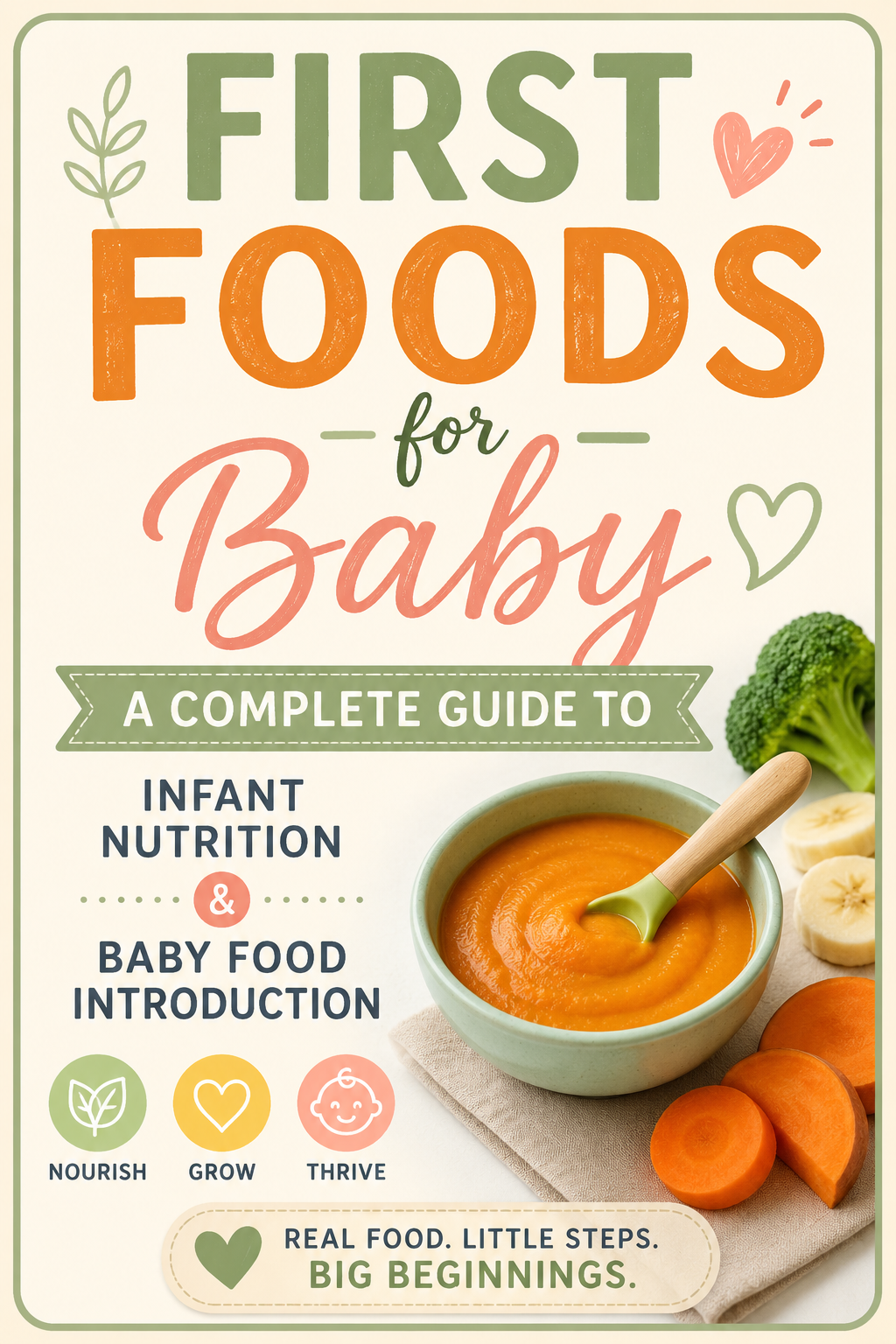
While it might feel overwhelming to move away from the simplicity of milk feeds, starting first foods for baby is an incredible opportunity to shape their future health. This guide walks you through every step of the process, ensuring your baby's introduction to solids is safe, nutritious, and enjoyable.
The transition to solid foods is one of the most significant milestones in your child's first year of life. It is a period filled with curiosity, messy faces, and a fair amount of guesswork for parents.
When and How to Introduce First Foods for Baby
Timing is everything when introducing baby food. While every child is unique, most international health organizations recommend beginning solids at approximately six months of age.
Before this point, a baby's digestive system and kidneys are often not mature enough to handle complex foods. However, age isn't the only factor; you should look for physical developmental cues that indicate your little one is ready to move beyond the bottle or breast.
- Core Strength: Your baby should be able to sit upright in a high chair with minimal support and demonstrate good head control.
- Loss of Tongue-Thrust Reflex: If your baby automatically pushes food out of their mouth with their tongue, they aren't quite ready to swallow solids yet.
- Coordination: Look for the ability to pick up objects and aim them toward the mouth, showing an interest in the mechanics of eating.
- Curiosity: If they are watching your fork move from plate to mouth with intense focus, they are likely ready for their own first food for the baby.
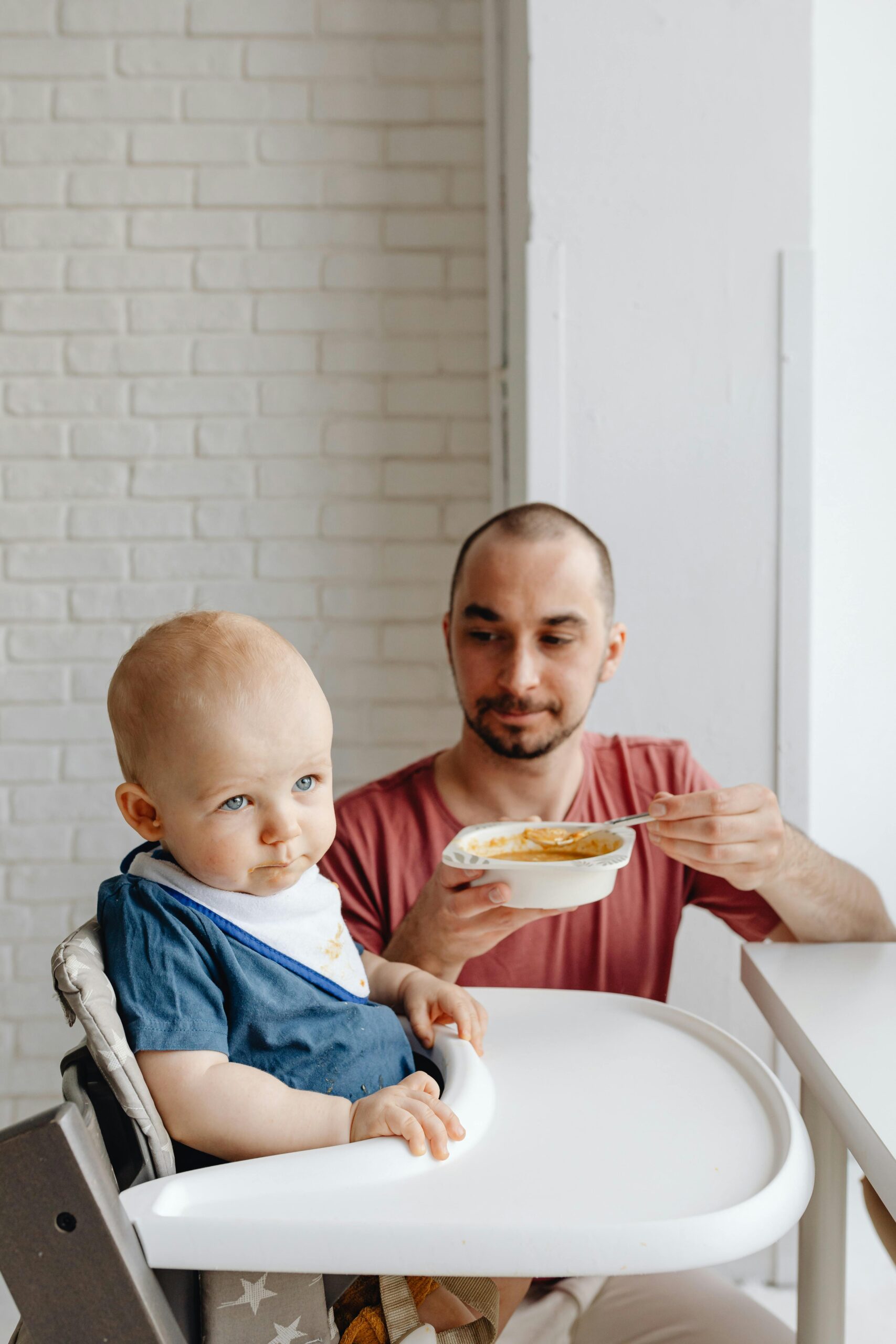
When you begin, start with a "milk-first" approach. Offer a small amount of breast milk or formula before solids to help the baby avoid being "hangry." A frustrated baby is less likely to experiment with new textures. Start with just one or two teaspoons of a thin puree once a day, gradually increasing the frequency as their appetite grows.
Understanding Baby Nutrition in the First Year
The primary goal of baby nutrition during the first twelve months is to complement, not replace, breast milk or formula. Until the age of one, milk remains the most important source of calories and nutrients.
However, as babies grow, their internal stores of certain minerals - specifically iron and zinc - begin to deplete. This is why the choice of solids is so important; you want to fill the "nutritional gaps" left by a milk-only diet.
- Iron: This is crucial for brain development and healthy blood cells. Iron-fortified cereals or pureed meats are excellent choices.
- Healthy Fats: Babies need a high-fat diet for rapid brain growth and nervous system development. Think of avocados, full-fat Greek yogurt, and nut butters.
- Vitamins and Minerals: Vitamin C helps the body absorb iron, so pairing a green vegetable with a fruit can be a smart nutritional strategy.
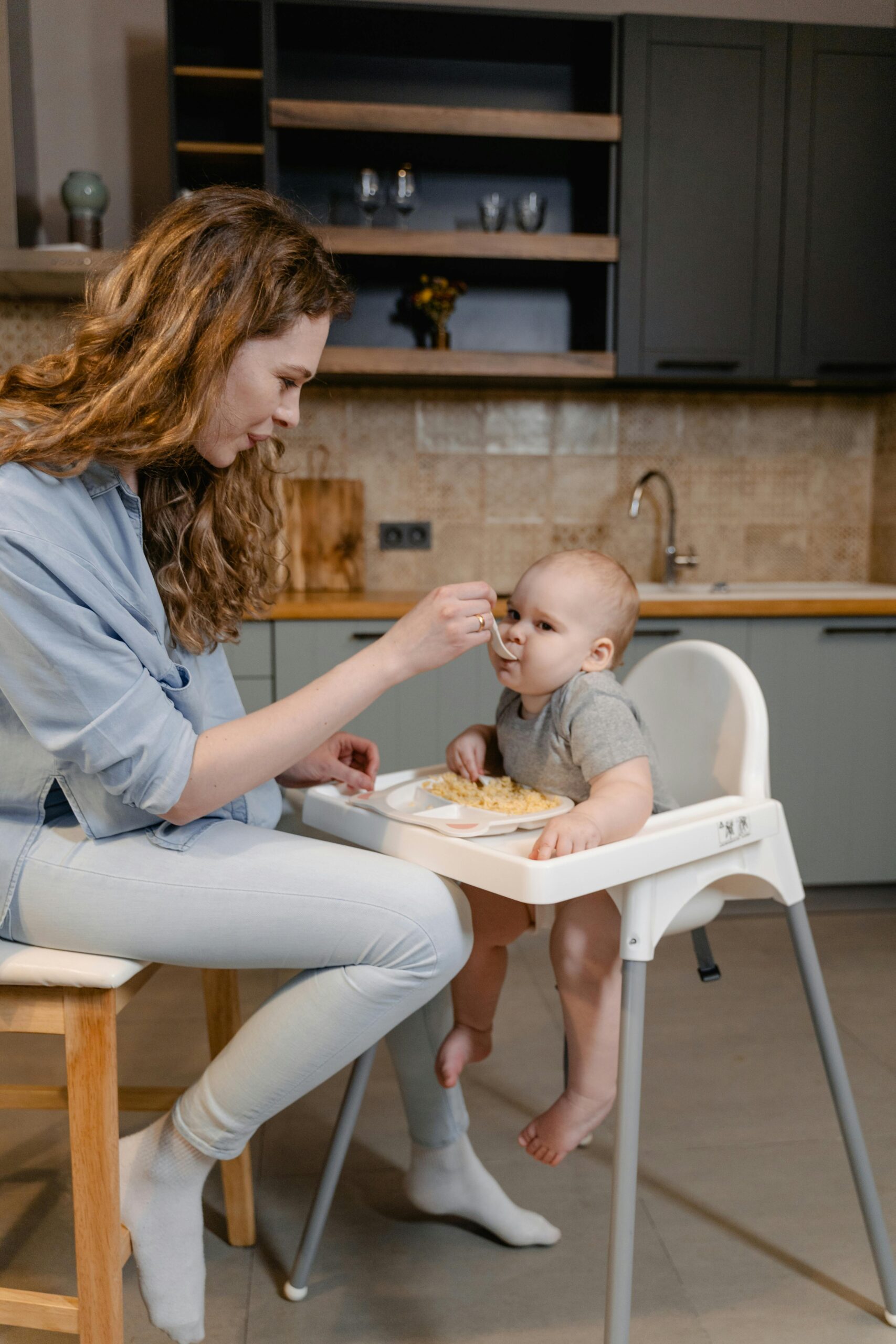
For parents seeking more in-depth guidance on sourcing high-quality ingredients and sustainable feeding products, visiting organiclifestart.com can offer healthy formulas for natural lifestyle. By focusing on balanced baby nutrition, you are providing the building blocks for physical growth and cognitive milestones.
Best First Foods for Healthy Development
When choosing the very first items to put on the spoon, think about "eating the rainbow." Providing a variety of colors ensures a wide spectrum of phytonutrients. While many parents traditionally start with rice cereal, many modern experts suggest starting with vegetables or protein to encourage a palate that appreciates savory flavors.
- Root Vegetables: Carrots, sweet potatoes, and butternut squash are excellent first foods for babies. They have a naturally sweet flavor and a smooth texture when pureed.
- Green Veggies: Peas, broccoli, and spinach provide essential fiber and folate. If your baby rejects them at first, don't worry - it can take up to ten exposures for a baby to accept a new flavor.
- Soft Fruits: Bananas, avocados, and steamed pears or apples are nutrient-dense and easy for a beginner to swallow.
- Proteins: Pureed chicken, lentils, or beans are fantastic for introducing zinc and iron early in the baby food introduction process.
Baby Food Introduction: Textures, Timing, and Allergens
The progression of textures is just as important as the food itself. Starting with a very thin, liquid-like puree helps the baby learn how to swallow something other than milk. After a few weeks, you can move to a thicker, "mashed" consistency.
By 8 or 9 months, most babies are ready for soft "finger foods" that they can pick up themselves. This progression is vital for developing the jaw muscles needed for later speech and chewing.
One of the biggest concerns for modern parents is the topic of allergens in first foods. Recent research has turned old advice on its head. We now know that for most babies, introducing common allergens early (around 6 months) can significantly reduce the risk of developing a food allergy.
- The Top Offenders: Peanuts, eggs, dairy, soy, wheat, tree nuts, fish, and shellfish.
- Introduction Strategy: Introduce one allergen at a time in a very small amount. Wait 3 to 5 days before introducing another to ensure there is no delayed reaction.
- Watch for Symptoms: Be alert for hives, swelling around the lips, vomiting, or any respiratory changes. If your family has a history of severe allergies, consult your pediatrician before introducing allergens in first foods.
Infant Baby Food: Homemade vs. Store-Bought Options
The debate between homemade vs store-bought baby food is one that many parents agonize over, but the reality is that both have a place in a busy household.
Making your own infant baby food gives you total control over the quality of the produce and ensures there are no hidden sugars or preservatives. You can steam and puree a batch of carrots on Sunday, freeze them in ice cube trays, and have meals ready for the whole week.
- The Case for Homemade: It is cost-effective and allows the baby to eat the same flavors as the rest of the family, which helps with the transition to "table foods" later on.
- The Case for Store-Bought: Modern organic pouches and jars are highly regulated for safety and are incredibly convenient for travel or daycare. They often provide a wider variety of ingredients (like quinoa or kale) that you might not cook every day.
- The Hybrid Approach: Many parents make the bulk of their infant's baby food at home but keep a few high-quality store-bought options in the diaper bag for emergencies.
Ultimately, the choice of homemade vs store-bought baby food should be based on what reduces your stress levels. A happy, relaxed parent makes for a much more successful mealtime environment.