

The gut microbiome shifts in response to what you eat, how much you sleep, and how consistently you maintain basic gut health habits, as it is not a fixed biological state. Diet is one of the most accessible levers available, requiring no prescription and no specialist visit.

Five straightforward food habits, including prioritizing fiber, adding fermented foods, staying hydrated, moderating added sugar, and building consistency, can meaningfully influence your microbial balance over time. Small, repeated choices tend to outperform short-term dietary overhauls, and the plate is the most immediate place most people can begin.
Industrialized diets heavily impact this internal ecosystem. A recent study revealed that the average Californian has a microbiome containing 277 microbial species, contrasting sharply with the 730 found in non-industrialized populations.
Because the body hosts multiple microbial environments, this depletion occasionally requires targeted intervention. While individuals navigating intimate health concerns often rely on specific tools like NeuEve's vegan vaginal probiotics, everyday digestive balance begins directly on your plate.
1. Make Friends With Fiber-Rich Foods
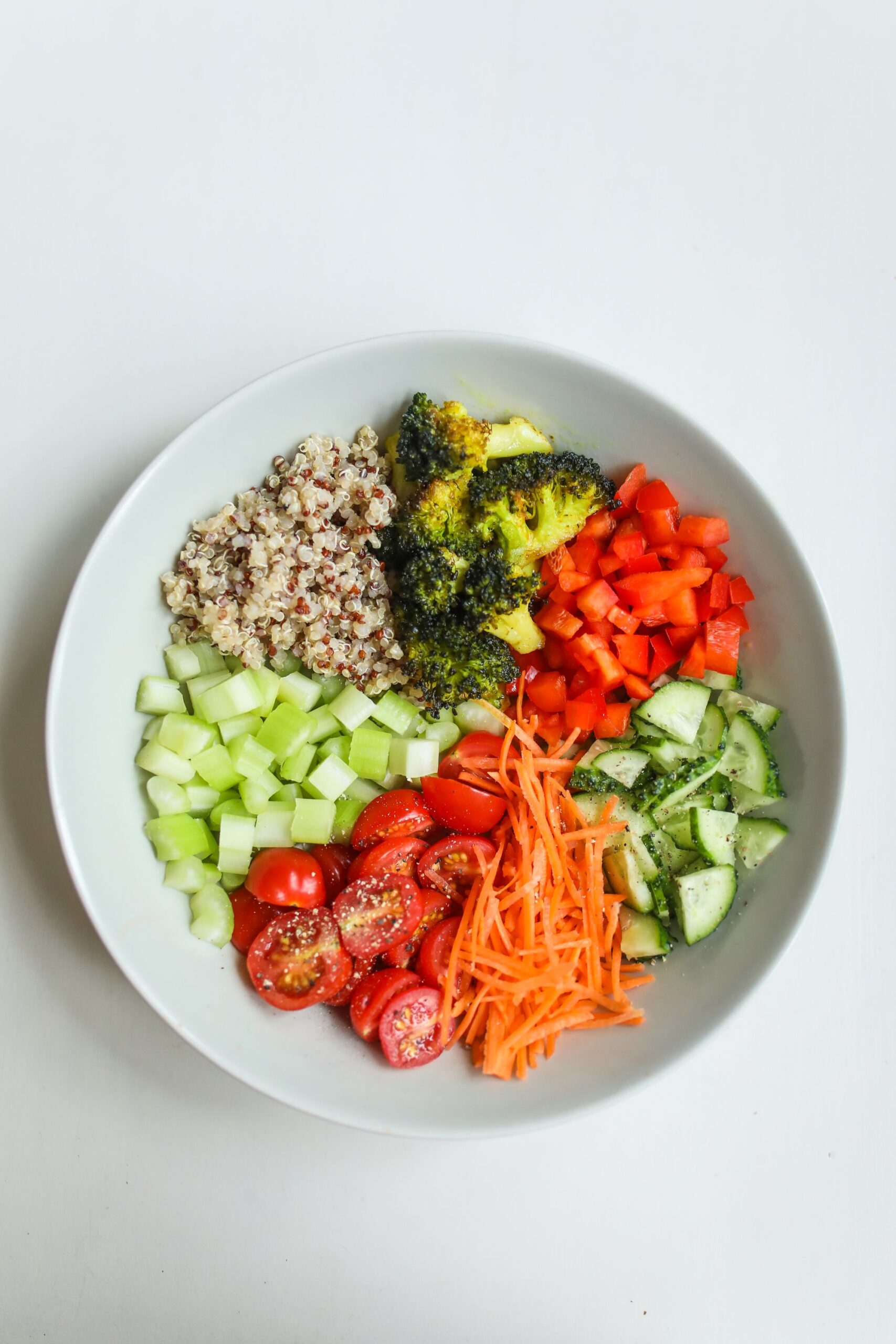
Fiber acts as a prebiotic fuel that beneficial bacteria multiply around. Microbes break down dietary fiber to create short-chain fatty acids, a process sustaining the intestinal lining. The human body utilizes more than 90% of the fatty acids produced by gut microbes.
Beans, oats, berries, and leafy greens serve as excellent sources already sitting in most kitchens. Exploring healthy breakfast options like overnight oats topped with mixed berries, a savory lentil scramble, or a smoothie built around leafy greens gives your gut a wider range of prebiotic fuel each day. Different bacterial strains prefer distinct fiber structures, making varied intake essential.
| Key Insight: Fiber is like compost for your gut garden: different bacteria prefer different fiber structures, so varying your plant sources weekly feeds a wider microbial community. |
2. Add Fermented Foods to Your Routine
Fermented options introduce active cultures directly to the digestive tract. Eating foods like yogurt, kefir, kimchi, and fermented vegetables increases overall microbial diversity, with larger servings creating stronger effects. You do not need to consume these at every meal to see benefits.
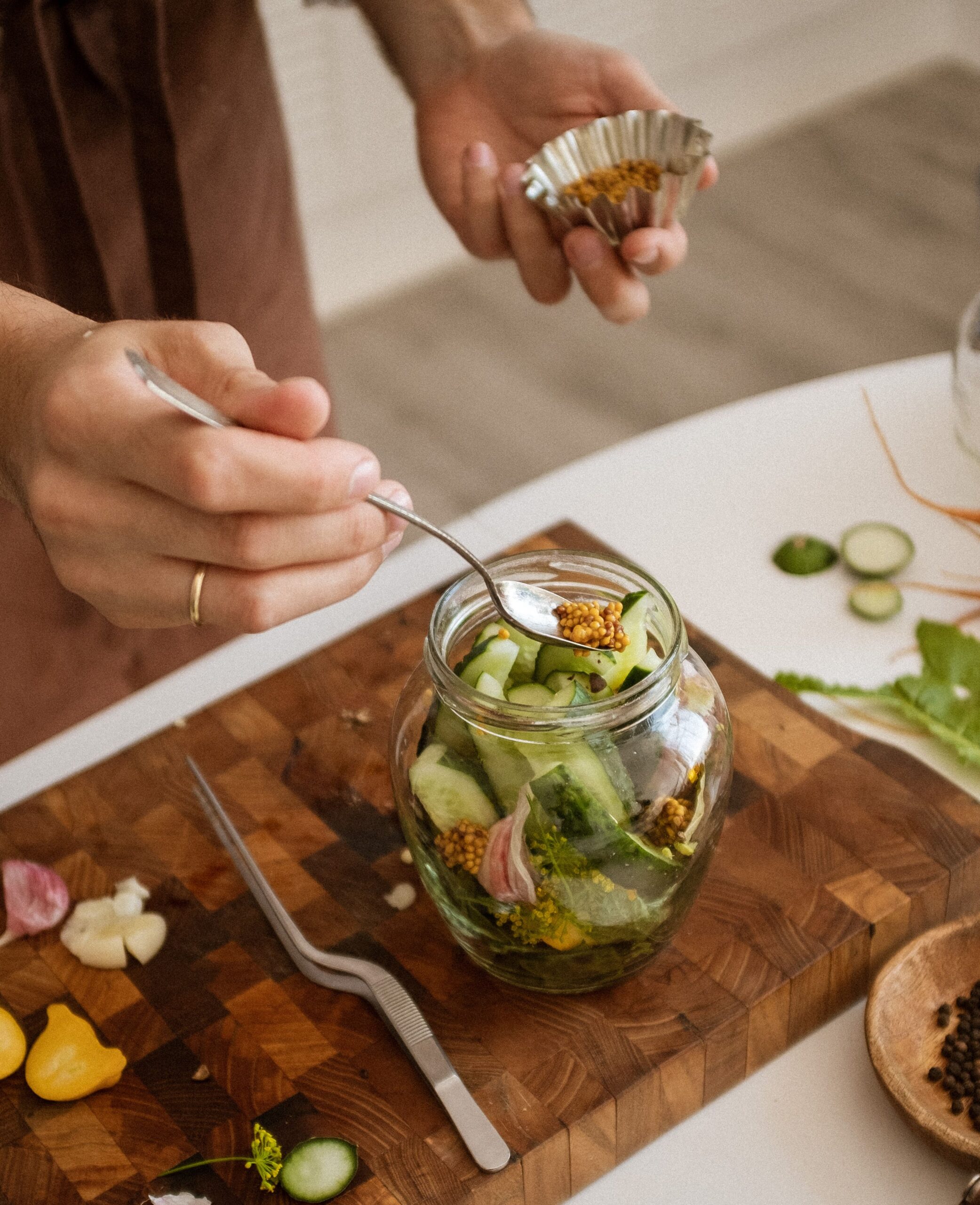
A spoonful of kimchi alongside dinner or a small serving of yogurt provides a substantial baseline. Once these beneficial strains enter the body, they depend on adequate moisture to survive and colonize.
3. Stay Consistently Hydrated

Water maintains the mucosal lining of the intestines, creating the physical environment where microbial communities live and function. Drinking a glass before each meal establishes a simple, low-effort anchor habit. On days when plain water feels monotonous, herbal teas or cucumber easily supplement your moisture intake.
Hydration rarely headlines microbiome conversations, yet the gut lining depends on it as a structural foundation. Managing this baseline habit guarantees your other dietary efforts have a stable environment to thrive in.
| Pro Tip: Drink a glass of water before each meal; it’s a low‑effort anchor habit that supports the mucosal lining, the foundation your gut microbes depend on. |
4. Cut Back on Added Sugar
High amounts of added sugar preferentially feed less beneficial bacteria, nudging intestinal balance in an unwanted direction. The objective remains realistic moderation rather than total elimination. Swapping sweetened beverages for water removes a concentrated daily source without forcing a drastic overhaul.

Replacing packaged snacks with whole fruit delivers natural sweetness alongside valuable fiber. These minor trades prevent harmful overgrowth while feeding the microbial populations you actually need.
5. Build Consistency During Complicated Weeks
Travel and unpredictable schedules frequently disrupt gut-supportive routines. Since stress directly affects digestive motility, maintaining these habits matters heavily during demanding periods. Consistency simply means returning to your baseline quickly after a disruption rather than waiting for a Monday.

Keep portable items like individual kefir pouches, roasted chickpeas, or nut butter packets tightly packed in your bag. Prepping travel-ready snacks ensures your microbial support endures whenever the week gets chaotic.
| Quote: Consistency does not mean perfection; it means returning to the baseline quickly after disruption rather than waiting for a fresh Monday. |
Why Balance Matters
A healthy microbiome extends far beyond the digestive system. Biological reality dictates that we host multiple localized microbial ecosystems throughout the body, each demanding precise care.
Just as targeted probiotic therapies assist individuals in restoring specific intimate balances, dietary shifts anchor routine digestive function. You look toward your diet for general intestinal wellness, while reserving specialized interventions for acute systemic concerns.
Making It Happen
Think of this structured format as an accessible set of experiments rather than a rigid protocol. Tracking a few key changes keeps the process manageable.
- Days 1 to 2: Add one fiber-rich food to each meal, such as oats at breakfast or beans at lunch.
- Days 3 to 4: Introduce a fermented option daily, relying on a serving of yogurt or a spoonful of kimchi.
- Days 5 to 6: Drink one glass of water before each meal and replace a single sweetened beverage with herbal tea.
- Day 7: Prep travel-ready snacks like roasted chickpeas to solidify the habit structurally.
Every daily habit serves a distinct function for your internal health. Fiber fuels existing populations, fermented options add fresh microbial diversity, and hydration secures the physical environment.
| Author Profile: NeuEve is the leading manufacturer of all-natural vaginal care products for women experiencing menopause and intimate health challenges. |