
Mount Kilimanjaro is one of Tanzania’s most iconic travel destinations and the highest mountain in Africa. Located in northern Tanzania near Moshi, it attracts adventure travelers, hikers, photographers, and nature lovers from around the world.
A journey to Kilimanjaro offers more than the challenge of reaching Uhuru Peak. Visitors experience changing landscapes, mountain forests, alpine terrain, dramatic views, and the unique atmosphere of Kilimanjaro National Park. Whether you are planning a serious summit attempt or simply want to explore the area, understanding the best routes, travel seasons, preparation requirements, and local tips can help you plan a smoother and more memorable Tanzanian adventure.
Where Is Mount Kilimanjaro Located?
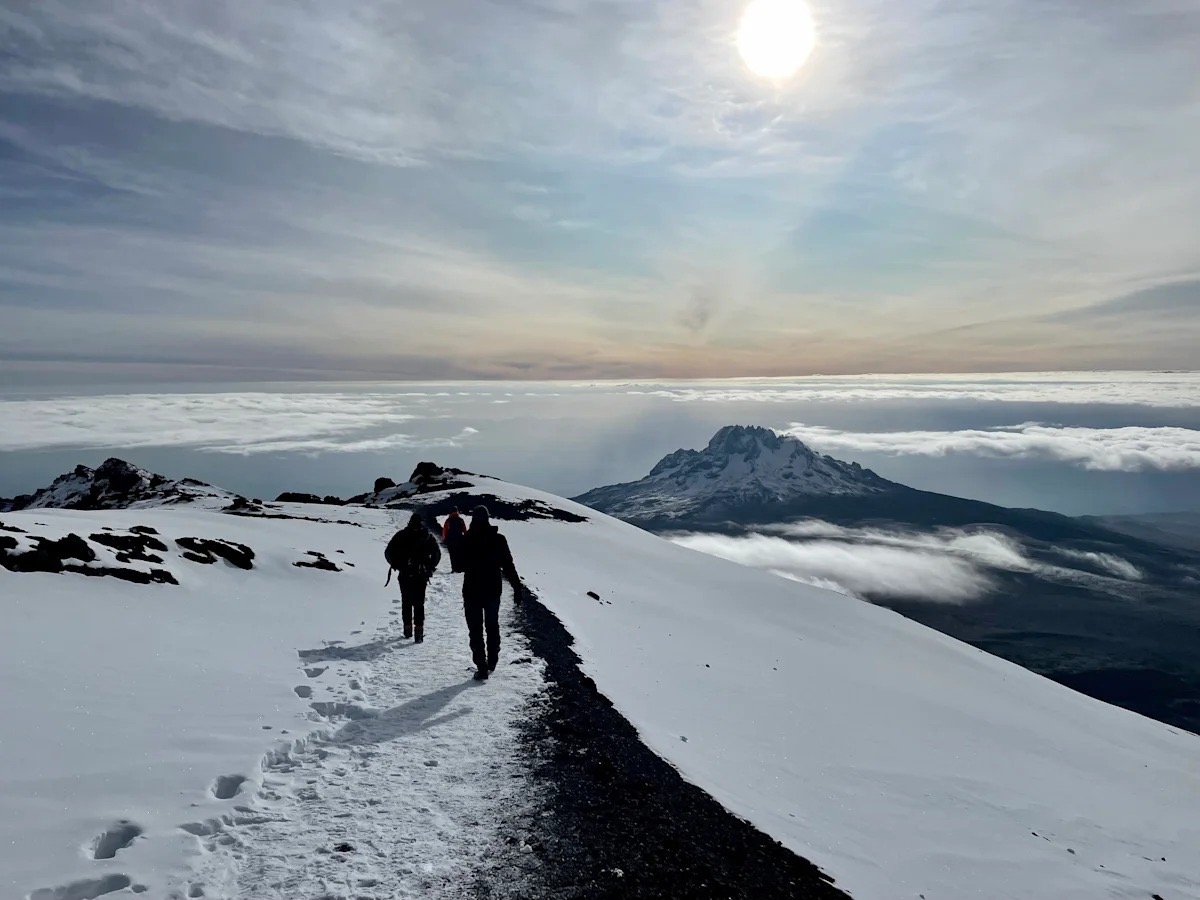
Mount Kilimanjaro is located in northern Tanzania, close to the town of Moshi and relatively near the Tanzania-Kenya border. The mountain is protected within Kilimanjaro National Park and rises dramatically above the surrounding plains. Its isolated position gives travelers spectacular views of the mountain from nearby areas and makes it one of the most recognizable landscapes in East Africa.
The mountain has three volcanic cones: Kibo, Mawenzi, and Shira. Kibo is the highest cone and contains Uhuru Peak, which reaches approximately 5,895 meters above sea level. Moshi is the primary gateway for many Kilimanjaro travelers, while Arusha is another useful base for visitors combining a mountain trek with a northern Tanzania safari.
Best Time to Visit Mount Kilimanjaro
The best time to visit Kilimanjaro is generally during the drier periods of the year. June through October is popular because conditions are often more suitable for trekking, while December through March is another favorable period. These months can provide better visibility and relatively manageable trail conditions compared with the wetter seasons.
April and May typically experience heavier rainfall, while November can also bring wetter conditions. However, mountain weather can change quickly regardless of the season. Temperatures also vary significantly with elevation, so travelers should prepare for warm conditions at lower elevations and freezing temperatures near the summit. Choosing your travel dates should therefore involve both seasonal weather patterns and your personal preference for trail conditions and crowd levels.
Choosing the Right Kilimanjaro Route
Selecting a route is one of the most important decisions when planning a Kilimanjaro trek. Popular routes include Machame, Marangu, Lemosho, Rongai, Northern Circuit, and Umbwe. They differ in scenery, length, accommodation, difficulty, and acclimatization opportunities.
Travelers should avoid choosing a route solely because it is cheaper or shorter. Longer itineraries generally provide additional time to adjust to high altitude, which can be valuable during a demanding climb. Consider your previous hiking experience, available vacation time, physical preparation, and preferred scenery before making a decision. A reputable local trekking company can also help match the route and itinerary to your experience level.
How to Prepare for a Kilimanjaro Trek
Physical preparation is important before traveling to Kilimanjaro. You do not necessarily need advanced mountaineering skills, but you should be comfortable walking for several hours and handling multiple consecutive days of physical activity. Long walks, hiking, stair climbing, cardiovascular training, and leg-strength exercises can help prepare your body.
Altitude is one of the biggest challenges on the mountain. Fitness alone does not guarantee that your body will adapt easily to high elevation. Following a gradual itinerary, maintaining a slow walking pace, drinking enough fluids, eating properly, and listening to your guide are important parts of preparation. Travelers should also discuss high-altitude travel with an appropriate medical professional before the trip if they have concerns about their ability to trek safely.
Kilimanjaro Travel Tips for First-Time Visitors
First-time visitors should plan their Kilimanjaro trip carefully and avoid rushing the process. Choose a reputable trekking operator, confirm exactly what is included in your package, and understand the number of trekking days before making a booking. Ask about guides, meals, accommodation, equipment, emergency procedures, and transportation.
Travel insurance is another important consideration. Make sure your policy covers the activities and altitude associated with your planned trek. Keep important documents accessible and consider carrying copies of your passport, insurance information, and booking details. Most importantly, follow your guide's instructions during the climb and report symptoms such as severe headache, dizziness, nausea, or unusual shortness of breath rather than trying to hide them.
Exploring the Area Around Kilimanjaro
The Kilimanjaro region offers experiences beyond summit trekking. Visitors can explore the surrounding communities, discover local culture, enjoy nature experiences, and photograph the mountain from different viewpoints. Travelers who do not want to climb can still enjoy the landscapes surrounding Kilimanjaro and learn more about life in northern Tanzania.
If you have extra time, consider extending your trip beyond the mountain. Northern Tanzania is home to several famous wildlife destinations, and a Kilimanjaro adventure can be combined with a safari itinerary. Spending additional days in the region allows you to experience more of Tanzania instead of treating the mountain as a single isolated destination.
Final Tips for Planning Your Kilimanjaro Trip
A successful Kilimanjaro journey starts with realistic planning. Choose a route based on your experience and available time rather than simply looking for the shortest itinerary. Give yourself enough time for acclimatization, pack appropriate clothing for multiple climate zones, and arrive with properly tested hiking equipment.
It is also important to remember that reaching the summit is only one part of the experience. The forests, volcanic landscapes, changing temperatures, local communities, and views across northern Tanzania are all part of what makes the destination special. With proper preparation and a responsible approach to high-altitude trekking, a visit to Kilimanjaro can become one of the most memorable travel experiences in Tanzania.