

Making your own Homemade Vegetable Broth is one of the easiest ways to add delicious flavor to your favorite soups, stews, and homemade recipes. With just a handful of fresh vegetables, a few simple seasonings, and some water, you can create a rich, flavorful broth that tastes so much better than anything you can buy at the grocery store.
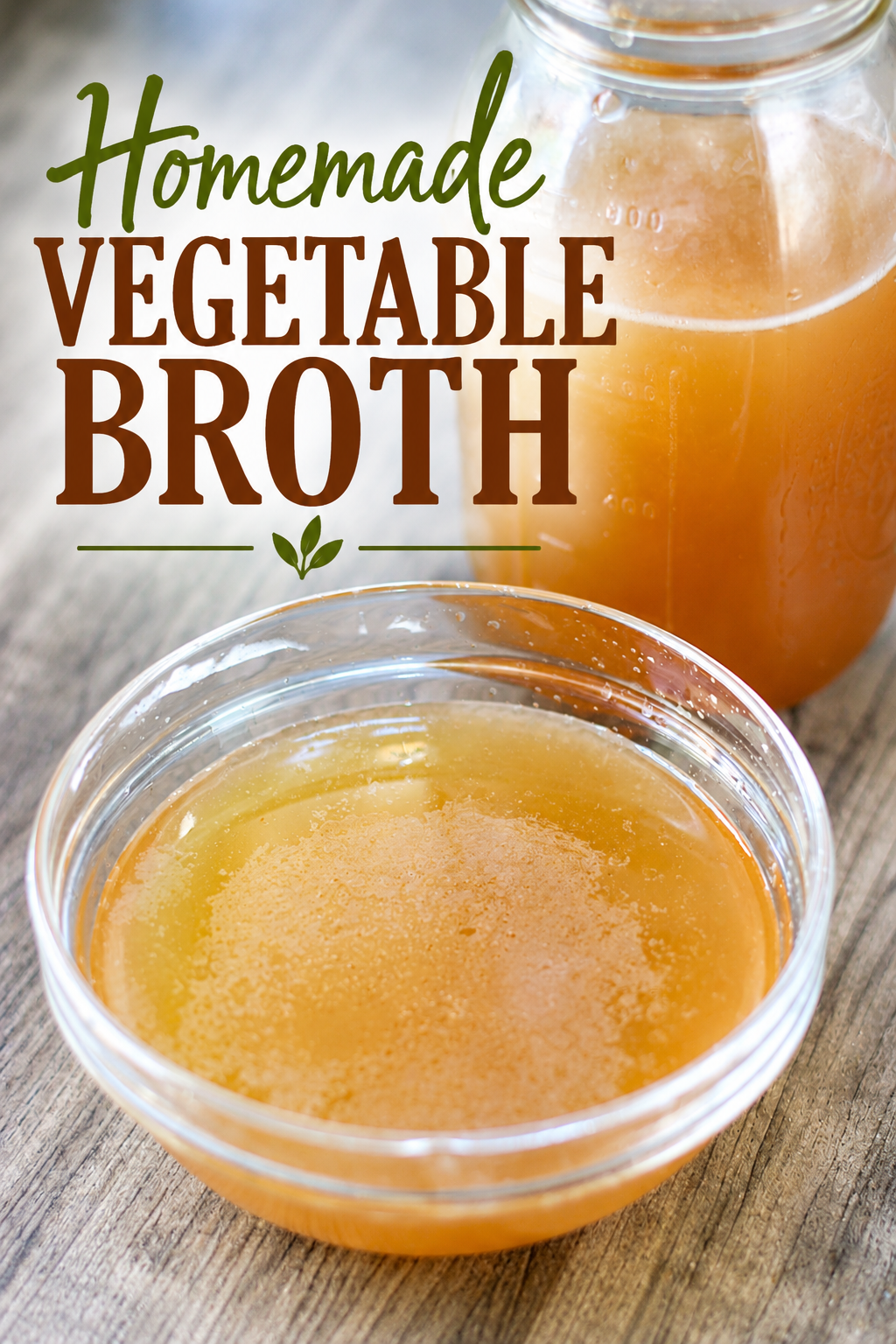
If you have ever wondered what to do with those extra carrots, celery stalks, or onions sitting in your refrigerator, this homemade vegetable broth recipe is the perfect solution!
Not only is it incredibly easy to make, but it is also a great way to reduce food waste and save money in the kitchen. I love making a big batch and freezing it so that I always have homemade broth ready whenever a recipe calls for it.
Whether you are making a comforting pot of soup, cooking rice, or preparing your favorite casserole, this easy vegetable broth will quickly become a staple in your kitchen.
Why You Will Love This Homemade Vegetable Broth Recipe
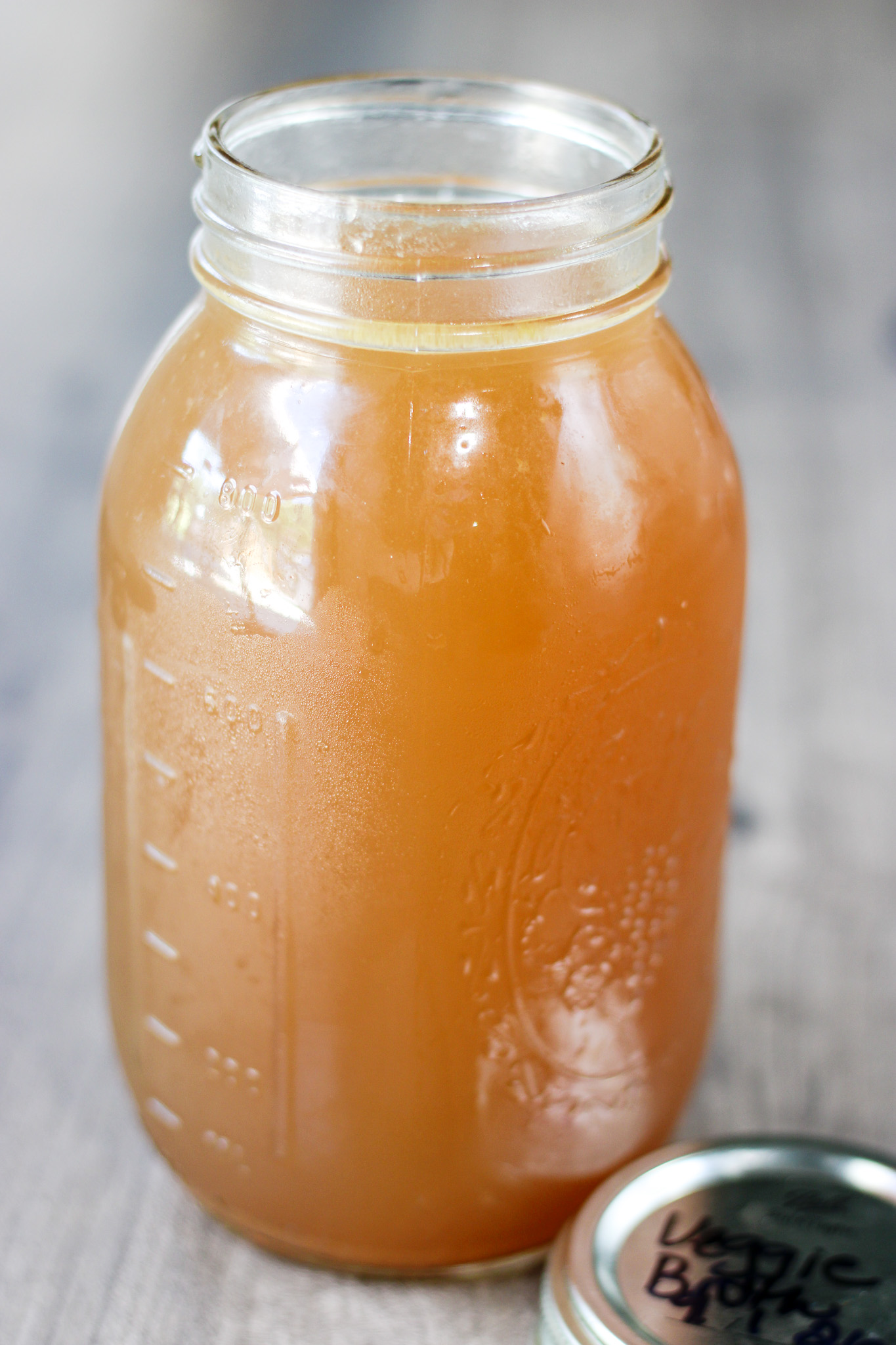
There are so many reasons to skip the store-bought cartons and make your own vegetable broth at home.
- Budget-friendly: Use inexpensive vegetables or save clean vegetable scraps from other recipes.
- Easy to make: Everything goes into one large pot, and the stove does most of the work.
- Customizable: Add your favorite herbs, vegetables, and seasonings to create a broth that works for your recipes.
- Freezer-friendly: Make a large batch and freeze it in smaller portions for future meals.
- Naturally vegetarian and vegan: This recipe is made entirely with vegetables, herbs, and water.
- Control the sodium: You decide how much salt goes into your homemade broth.
Once you see how easy it is to make vegetable broth from scratch, you may never want to buy another carton from the grocery store!
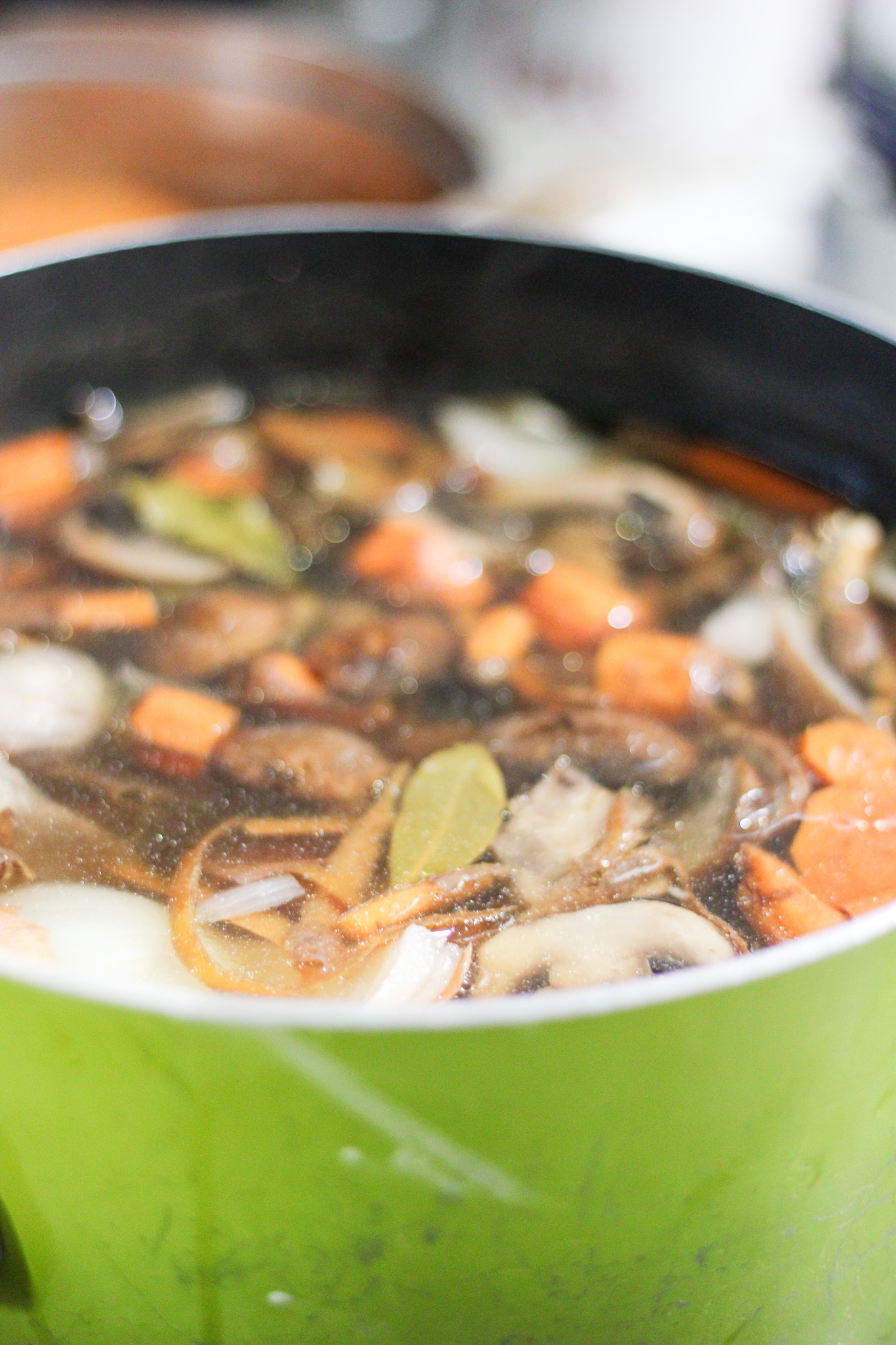
Ingredients for Homemade Vegetable Broth
One of my favorite things about making homemade vegetable broth is that you do not need anything fancy. Most of these ingredients are probably already sitting in your refrigerator or pantry.
Here is what you will need:
- 2 tablespoons olive oil
- 2 large yellow onions, quartered (skins removed)
- 4 large carrots, roughly chopped
- 4 celery stalks, roughly chopped
- 4 garlic cloves, smashed
- 1 leek, thoroughly washed and sliced (optional)
- 1 cup mushrooms, sliced (optional)
- 2 bay leaves
- 4 sprigs fresh thyme
- 4 sprigs fresh parsley
- 1 teaspoon whole black peppercorns
- 10–12 cups water
- Salt, to taste (optional)
You can easily adjust the ingredients based on what you have available. The onions, carrots, and celery create the classic vegetable broth flavor, while the garlic, herbs, and mushrooms add extra depth.
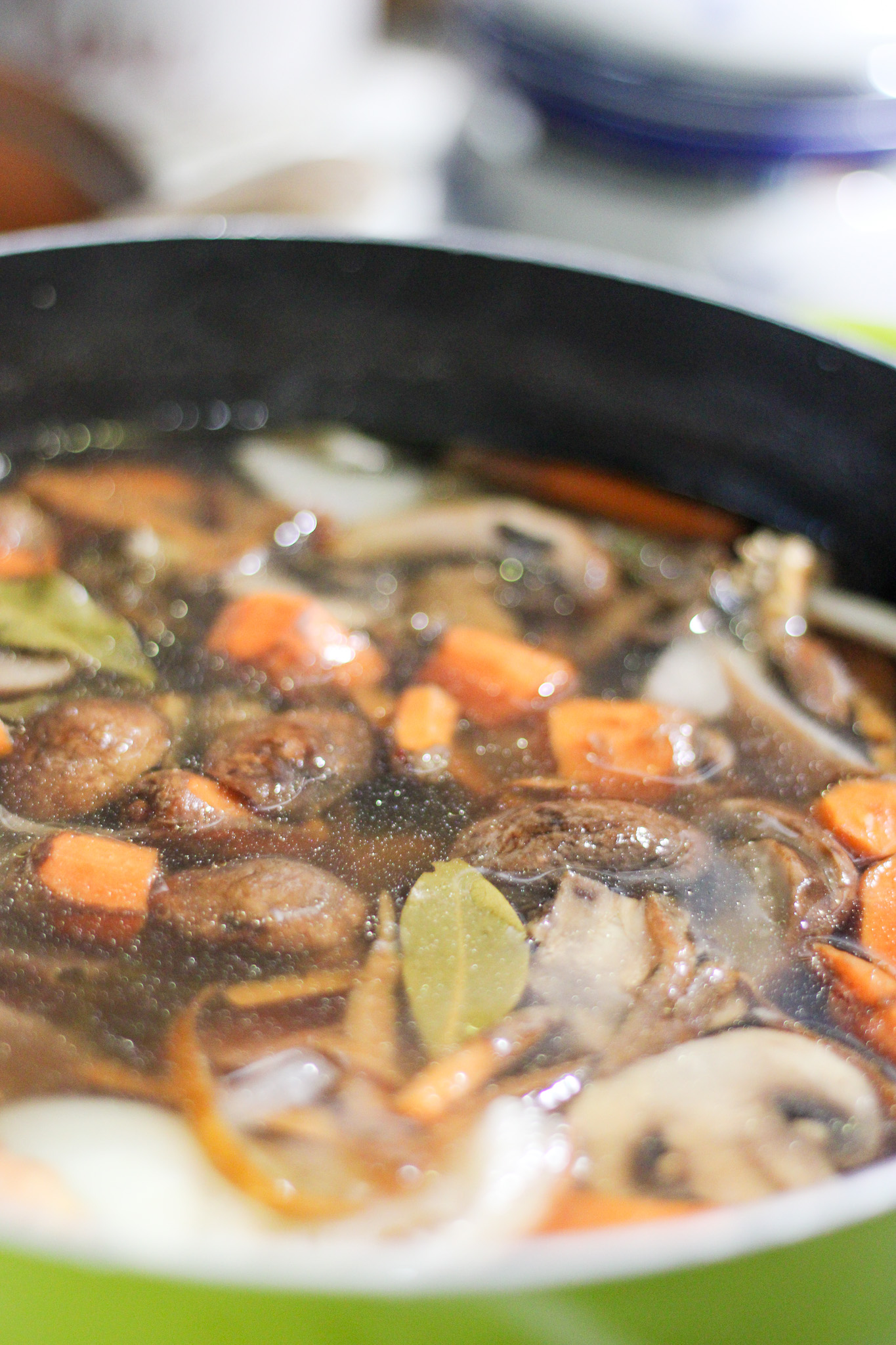
If you do not have fresh herbs, you can substitute dried thyme and parsley. Start with about 1 teaspoon of each and adjust to your liking.
How to Make Homemade Vegetable Broth
Making vegetable broth from scratch is incredibly simple. You only need a large stockpot, a few basic ingredients, and a little patience while everything simmers together.
Step 1: Prepare the vegetables
Start by washing all your vegetables thoroughly to remove any dirt or debris.
Roughly chop the onions, carrots, and celery into large pieces. There is no need to finely dice anything because you will strain the vegetables out of the broth once it has finished cooking.
If you are using a leek, slice it lengthwise and rinse between the layers to remove any hidden dirt.
Smash the garlic cloves with the side of your knife to release their flavor.
Step 2: Sauté the vegetables
Heat the olive oil in a large stockpot over medium heat.
Add the onions, carrots, celery, garlic, and optional leek and mushrooms.
Cook for about 8–10 minutes, stirring occasionally, until the vegetables begin to soften and the onions develop a little color.
This step is optional, but I highly recommend it! Sautéing the vegetables before adding the water helps develop a deeper, richer flavor in your homemade vegetable broth.
Step 3: Add the water and seasonings
Pour 10–12 cups of water into the stockpot, making sure the vegetables are covered.
Add the bay leaves, fresh thyme, parsley, and whole black peppercorns.
Bring the mixture to a gentle boil over medium-high heat.
Once the broth begins boiling, reduce the heat to low.
Step 4: Simmer the broth
Allow the vegetable broth to simmer gently, uncovered or partially covered, for about 45–60 minutes.
As the vegetables cook, they release their natural flavors into the water, creating a delicious homemade broth.
Avoid boiling the broth vigorously. A gentle simmer is all you need to extract the flavors without reducing the liquid too quickly.
Taste the broth after about 45 minutes. If you prefer a stronger flavor, allow it to simmer a little longer.
Step 5: Strain the broth
Remove the stockpot from the heat and allow the broth to cool slightly.
Place a fine-mesh strainer over a large heat-safe bowl or another pot.
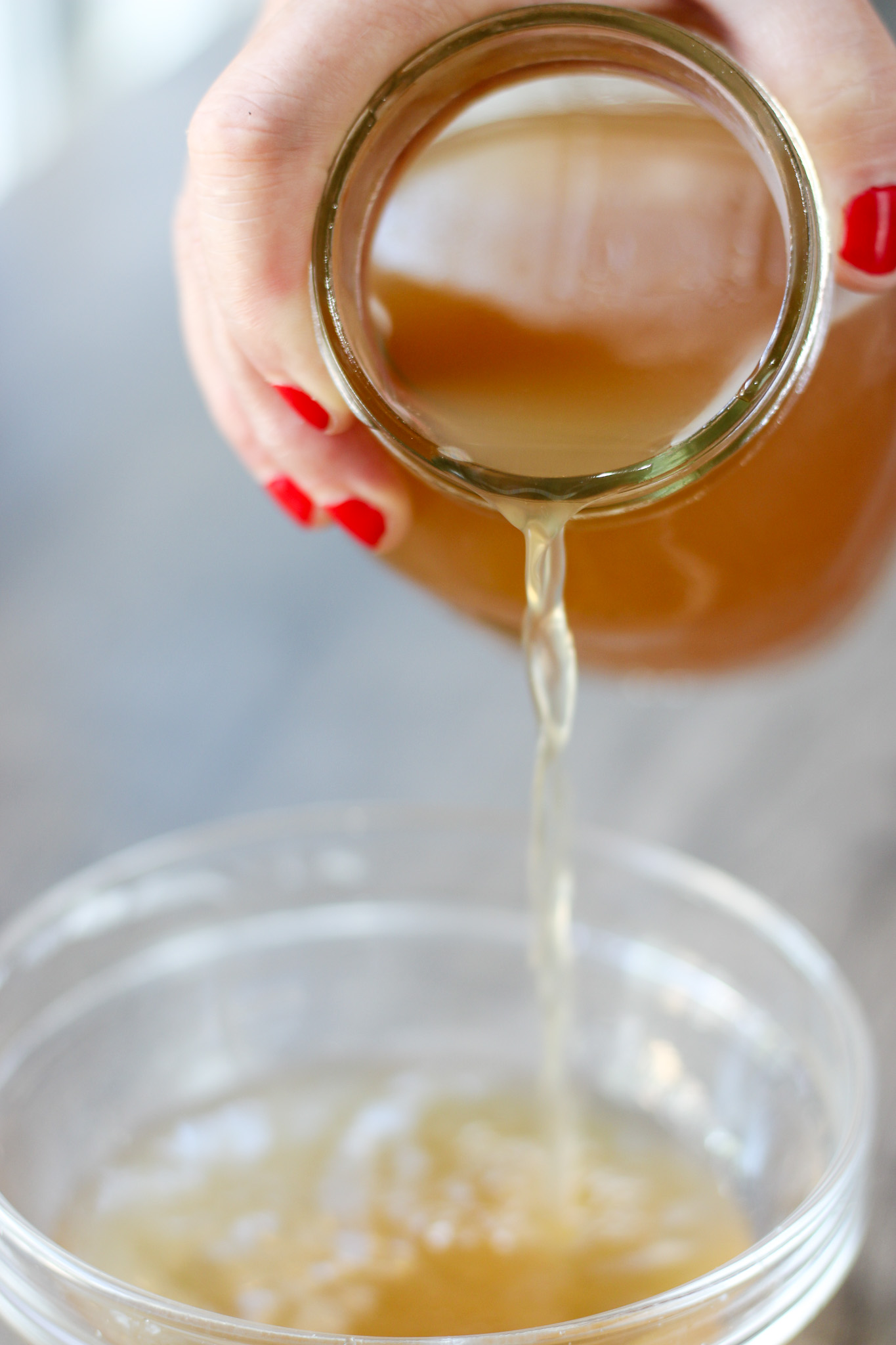
Carefully pour the broth through the strainer to separate the liquid from the cooked vegetables.
For a clearer broth, you can strain it a second time through a fine-mesh strainer lined with cheesecloth.
Discard or compost the cooked vegetables, as most of their flavor has already been extracted into the broth.
Step 6: Season and store
Taste your homemade vegetable broth and add salt if desired.
I usually prefer to leave my broth unsalted or lightly salted so I can control the seasoning when using it in other recipes.
Allow the broth to cool quickly before transferring it to airtight containers or freezer-safe bags.
Store it in the refrigerator or freezer until you are ready to use it.
Can You Make Vegetable Broth From Vegetable Scraps?
Absolutely! In fact, making vegetable broth from scraps is one of my favorite ways to reduce food waste in the kitchen.
Instead of throwing away all those extra vegetable pieces when preparing dinner, save the clean, usable scraps in a freezer-safe bag.
Once you have collected enough, you can turn them into a delicious batch of homemade vegetable broth.
Some of the best vegetable scraps to save include:
- Carrot peels and ends
- Celery leaves and ends
- Onion ends and clean outer layers
- Garlic skins
- Leek tops
- Mushroom stems
- Parsley stems
- Thyme stems
Keep a gallon-sized freezer bag in your freezer and add your vegetable scraps whenever you are cooking.
When the bag is full, use the scraps to make a batch of homemade broth.
You can combine the scraps with a few fresh vegetables if needed to create a more balanced flavor.
Kitchen tip: Only save clean, fresh vegetable scraps. Avoid anything moldy, spoiled, or dirty. Freezing vegetables does not make spoiled produce safe to use.
Tips for Making the Best Homemade Vegetable Broth
After making homemade broth, you will quickly discover that a few simple tricks can make a big difference in the finished flavor.
Use a combination of vegetables. Onions, carrots, and celery provide the classic foundation for vegetable broth. Try to include all three for the best results.
Do not add too much water. Adding too much water can dilute the flavor. Start with enough water to cover the vegetables generously, and add more if needed.
Sauté or roast your vegetables first. Cooking the vegetables before simmering them adds a deeper flavor. For an even richer broth, roast the vegetables at 425°F for about 25–35 minutes before adding them to the stockpot.
Use mushrooms for extra flavor. Mushrooms add a savory, earthy depth that makes vegetable broth taste richer.
Avoid overcooking. Unlike meat-based stocks, vegetable broth does not need to simmer for hours. About 45–60 minutes is usually plenty of time to extract the flavors.
Wait to add salt. Keeping your broth unsalted gives you more flexibility when using it in soups, sauces, and other recipes.
How to Store Homemade Vegetable Broth
One of the best things about making homemade vegetable broth is that you can prepare a large batch and store it for future meals.
Refrigerator
Store cooled vegetable broth in airtight containers in the refrigerator for up to 3–4 days.
If you do not plan to use it within that time, transfer it to the freezer.
Freezer
Homemade vegetable broth freezes beautifully!
Pour the cooled broth into freezer-safe containers, leaving some room at the top because the liquid will expand as it freezes.
You can also freeze broth in silicone ice cube trays for smaller portions.
Once frozen, transfer the cubes to a labeled freezer-safe bag.
For the best flavor and quality, use frozen homemade vegetable broth within 3–4 months.
It will remain safe longer when continuously frozen at 0°F, although the quality may gradually decline.
How to Thaw Frozen Vegetable Broth
The easiest way to thaw frozen broth is to transfer it to the refrigerator overnight.
You can also place frozen broth directly into a saucepan and heat it over low to medium heat until completely thawed and heated through.
Do not leave homemade broth sitting on the counter for hours to thaw.
Food safety tip: Cool your broth promptly by dividing it into shallow containers or placing the pot in an ice bath. Refrigerate or freeze it within two hours of cooking.
Final Thoughts
Making homemade vegetable broth is one of those simple kitchen habits that can make a big difference in your everyday cooking.
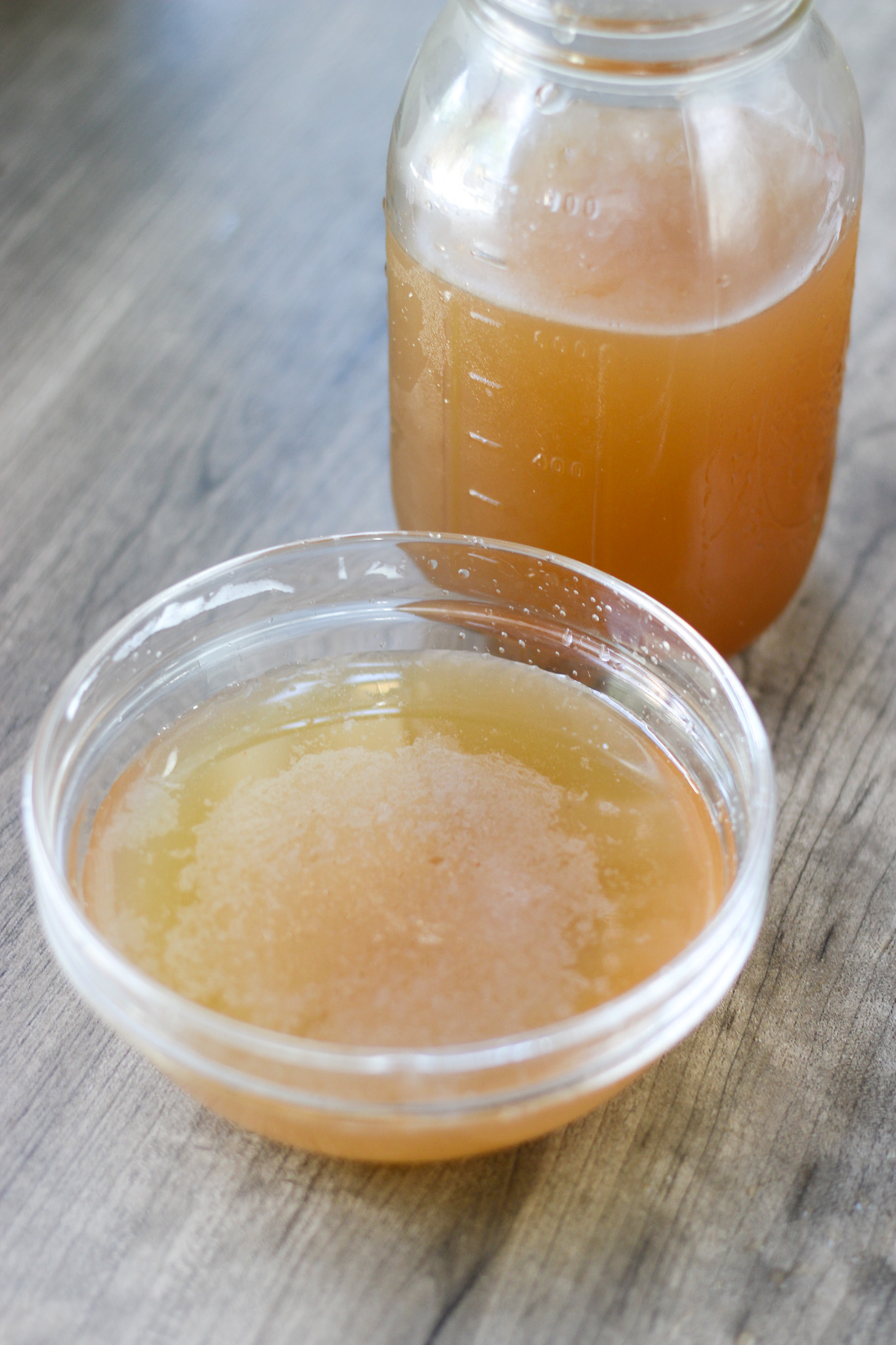
Instead of throwing away perfectly good vegetable scraps or buying cartons of broth every time you make soup, you can create your own flavorful broth using ingredients you already have on hand.
I love having homemade broth tucked away in the freezer because it makes preparing a quick weeknight dinner so much easier.
The next time you find yourself with a few extra carrots, celery stalks, or onions in the refrigerator, grab your favorite stockpot and make a batch of this easy homemade vegetable broth.
Your next pot of homemade soup will thank you!
Make Your Own Broth Using These Recipes
Homemade Vegetable Broth
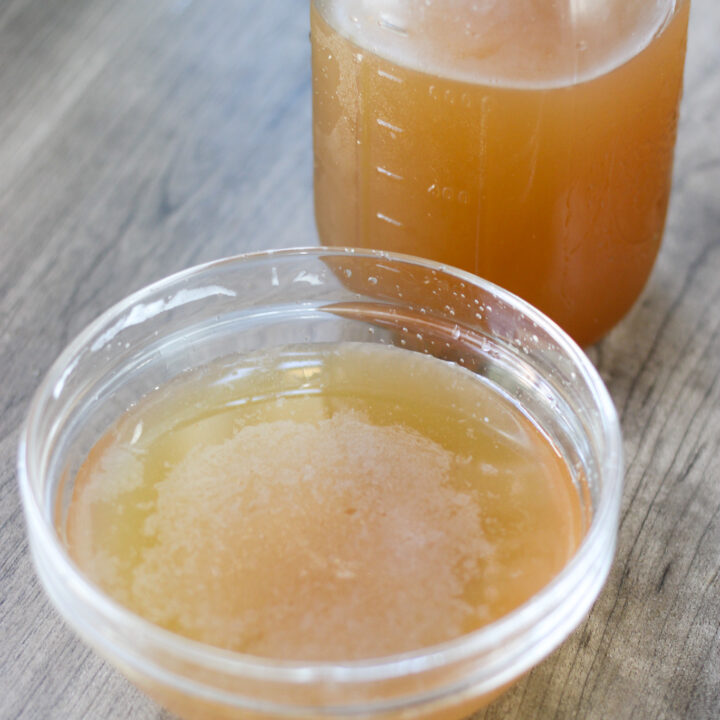
Learn how to make homemade vegetable broth with fresh vegetables and herbs. This easy, budget-friendly recipe is perfect for soups, stews, and more!
Ingredients
- 2 tablespoons olive oil
- 2 large yellow onions, quartered
- 4 large carrots, roughly chopped
- 4 celery stalks, roughly chopped
- 4 cloves garlic, smashed
- 1 leek, cleaned and sliced, optional
- 1 cup sliced mushrooms, optional
- 2 bay leaves
- 4 sprigs fresh thyme
- 4 sprigs fresh parsley
- 1 teaspoon whole black peppercorns
- 10–12 cups water
- Salt, to taste, optional
Instructions
- Wash and roughly chop the onions, carrots, celery, and any other vegetables you are using.
- Heat the olive oil in a large stockpot over medium heat. Add the onions, carrots, celery, garlic, leek, and mushrooms.
- Sauté the vegetables for 8–10 minutes, stirring occasionally, until they begin to soften and develop a little color.
- Add the bay leaves, thyme, parsley, peppercorns, and 10 cups of water. Add additional water if necessary to cover the vegetables.
- Bring the mixture to a boil. Reduce the heat to low and allow the broth to gently simmer for 45–60 minutes.
- Remove the pot from the heat. Carefully pour the broth through a fine-mesh strainer into a large bowl or clean pot. Discard or compost the cooked vegetables.
- Taste the broth and add salt if desired.
- Cool the vegetable broth promptly before transferring it to airtight containers. Store in the refrigerator for 3–4 days or freeze for longer storage.
Notes
For an even deeper flavor, roast the vegetables at 425°F for 25–35 minutes before adding them to the stockpot.
You can also make this broth using clean vegetable scraps you've saved in the freezer, including carrot peels and ends, celery leaves, onion ends, leek tops, mushroom stems, and herb stems.
For a versatile broth, leave it unsalted or lightly salted. You can adjust the seasoning later depending on the recipe you're making.
Freezer Tip: Freeze broth in 1- or 2-cup portions so you can easily grab exactly what you need for soups, sauces, rice, casseroles, and other recipes.
Nutrition Information:
Yield:
10Serving Size:
1Amount Per Serving: Calories: 55Total Fat: 3gSaturated Fat: 0gUnsaturated Fat: 3gSodium: 27mgCarbohydrates: 7gFiber: 2gSugar: 3gProtein: 1g