
Choosing one of the best Peru tour companies involves more than comparing prices. Operators handle Machu Picchu tickets, train seats, internal flights, and altitude planning in different ways, and those differences shape how smoothly your trip runs once you land in Lima or Cusco.

This guide is for travelers planning a first or return visit who want a clear set of questions to ask before paying a deposit. It covers why travelers use operators, the main types of company, how to check their handling of permits and guides, and what to look for in an itinerary.
Best Peru Tour Companies: Why Travelers Use a Tour Operator for Peru
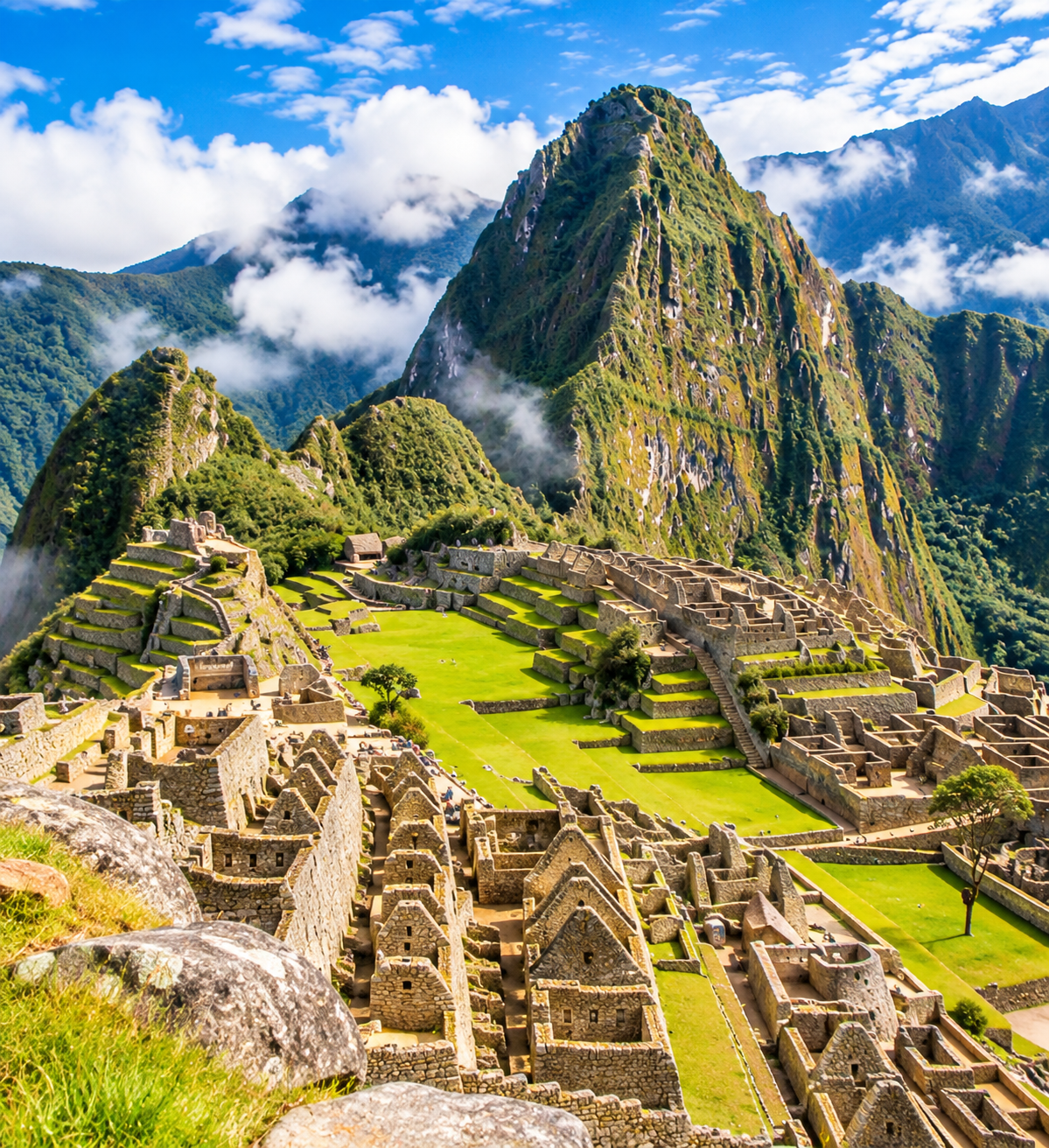
Much of the planning for Peru happens months ahead. Machu Picchu runs on three circuits divided into 10 routes, with hourly entry windows and a daily cap of 4,500 visitors in the regular season and up to 5,600 on designated high season dates. Trekkers face tighter rules, as only licensed operators authorized by Peru’s Ministry of Culture can secure Inca Trail permits for you.
Add train seats with PeruRail or Inca Rail and domestic flights between Lima, Cusco, and other regions, and the bookings need to line up in the right order.
A missed train or a ticket for the wrong circuit can cost you the Machu Picchu day entirely. An operator takes on that coordination, books each element in sequence, and deals with changes if something moves. Operators differ in how they do this, and they tend to fall into a few distinct types.
Four of the Best Peru Tour Companies to Compare
Each example below represents a different way of running a trip:
- Custom operator: Machu Travel Peru works with travelers through English-speaking trip designers who build the itinerary before departure. The company handles trains, internal flights, and entry permits, and provides 24/7 support while you are in the country. It suits travelers who want a designed itinerary rather than a fixed group departure.
- Trekking specialist: Alpaca Expeditions is based in Cusco and is a licensed Inca Trail operator able to obtain permits from the Peruvian government. It suits travelers whose trip centers on multiday hiking.
- Small group operator: Intrepid runs fixed departures with set itineraries and shared costs. It suits travelers who are happy to follow a planned route alongside others.
- Group operator: G Adventures offers fixed departures across a range of budgets and trip styles, which suits solo travelers and those keeping costs down.
These are examples, not a ranking. Lists of the best Peru tour companies often mix all four types together, so decide first which type fits your trip, then use the checks in the sections that follow to compare companies within that type.
Check Permits, Tickets, and What the Price Includes
Permits and entry tickets are where planning mistakes cost the most. The Inca Trail allows a maximum of 500 permits per day including crew and porters, leaving only about 200 for visitors, and for June to August you should aim to book at least five to six months ahead. The trail also closes every February for cleaning and maintenance. Machu Picchu tickets are less restricted, but the most popular circuits often sell out weeks in advance. Ask each company for written answers to these points:
- How far ahead do they request permits or entry tickets, and when do they need your passport details?
- Which Machu Picchu circuit and entry time does the package include?
- What happens if your preferred date or circuit sells out?
- Are flights, trains, transfers, and the guide inside Machu Picchu included?
- Which meals are covered, and whether tips for guides and porters are extra?
Comparing these answers side by side shows the real difference between quotes, since a higher price that covers trains and entry can end up close to a lower one with those added later. Check the cancellation terms too, because Machu Picchu tickets are non-refundable and cannot be canceled, so changes mean buying new tickets. Tickets are also matched to the passport used to purchase them, so confirm that the name on your booking matches your passport exactly.
Look at Group Size, Guides, and Local Operations
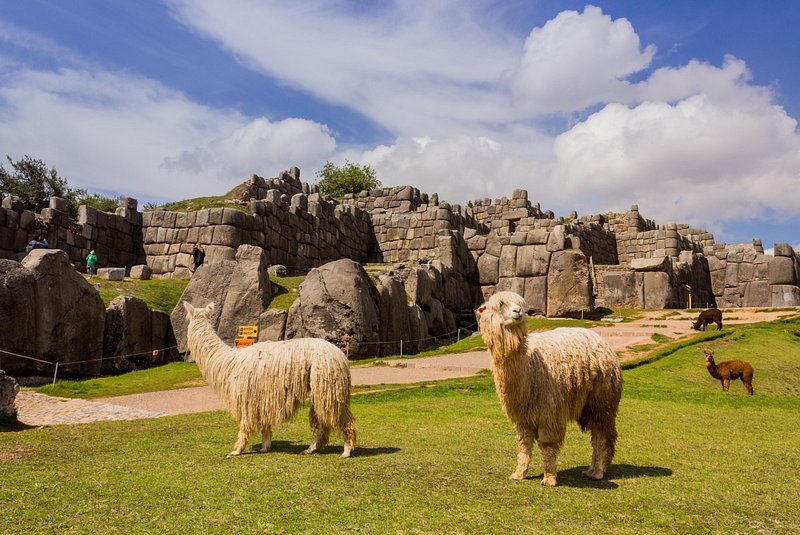
Group size affects the pace of every day. A group of 16 moves more slowly through site entrances, meals, and transfers than a group of four, and private trips remove that factor altogether. Ask for the maximum group size rather than the average, since averages can hide large departures in peak months.
Also, check whether guides are licensed and fluent in English. Visits to Machu Picchu must be guided, so the guide’s knowledge shapes one of the main days of the trip.
Next, find out who runs the trip on the ground. Some companies employ their own guides, drivers, and staff in Peru, while others resell departures operated by a local partner. Neither model is wrong, but it affects who you deal with if a train is delayed or a road closes. Many of the best Peru tour companies list their license details on their websites, and recent reviews on independent sites show how a company has handled problems in practice.
Ask How the Itinerary Plans for Altitude and Pacing
Altitude is the main health consideration on most Peru itineraries. Cusco sits at about 11,150 feet (3,400 meters), while Urubamba in the Sacred Valley is lower at about 9,400 feet, and Machu Picchu is at about 7,970 feet. Itineraries that go to the Sacred Valley first and reach Cusco afterwards help to let your body adjust gradually.
Look for at least two nights at moderate altitude before any trek or long site day. Headaches, poor sleep, and shortness of breath are common in the first 48 hours, and a well-paced plan keeps those days light.
Pacing matters beyond altitude too. Count the early starts and the number of hotel changes. A trip that moves hotels every night can feel rushed, especially for families with children or older travelers. If a company offers to change the order of stops, add a rest day, or swap a strenuous excursion for a shorter one, ask about this before you commit.
Shortlist Your Tour Company with Confidence
Once you know which type of operator fits your trip, narrow your list to two or three companies and send each the same questions about permits, group size, altitude planning, and inclusions. Compare their written answers side by side, along with how quickly they respond. That gives you a practical basis for choosing, and it leaves enough time to book before the dates you want sell out.