

Standing high in the Andes Mountains, Machu Picchu draws countless visitors each year. However, many arrive unprepared for the altitude, the crowds, and the complex logistics of visiting this Incan site.
You've dreamed of walking those ancient stone terraces where Inca royalty once lived. But now you're facing a maze of permits, weather considerations, and timing decisions. Should you visit during the dry season or risk the rains? How many days do you really need? What about altitude sickness?
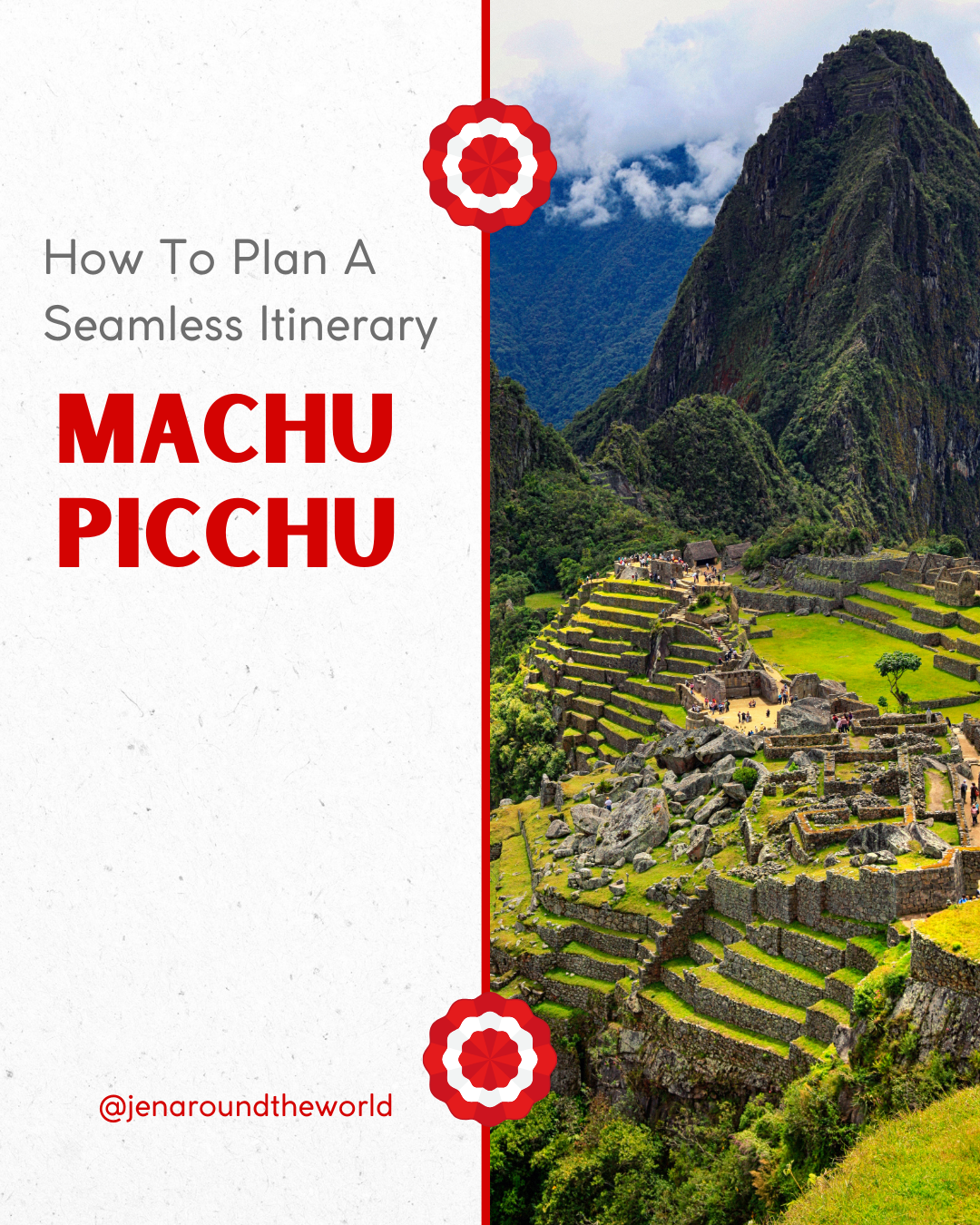
Here's everything you need to know to plan your perfect Machu Picchu adventure:
Plan Your Transportation Routes
Getting to Machu Picchu requires more than a simple bus ride. Most travelers start in Cusco City, where flights from Lima and other Peruvian destinations arrive daily. You can arrange a train journey from Cusco through the Sacred Valley using services such as Inca Rail.
The Machu Picchu sunrise train tour is a popular option if you want to start early. It gets you to Aguas Calientes in time for the first bus to the ruins. The train ride offers sweeping views of valleys and rivers as you move closer to the jungle's edge, enhancing your experience.
Once you reach Aguas Calientes, the town at the base of the ruins, you'll need to decide how to make the final stretch. Shuttle buses run frequently and take about thirty minutes to reach the entrance. Adventurous travelers may prefer to hike the Inca Trail, though this option requires extra time and energy.
Arrive in Cusco and Acclimate
Because Cusco sits at over 11,000 feet, you need to spend at least a day or two acclimating before you head toward the ruins. Without this step, the sudden change in altitude can leave you tired or dizzy. To make the transition easier, focus on simple habits such as drinking plenty of water, eating light meals, and resting whenever needed.
During this time, you don't have to stay indoors. Use the slower pace as a chance to explore Cusco itself. The city is filled with cobblestone streets, colorful markets, and remarkable Inca ruins that stand alongside colonial buildings. Taking it all in helps you adjust physically and gives you a deeper connection to the Inca civilization before you continue your journey.
Explore the Sacred Valley
Many itineraries include a visit to the Sacred Valley after Cusco. This fertile stretch of land between Cusco and Machu Picchu is home to ancient fortresses, colorful markets, and traditional villages. Sites like Pisac and Ollantaytambo showcase the scale and ingenuity of Inca engineering, making the Sacred Valley one of Peru's most rewarding travel destinations outside of Machu Picchu.
The valley is also at a lower altitude than Cusco, making it an ideal stop before heading deeper into the mountains. Spending a night in Ollantaytambo is convenient since trains to Aguas Calientes depart directly from the town. Exploring the Sacred Valley enriches your trip while giving you a natural break between Cusco and Machu Picchu.
Travel to Aguas Calientes
Your journey continues with a train ride to Aguas Calientes. This small town, tucked between cliffs and rushing rivers, serves as the gateway to Machu Picchu. Booking your tickets ahead of time is essential since space fills quickly, especially during the dry season.
Once you arrive, spend the afternoon unwinding. You can enjoy local Peruvian cuisine in one of the town's many restaurants or visit the hot springs for which the city is named. Getting a good night's rest is crucial, as most travelers rise before dawn to reach the ruins at sunrise.
Explore Machu Picchu
 This is the moment your itinerary has been leading to. Machu Picchu, a UNESCO World Heritage site, welcomes visitors with its dramatic terraces, temples, and sweeping mountain views. Because daily entry is limited,
To explore this Incan city, you'll need to secure tickets ahead of time, as daily entry is limited. Ticket options include the standard pass or combined tickets that add hikes to Huayna Picchu or Machu Picchu Mountain, both of which offer rewarding views.
If you'd prefer something less strenuous, the short trail to the Inca Bridge is a good choice. The walk takes less than an hour round trip, leading to a narrow stone pathway carved into a cliff. It offers dramatic views and shows how the Incas designed the citadel's defenses.
Arriving early allows you to experience the ruins in cooler air and gentler light. Once inside, take in the classic panoramic view before moving through landmarks such as the Intihuatana stone and the Temple of the Sun. Walking the terraces shows how the Inca civilization thrived in this rugged setting.
The best part? You can explore on your own or join a guided tour for a deeper context. Either way, carry water, sun protection, and light rain gear, since the weather in the Peruvian Andes shifts quickly. A steady pace and a little preparation help you enjoy the site without distraction.
Return to Cusco
Once you've explored Machu Picchu, the journey back begins with a train ride to Ollantaytambo, followed by a transfer to Cusco. Many travelers decide to spend an additional night in the city before flying out, which provides time for last-minute shopping, sampling local restaurants, or simply relaxing after days of adventure.
If your schedule allows, consider planning a second entry to Machu Picchu before leaving. Returning lets you see parts of the site you may have missed or move more slowly without feeling rushed.
Conclusion
Planning a seamless itinerary for Machu Picchu takes time and thought, but the effort pays off. Each step discussed sets the stage for your visit to one of the world's most remarkable archeological sites.
Remember, Machu Picchu isn't just a stop on a map. It's an Inca site that brings history, culture, and nature together in a way few places can match. With a thoughtful plan, your journey will feel smooth, meaningful, and unforgettable.