
Radish microgreens are among the most popular plants grown for microgreens production. They germinate quickly, have a distinctive spicy flavor, and look attractive on the plate.

However, individual varieties can differ significantly in stem color, flavor intensity, and leaf appearance. Before purchasing seeds, it is worth considering whether ease of cultivation, decorative appearance, or the bold flavor of harvested microgreens is your main priority.
In this article, you will learn:
- how popular radish microgreens varieties differ;
- which varieties work best in professional kitchens;
- how to choose seeds that match your growing needs;
- what affects the color and appearance of young shoots;
- which factors to consider before buying seeds.
Understanding these differences makes it easier to select the right variety for both home cultivation and commercial production.
What makes radish microgreens special?
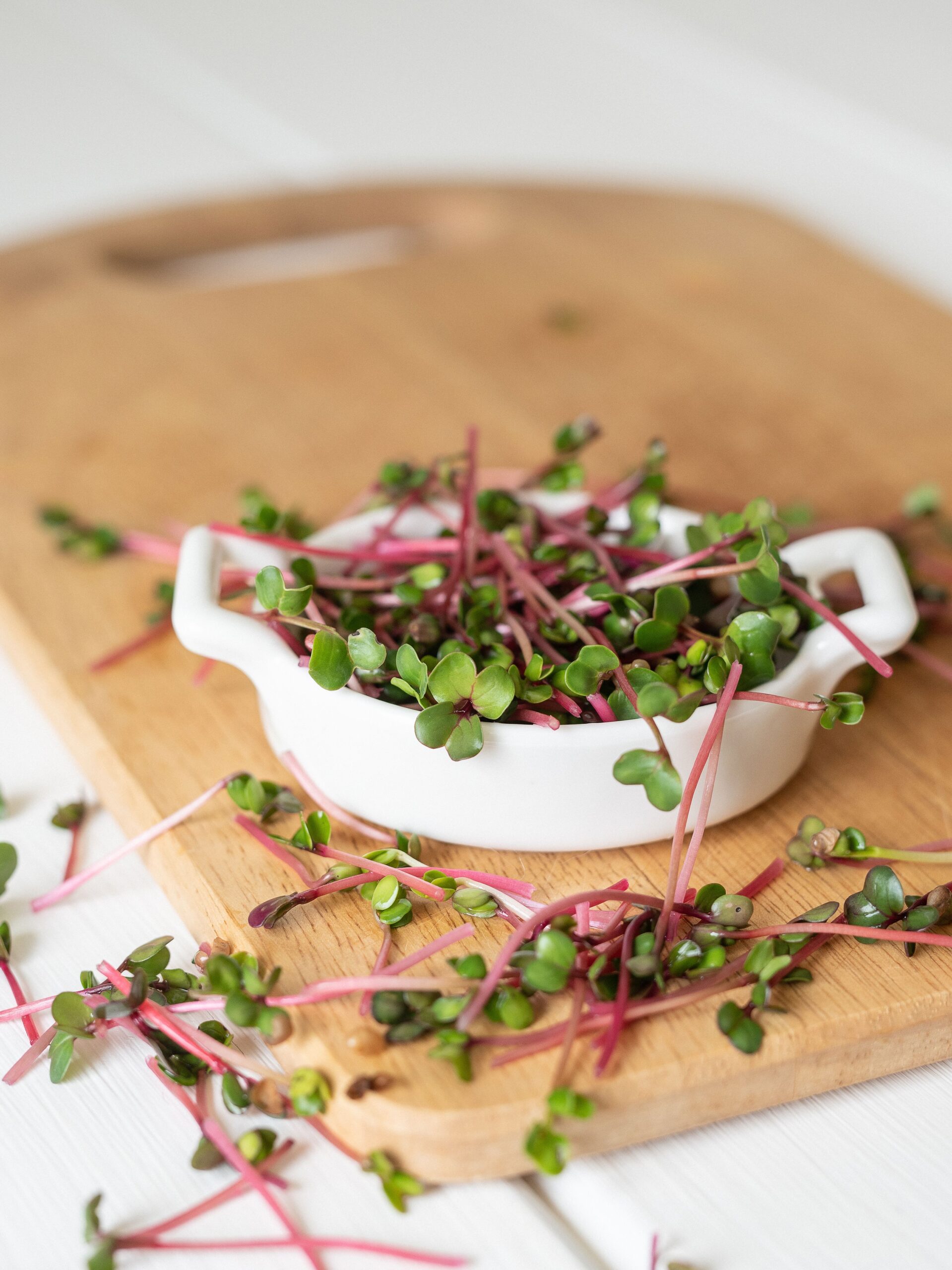
Radish microgreens are young plants harvested at an early growth stage, usually after their cotyledons have developed. Their greatest advantage is their intense, slightly peppery flavor, which complements a wide range of dishes including my hearty bagel brunch sandwich. Depending on the variety, they may feature green, pink, or purple coloration, making them particularly attractive as culinary garnishes.
Radish microgreens are also known for their short growing cycle. Under favorable conditions, microgreens can be ready for harvesting in approximately 6-10 days. This makes them an interesting option for producers looking to maintain regular harvests and use their growing space efficiently. Choosing suitable radish microgreens seeds from the beginning can help achieve more consistent results across successive growing cycles.
Radish Daikon, Red Rambo, Pink, or Rose? Which variety should you choose?
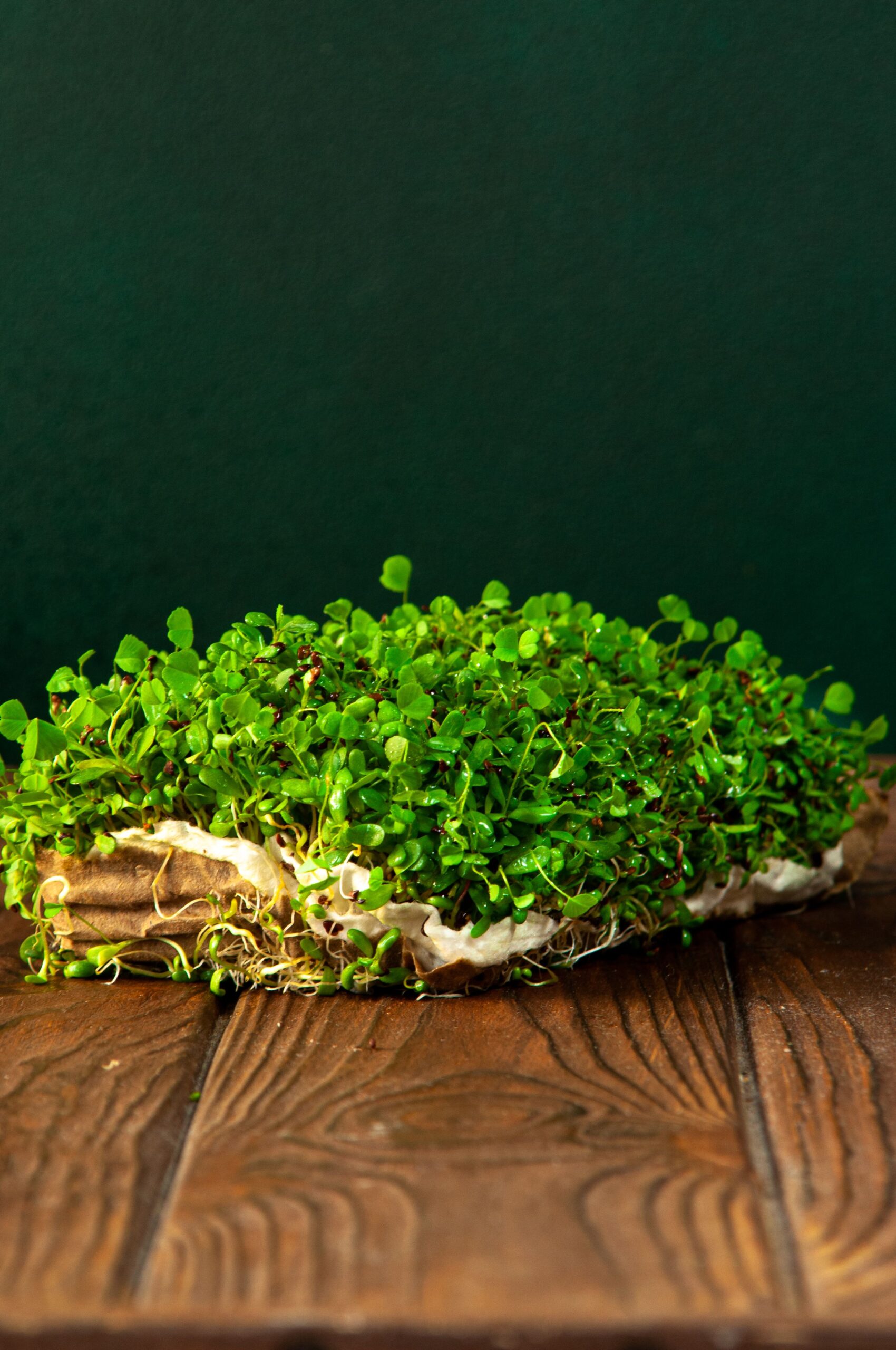
Different radish varieties offer distinct flavor profiles and visual characteristics. Some are particularly suitable for everyday cooking, while others are appreciated for their decorative appearance.
Popular varieties include:
- Radish Daikon, characterized by green cotyledons, light-colored stems, and a mildly spicy flavor;
- Radish Red Rambo, distinguished by its intense purple coloration and pronounced peppery taste;
- Radish Pink, featuring pink stems, green leaves, and a relatively delicate flavor;
- Radish Rose, combining pink stems with green cotyledons and a characteristic spicy aroma.
The choice should depend on the desired result. Red Rambo and Rose are excellent options for creating colorful garnishes, while Daikon may be a good choice for growers looking for a versatile variety. When comparing radish microgreens seeds, it is useful to consider both their visual characteristics and expected flavor intensity.
How to choose radish microgreens seeds for your cultivation?
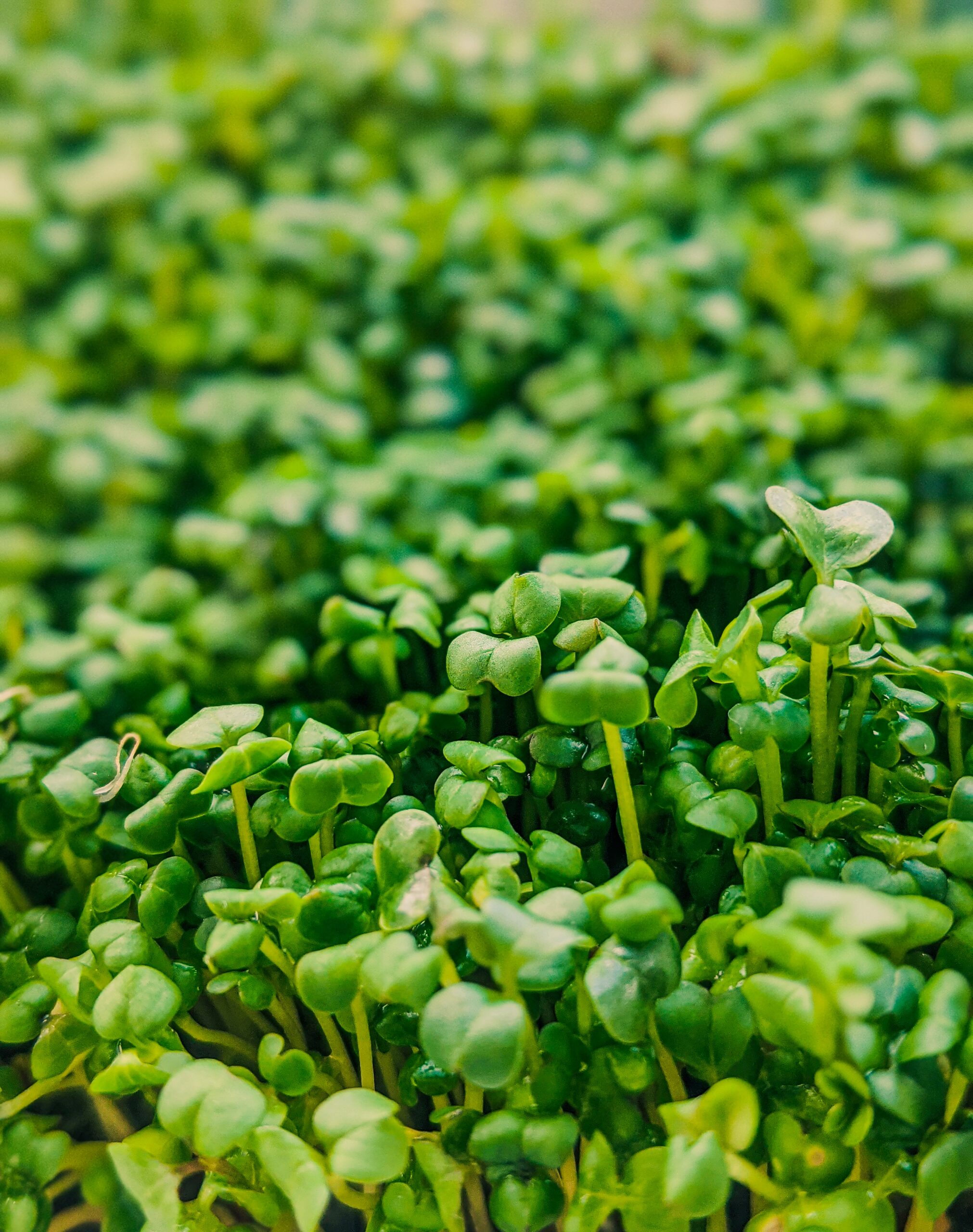
Before purchasing seeds, it is worth analyzing your planned production. Home growers may primarily focus on flavor and appearance. For commercial producers, uniform germination, consistent harvests, and the ability to supply customers regularly are equally important.
When choosing radish microgreens seeds, it is worth considering the characteristics and intended applications of individual varieties. The MP Seeds range includes Daikon, Red Rambo, Pink, Rose, and radish mixes, allowing growers to select planting material for different purposes.
MP Seeds offers varieties for producers who want to combine predictable cultivation with visually appealing harvests.
What affects the color intensity of radish microgreens?
The color of young shoots primarily depends on the genetic characteristics of a particular variety, although growing conditions also play an important role. Adequate lighting supports proper plant coloration, while temperature can influence the intensity of purple shades.
Red Rambo is a particularly interesting example, as its characteristic coloration may become more pronounced under slightly cooler conditions. However, sudden temperature changes should be avoided because they can negatively affect plant growth.
Tip: If microgreens are intended for use as culinary garnishes, it is worth testing the selected variety under the actual growing conditions. This helps evaluate not only its color but also shoot height and growth uniformity.
Which radish microgreens varieties are best for restaurants?
In professional kitchens, both flavor and presentation are important. Radish microgreens can be an interesting addition to salads, sandwiches, burgers, fish dishes, and modern restaurant creations.
Varieties with purple and pink stems create an attractive contrast with lighter ingredients. Green Daikon microgreens, on the other hand, work well in more traditional combinations. The diversity of available varieties allows chefs to match the appearance and flavor of their garnishes to the character of each dish.
For professional suppliers, seed availability and the ability to maintain consistent harvests are also essential. MP Seeds combines a wide selection of radish seeds with options suitable for commercial cultivation.
How to select a radish variety that meets your expectations?
There is no single variety that works best in every growing environment. Daikon is an interesting choice for those who value versatility, Red Rambo appeals to growers looking for intense colors, while Pink and Rose are suitable for those seeking more subtle visual contrasts.
The best approach is to consider flavor characteristics, growing conditions, and the intended use of the harvested microgreens. Carefully selected radish microgreens seeds help growers plan production more effectively and obtain plants suited to the needs of both home growers and professional kitchens.
FAQ - frequently asked questions about radish microgreens
How many days does it take to harvest radish microgreens?
Radish microgreens are usually ready for harvesting after approximately 6-10 days. The exact timing depends on the variety, temperature, lighting, and other growing conditions.
Do all radish microgreens have a spicy flavor?
Yes, spiciness is a characteristic feature of radish microgreens, although its intensity varies between varieties. Daikon and Pink generally offer milder notes, while Red Rambo has a more pronounced peppery flavor.
Can radish microgreens be grown all year round?
Yes, radish microgreens can be cultivated throughout the year when appropriate temperature, moisture, and lighting conditions are maintained. During periods of limited natural daylight, supplemental LED grow lights can be helpful.