

Short getaways can be a refreshing way to reset, reconnect with loved ones, or simply break from routine. For people who require extra support, however, planning even a brief trip can feel overwhelming.
Here is a guide on how (with the right preparation and support in place) plan short getaways can be both enjoyable and stress-free.
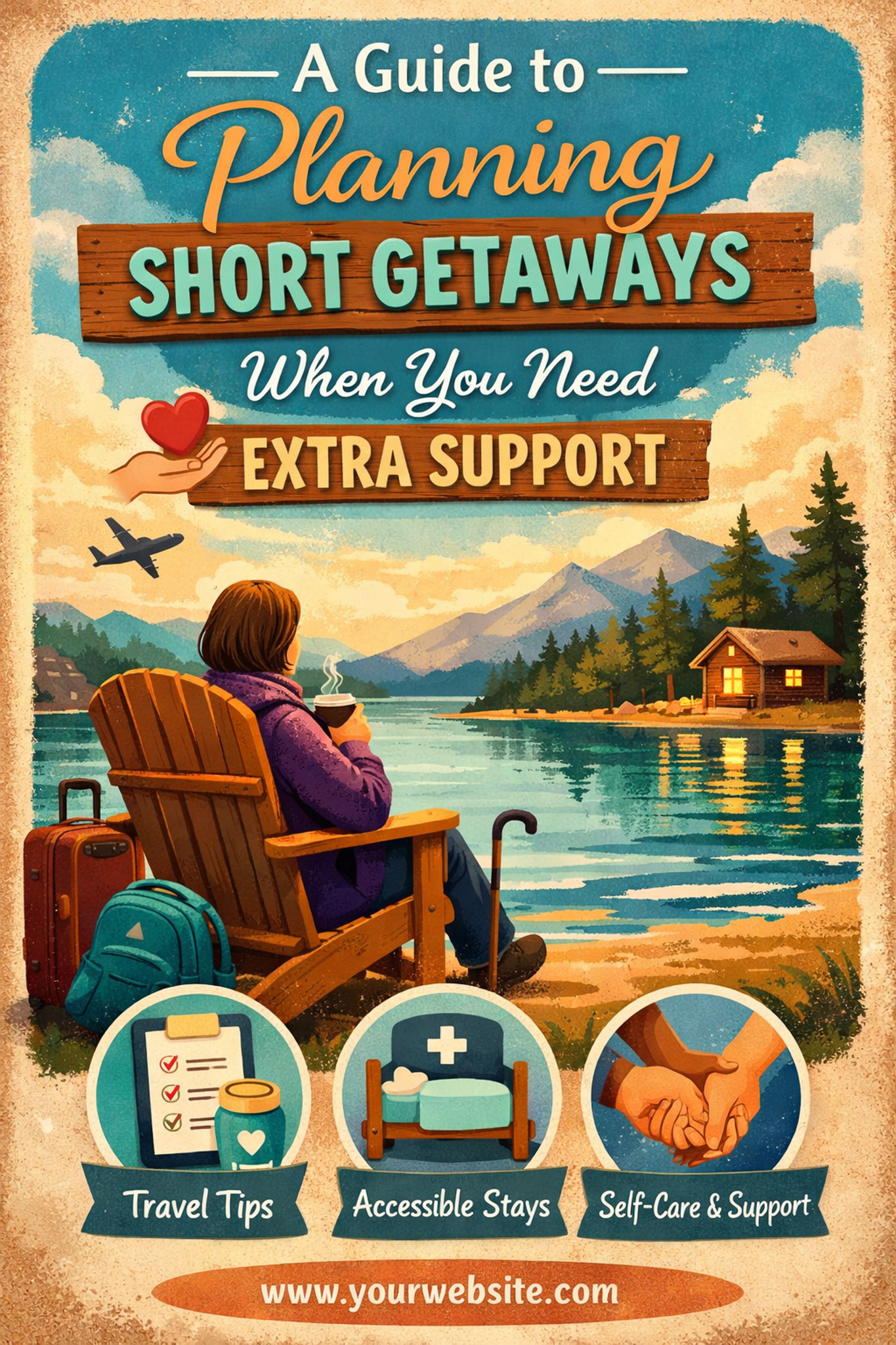
Start With the Right Destination
When planning a short getaway, location matters more than distance. Look for destinations that are easy to reach and offer accessible accommodation, transport options, and nearby medical or support services if needed. Coastal towns, regional cities, or quiet suburbs close to home often provide a good balance of relaxation and convenience.
Check accommodation websites carefully for accessibility details rather than relying on labels alone. Confirm features such as step-free access, accessible bathrooms, lift availability, and proximity to local amenities.
Keep the Itinerary Simple

Short trips are meant to reduce stress, not add to it. Avoid overplanning your days and allow plenty of flexibility. A relaxed schedule makes it easier to adapt if energy levels change or unexpected needs arise.
Focus on one or two enjoyable activities per day, such as visiting a park, enjoying a café, or taking a scenic walk. Leave space for rest, downtime, and spontaneous moments.

Arrange Support in Advance
One of the most important aspects of planning a getaway with extra support is ensuring care needs are covered while away from home. This may involve bringing a support worker, coordinating temporary services, or working with local providers at your destination.
When you’re planning a break but still need support at home, Care For Family is an in-home care provider in Sydney that can step in for short-term or respite care. They offer flexible visits – from a few hours to overnight or 24-hour support – with tailored, familiar care teams so you and your loved one know who is coming through the door.
Their team can talk through funding and private-pay options in a way that’s easy to understand, so you can plan time away with confidence.

Pack With Purpose
Packing thoughtfully can make a big difference. Create a checklist that includes medications, mobility aids, comfort items, documentation, and emergency contacts. Pack slightly more than you think you will need, especially for essentials that may not be easy to replace while away.
If you use assistive technology or medical equipment, double-check power requirements, charging options, and transport arrangements before leaving.
Communicate Your Needs Clearly

Whether you are traveling with family, friends, or support staff, clear communication is essential. Discuss expectations, routines, and any potential challenges ahead of time. This helps everyone feel prepared and reduces misunderstandings during the trip.
If staying at a hotel or rental, do not hesitate to contact the property in advance to confirm accessibility details or request specific arrangements.
Choose the Right Time to Travel
Traveling during quieter periods can make a big difference. Off-peak times often mean less crowding, shorter wait times, and a calmer environment overall. This can be especially helpful for individuals who find busy spaces overwhelming or tiring.
The weather is also worth considering. Mild conditions are usually more comfortable and reduce the risk of travel disruptions.
Focus on Enjoyment, Not Perfection
Finally, remember that the purpose of a short getaway is enjoyment and rest. Not everything has to go perfectly for the trip to be worthwhile. Celebrate small wins, be kind to yourself, and allow the experience to unfold naturally.
With thoughtful planning and the right support, short getaways can be empowering, restorative, and deeply rewarding. They offer a chance to explore new environments, build confidence, and enjoy life beyond everyday routines, all while feeling safe and supported.