
Having garden confidence that truly feels like you is all shaped by your creativity, care, and confidence. But for most of us, whether it's a new garden or one that we know we need to tackle, the very task of gardening can feel intimidating rather than inspiring.
It's easy to see why, particularly as there's plenty of Pinterest-worthy gardens and lush vegetable plots online that look amazing, but can create a great sense of uncertainty about where to begin.
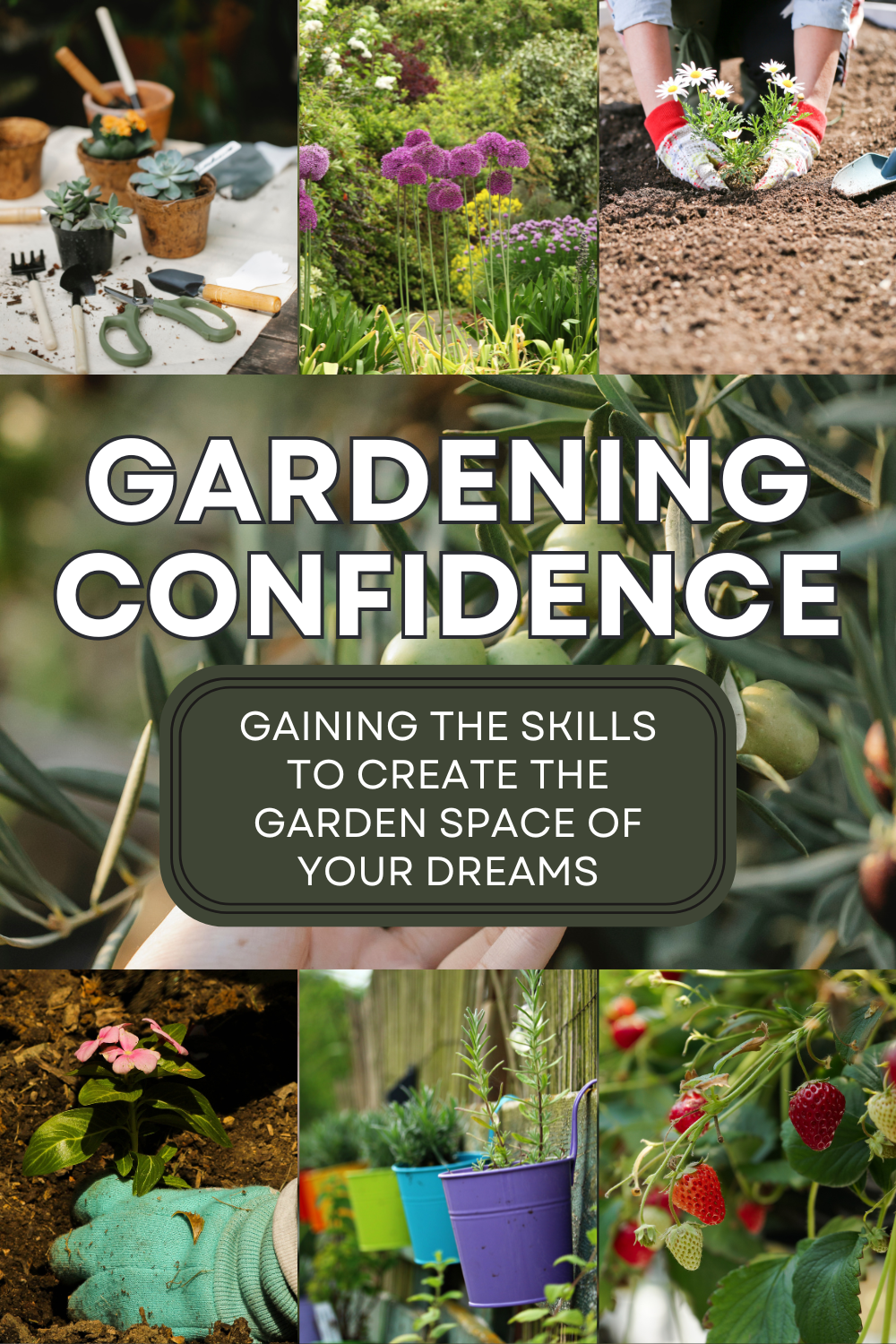
The real answer is that cultivating garden confidence isn't about getting everything right the first time, but much like a garden evolves, you need to learn the skills that will let you experiment, adapt, and ultimately enjoy the process.
So let's show you some key ways to build your garden confidence with skills to grow season by season, project by project, and plant by plant:
Get Comfortable With Your Tools to Grow Your Garden Confidence
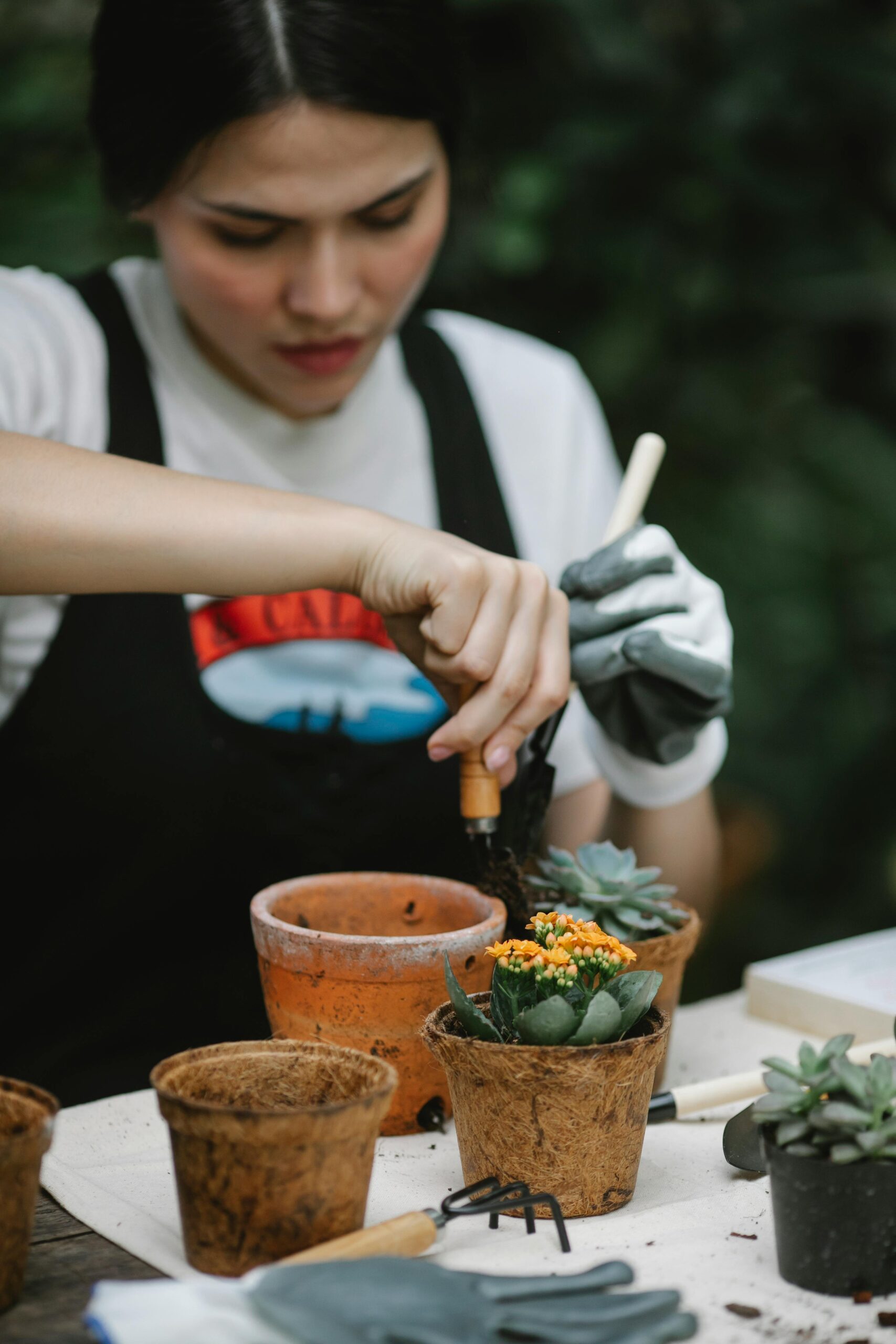
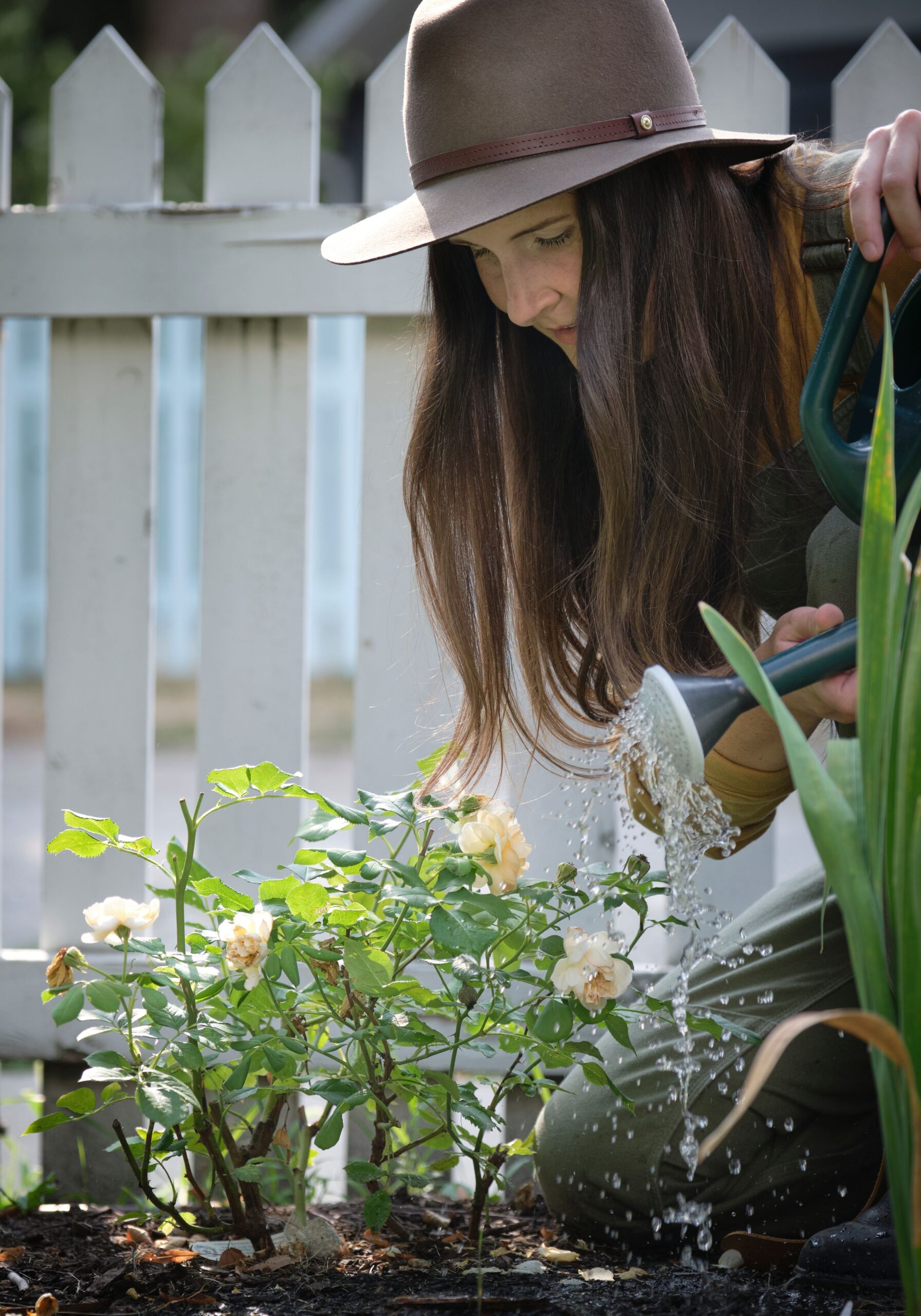
The reality of the situation is that nobody becomes a confident gardener without a trusty set of tools and a little know-how about how to use them.
This may mean learning how to prune, edge, or cut through thicker branches safely. Thankfully, modern tools have made a lot of this easier, such as a lightweight cordless chainsaw to trim dead limbs or reshape overgrown shrubs without feeling heavy or intimidating, but perhaps before you get to this stage, start small and with the basics.
All you need at the very outset is a solid pair of gardening gloves, some hand pruners, a trowel, and a hoe, and then as you take on larger projects, you can slowly add to your tool kit, but the secret to all of this is very simple practice.
Make sure you use your tools regularly, clean them after each job, but then take time to learn what is best for each environment and project. When you handle your tools like it's second nature, your confidence will build, and so will your efficiency.
Understanding Your Space and Soil Will Grow Your Garden Confidence
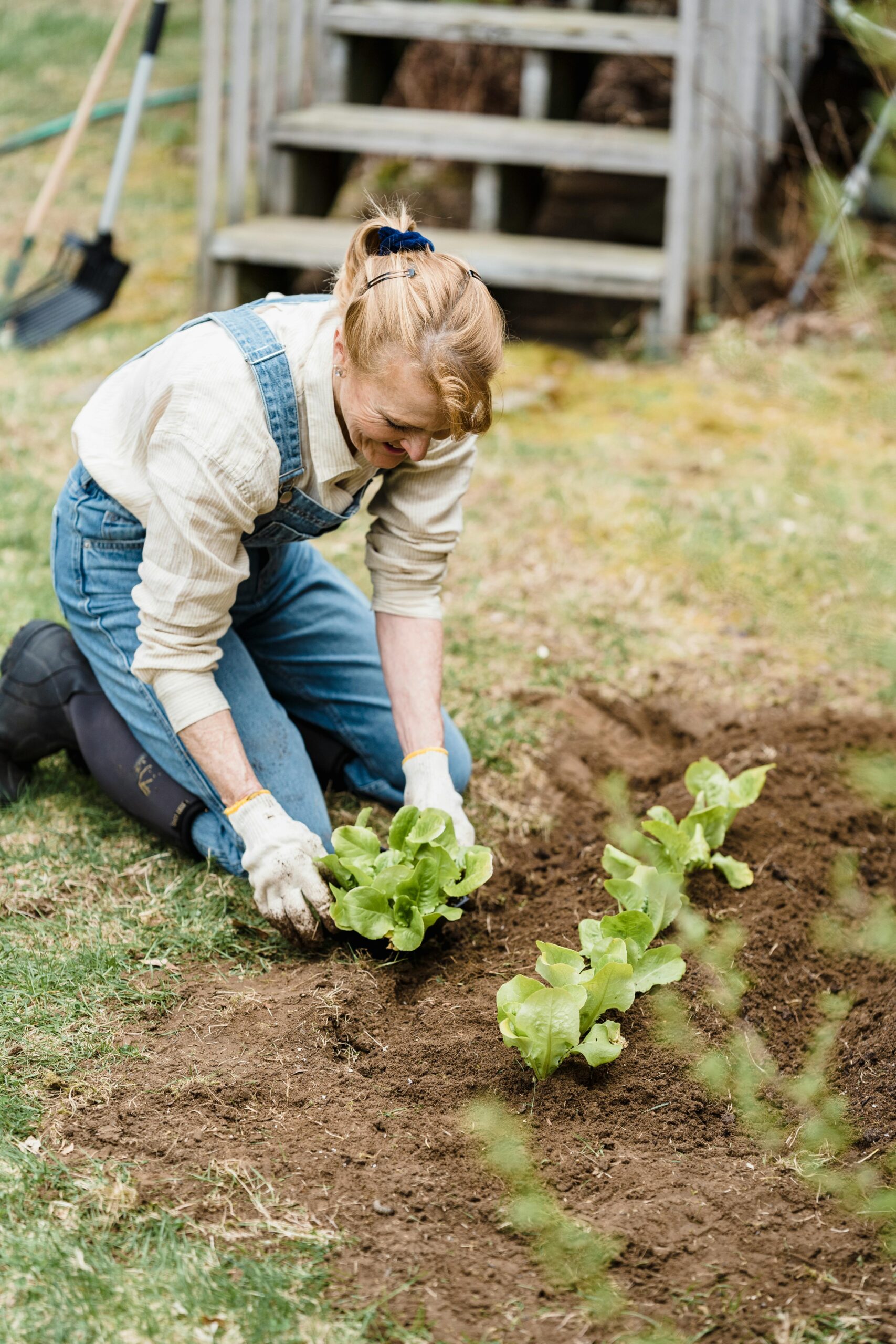
Every garden will begin with the foundations underneath it. Before you plant a single flower, you should get to know your spaces as deeply as possible.
Simple observations like noticing where the sun hits during the day, where the shade lingers longest, where the rain drains, and where it puddles can shape every decision you make about your garden environment.
The next thing you need to do is test your soil. Many inexpensive soil tests identify pH balance and nutrient levels to help you choose the right plants and make the appropriate changes, which will save time, money, and heartache later on.
For example, if your soil is more acidic, then you will find specific plants and fruits will thrive, such as hydrangeas and blueberries, but if it's more alkaline, look at ornamental grasses or lavender.
Understanding your soil's personality is a great way to ensure that you are working with nature rather than against it. If you really have your heart set on growing a specific type of flower, but it is not going to happen because of where you are in the world, you need to cut your losses.
Learn the Rhythm of Planting
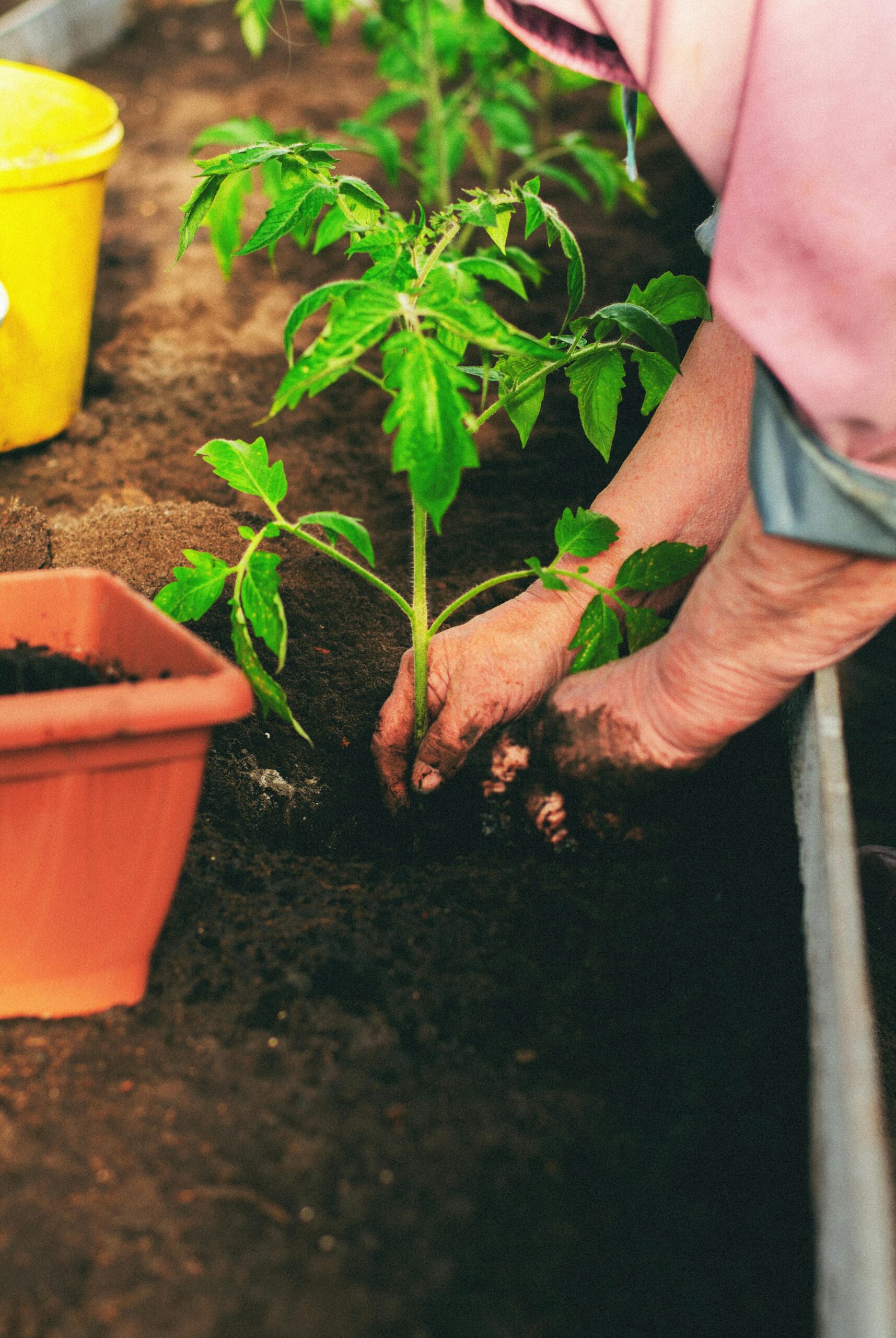
Gardening is more than just technique; it's timing. Each region has its own growing seasons, so make sure that you know the best times to plan based on where you live.
Many beginners will jump straight to the prettiest plants at the garden center, only to see them wilt or even die because the season or the sunlight just wasn't working in their favor.
The simplest way to match plants to your climate is to learn your hardiness zone and then follow a calendar that tells you when to start seeds indoors, transplant them outdoors, prune, or harvest them.
This four-step rhythm becomes second nature once you've gone through it a couple of times, but also make sure that you track what's working and what isn't, because the more you record, the easier it will be for future seasons, meaning you will be able to enjoy the garden rather than staring at it looking for grievous errors.
Design With Intention
A confident garden feels cohesive and reflects its owner's personality. So to achieve this, think about how you want to use your garden, for example, do you imagine peaceful morning coffee among the flowers, lively garden parties at night with friends, or are you hunting for that vegetable patch bursting with produce to help you offset the costs of modern life?
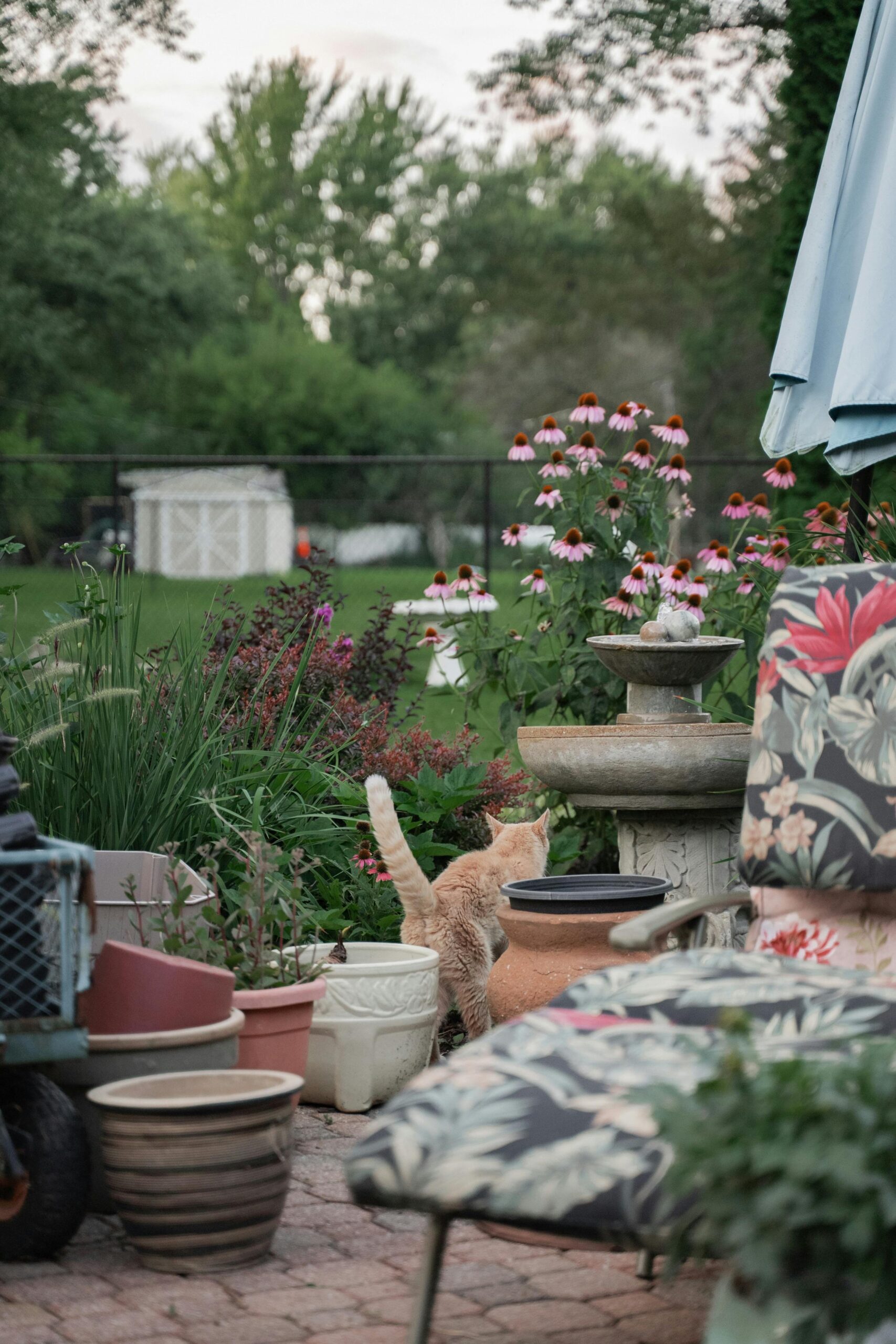
Start with a rough layout, because sketching it can even help you to visualize your arrangements and arrange heights. You can then group plants by their sun and watering needs, but also do not be afraid to blend textures, as this creates a more picturesque space, so these little design elements can then make your garden feel intentional.
The key is, of course, starting small. Layer it as you go, because if you get one corner correct, this is going to boost your pride more than trying to landscape an entire yard in a whole weekend.
Embrace Your Mistakes
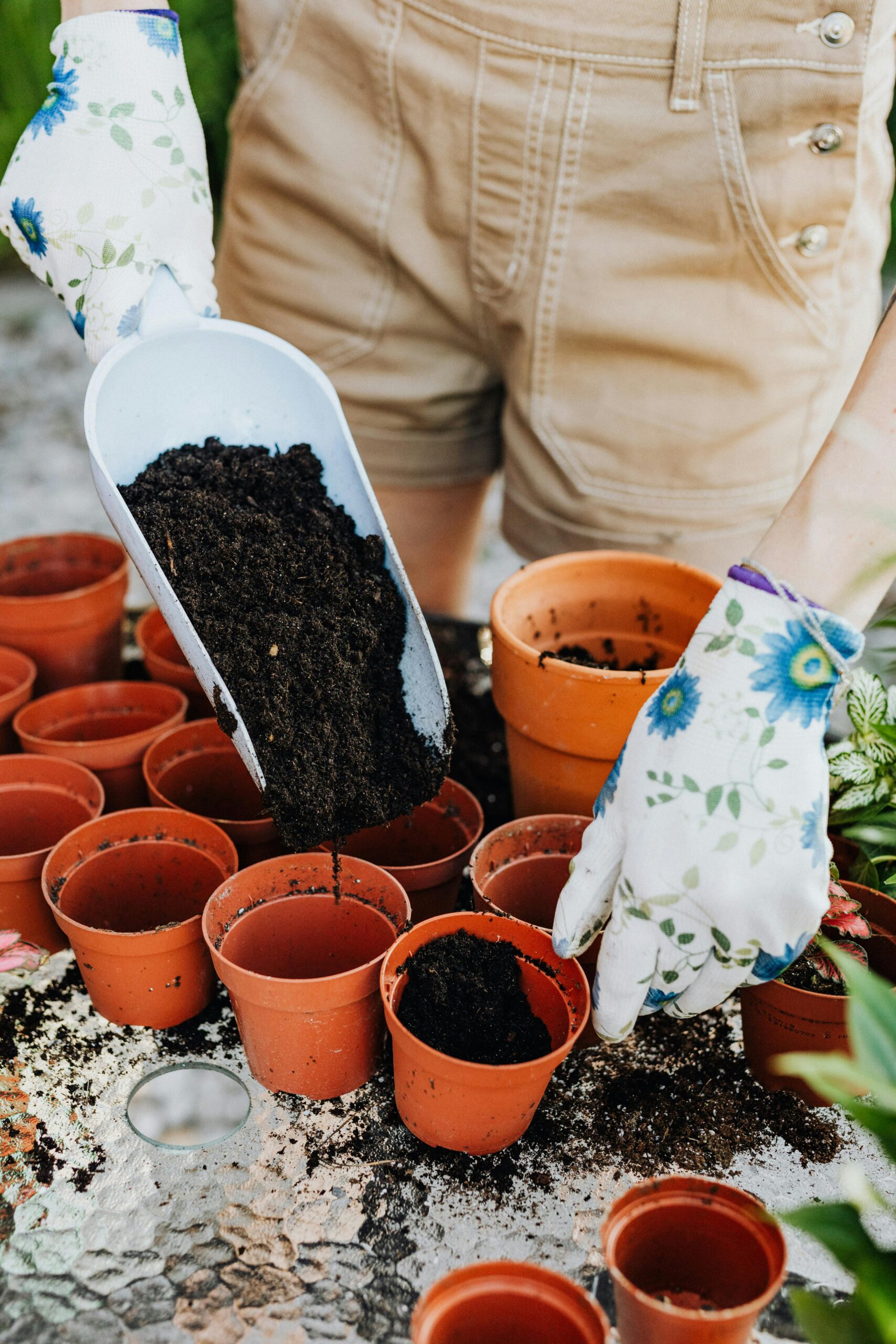
Every garden has planted something that didn't thrive, so get out of the idea of perfection. Everything is grist to the mill, so keep a running list of what has worked and what you would change next time around.
Even the smallest of victories, like a sprout that doubles in size or that first new bud, are worth celebrating, because you will then gain an intuitive sense of what your garden needs over time, meaning that your confidence and your garden will truly bloom.
The real secrets to building overall garden confidence are about persistence and curiosity, because you don't need to know everything.
Start small, stay consistent, and make sure that you can grow alongside your plants, so whether you are cultivating a border of vegetable beds or a simple herb garden, the skills and confidence you build along the way will undoubtedly grow alongside your flowers. Each patch of soil and each new skill that you learn is an expression of who you are, so make sure that you are cultivating that all-important confidence.