

Montenegro is small, but the landscape changes fast. You can leave the coast in the morning and be standing in high mountains by lunchtime. For nature lovers, that range is the main appeal. You are not limited to one type of outdoor experience.
Hiking, rivers, lakes, and the sea all sit close together, which makes planning flexible and practical rather than complicated.
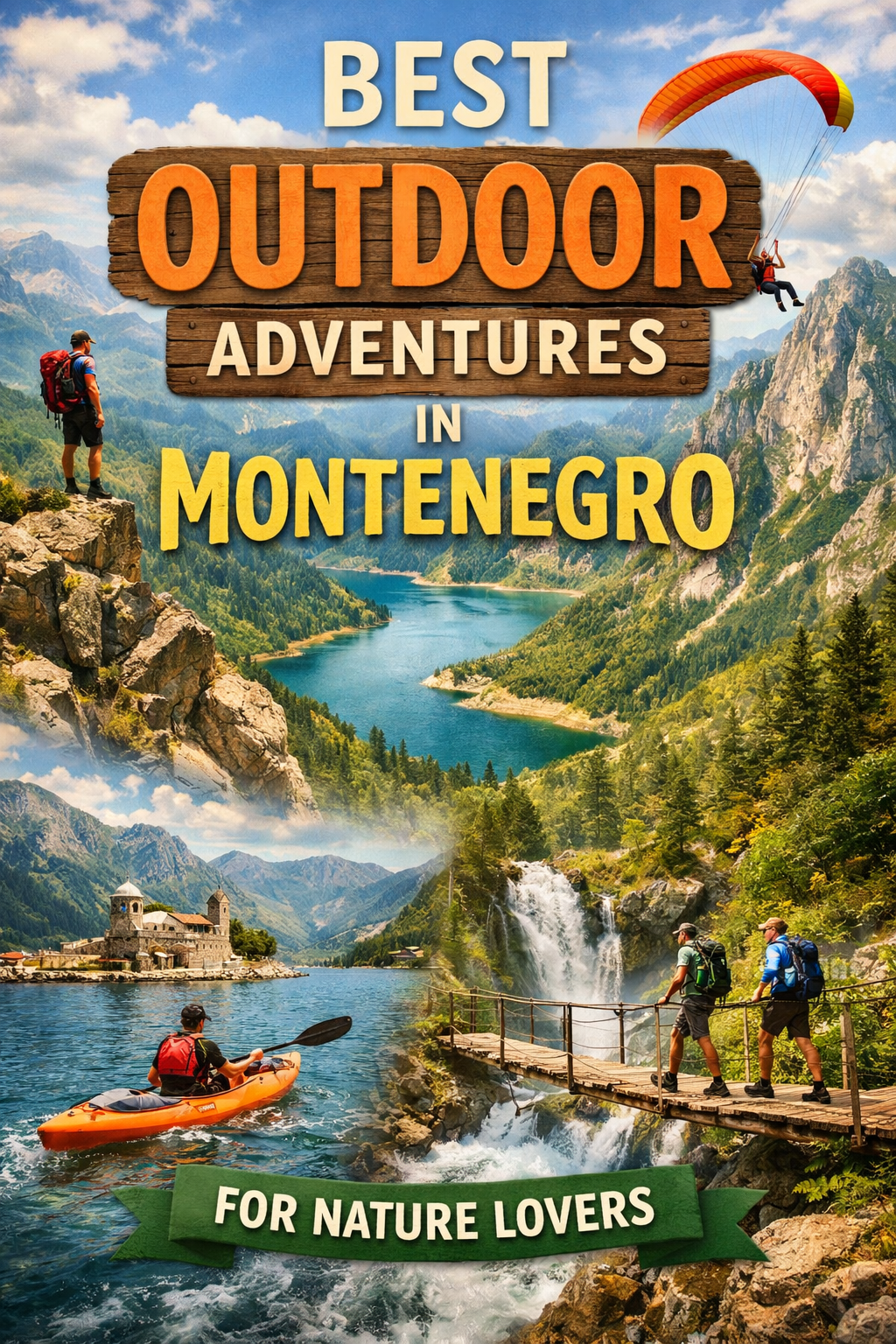
This diversity is exactly what makes Montenegro Tours so appealing, as each day can offer a completely different adventure, from exploring ancient coastal towns to trekking through rugged mountain trails or relaxing by pristine lakes.
No matter what kind of scenery or activity you are seeking, Montenegro’s compact size allows travelers to experience it all without long, exhausting journeys, making every tour both efficient and unforgettable.
Hiking and Mountain Exploration Across Montenegro
Durmitor National Park and High-Altitude Trails
Durmitor National Park is the most accessible mountain region in Montenegro, and the one most people start with. It combines marked trails, serious elevation, and a wide mix of terrain. Walks around Black Lake near Žabljak are flat and short, suitable for most visitors, but they only show a small part of the park.

Higher routes climb quickly into rocky ground, open ridgelines, and glacial landscapes. Peaks rise above 2,500 metres, and the weather can change fast, even in summer. Snow often lingers on shaded sections well into late spring.
Trails are marked, but signage is uneven, so maps or GPS matter. For hikers willing to prepare properly, Durmitor delivers long views, quiet stretches away from crowds, and a clear sense of scale that road access cannot provide.
Prokletije Mountains and Remote Border Landscapes
The Prokletije mountains are rougher, quieter, and far less developed than Durmitor. Located along Montenegro’s borders with Albania and Kosovo, this region feels isolated and demands more from visitors.
Trails are less consistent, paths can be steep and broken, and distances are deceptive. This is not casual hiking. Fitness, navigation skills, and realistic planning are essential. In return, hikers get long, uninterrupted days on the trail, very low foot traffic, and a stronger sense of being away from infrastructure.
Villages are small and scattered, and services are limited. Prokletije suits experienced hikers who value solitude and are comfortable managing their own safety without relying on facilities or frequent signage.
Water-Based Adventures in Rivers, Lakes, and the Adriatic
Tara River Canyon Rafting and Kayaking
The Tara River Canyon cuts deep through northern Montenegro and forms one of the country’s most striking natural features. The river is protected due to its environmental importance, and development along its banks is tightly controlled.
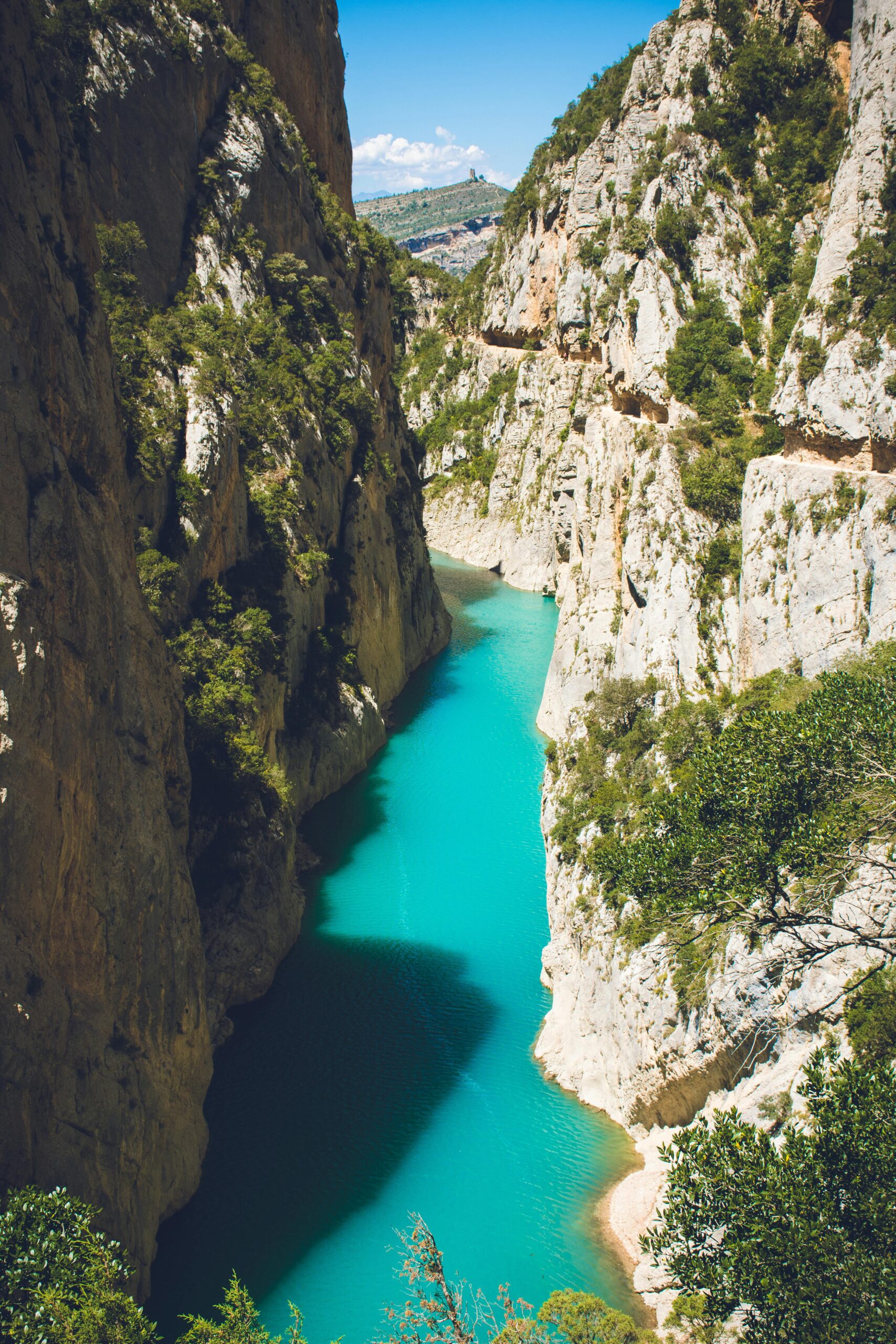
Rafting is most popular in spring and early summer when water levels are higher, and rapids are stronger. Trips range from short sections to full-day runs and are usually guided, with safety equipment provided. Later in the summer, the river slows and becomes more suitable for kayaking and calmer rafting.
Conditions still depend heavily on rainfall. The appeal is not only the water itself but the surrounding canyon, where roads disappear, noise drops away, and the landscape feels largely untouched.
Lake Skadar and Coastal Kayaking Routes
Lake Skadar offers a completely different water experience. As the largest lake in the Balkans, it is shallow, slow-moving, and rich in wildlife, particularly birdlife.
Kayaking routes wind through reed channels and open water, making it suitable for beginners and for visitors focused on observation rather than speed. Early mornings are best, both for calmer conditions and wildlife activity.
Along the coast, kayaking shifts again. Kotor Bay is sheltered and relatively forgiving, while open Adriatic routes are more exposed and weather-dependent.
Wind can build quickly, so planning matters. Guided trips help with access, safety, and local conditions, while independent paddling requires careful checks and realistic route choices.
National Parks and Protected Natural Areas
Biogradska Gora and Ancient Forest Ecosystems
Biogradska Gora is one of the last remaining primeval forests in Europe, and that status shapes how visitors experience it. Large sections of the forest have never been logged, which means trees grow taller, older, and closer together than in managed woodland.

Walking routes are mostly gentle and well defined, especially around Biograd Lake, where a flat circular path allows slow exploration without technical difficulty. The focus here is not distance or elevation gain but observation.
Moss-covered trunks, dense canopy, and minimal noise define the experience. Conservation rules are strict. Camping is limited, fires are prohibited, and off-trail walking is discouraged.
Spring and early summer bring dense greenery and higher water levels, while autumn offers clearer paths and strong colour contrast without the pressure of peak season crowds.
Lovćen National Park and Karst Landscapes
Lovćen National Park sits above the coast and is shaped by karst terrain, which creates sharp ridges, rocky slopes, and sudden drops.
The landscape feels exposed and open, with wide views rather than dense forest. Trails are generally shorter than in northern parks and easier to access, making Lovćen suitable for half-day walks rather than multi-day hikes.
The park also blends natural and cultural features, with historic paths and viewpoints built into the terrain.
This combination makes it popular, especially in good weather. While it lacks the raw isolation of Durmitor or Prokletije, Lovćen offers a clear example of how geology shapes movement, visibility, and land use in Montenegro.
Wildlife Watching and Low-Impact Nature Experiences
Birdwatching and Wetland Habitats
Montenegro’s wetlands play a key role in regional bird migration, and Lake Skadar is the centre of this activity. Hundreds of species pass through or nest in the area, including pelicans, herons, and various birds of prey.
Seasonal timing matters. Spring and autumn bring the highest diversity, while summer is quieter but still active in early mornings. Observation works best from the water or designated viewpoints rather than random shoreline access. Quiet movement, distance, and patience matter more than equipment.
Guided trips help identify species and avoid disturbing nesting areas. This is not a passive experience. Done properly, it requires attention and restraint.
Sustainable Travel and Responsible Outdoor Activity
Outdoor access in Montenegro depends heavily on responsible behaviour. Many natural areas are protected, but enforcement varies, which means visitor choices have a direct impact.
Common mistakes include leaving marked trails, lighting fires, camping outside permitted zones, and treating fragile areas as space rather than managed ecosystems. These actions damage habitats and lead to tighter restrictions over time.
Low-impact travel means following local rules, carrying waste out, and choosing activities that match conditions rather than forcing plans. Responsible use protects both the environment and future access.
Montenegro’s appeal lies in its relative lack of overdevelopment. Keeping it that way depends as much on visitors as it does on regulation.
Montenegro rewards people who slow down and pay attention. The landscapes are varied, but they are not built to absorb careless use. Hiking, paddling, and wildlife watching all work best when approached with preparation and restraint. For nature lovers, that balance is what makes the experience worthwhile.