
The oven’s been warming up for twenty minutes. The turkey’s half-thawed, sitting on the counter. You’ve got three hours before guests show up. All the while, your mind’s buzzing, going over that invisible checklist of possible mishaps.
Holiday cooking has its own energy. You get the thrill, but there’s a good bit of nerves mixed in, too. Sure, everyone fusses over the food, and that makes sense. But there’s more to it, keeping your kitchen safe matters just as much as making sure everything tastes good. These seven quick checks can help make sure your holiday doesn’t turn into a complete mess.
1. Check Your Oven's Actual Temperature
Ovens aren’t exactly honest. Seriously, the numbers on the dial can be way off sometimes by 25 to 50 degrees. If you’re roasting a big turkey for hours, that difference really counts.
Grab an oven thermometer you can hang right inside. Let your oven heat up all the way, then compare what you set with what the thermometer actually says.
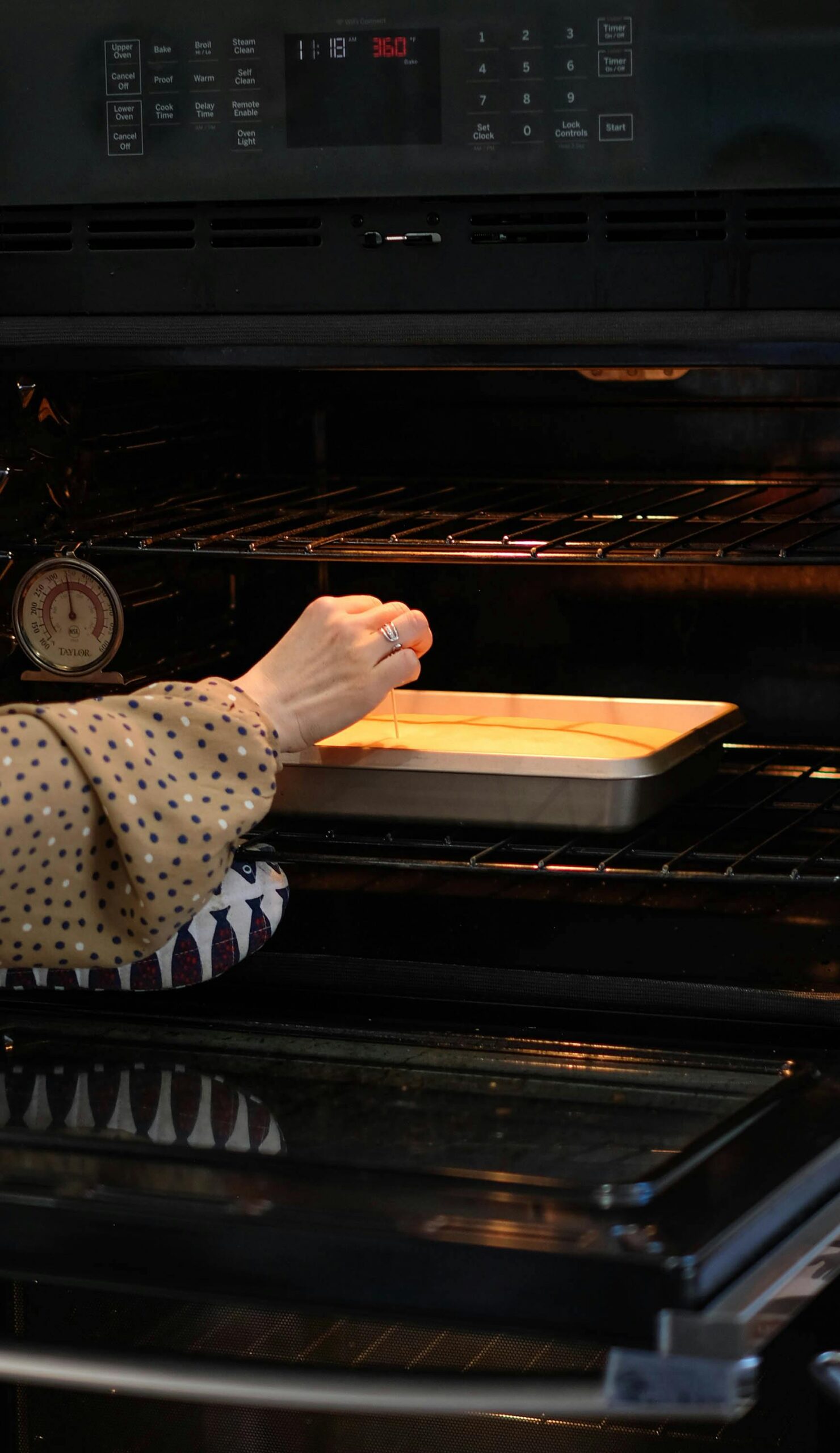
Say you set it to 350°F, but the thermometer shows 325°F? Just bump up the heat. It’s a small thing, but it saves you from dry meat and nasty burnt edges.
2. Verify Your Smoke and Carbon Monoxide Detector Is Working
Most people skip this step, thinking it’s all set. But honestly, holiday cooking is when the risk of fire or carbon monoxide in your home really shoots up. Long hours with the gas oven on, big roasts dripping fat, burners staying hot—this all adds up. That’s when smoke and carbon monoxide can pile up.
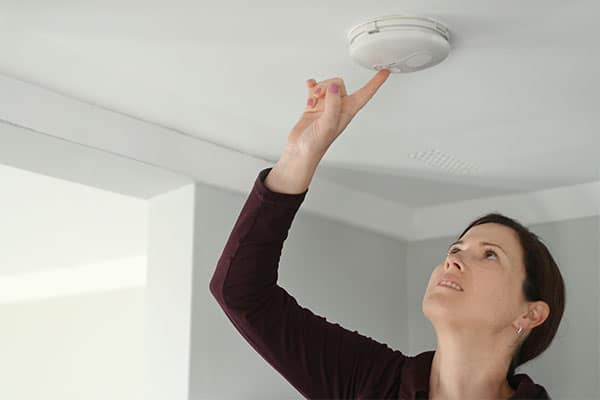
Press the test button on your smoke and carbon monoxide detector before you start cooking. If it doesn't respond or if the alarm sounds weak, replace the battery or the unit itself. A detector that was installed five years ago might be working on borrowed time.
CO is sneaky. You can’t see it, and you definitely can’t smell it. When you start feeling symptoms, things are already bad. That’s why you really need a working combo detector—it could be what keeps a family dinner from turning into a disaster.
3. Make Sure You Have a Working Kitchen Fire Extinguisher
About your fire extinguisher: take a look at the pressure gauge. The needle should point to the green. If it’s in the red, that means it’s either over-pressurized or losing charge, and you can’t count on it working right.
Next, check that the pin is there and the tamper seal isn’t broken. If either is missing, someone might’ve used it already.
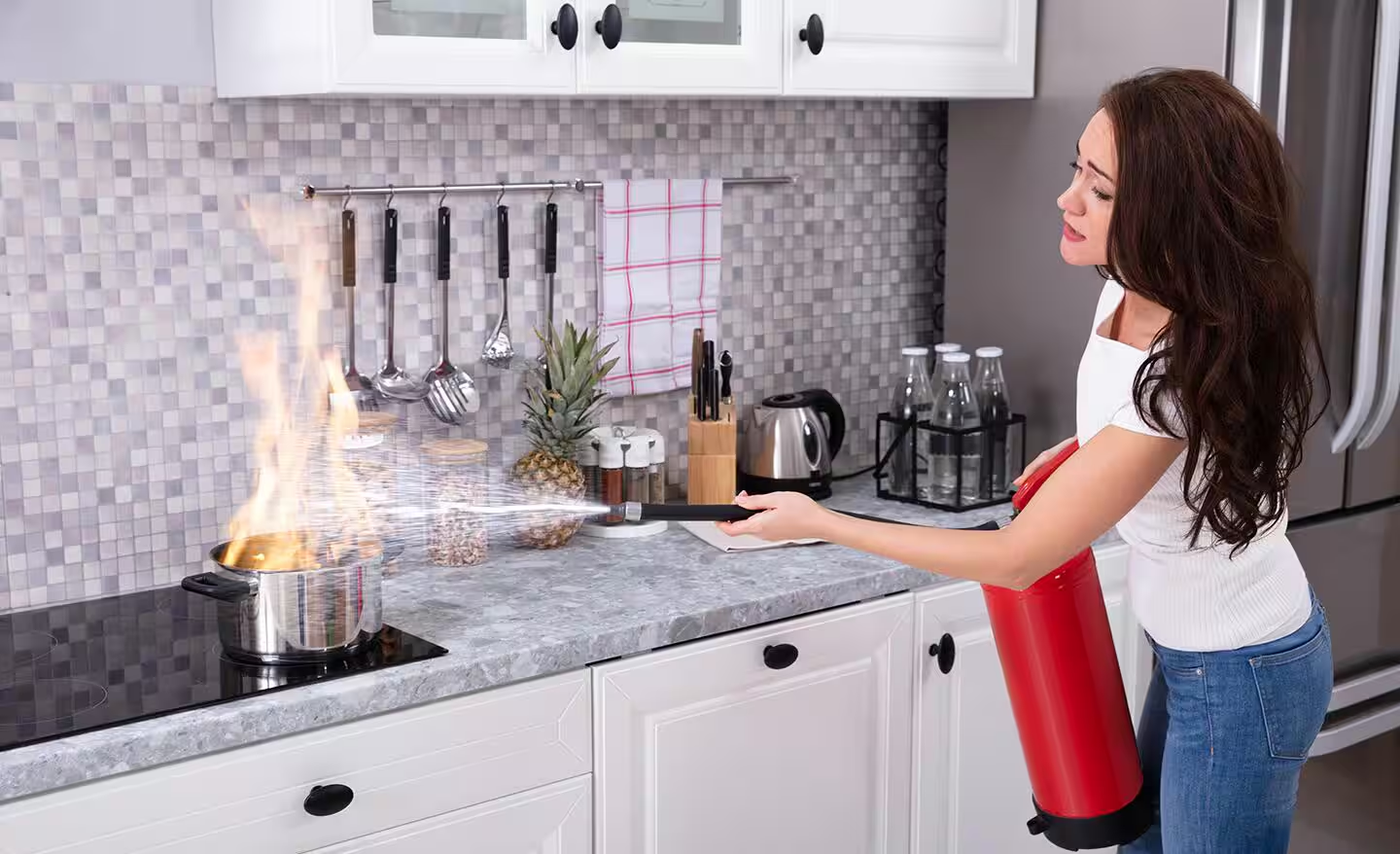
And while you’re at it, look for an expiration date—these things usually last 5 to 12 years, but you need to check them every year just in case.
Don’t hide it behind a pile of stuff under the sink. Mount it where you can reach it fast. If you have to dig for it, that’s precious time lost. You want to be able to grab it in three seconds, not thirty.
4. Inspect Your Gas Lines and Burners
If you cook with gas, take two minutes to check the burners before you load up pots and pans. Look for clogged ports, which are those small holes around the burner ring. A clogged port means uneven flames, incomplete combustion, and in some cases, CO buildup.
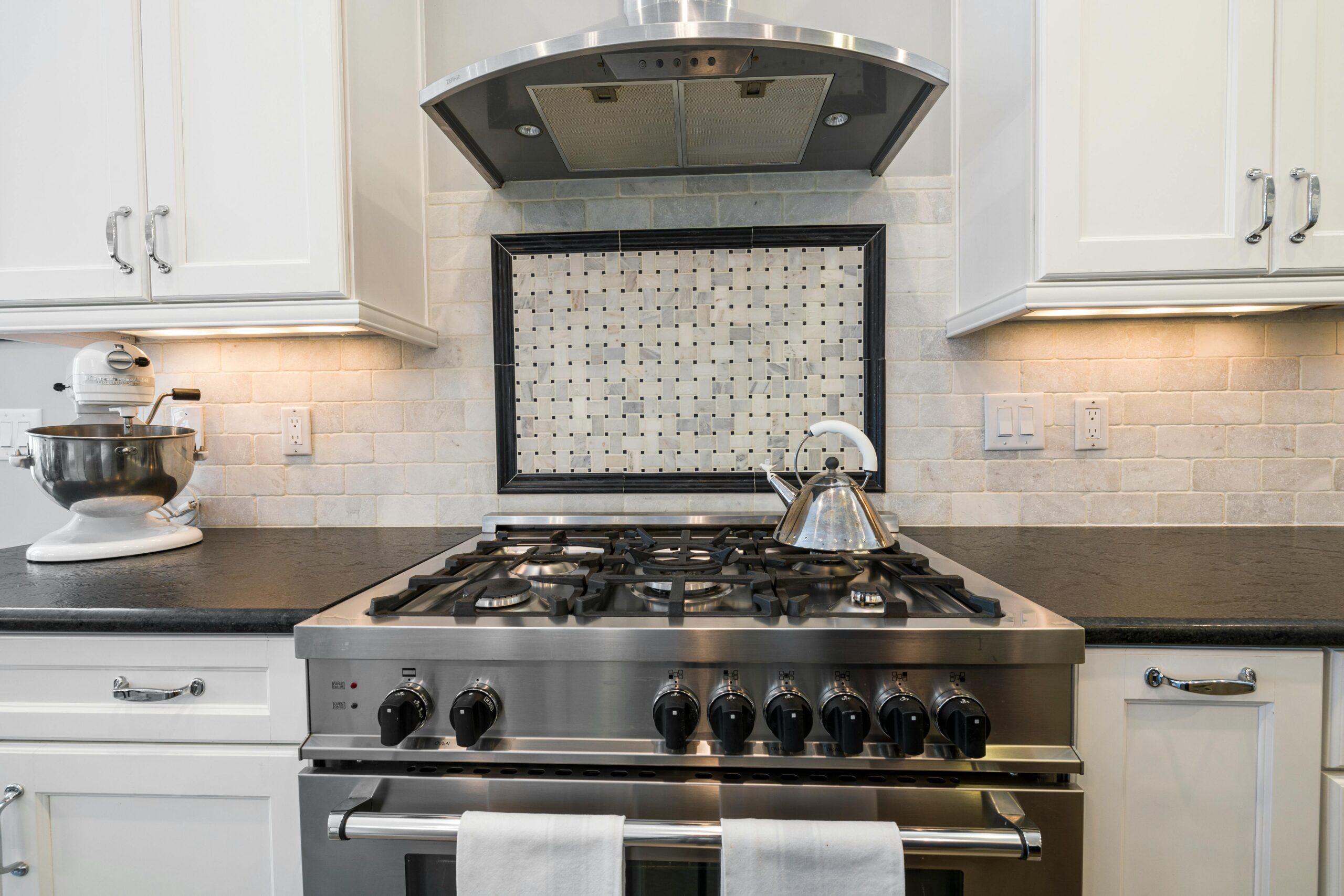
Light each burner and watch the flame. It should be blue with a small amount of yellow at the tips. Mostly yellow or orange flames mean the gas and air mixture is off. That's worth a call to your gas company before you spend six hours cooking with it.
Also, check the flexible gas line behind the stove if you can see it. Any cracks, kinks, or rust-colored stains near connections are red flags.
5. Thaw Your Meat Completely and Safely
A partially frozen bird going into the oven isn't just a cooking problem; it's a food safety problem. The outer layer reaches cooking temperature while the inside is still cold, which creates the perfect environment for bacteria to survive.
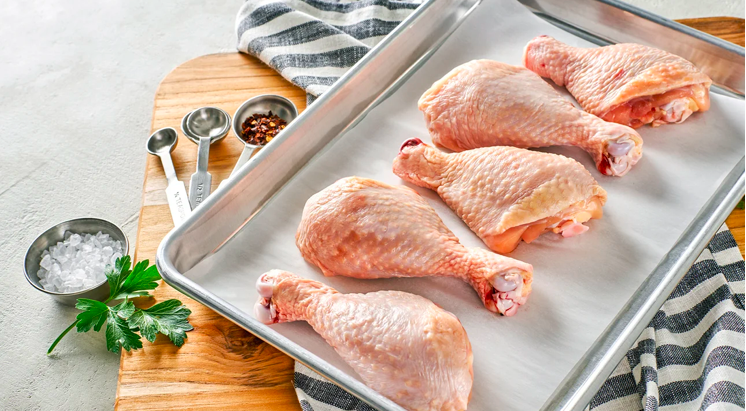
The USDA recommends thawing turkey in the refrigerator, allowing 24 hours for every four to five pounds. A 16-pound turkey needs four days in the fridge. If you're reading this the morning of the meal and the bird is still hard, the cold-water method is faster. Submerge it in cold water, changing the water every 30 minutes. Never thaw meat on the counter at room temperature.
6. Upgrade to a Smart Alarm If Your Current Setup Is Outdated
If your smoke alarm is more than seven years old, or you're running single-purpose detectors that don't talk to each other, your holiday is the right time to think about changing that.
The X-Sense XP0A-MR wifi smoke and carbon monoxide detector is one of the strongest options on the market right now for a holiday household. It uses voice alerts to tell you not just that something triggered, but where in the house the alert is coming from. So if the kitchen sets it off while you're in the basement getting drinks, you'll know exactly what's happening without running through every room.

It also connects to an app over 2.4 GHz Wi-Fi, which means you can see real-time alerts on your phone even if you step outside for a moment. The wireless interconnect feature links it to other X-Sense devices around your home, so if one goes off, they all go off simultaneously. For a house full of guests across multiple floors, that kind of coordination is hard to beat.
The CR123A battery is replaceable, and the photoelectric smoke sensor, combined with an electrochemical CO sensor, covers both threat types without needing two separate devices on the ceiling.
7. Check Ventilation Before You Start
Steam, smoke, grease particles, and gas combustion byproducts all need somewhere to go. If your kitchen ventilation isn't working well, you're concentrating all of it right where people are gathered.
Turn on your range hood before you start cooking and leave it running throughout the meal. If you don't have one, open a window near the stove even if it's cold outside. Cross-ventilation helps.
Also, check that your range hood filter isn't completely blocked with grease. A clogged filter doesn't just reduce airflow; it's a grease fire waiting to happen. If you haven't cleaned it in six months or more, wipe it down with a degreaser before the cooking starts.
Good fire protection isn't just about alarms going off when something bad happens. It's about reducing the chance that something bad happens in the first place. Ventilation is one of the most overlooked parts of that.
Final Word
Nobody cooks a holiday meal hoping to deal with a fire, a carbon monoxide scare, or a food safety incident. But those things happen precisely because people are distracted, kitchens are pushed harder than usual, and basic checks get skipped.
Run through this list before your guests arrive. It takes less than thirty minutes total, and most of it is just looking at things you already own. The meal will still be the centerpiece of the day. But at least you'll know the house is ready for it.