
Edible flowers can transform a simple plate of food into something people photograph, talk about, and remember long after dessert. Picture this: a chef at a Michelin-starred restaurant in New York carefully sets a single bright-orange nasturtium petal on a risotto, and suddenly the dish shifts from good to unforgettable.
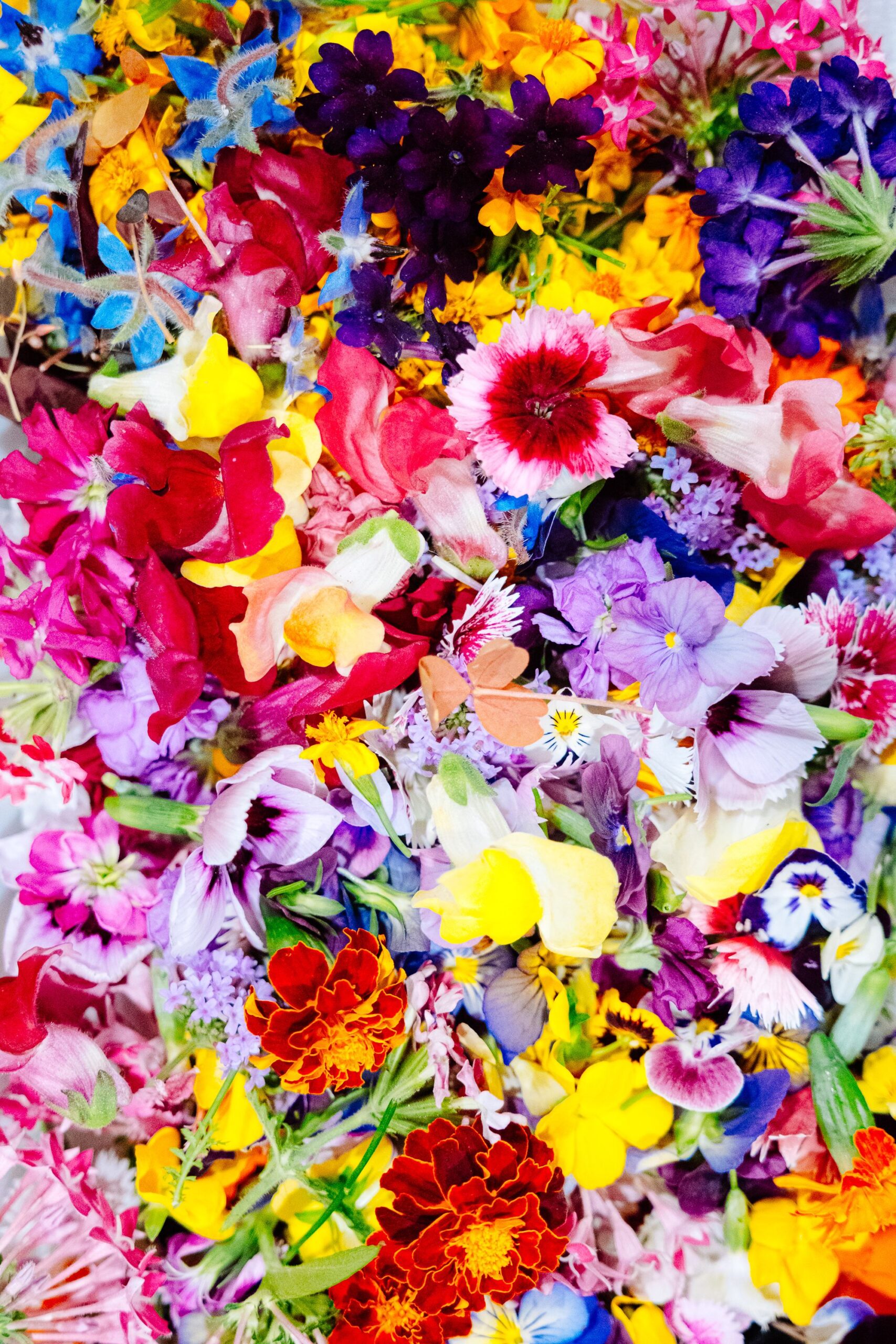
Flower delivery to India with reliable service from MyGlobalFlowers straight to your door — so you can enjoy fresh, beautiful blooms wherever you are, whether for culinary experiments or any special occasion. That moment — where flavor meets visual storytelling — is exactly what we're exploring today.
Here's what you'll walk away with: five unusual edible flowers you can actually cook with, practical tips for using edible flowers for cooking and decoration, and real culinary flowers fine dining recipes you can pull off in your own kitchen tonight. No restaurant experience required. Just curiosity and a willingness to let your plates bloom.
Why edible flowers belong in your kitchen (not just in your vase)
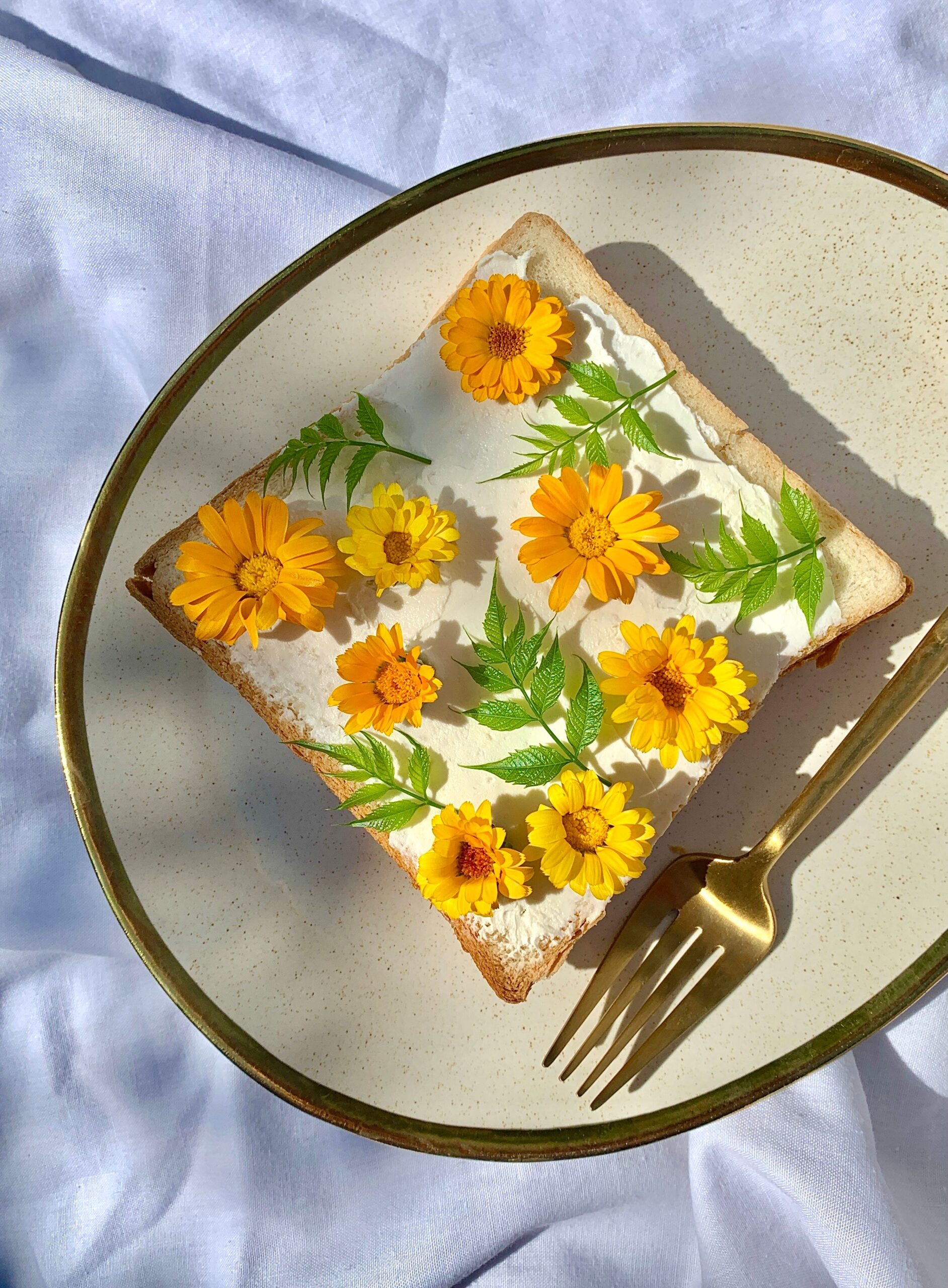
Edible flowers aren't a modern Instagram gimmick. Ancient Romans scattered violets into wine and desserts. Chinese cooks have featured chrysanthemums in soups and teas for centuries. Victorian England turned candied rose petals into an art form, pressing delicate blooms into sugar for cakes that graced royal tables. Flowers and food have always been intertwined — we just forgot for a while.
The farm-to-table movement brought flowers back. Chefs like Dan Barber at Blue Hill and Alice Waters at Chez Panisse started treating petals as flavor agents, not mere decoration. Instagram-era plating accelerated the trend, and now you'll spot edible blooms on everything from craft cocktails to avocado toast at your local brunch spot.
Here's the thing: you don't need a restaurant kitchen to work with unusual ingredients to elevate your dish. You need the right flowers, the right techniques, and maybe a small herb garden on your windowsill. Let's get into the five blooms that deserve a spot in your pantry.
5 unusual edible flowers that elevate any dish
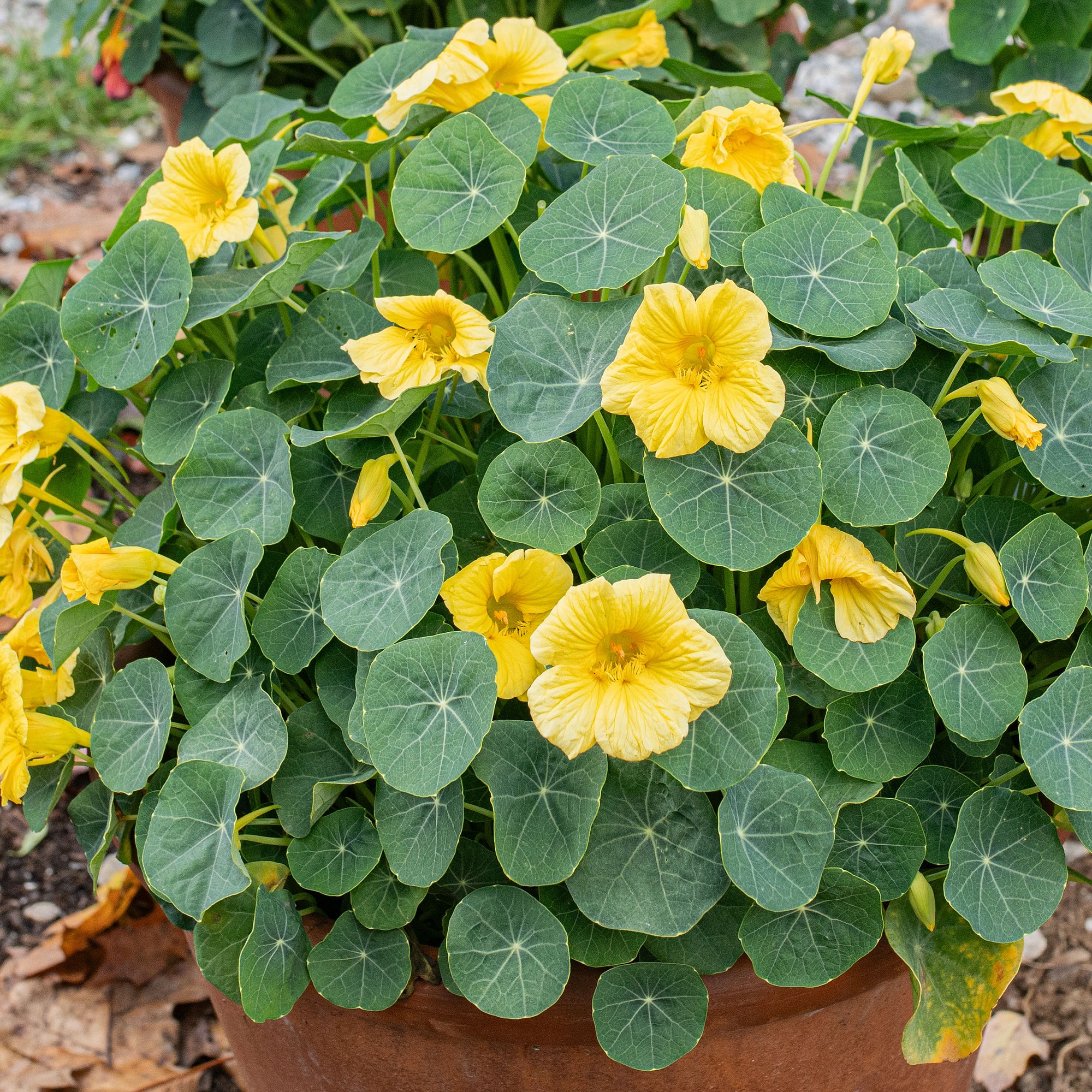
1. Nasturtium — the peppery scene-stealer
Nasturtium flowers arrive in a burst of sunset colors — fiery orange, deep red, golden yellow — and each round, lily-pad-like leaf carries a bold, peppery punch similar to watercress. Honestly, this one surprised me the first time I tasted a petal straight off the plant. The heat is real, and it lingers.
Best culinary uses:
- Toss whole blooms into green salads for a peppery bite.
- Blend petals into a vivid nasturtium pesto with toasted pine nuts, garlic, Parmesan, and olive oil.
- Stuff large blossoms with whipped goat cheese and a drizzle of honey.
- Press single petals onto savory compound butter for grilled steak.
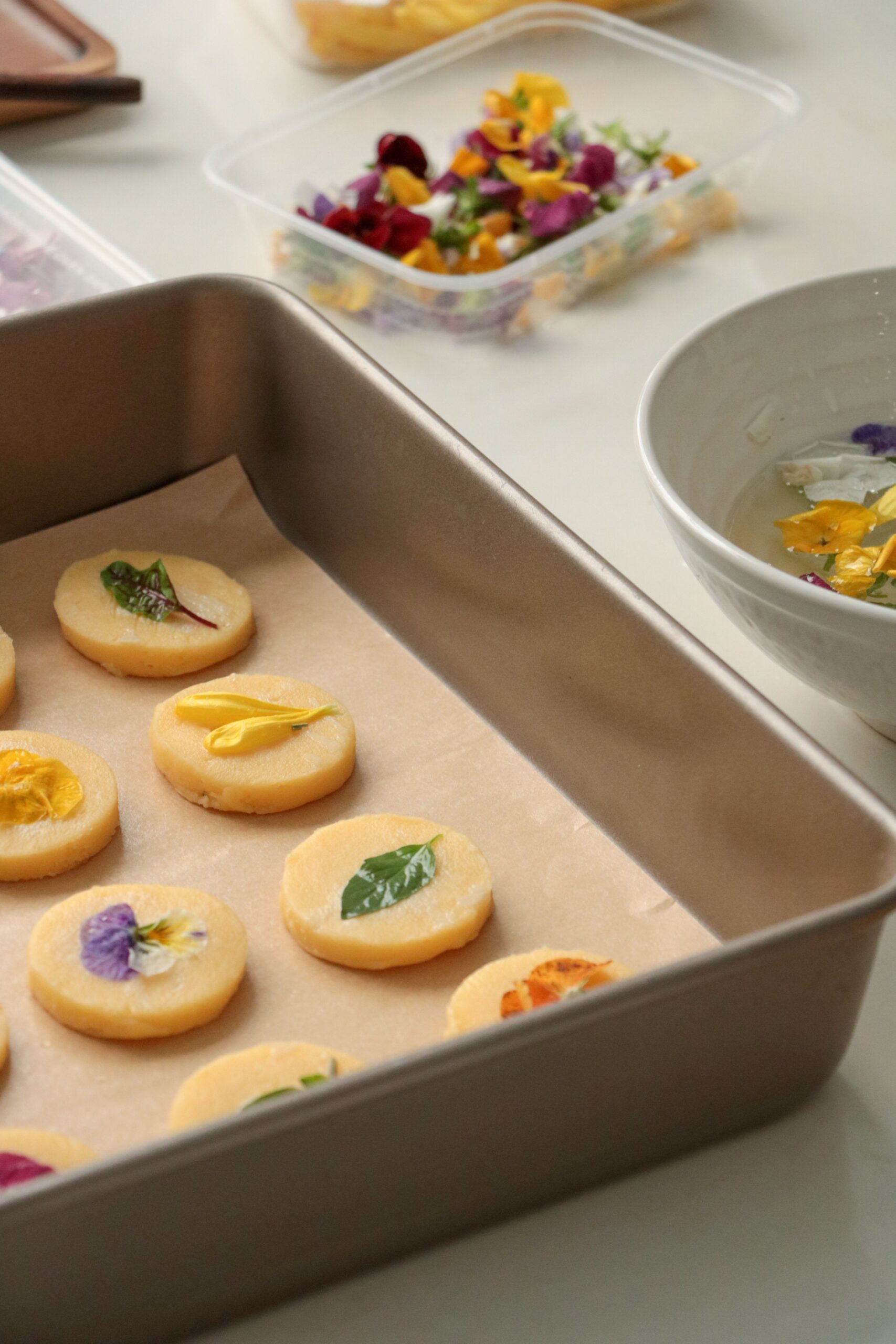
Recipe idea: Nasturtium pesto — blend two cups of nasturtium leaves and flowers with ⅓ cup of toasted pine nuts, two cloves of garlic, ½ cup of grated Parmesan, and ½ cup of extra-virgin olive oil. Season with salt and a squeeze of lemon. Spoon the pesto over grilled bread or toss with warm pasta.
Season: Late spring through first frost in most US zones — roughly May through October. Nasturtiums thrive in full sun and don't mind poor soil, making them one of the easiest edible flowers for a beginner garden.
2. Hibiscus — the tart showstopper
Hibiscus flowers deliver a cranberry-like tartness layered with deep floral undertones. The dried petals brew into a ruby-red liquid that tastes as dramatic as it looks. Fresh hibiscus blooms — large, trumpet-shaped, intensely colored — make a stunning plate centerpiece.
Best culinary uses:
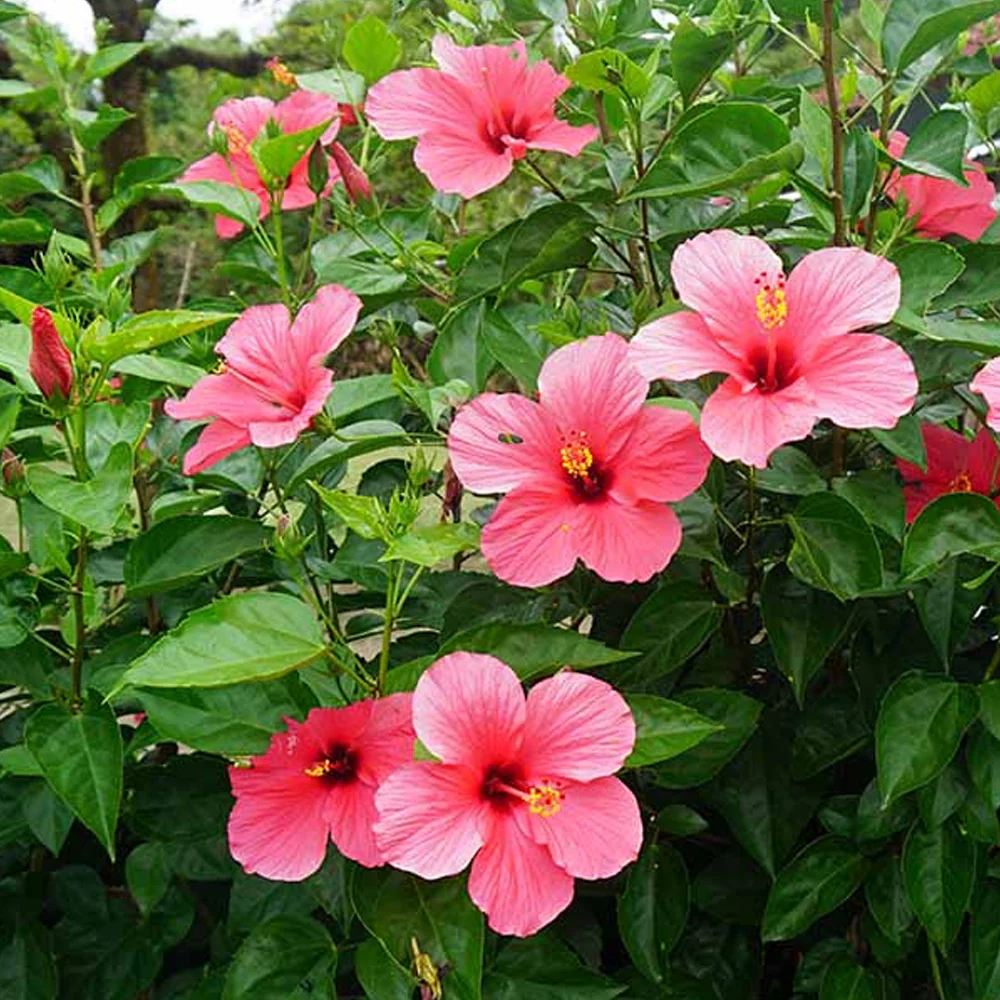
- Simmer dried petals into syrups for cocktails and mocktails.
- Glaze seared proteins — duck breast, pork tenderloin — with hibiscus syrup and balsamic.
- Steep petals in cold water with lime for classic agua fresca.
Recipe idea: Hibiscus reduction over seared duck breast — a culinary flowers fine dining recipe you can absolutely pull off at home. Simmer one cup of dried hibiscus petals with two cups of water, ¼ cup of raw sugar, and a cinnamon stick for 15 minutes. Strain, then reduce the liquid by half until it coats the back of a spoon. Score the duck breast skin, sear skin-side down in a cast-iron skillet at medium heat for 8 minutes, flip, and cook 4 more minutes. Slice, drizzle the reduction on top, and finish with a fresh hibiscus petal.
Season: Dried hibiscus is available year-round at Latin grocery stores and online spice shops. Fresh blooms peak in late summer across the southern US — Florida, Texas, and Southern California grow them best.
3. Borage — the cucumber whisper
Borage produces small, star-shaped blue flowers that taste exactly like cool cucumber with a honeyed finish. I always find it fascinating that most top-ranking food articles cover lavender and violets but skip borage entirely. That's a missed opportunity, because professional bartenders and pastry chefs treat borage as a secret weapon.
Best culinary uses:
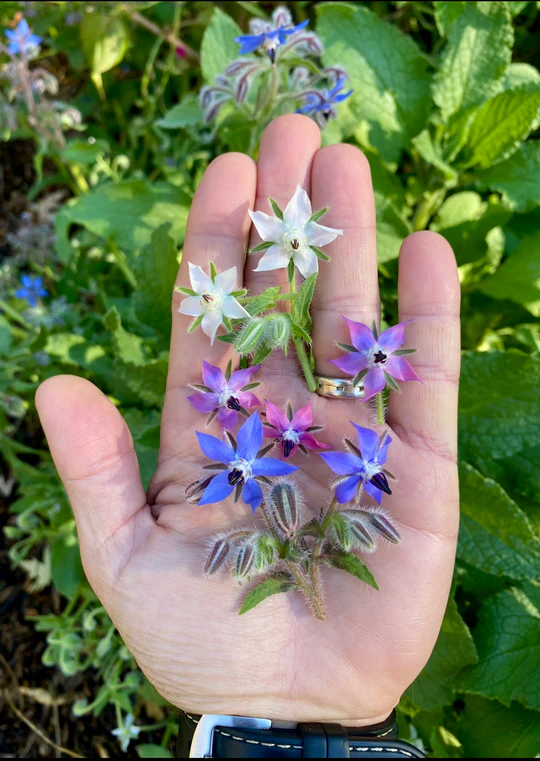
- Freeze individual blossoms into ice cubes for gin and tonics or sparkling water.
- Toss flowers into summer salads alongside heirloom tomatoes and fresh mozzarella.
- Stir petals into yogurt sauces for grilled lamb or roasted vegetables.
- Float blooms on chilled soups — gazpacho, cucumber bisque — for instant elegance.
Recipe idea: Borage blossom lemonade — combine the juice of six lemons, four cups of cold water, three tablespoons of raw honey, and a handful of fresh borage flowers. Stir until the honey dissolves. Serve over ice with a few floating blue blossoms in each glass.
Why home cooks overlook borage: Most grocery stores simply don't carry borage flowers. The petals are fragile and wilt within hours of picking. Growing your own solves the problem instantly — borage self-seeds aggressively and blooms from June through September in most US climates. Plant borage once, and you'll have blue stars in your garden for years.
Season: June through September. Borage loves full sun, handles heat well, and attracts pollinators — a triple win for any US garden.
4. Squash blossom — the stuffable star
Squash blossoms — golden, trumpet-shaped, delicate — blur the line between vegetable and flower. Most food articles treat squash blossoms as a vegetable side dish, but fine dining menus across New York, LA, and Chicago feature stuffed squash blossoms as a proper floral appetizer. The flavor is mild, faintly sweet, and unmistakably squash-like.
Best culinary uses:
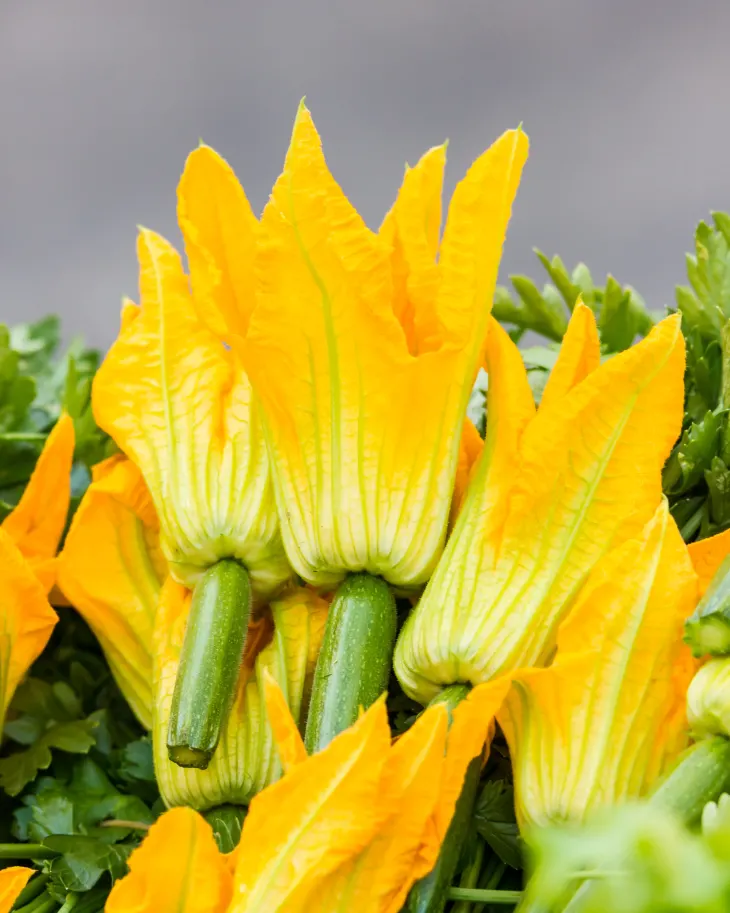
- Stuff blossoms with ricotta, lemon zest, and chili flakes, then lightly pan-fry in olive oil.
- Fold whole blooms into quesadillas with Oaxacan cheese and epazote.
- Lay petals over omelets or frittatas during the final minute of cooking.
- Batter and deep-fry blossoms Italian-style — a fiori di zucca preparation that never disappoints.
Recipe idea: Ricotta-stuffed squash blossoms — mix one cup of fresh ricotta with the zest of one lemon, ½ teaspoon of red chili flakes, and a pinch of sea salt. Gently open each blossom, spoon in about one tablespoon of filling, and twist the petal tips to close. Pan-fry in two tablespoons of olive oil over medium heat for 2–3 minutes per side until golden. Serve immediately on a warm plate with a squeeze of lemon.
Season: Peak summer — June through August at US farmers' markets. Arrive early on market day, because squash blossoms sell out fast.
5. Calendula (pot marigold) — the saffron stand-in
Calendula petals bring a slightly peppery, tangy, earthy flavor to the table — and a gorgeous golden-orange color that earned the flower its nickname: "poor man's saffron." My favorite trick is drying calendula petals and grinding them into a powder that tints rice, broths, and baked goods with a warm, saffron-like hue at a fraction of the cost.
Best culinary uses:
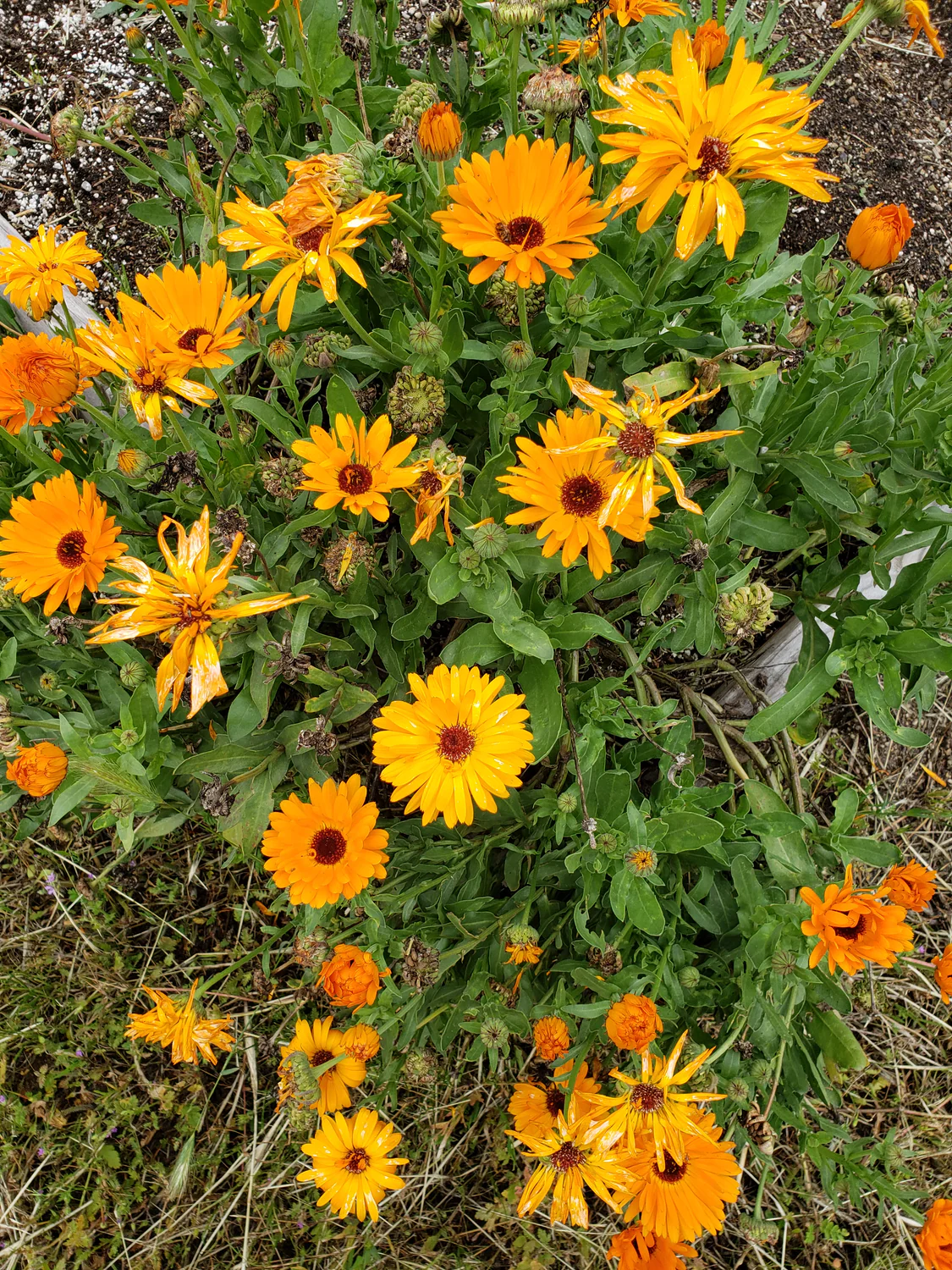
- Steep fresh petals into risotto broth for rich golden color.
- Fold dried petals into compound butter for corn on the cob or fresh bread.
- Sprinkle petals over focaccia dough before baking for a stunning, rustic finish.
- Brew petals into a mild tea blended with chamomile and raw honey.
Recipe idea: Calendula-infused risotto — sauté one diced shallot in two tablespoons of butter, add 1½ cups of Arborio rice, and toast for two minutes. Pour in ½ cup of dry white wine and stir until absorbed. Ladle in warm chicken broth — about four cups total, infused with a handful of fresh calendula petals — one cup at a time, stirring continuously. Finish with ½ cup of grated Parmesan, a tablespoon of butter, and fresh thyme leaves. Top with a few whole calendula petals.
Season: Spring through fall. Calendula tolerates light frost, making it one of the longest-blooming edible flowers in US gardens. In mild climates like the Pacific Northwest or Northern California, calendula can bloom nearly year-round.
How to use edible flowers for cooking and decoration
Edible flowers for cooking and decoration require a little care, but the learning curve is gentle. Start with sourcing: visit your local farmers' market and ask vendors specifically for food-safe blooms. Specialty grocers like Whole Foods and local co-ops often stock small clamshells of edible flowers near the herbs. Growing your own remains the cheapest, most reliable option.
Practical steps for preparation:
- Rinse petals gently under cool running water.
- Pat dry with a soft towel — never wring or squeeze.
- Remove stamens and pistils from larger blooms like squash blossoms and hibiscus.
- Store prepared petals between damp paper towels in an airtight container.
Decoration techniques that work every time:
- Candy petals by brushing with beaten egg white, dusting with superfine sugar, and drying on a wire rack for 12–24 hours.
- Freeze individual blooms in ice cube trays filled with distilled water for crystal-clear cocktail cubes.
- Scatter petal confetti over frosted cakes and tarts for effortless elegance.
- Float whole blooms — like borage or violas — in punch bowls and lemonade pitchers.
Fine dining plating tips: Less is more. Place flowers in odd numbers — one, three, or five per plate. Always add the flower last, right before serving, so petals stay vibrant and upright. Use tweezers for precision. A single calendula petal on a white bowl of risotto says more than a dozen scattered randomly.
Safety first — common mistakes and how to avoid them
Edible flowers demand respect. Beautiful doesn't mean safe, and a wrong choice can turn your dinner party into a trip to urgent care. Avoid these five mistakes:
- Eating flowers from a florist bouquet or garden center. Commercial growers treat ornamental flowers with pesticides, fungicides, and preservatives. Never eat a flower unless the grower specifically labels it food-safe.
- Assuming all flowers are edible. Lily of the valley, foxglove, oleander, and daffodil are toxic — some lethally so. Verify every bloom against a reliable edible flower guide before tasting.
- Overusing flowers and overpowering the dish. Treat edible blooms like a spice, not a salad green. Start with one or two petals per serving and adjust.
- Skipping the allergy check. People with ragweed allergies may react to chamomile and calendula. Ask your guests about plant allergies before serving flower-garnished dishes.
- Cooking delicate petals at high heat. High temperatures destroy both color and flavor. Add petals at the very end of cooking or use them raw as a finishing touch.
Edible flowers for every occasion — a US seasonal guide
Spring (March–May): Violets and pansies shine during Easter brunches and Mother's Day desserts. Press candied viola petals into the frosting of a lemon layer cake for a Mother's Day centerpiece that doubles as dessert. Nasturtiums begin blooming in late May — scatter petals over a Memorial Day potato salad for color and spice.
Summer (June–August): Squash blossoms and borage own this season. Stuff squash blossoms with herbed ricotta for a Fourth of July appetizer that beats the usual chips-and-dip routine. Float borage flowers in a pitcher of sparkling rosé at your next garden party.
Fall (September–November): Calendula and nasturtiums extend into cool weather beautifully. Fold calendula petals into a butternut squash risotto for Thanksgiving — the golden color echoes the autumn table, and the tangy flavor complements roasted turkey.
Winter (December–February): Dried hibiscus and lavender carry the floral flag through the cold months. Steep dried hibiscus into a warm spiced punch for holiday gatherings. Press dried lavender buds into dark chocolate truffles for Valentine's Day — rich, fragrant, and genuinely impressive.
Caring for edible flowers after harvest (or purchase)
Fresh edible flowers are fragile. Treat petals like delicate herbs, not sturdy vegetables. Follow these storage guidelines to keep blooms fresh and flavorful:
- Lay blooms in a single layer between damp paper towels inside an airtight container.
- Store the container in the refrigerator at roughly 35–40 °F.
- Use flowers within 2–3 days for peak color, texture, and flavor.
- Bring flowers indoors immediately after purchasing — heat above 85 °F wilts delicate petals within minutes, especially in hot US climates like the Southwest and Southeast.
- Rinse gently under cool water just before using. Pat dry with a soft towel. Never soak blooms — soaking turns petals mushy and flavorless.
A fine dining recipe you can make tonight — nasturtium and goat cheese crostini with calendula oil
This recipe brings together two of our five unusual ingredients to elevate your dish into something worthy of a culinary flowers fine dining recipe spread. The whole process takes about 25 minutes.
Ingredients:
- 1 French baguette, sliced into ½-inch rounds (about 16 slices)
- 4 oz soft goat cheese, at room temperature
- 1 tablespoon raw honey
- Zest of 1 lemon
- 16 fresh nasturtium flowers
- ¼ cup extra-virgin olive oil
- 2 tablespoons dried calendula petals (or fresh)
- Flaky sea salt
- Freshly cracked black pepper
Steps:
- Preheat your oven to 375 °F.
- Arrange baguette slices on a baking sheet in a single layer.
- Brush each slice lightly with olive oil.
- Toast the slices for 8–10 minutes until golden and crisp. Remove from the oven and cool for 5 minutes.
- Warm the remaining olive oil in a small saucepan over low heat. Add the calendula petals and steep for 5 minutes. Remove from heat and strain into a small bowl. Reserve the golden calendula oil.
- Mix the goat cheese with the honey and lemon zest in a bowl until smooth.
- Spread a generous tablespoon of the goat cheese mixture onto each crostini.
- Place one nasturtium flower on top of each crostini — press gently so the bloom stays put.
- Drizzle calendula oil over the plated crostini.
- Finish with a pinch of flaky sea salt and cracked black pepper.
Plating tip: Arrange crostini on a slate board or white platter in a staggered line. The contrast between the golden calendula oil, the bright orange nasturtiums, and the white goat cheese creates the kind of visual impact you see in culinary flowers fine dining recipes — except you made this in your own kitchen.
Estimated time: 10 minutes prep + 15 minutes cook = 25 minutes total.
Start with one flower
Edible flowers don't require a culinary degree or a specialty kitchen. Start with one bloom. Just one. Toss a few nasturtium petals into your next weeknight salad and watch the shift — in color, in flavor, in the way your family pauses mid-bite and asks, "What is that?"
That pause is the whole point. Food should surprise. Food should make you curious. And five unusual edible flowers — nasturtium, hibiscus, borage, squash blossom, calendula — give you an entire toolkit for turning ordinary meals into something worth talking about.
So, which of these five blooms will you try first? Explore more floral inspiration — both on the table and in the vase — at the MyGlobalFlowers blog.
Frequently asked questions
Are all flowers safe to eat?
No. Many common garden flowers — foxglove, oleander, lily of the valley, and daffodil — are toxic and potentially lethal. Only eat flowers you have positively identified as edible and sourced from pesticide-free growers. When in doubt, leave the bloom on the plant.
Where can I buy edible flowers in the US?
Farmers' markets remain the best source — vendors can confirm growing practices directly. Whole Foods, specialty grocers, and local co-ops often stock small packages of food-safe edible flowers near the fresh herb section. Growing your own in a home garden or patio container gives you the freshest, most affordable supply.
Can I use flowers from a regular bouquet for cooking?
Never. Bouquet flowers from florists and supermarket floral departments are treated with pesticides, fungicides, dyes, and preservatives designed to extend vase life — not for human consumption. Always source flowers labeled specifically as food-grade or edible.
How do I store edible flowers to keep them fresh?
Place blooms in a single layer between damp paper towels inside an airtight container. Store the container in the refrigerator at 35–40 °F. Use flowers within 2–3 days for the best color, texture, and flavor.
What edible flowers work best for fine dining presentation?
Nasturtiums, borage blossoms, and calendula petals rank among the top choices for fine dining plating. Nasturtiums offer vibrant color and bold shape. Borage provides delicate blue stars that photograph beautifully. Calendula petals add a warm golden accent. Place flowers last, use odd numbers, and let a single bloom do the talking.