

Travel should be exciting.
But without the right habits, even the most anticipated trip can become stressful. Missed flights, overspending, poor planning, and unnecessary complications can quickly take the fun out of any journey.
The good news is that experienced travelers often rely on simple habits that help them save time, reduce expenses, and avoid common travel headaches.
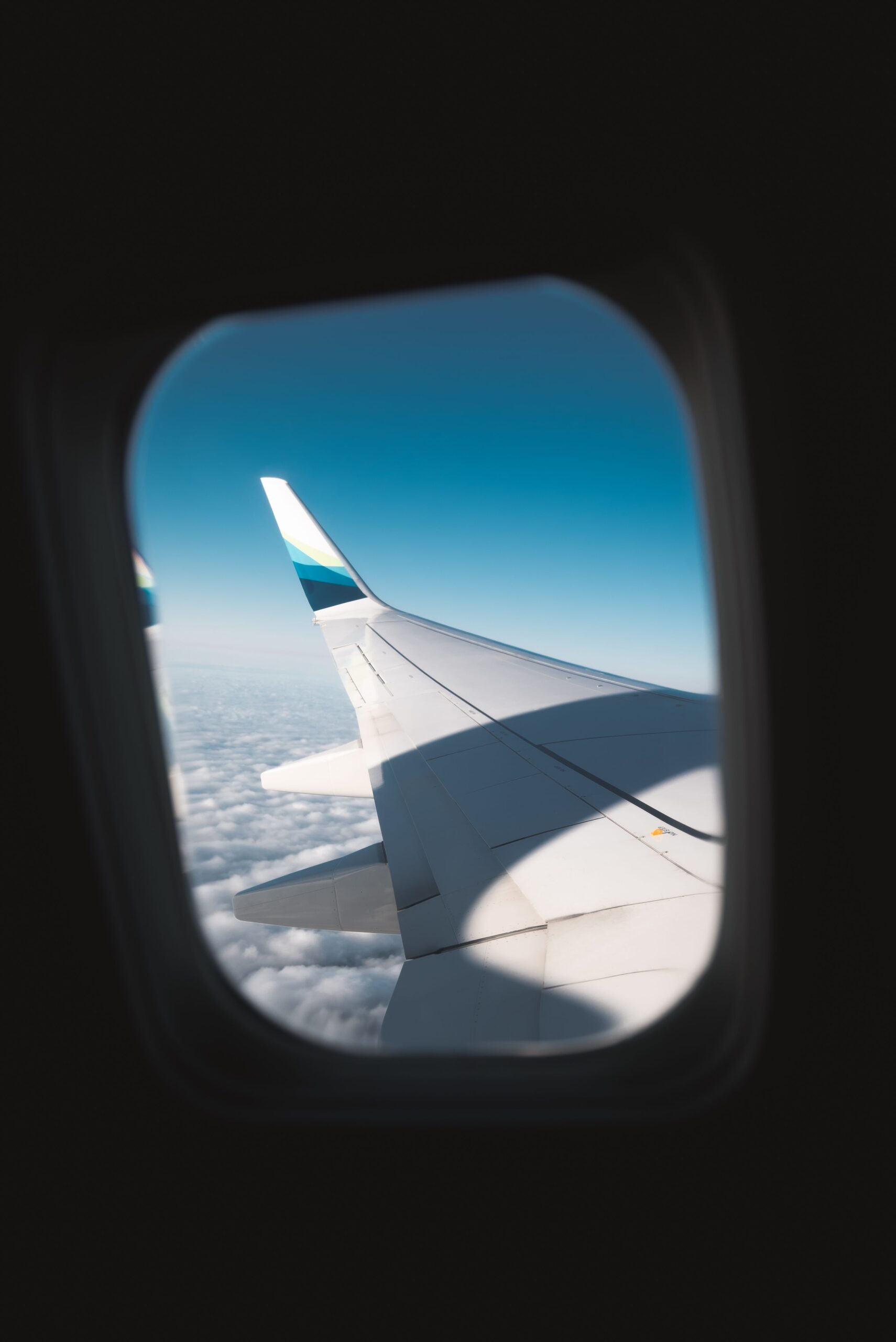
Whether you're planning a weekend getaway or an international adventure, these habits can make every trip smoother and more enjoyable.
Plan Earlier Than You Think You Need To
One of the easiest ways to save both time and money is to start planning early.
Flights, hotels, and transportation options are often cheaper when booked in advance. Early planning also gives you more choices and allows you to compare prices instead of rushing into decisions.
Last-minute bookings may work occasionally, but they often come with higher costs and fewer options.
A little preparation goes a long way.
Travel Light
Many travelers bring far more than they need.
Heavy luggage slows you down, creates extra fees, and makes moving between destinations more difficult.

Focus on versatile clothing that can be mixed and matched. Pack only what you'll realistically use and leave room for any items you may purchase during your trip.
The lighter you travel, the easier your journey usually becomes.
Keep Digital Copies of Important Documents
Technology has made travel organization much easier.
Save digital copies of:
- Passports
- Travel insurance documents
- Flight confirmations
- Hotel bookings
- Emergency contacts
Having backup copies stored securely can save valuable time and stress if something is lost or misplaced during your travels.
Use a Flexible Itinerary

Many travelers try to schedule every minute of their trip.
The result?
Exhaustion.
A flexible itinerary allows room for unexpected discoveries, weather changes, and spontaneous experiences. Some of the best travel memories happen when you leave space for adventure.
Plan the essentials.
Leave room for surprises.
Monitor Your Spending Daily
Travel expenses can add up quickly.
A coffee here.
A taxi there.
A few souvenirs.
Before long, your budget may be stretched further than expected.
Checking your spending daily helps you stay aware of where your money is going and allows you to make adjustments before small expenses become larger problems.
Exchange Currency Before You Travel
One mistake many travelers make is waiting until they arrive at the airport or destination to exchange money.
This often results in less favorable exchange rates and unnecessary stress.
Preparing your travel money before departure can save both time and money. Travelers heading overseas often research local currencies in advance and use trusted providers to arrange foreign currency before their trip.
For example, travelers visiting Denmark may want to continue reading a currency guide before departure to better understand local payment methods, exchange options, and travel spending considerations.
Being prepared financially can make your first day abroad much smoother.
Use Technology Wisely
Travel apps can simplify almost every aspect of a journey.
Maps help with navigation.
Airline apps provide real-time updates.
Translation tools assist with communication.
Expense trackers help manage budgets.
Technology can't eliminate every travel problem, but it can make many situations easier to handle.
Arrive Earlier Than Necessary
Rushing creates stress.
Whether it's an airport, train station, or bus terminal, arriving a little earlier provides a valuable buffer against unexpected delays.
Security lines, traffic, and last-minute changes are much easier to manage when you're not racing against the clock.
A few extra minutes can save a lot of frustration.
Focus on Experiences, Not Just Attractions
Many travelers try to check off as many landmarks as possible.
While famous attractions are worth seeing, some of the best travel experiences come from slowing down and enjoying local culture.
Visit neighborhood cafés.
Explore local markets.
Talk to residents.
Take a walk without a strict destination.
Meaningful experiences often create stronger memories than packed schedules.
Stay Adaptable
No trip is perfect.
Flights get delayed.
Weather changes.
Plans shift.
The travelers who enjoy their journeys most are usually the ones who remain flexible when things don't go exactly as expected.
Adaptability turns potential frustrations into opportunities.
Final Thoughts
The best travel habits are often the simplest ones.
Plan ahead, travel light, monitor your spending, prepare your travel money early, and leave room for flexibility. These small habits can help you save time, reduce costs, and avoid unnecessary stress throughout your journey.
Because great travel isn't about having a perfect itinerary.
It's about making the journey as enjoyable as the destination.