
Filipino cuisine is ranked the 25th-best cuisine in the world by TasteAtlas, but I still think it rarely gets the attention it deserves. Thankfully, it’s become more popular on social media over the last few years.
Filipino cuisine is bold, comforting, and, honestly, surprisingly versatile. From homey, sour soups to unmatched savory chicken dishes to simple, sweet desserts, there’s something for almost every mood.
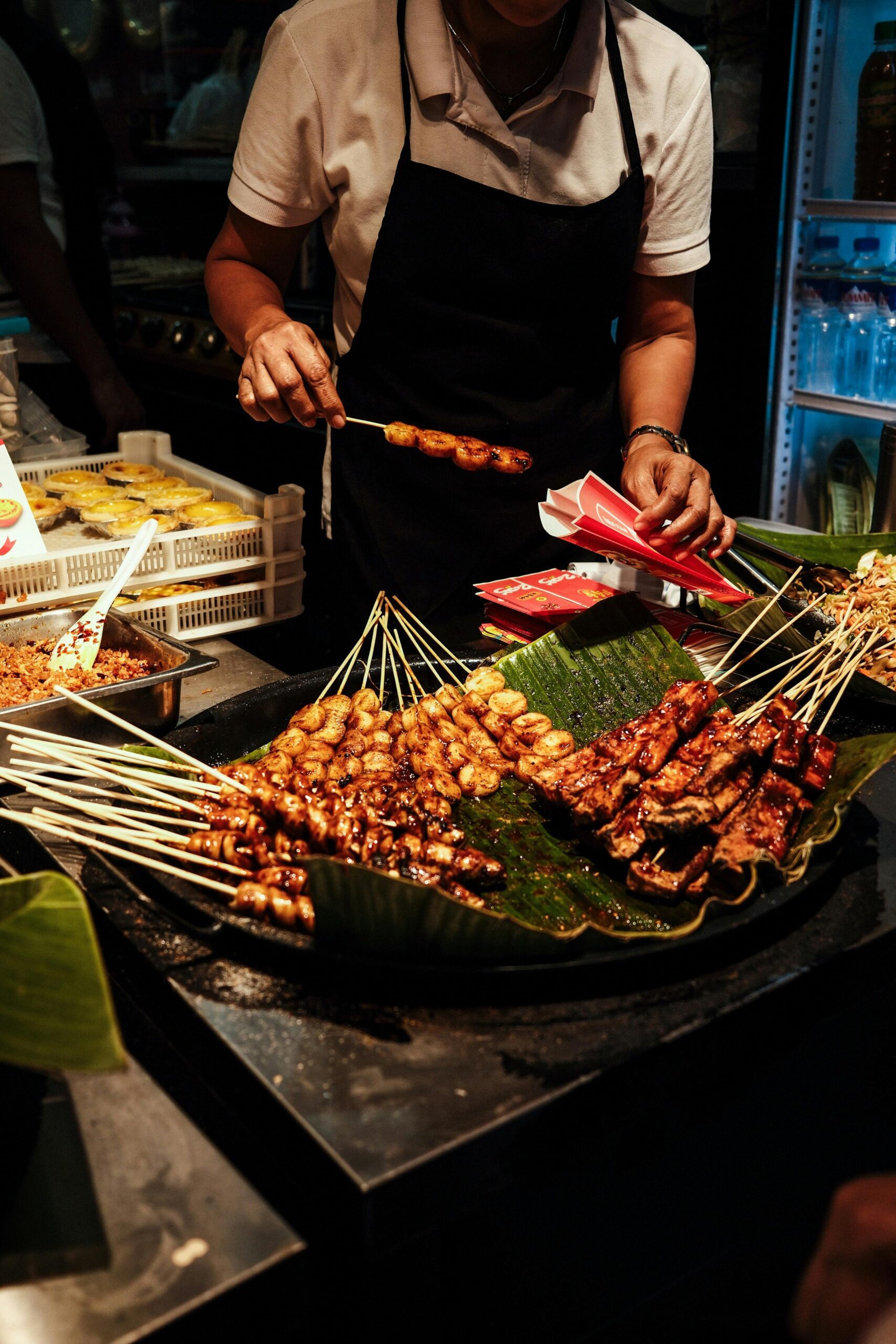
The best part? A lot of Filipino dishes are incredibly easy to make. But some dishes offer a genuinely fun, fulfilling challenge, too!
If you’re looking for the next inspiration for your home cooking, here’s why Filipino food is a great option.
Filipino Cuisine Shaped by History
Perhaps the most striking thing about Filipino cuisine is that it doesn’t neatly fit into a single category.
It’s a mixture of so many different cultures, reflecting its history: indigenous cooking meets influences from Spanish colonization and American rule alike, as well as centuries of Chinese trade.
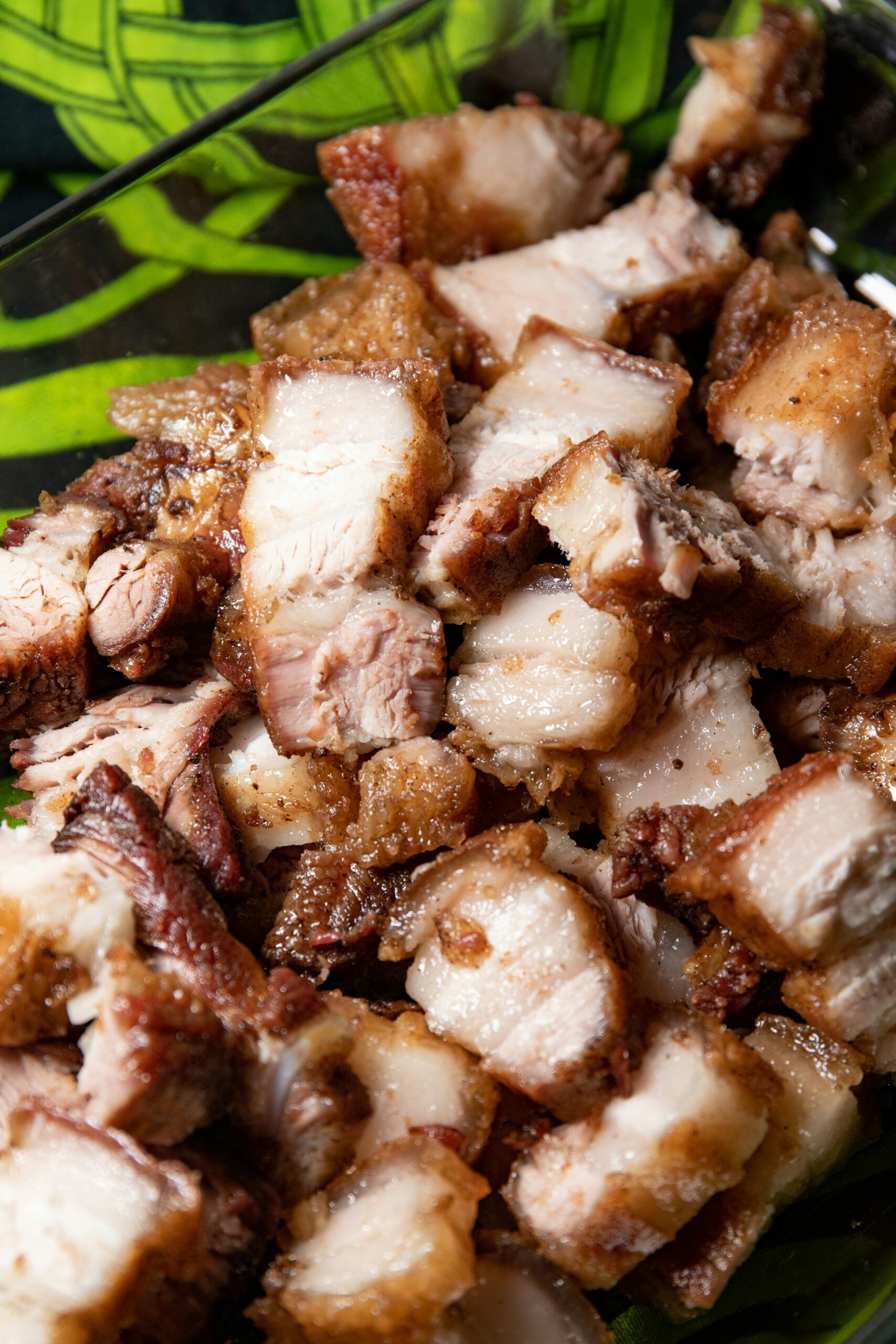
The Spanish introduced tomatoes and sofrito-style sautéing. The Chinese added soy sauce and stir-frying techniques. The Americans showed a love for canned and fried foods.
It’s what makes Filipino cooking incredibly layered—and tastes both familiar and surprising at the same time.
The Dishes Worth Starting With
So if you’re planning to dabble in Filipino cooking, here are the recipes I suggest starting with.
Adobo
Some would say adobo is the unofficial national dish of the Philippines, and it tastes so good for how easy it is to make. It’s essentially protein—usually chicken or pork—braised in soy sauce, vinegar, garlic, and pepper. A lot of people use bay leaves, too.
The vinegar acts as a natural preservative, which is why adobo tastes even better the next day. The technique is simple, and you probably already have the ingredients among your pantry staples.
Sinigang
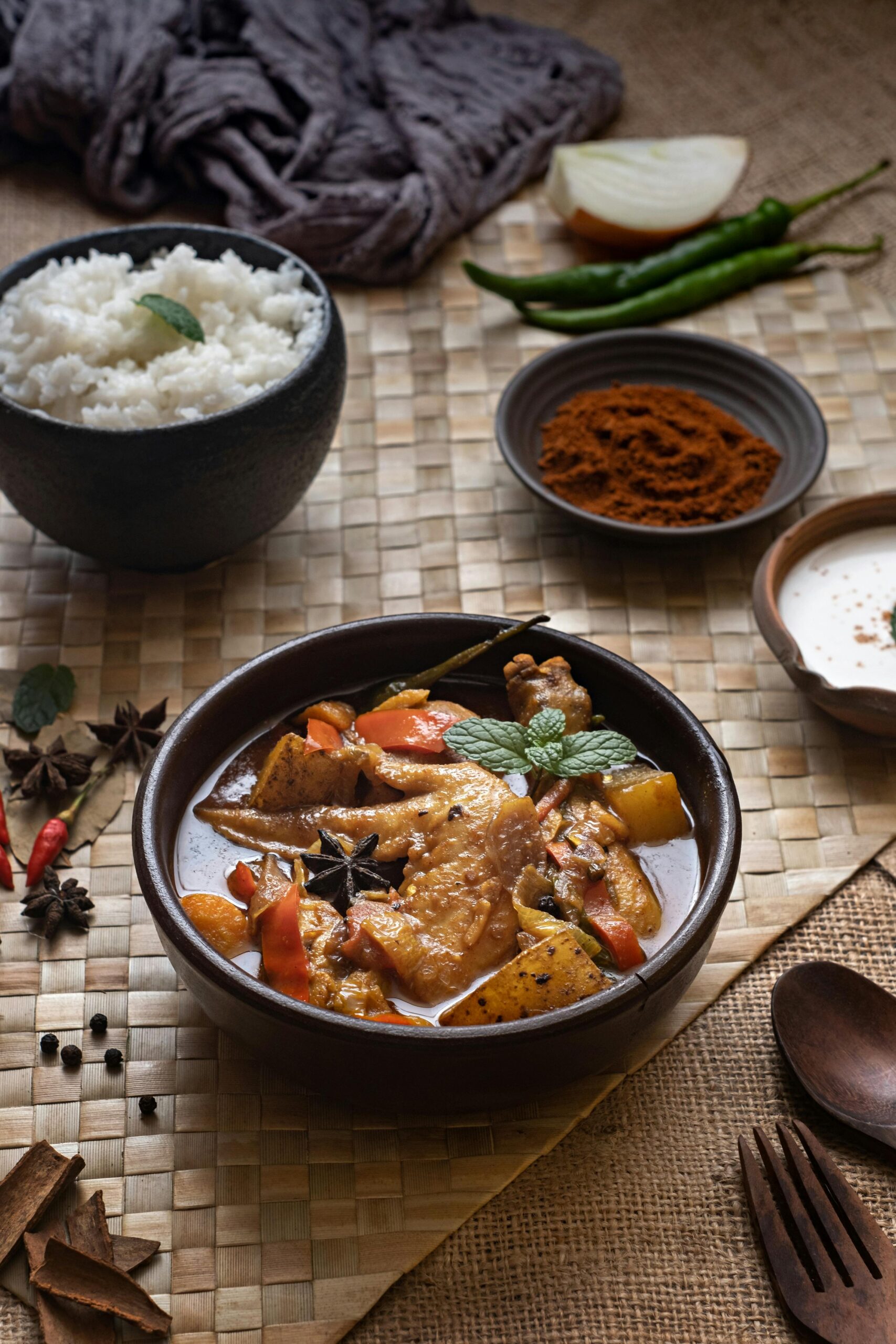
Sinigang is a tamarind-based sour soup paired with protein source (usually pork, fish, or shrimp) and vegetables (usually tomatoes, eggplants, okra, string beans, and kangkong or water spinach). You can adjust the ingredients and the sourness to your liking.
It’s unlike anything else I know of in any other cuisine, and if you’re just starting to cook, it’s a great way to learn how to balance flavors intuitively.
Lumpiang Shanghai
Lumpia is the Filipino version of the spring roll. They're small rolls filled with seasoned ground pork, as well as minced garlic, onions, and carrots, and fried to a crisp. The process of making them does take some time, but it can be fun if you have someone to help you roll them.
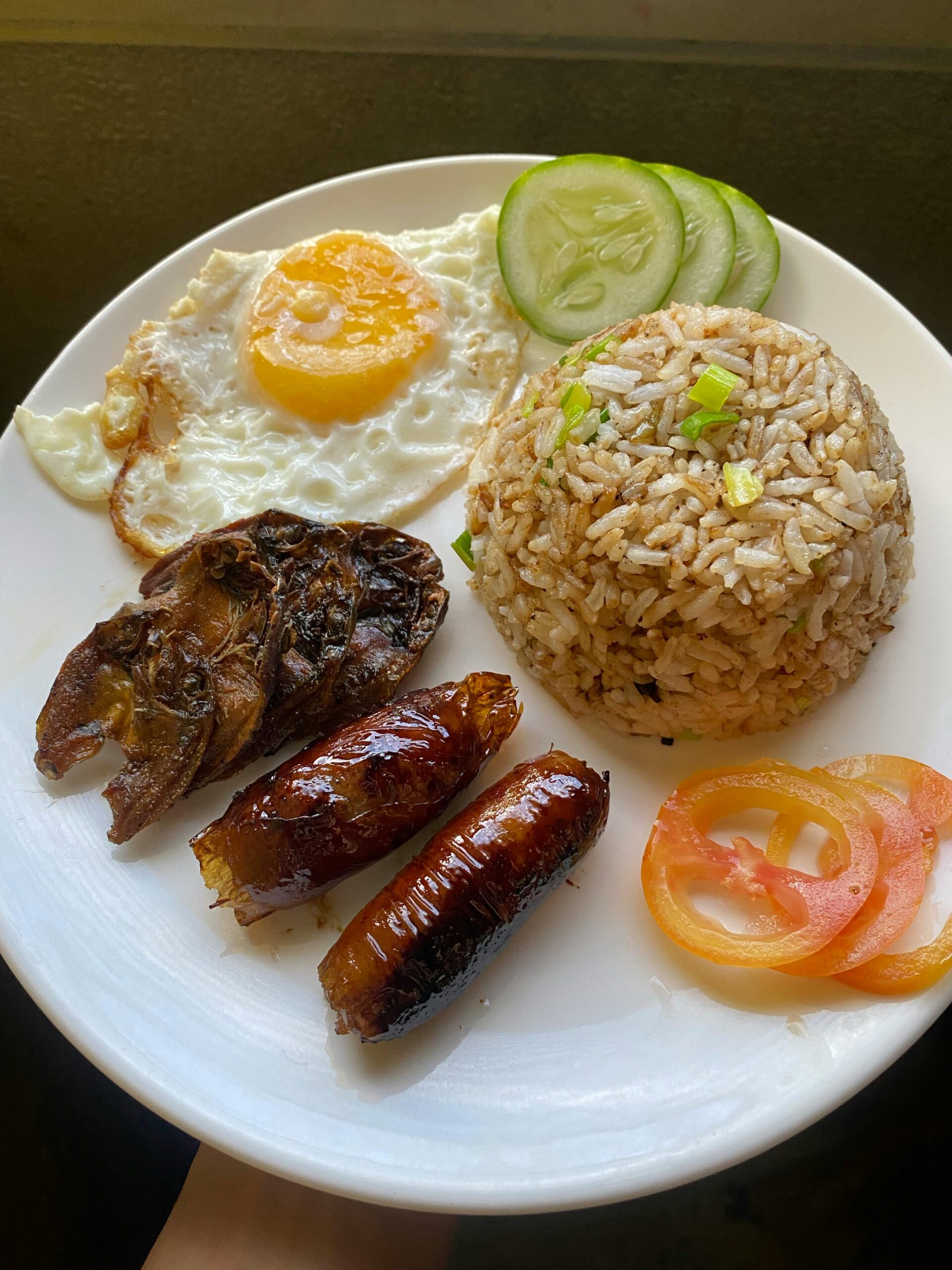
You'll need lumpia wrappers, which you can find at most Asian grocery stores, but everything else is likely already in your kitchen.
Make a big batch. Trust me, there will be no leftovers! There’s a reason why so many Filipinos bring them to parties and potlucks.
Building a Filipino Pantry
If you want to cook Filipino food regularly, here are a few key ingredients you should look into getting.
Firstly, soy sauce and vinegar—which you likely already have. Still, it’s a good idea to have Filipino cane vinegar specifically. It has a milder, sweeter flavor compared to Western white vinegar. Perfect for adobo or making dipping sauces for lumpia.
Fish sauce (patis) is also used in many Filipino dishes and adds that deep umami flavor that’s difficult to get with substitutes.
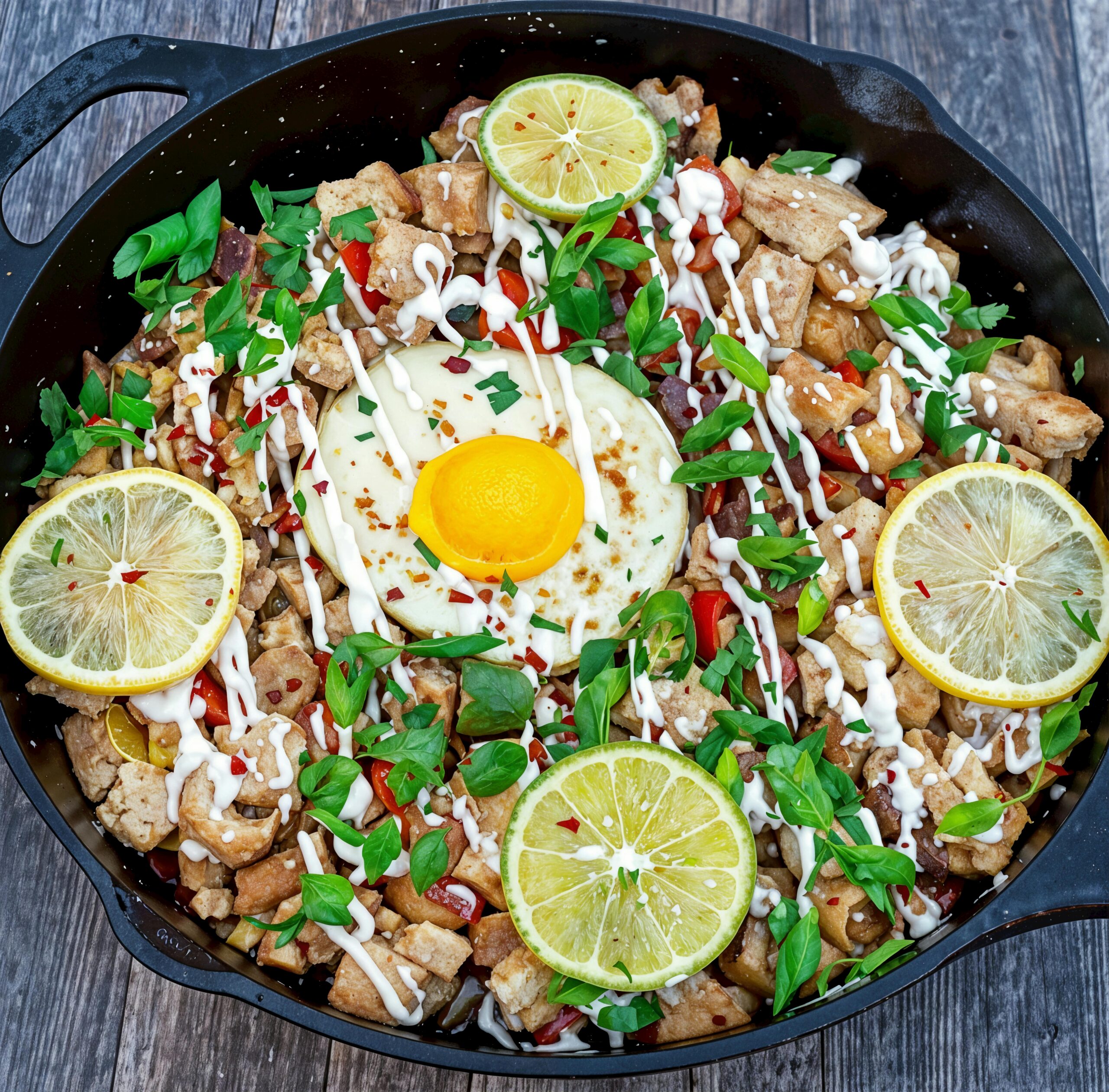
Calamansi, a small citrus fruit native to the Philippines, is like a slightly sweeter, more floral lime. It’s worth checking out if your nearby Asian market has some. Pro-tip: Add soy sauce, a squeeze of one calamansi, and some chili garlic oil, and you have a sauce that goes on virtually any grilled or fried protein.
Finding Authentic Recipes Online
Fortunately, there are a lot of resources for cooking Filipino food online, including those from Filipino bloggers and content creators.
However, I’ve only just learned that most of the popular Filipino food online is mainly dishes from Luzon (the Philippines’ biggest island, where the capital, Manila, is located). There are many other dishes from other regions in the Philippines, such as those from indigenous tribes.
Recipes for these might be harder to look up online. Try searching in Filipino (Tagalog) or Bisaya, browsing Philippine food forums, or using an iOS VPN to browse local Philippine pages that may be buried by the algorithm if you're outside the country.
Filipino Cooking Is Communal Cooking
Another thing I love about Filipino food is that it’s typically cooked with sharing in mind. Big pots of sinigang or adobo, large batches of lumpia: it reflects the communal nature of Filipino culture.
It inspires you to cook with intention, more care, more heart—not just for yourself, but for the people around your table.
And that's a lesson any home cook can take with them, regardless of what cuisine they're making.