

Learn how to make functional mushroom coffee at home with this complete recipe guide. Includes mushroom types, brewing tips, and health benefits.
Your morning coffee just got a serious upgrade. This functional mushroom coffee recipe combines the energy you need with brain-boosting mushrooms that smooth out the jitters and crashes--No more 3 PM slump.
This isn't just another wellness trend. Mushroom coffee sales have exploded, and once you try it, you'll understand why. The earthy mushrooms blend surprisingly well with coffee—think smooth, slightly chocolatey, and way easier on your stomach than regular coffee.
What Makes Coffee "Functional"
Functional coffee isn't just marketing speak. It's regular coffee with added ingredients meant to support health beyond caffeine. The most popular additions are medicinal mushrooms like lion's mane and chaga, adaptogens like ashwagandha, or vitamins like B12.
The goal is simple: get more from your daily ritual. Lion's mane for focus, chaga for immune support, reishi for stress relief—each mushroom brings something different to your cup.
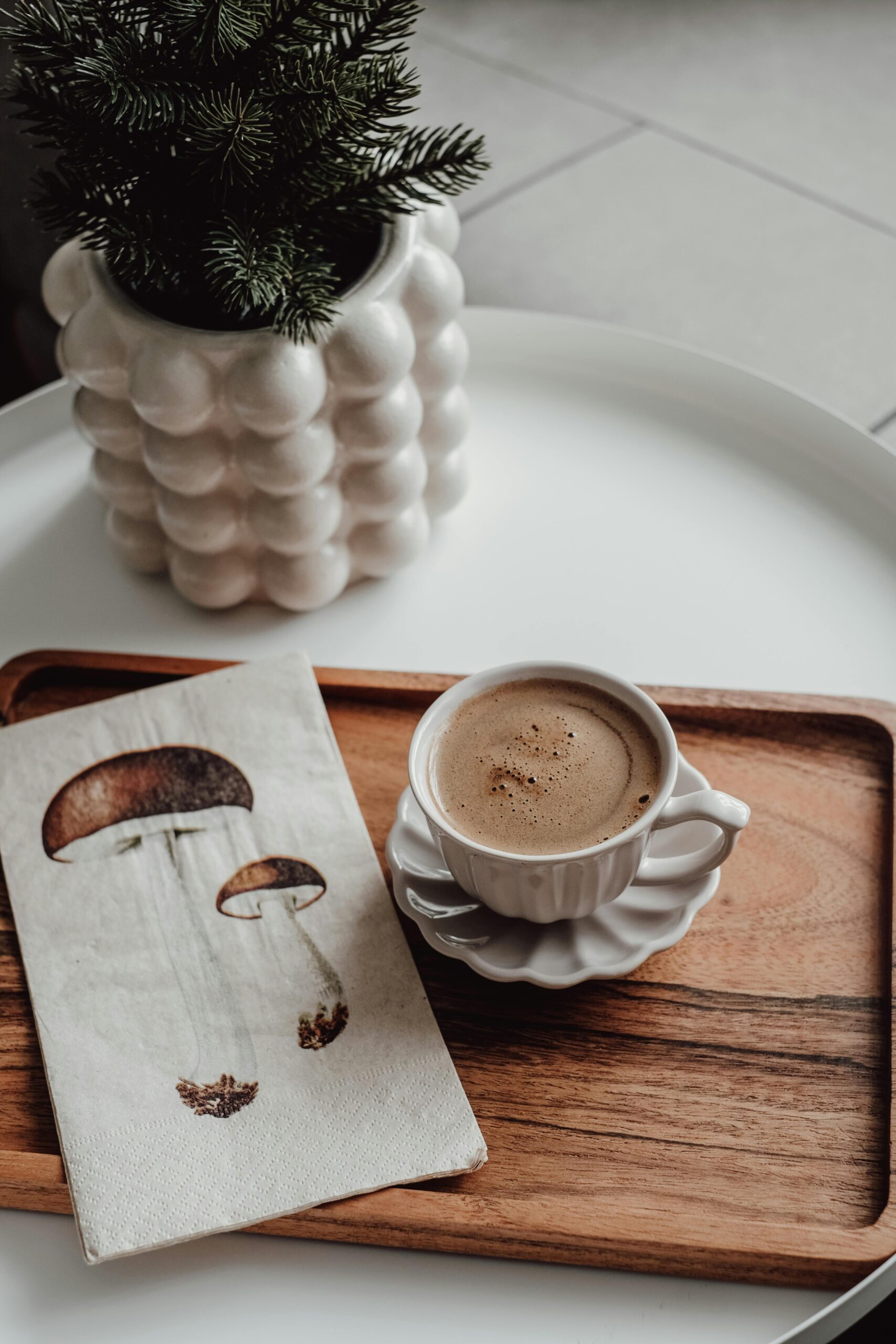
Why this works: The caffeine from coffee gives you energy, while the mushrooms provide sustained benefits without the crash. Together, they create a smoother, more balanced experience than coffee alone.
Ingredient Notes: Choosing Your Mushrooms
Not all mushroom powders are created equal. Here's what you need to know:
Lion's Mane (For Focus & Brain Health) The most popular choice for morning coffee. Studies suggest it might support cognitive function and nerve health. Use this when you need to concentrate—perfect for work mornings or study sessions.

Chaga (For Immunity) is packed with antioxidants and gentler than other mushrooms. Great if you're trying to cut back on caffeine but still want your morning ritual. The flavor is earthy but mild.
Cordyceps (For Energy & Performance) Athletes love cordyceps for sustained energy without jitters. Add this to pre-workout coffee or when you need physical stamina. It won't make you feel wired like extra caffeine does.
Reishi (For Stress & Sleep) This one's for evening or stress management. Reishi has calming properties, so it's best suited for decaf coffee or as an afternoon drink. Don't use this in your morning cup unless you want to feel relaxed instead of energized. For those exploring mushrooms specifically for relaxation benefits, resources like the best shroom strain for relaxation offer detailed comparisons of different varieties.
Turkey Tail (For Gut Health) is growing in popularity as people connect digestive health with overall wellness. Combines well with collagen for a gut-healing morning drink.
Quality Matters: Look for organic mushroom powders with third-party testing. Avoid products that don't list exact mushroom amounts or use vague "proprietary blends."
Format Variations:
Iced Mushroom Coffee: Brew strong, add mushroom powder while hot, let cool, pour over ice. Add oat milk for a creamy iced latte.

Mushroom Coffee Smoothie: Blend cooled coffee with mushroom powder, frozen banana, protein powder, and milk. Perfect post-workout drink.
Mushroom Mocha: Add 1 tablespoon cocoa powder and mushroom powder to your coffee. The chocolate masks any earthy flavor if you're still adjusting to the taste.
Golden Mushroom Latte: Mix mushroom powder with turmeric, ginger, black pepper, and milk. Heat and froth. Less caffeine, maximum anti-inflammatory benefits.
Expert Tips for the Best Results
Start small: If you're new to mushroom coffee, use ¼ teaspoon of mushroom powder for the first few days. Let your body adjust before increasing the amount.
Mix while hot: Mushroom powders dissolve much better in hot liquid. If making iced coffee, always add the powder to hot coffee first, then cool it down.
Use a frother: A cheap milk frother makes mixing mushroom powder effortless and creates a creamy texture. Game-changer if you hate gritty coffee.

Watch for clumping: Some mushroom powders clump easily. Sift the powder before adding, or blend your coffee for 10 seconds to eliminate any grittiness.
Time it right: Lion's mane and cordyceps are best in morning coffee. Reishi should be saved for evening or decaf drinks. Chaga works anytime.
Pair with food: Functional coffee works best when you're not drinking it on an empty stomach. Have it with breakfast or a small snack for better absorption and no stomach upset.
Storage & Make-Ahead Options
Mushroom Powder: Store in a cool, dark place in an airtight container. Quality powders stay fresh for 1-2 years, but check the expiration date.
Pre-Mixed Blends: You can mix your own custom blend—combine different mushroom powders in a jar and scoop out what you need each morning. Label it with ratios so you remember what works.
Instant Mushroom Coffee: If you want grab-and-go convenience, many brands sell instant mushroom coffee sticks. Not quite as good as fresh-brewed, but perfect for travel or busy mornings.
Ready-to-Drink: Some companies sell canned mushroom coffee. Expensive but convenient for office workers who don't have time to brew.
Batch Brewing: You can brew a large batch of regular coffee, add mushroom powder, and store it in the fridge for up to 3 days. Just reheat portions as needed.
Final Thoughts
Functional mushroom coffee can be part of a healthy routine, but it's not magic. No mushroom blend will fix poor sleep, a bad diet, or chronic stress. These products work best as additions to good habits, not replacements for them.
How to Make Mushroom Coffee

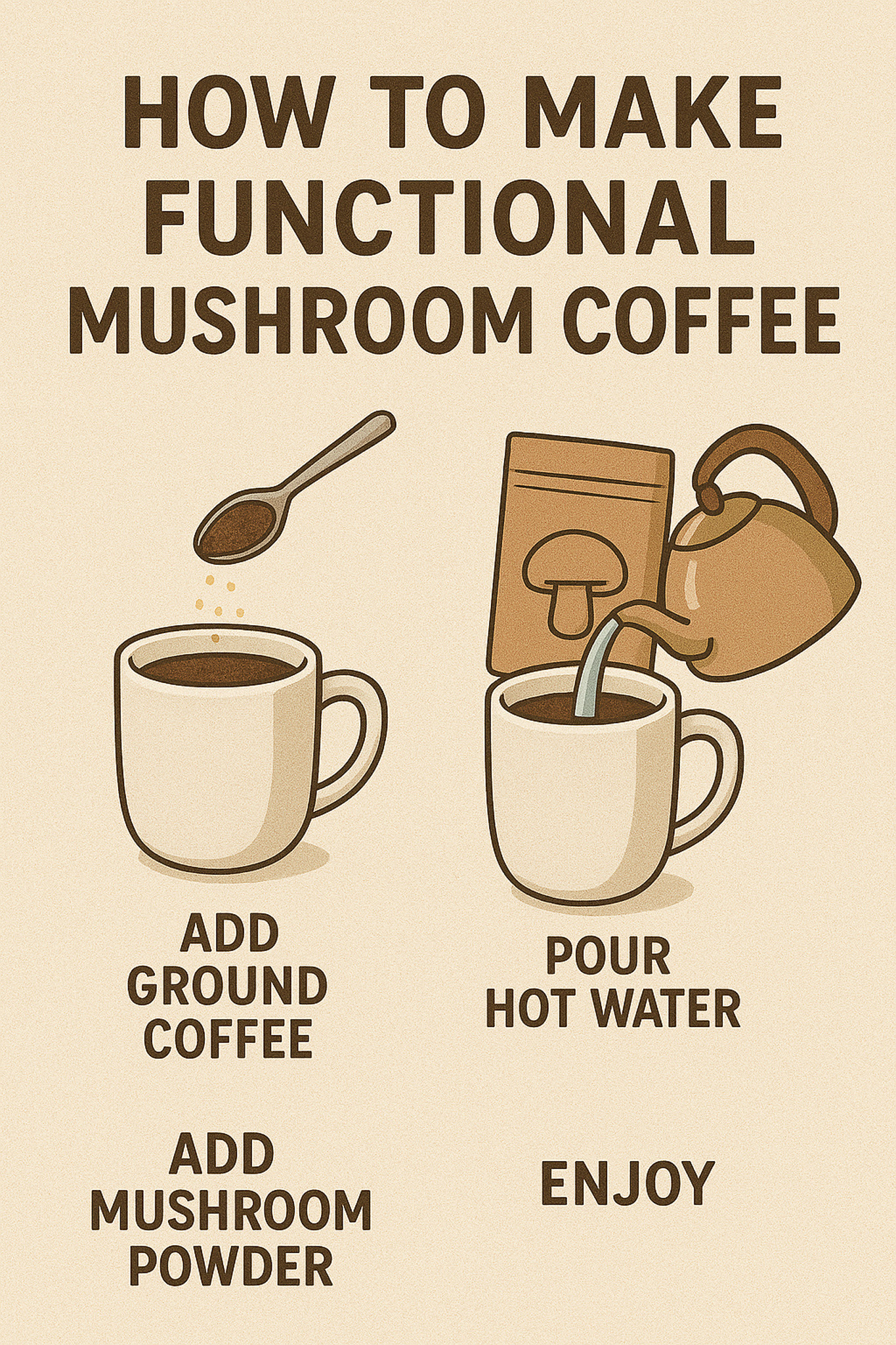
How to make functional mushroom coffee
Ingredients
- 8 oz hot water (or milk of choice)
- 1-2 teaspoon ground coffee or instant coffee
- ½-1 teaspoon mushroom powder blend (see notes below)
Optional Add-Ins:
- 1 teaspoon collagen powder (for beauty benefits)
- ¼ teaspoon cinnamon (natural sweetness)
- 1 teaspoon MCT oil or coconut oil (sustained energy)
- Sweetener to taste (honey, maple syrup, or stevia)
- Splash of vanilla extract
Instructions
Step 1: Choose Your Brewing Method.
Brew your coffee using your preferred method—French press, pour-over, drip machine, or instant. For the smoothest flavor, use high-quality specialty coffee as your base.
Step 2: Add Mushroom Powder.
While your coffee is still hot, add ½ to 1 teaspoon of mushroom powder. Start with less if you're new to mushroom coffee—you can always add more once you know how you like it.
Step 3: Mix Thoroughly.
Whisk or blend your coffee to fully dissolve the mushroom powder. A milk frother works great for this. Some mushroom powders can be a bit gritty if not mixed well.
Step 4: Customize Your Cup.
Add any optional ingredients based on your goals. Collagen for skin and gut health, MCT oil for sustained energy, and cinnamon for blood sugar balance. Make it yours.
Step 5: Taste and Adjust.
Take a sip. Too earthy? Add a bit of sweetener or vanilla. Too weak? Add more mushroom powder next time. The perfect ratio is personal.
Nutrition Information:
Yield:
1Serving Size:
1Amount Per Serving: Calories: 212Total Fat: 18gSaturated Fat: 15gTrans Fat: 0gUnsaturated Fat: 1gSodium: 17mgCarbohydrates: 3gFiber: 0gSugar: 2gProtein: 2g