
If you are looking for somewhere unique to visit, check out these must-visit attractions when you travel to Svalbard.
Imagine a place where polar bears outnumber people, where mountains rise dramatically from fjords that mirror the sky, and where the sun either never sets or never rises, depending on when you visit.
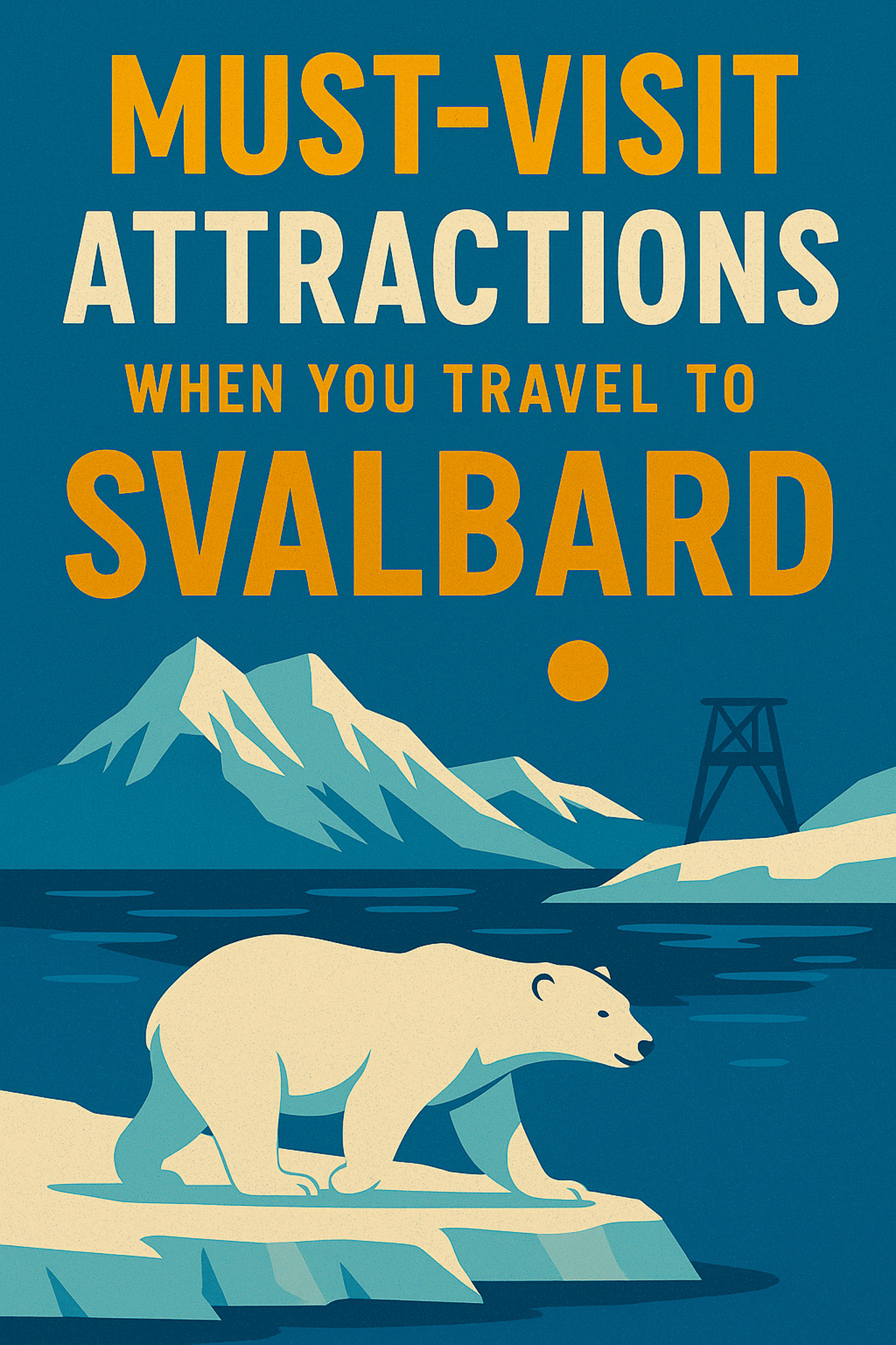
When you travel to Svalbard, an Arctic archipelago that feels like stepping onto another planet, you will fill like you are still technically on Earth.
Most travelers never venture this far north, which is precisely what makes Svalbard magical.
Sitting halfway between mainland Norway and the North Pole, these islands offer the kind of raw, untouched wilderness that's becoming increasingly rare in our over-explored world, along with unforgettable experiences like joining a guided northern lights tour in the depths of winter.
must-visit attractions when you travel to Svalbard
Longyearbyen: The Arctic Frontier Town
The colorful buildings of Longyearbyen appear almost defiant against the stark landscape surrounding them. As the northernmost proper town on Earth, there's something delightfully incongruous about finding sophisticated restaurants and cozy cafés in a place where reindeer casually wander down the main street.
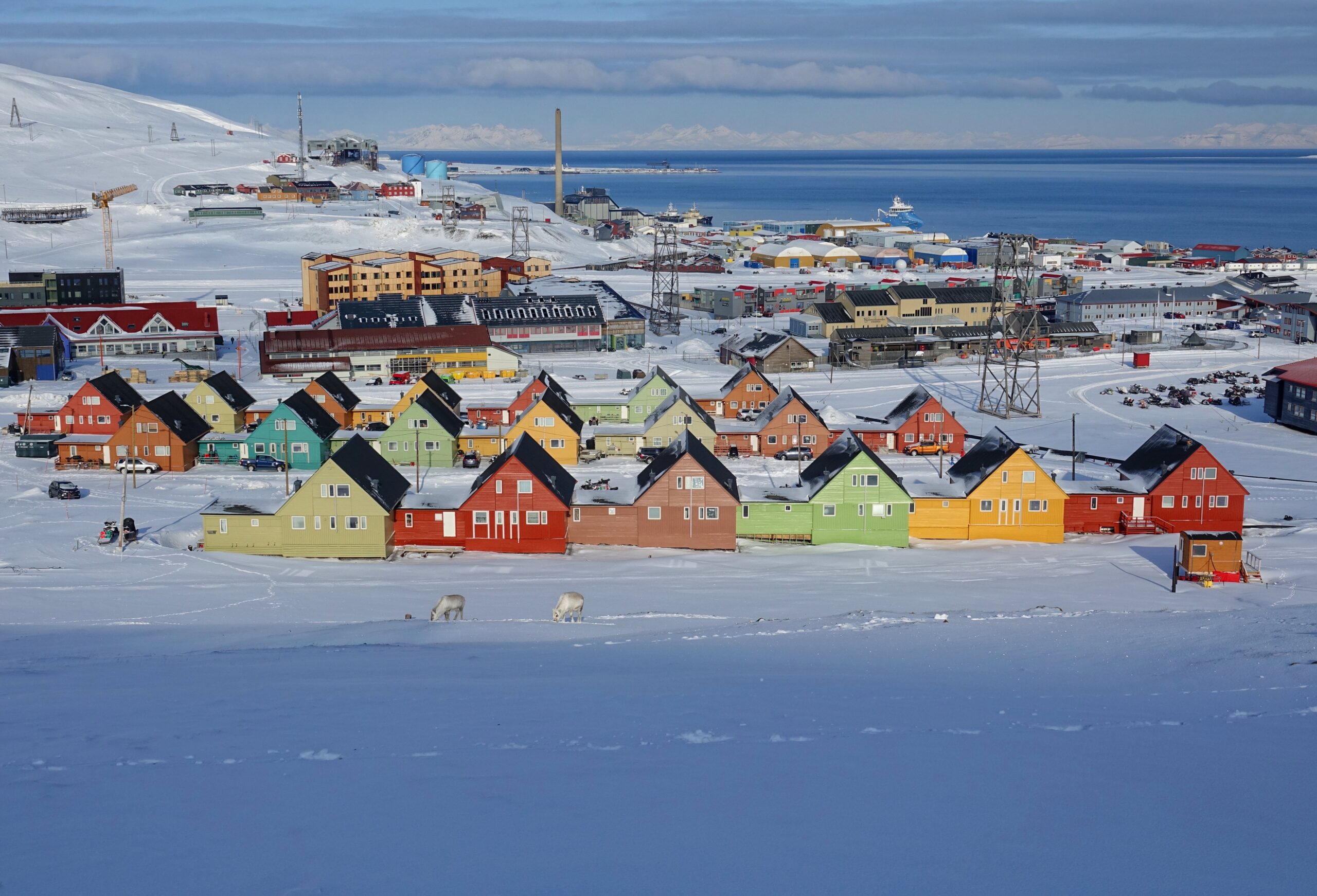
Despite its small size (about 2,500 residents), Longyearbyen packs a cultural punch. You'll find locals who have fascinating stories of Arctic life—ask them about the no-dying policy (it's illegal to be buried here because bodies won't decompose in the permafrost) or why everyone takes their shoes off when entering buildings (a tradition from mining days).
The town makes an ideal base for your adventures, with everything from dog sledding operations to snowmobile rentals available depending on the season.
Svalbard Museum: Context in the Cold
Before heading into the wilderness, spend a couple of hours at the Svalbard Museum. Far from a dusty collection of artifacts, this modern space tells a surprisingly dramatic story of human survival in one of Earth's most unforgiving environments.
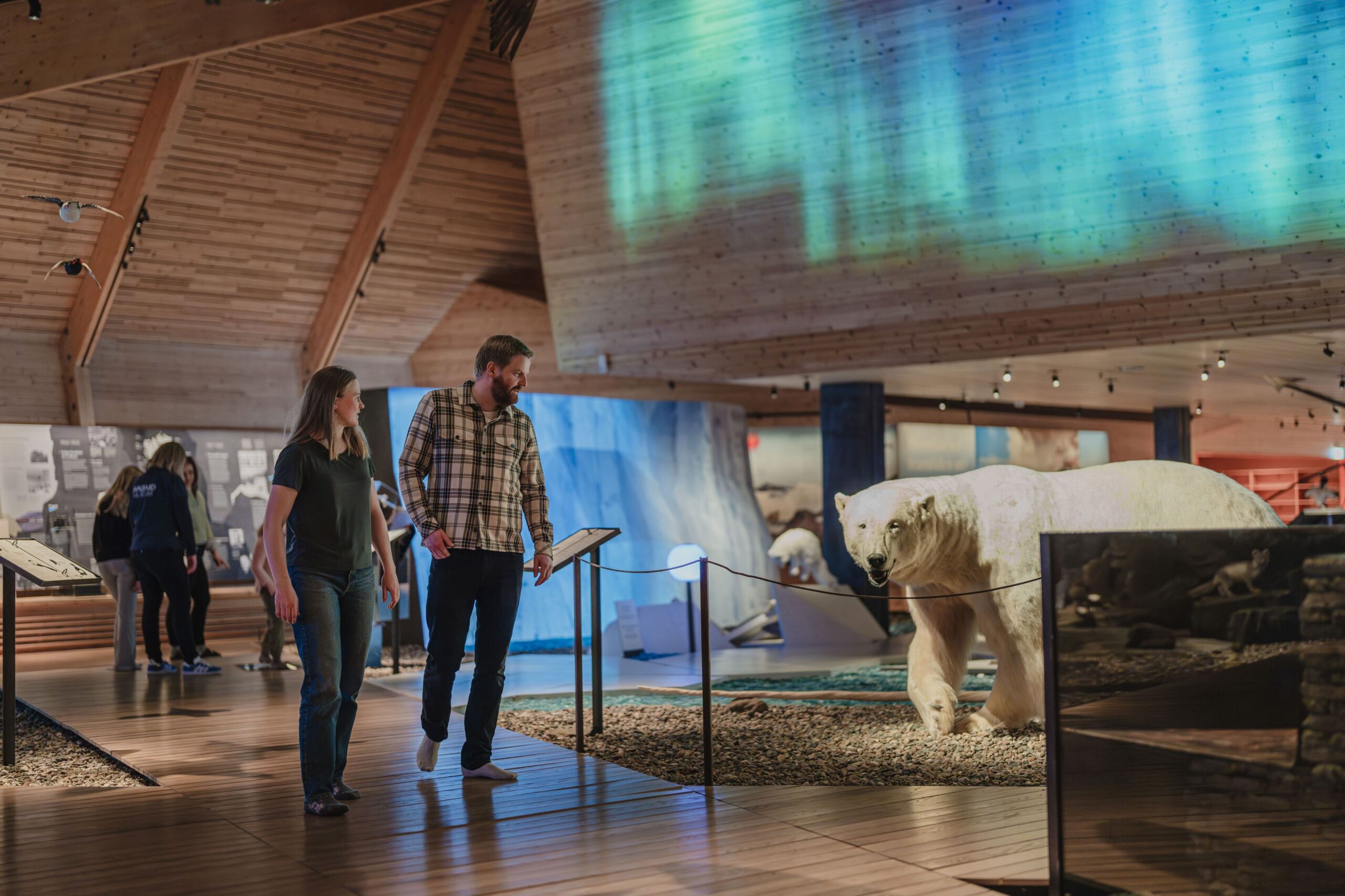
You'll discover how 17th-century whalers somehow survived Arctic winters in nothing but wooden huts, how miners carved communities out of frozen mountains, and how trappers spent years alone in tiny cabins hunting for precious furs.
The museum doesn't just present facts—it helps you appreciate just how resilient humans can be when faced with extreme isolation and cold that can literally kill in minutes.
Pyramiden: Soviet Time Capsule
There's something utterly haunting about Pyramiden. Named after the pyramid-shaped mountain looming behind it, this abandoned Soviet mining town feels frozen in 1998—the year it was suddenly deserted.
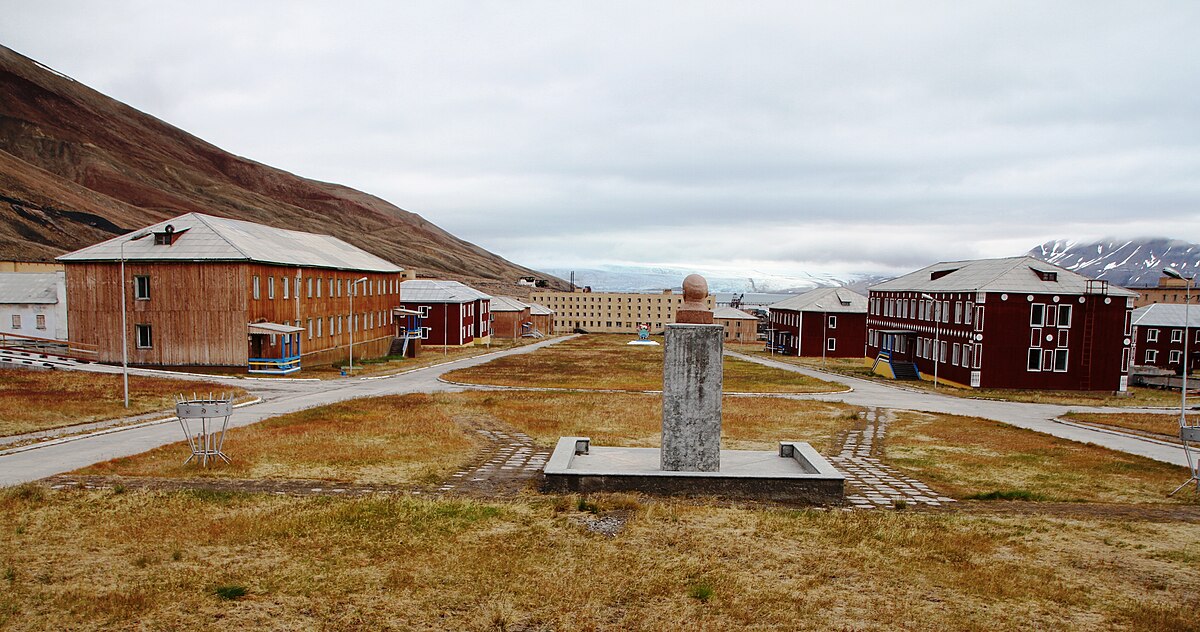
The world's northernmost Lenin statue still stands proudly in the town square. The world's northernmost swimming pool sits empty. Books remain on library shelves, and vodka glasses still line the bar counter. Walking through Pyramiden feels like exploring the aftermath of a vanished civilization—which, in a way, it is.
You might spot Arctic foxes darting between buildings or polar bears in the distance (always travel with armed guides here). The few humans you'll encounter are the handful of Russian staff who maintain the single hotel that's reopened for curious travelers.
Isfjorden: Where Glaciers Meet the Sea
Isfjorden isn't just a fjord—it's a constantly changing theater of ice and light. Boat tours here bring you face-to-face with towering glaciers whose blue-white faces can suddenly crack and calve with a sound like thunder, sending car-sized ice chunks crashing into the water below.
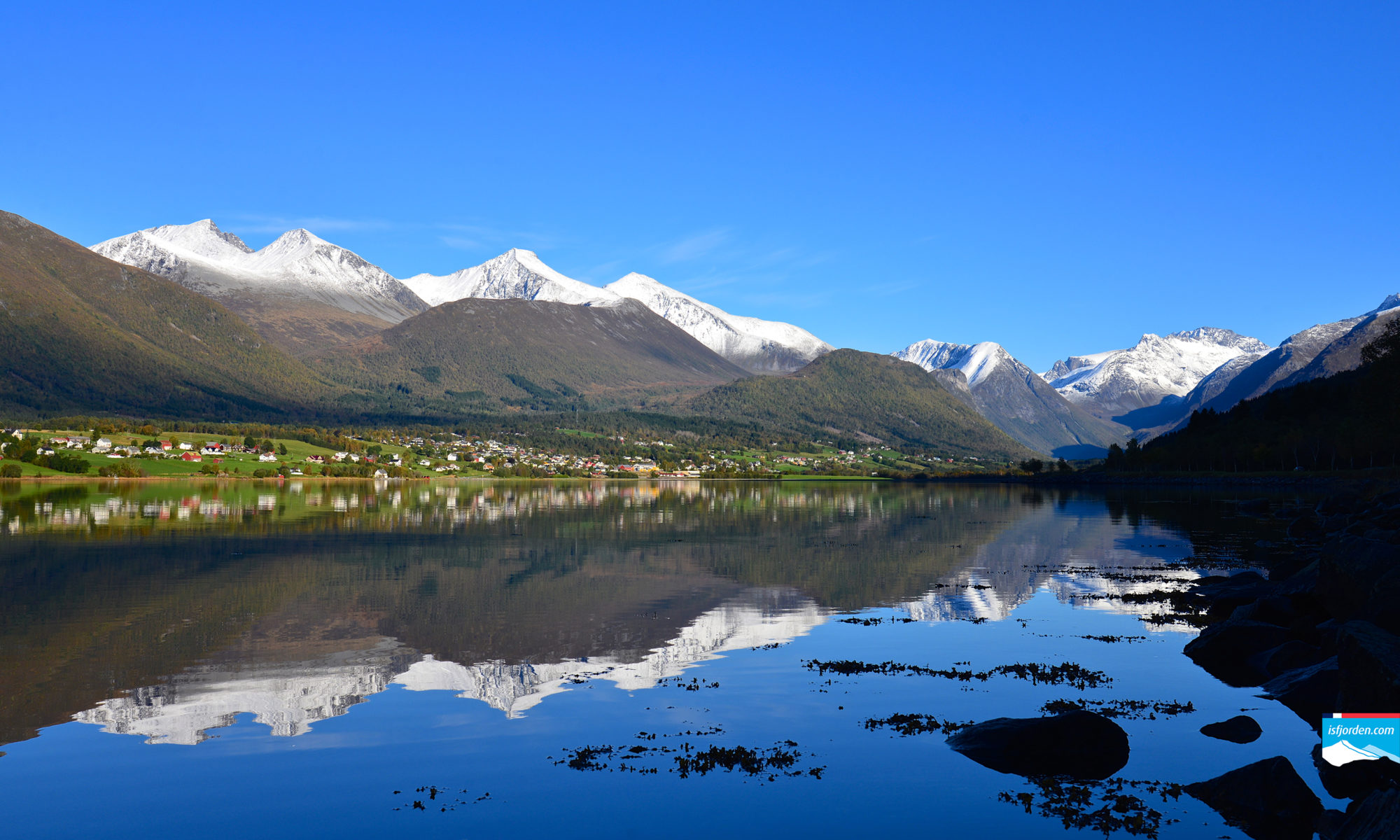
The waters teem with life despite the harsh climate. Seals pop their curious heads above the surface, sometimes using floating ice as personal sunbeds. Thousands of seabirds create cacophonous colonies on cliff faces. And if you're particularly lucky, the misty breath of a whale might appear on the horizon.
The quality of light here defies description—it shifts from golden to silver to an ethereal blue depending on the season, creating a landscape photographer's dream.
The Global Seed Vault: Doomsday Insurance
Just outside Longyearbyen, a sleek, angular entrance juts from a mountainside, occasionally illuminated by artistic light installations. This unassuming portal leads to humanity's ultimate backup plan—the Svalbard Global Seed Vault.
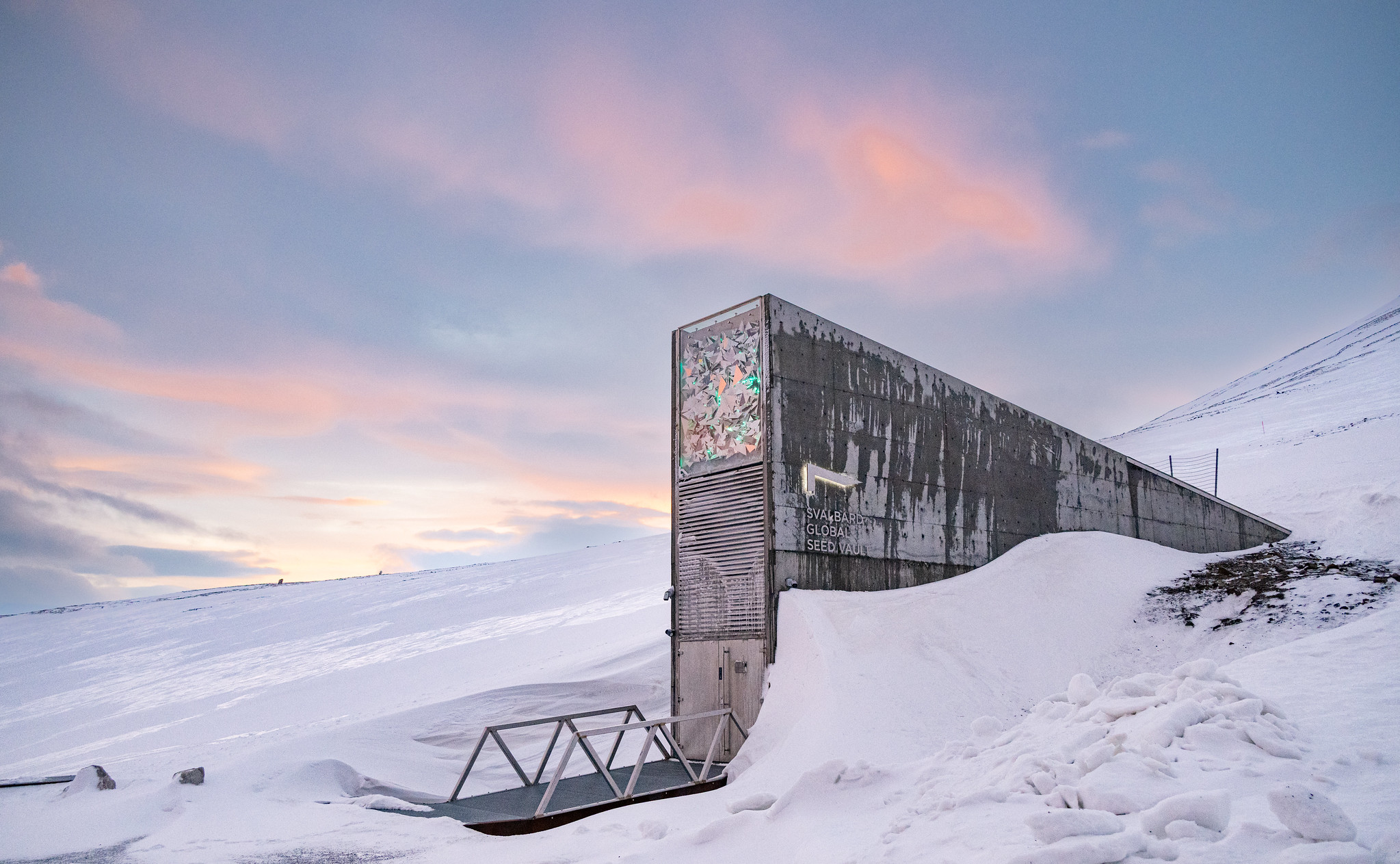
While you can't go inside (security is understandably tight when you're protecting millions of seed varieties from around the world), there's something deeply moving about standing before this modern ark. Built to withstand natural disasters, climate change, and even nuclear war, it preserves the genetic diversity of our food supply against an uncertain future.
The fact that nations often in conflict with each other all store seeds here together speaks to a rare moment of global cooperation—a small spark of hope buried deep in the permafrost.
Barentsburg: Little Russia in the High Arctic
Just when you think you've gotten a handle on Svalbard's Norwegian character, Barentsburg throws you a cultural curveball. This functioning Russian mining town feels like it was teleported straight from Siberia.
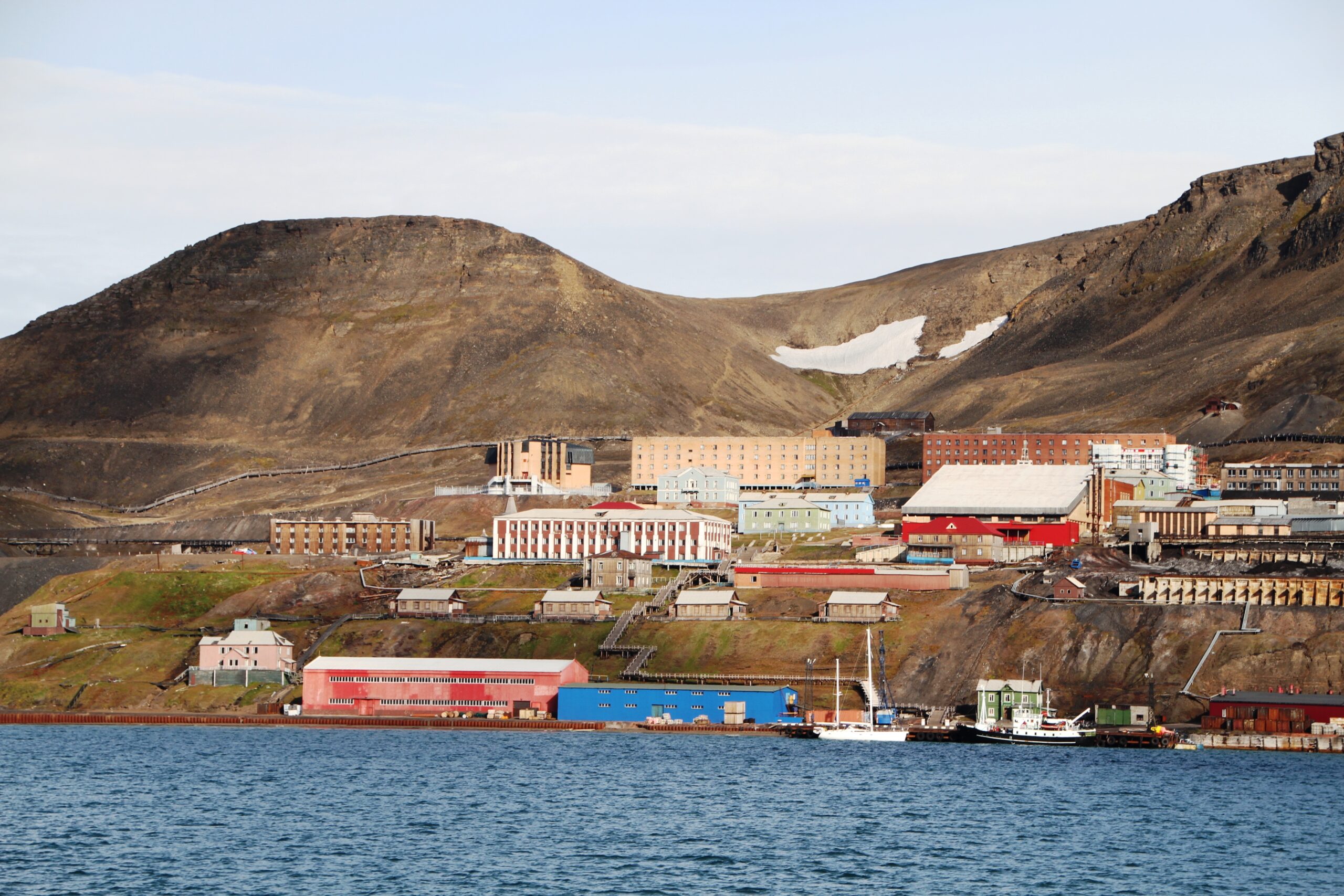
Cyrillic signs welcome you, Soviet-style murals celebrate workers' achievements, and the few hundred Russian and Ukrainian residents maintain traditions that feel worlds away from Longyearbyen. The local brewery produces surprisingly excellent beer (perhaps necessary given the isolation), and the Russian consulate here is among the world's northernmost diplomatic missions.
The contrast between Barentsburg and Longyearbyen offers fascinating insights into how different cultures adapt to the same extreme environment.
Nature's Light Shows: Aurora and Midnight Sun when you travel to S
Svalbard offers two opposite but equally mesmerizing light phenomena, depending on when you visit.
From November through February, darkness reigns during the polar night when the sun never rises above the horizon. But this darkness brings gifts—the northern lights dance across the sky in swirling greens and purples so vivid they sometimes cast shadows.
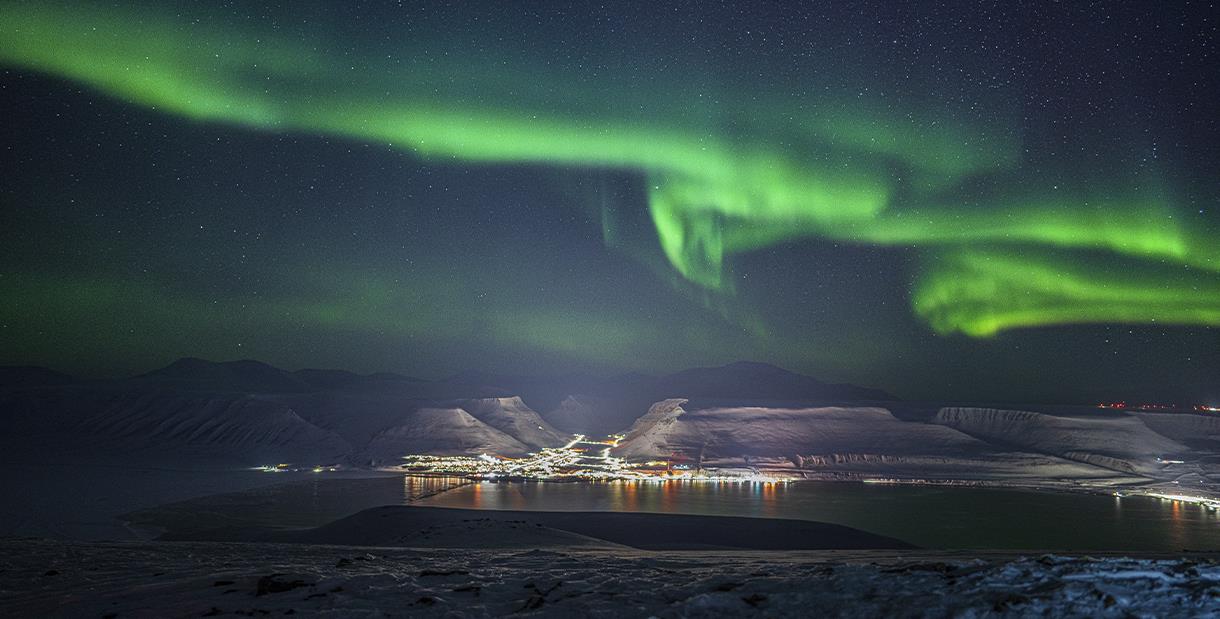
There's nothing quite like standing in complete silence, breath fogging in -20°C temperatures, watching these cosmic light shows overhead.
Visit in summer instead and experience the midnight sun—24 hours of daylight that transforms your sense of time. You might find yourself hiking at 2 a.m. simply because you can, or watching the golden "sunset" light that never actually leads to darkness but instead transitions directly back to morning. Sleep masks become essential, but so does making the most of this endless day.
A World Apart
What makes Svalbard truly special isn't just what you see—it's what you feel. There's a profound silence here that city dwellers rarely experience. There's the heightened awareness that comes from being in a place where humans are not the dominant species (always respect polar bear safety protocols!). And there's the perspective shift that happens when you stand at 78° North, looking out over landscapes shaped more by geology than human hands.
Svalbard isn't easy to reach, and it certainly isn't cheap—but destinations that truly change how you see the world rarely are. Pack your warmest clothes, charge your camera batteries, and prepare for an adventure at the edge of the inhabited world. Just don't be surprised if you return home dreaming of Arctic light and the sound of glaciers breathing.