

Discover the ultimate Nevada desert campervan adventure 🌵✨ From Valley of Fire to Great Basin – your complete guide to exploring Nevada's wild landscapes on wheels.
The magic of campervan travel through Nevada's desert reveals itself in the perfect blend of raw wilderness and accessible adventure.
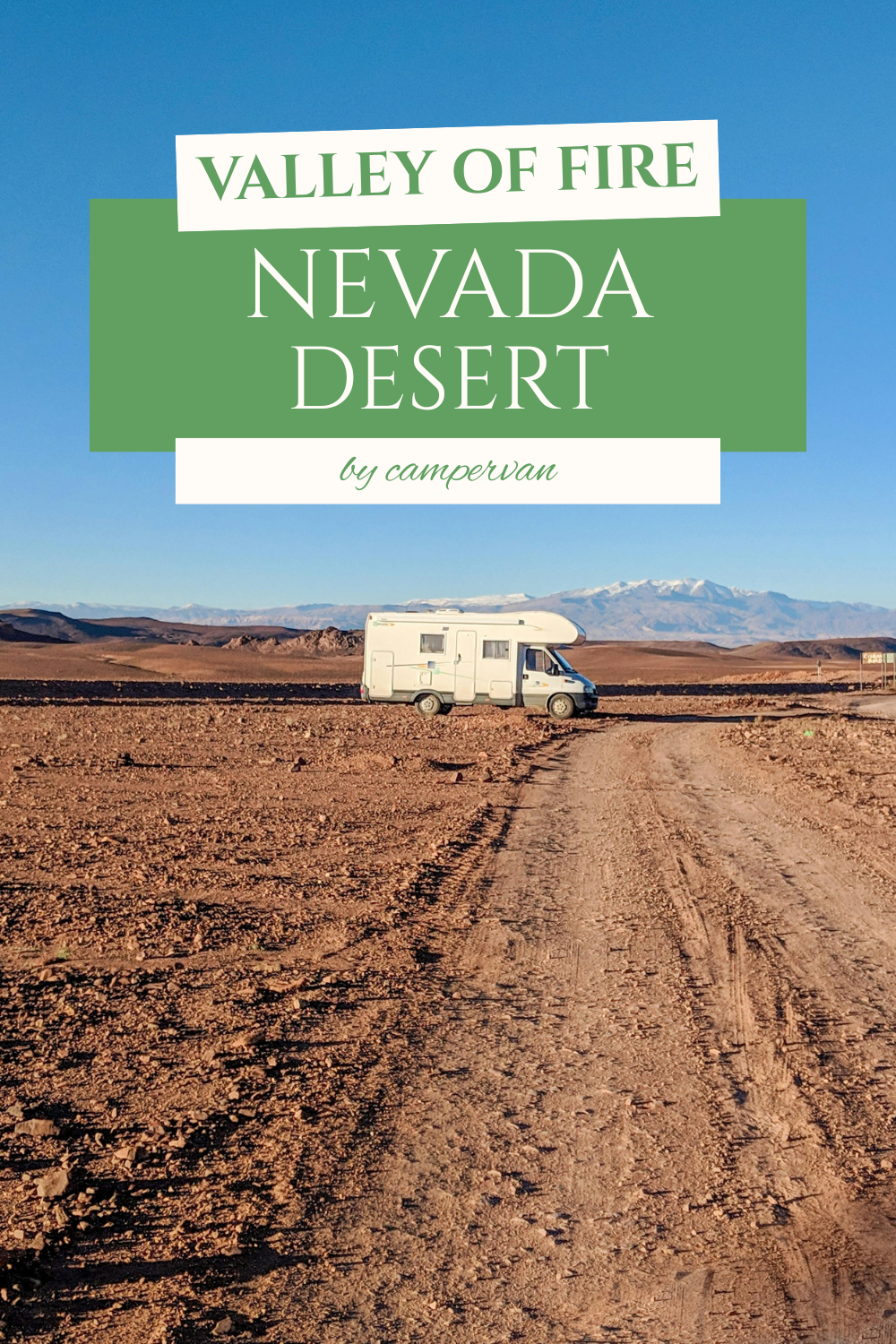
While traditional road trips might rush from Las Vegas to Reno along the interstate, taking the scenic route through Nevada's most spectacular desert landscapes transforms an ordinary drive into an unforgettable journey.
This unique approach opens up a world of red rock canyons, ancient bristlecone pines, and ghost towns frozen in time – experiences that neither a quick city hop nor a distant camping expedition can match on their own.
The Art of Desert Exploration by Campervan

Modern campervan journeys through Nevada have evolved beyond simple point-to-point drives. Today's savvy travelers are discovering that connecting Las Vegas and Reno via the state's most dramatic desert landscapes creates the ultimate Southwest experience.
This route offers morning coffee with views of crimson sandstone formations and evening campfires under some of North America's darkest, most star-filled skies.
Planning a Nevada desert campervan trip requires embracing flexibility while respecting the challenging environment. The extreme temperature variations and remote locations demand preparation, yet the rewards are immense.
Many travelers find that platforms like campstar.com offer the variety of vehicles needed for desert journeys – from compact vans with excellent fuel economy for long stretches to spacious motorhomes with robust climate control systems ideal for Nevada's temperature extremes. The key lies in choosing a vehicle equipped to handle both the scorching days and surprisingly cool desert nights.
Valley of Fire State Park: Your Desert Adventure Begins
Just 50 miles northeast of Las Vegas, Valley of Fire State Park serves as the perfect introduction to Nevada's desert wonders.
The park's name becomes immediately clear as you drive through landscapes where rust-red Aztec sandstone formations seem to glow like flames, especially during sunrise and sunset. Ancient petroglyphs carved by indigenous peoples thousands of years ago dot the rock faces, telling stories of those who traversed these lands long before modern campervans.

The park offers developed campgrounds that accommodate RVs and campervans, providing a comfortable base for exploring the numerous hiking trails.
The Fire Wave trail showcases swirling patterns of red, pink, and white sandstone that look almost otherworldly, while the White Domes area features dramatic contrasts of light and dark rock formations. Early morning arrivals are recommended, as temperatures can soar above 110°F (43°C) during summer months.
Red Rock Canyon National Conservation Area: Desert Grandeur Close to the City
Just west of Las Vegas, Red Rock Canyon National Conservation Area offers a stunning transition from urban glitter to natural wonder.
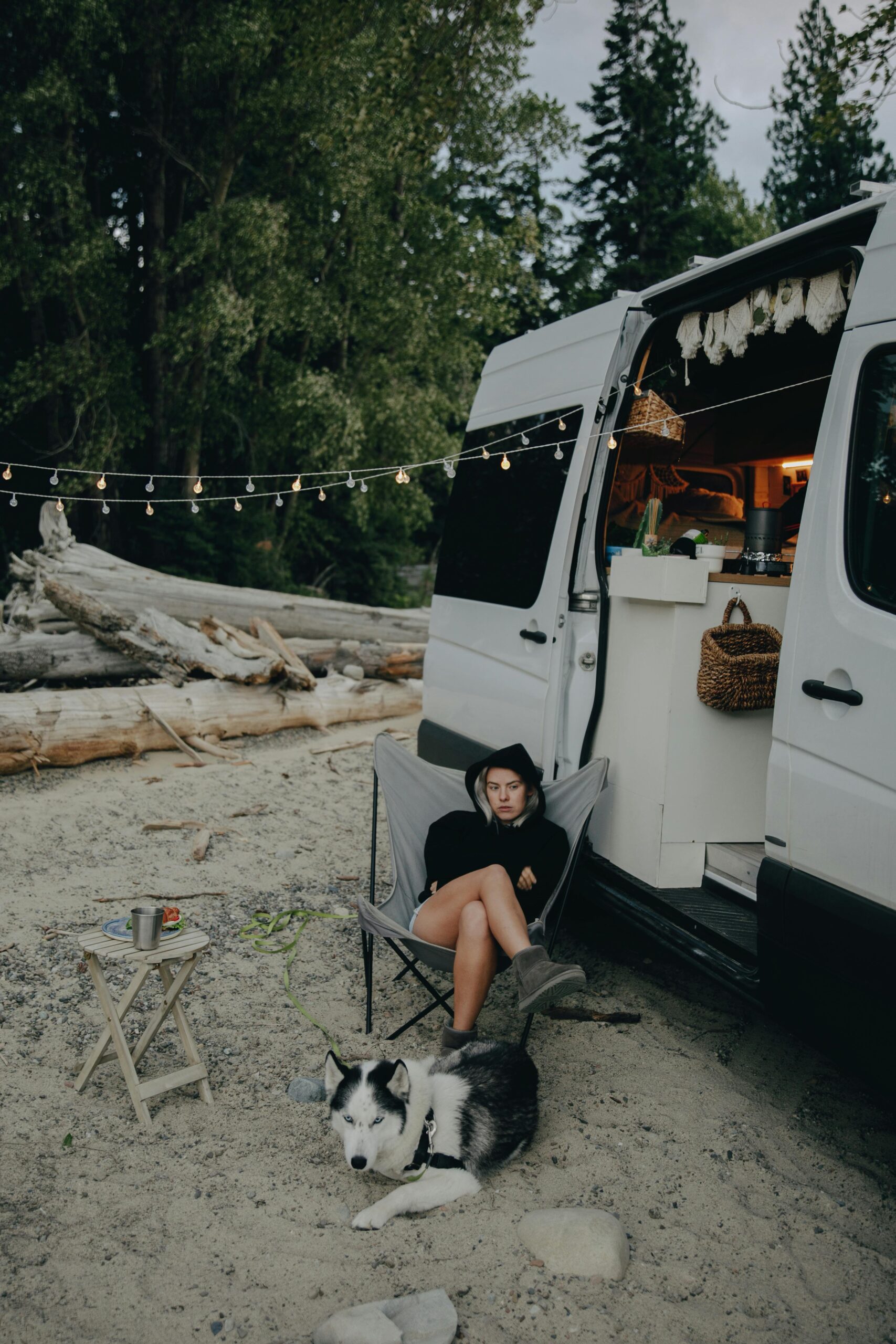
The 13-mile scenic loop drive becomes an essential stop on any Nevada desert campervan journey, with numerous pullouts providing opportunities to photograph towering sandstone peaks and deep desert canyons.
For campervan travelers, Red Rock presents an interesting logistical challenge – while the conservation area itself doesn't offer overnight camping, nearby Bureau of Land Management lands provide free dispersed camping opportunities.
This flexibility allows visitors to explore the conservation area during optimal morning light, then retreat to peaceful camping spots for the evening. The area's proximity to Las Vegas makes it ideal for stocking up on supplies before heading deeper into Nevada's remote regions.
The Journey North: Embracing Nevada's Open Roads
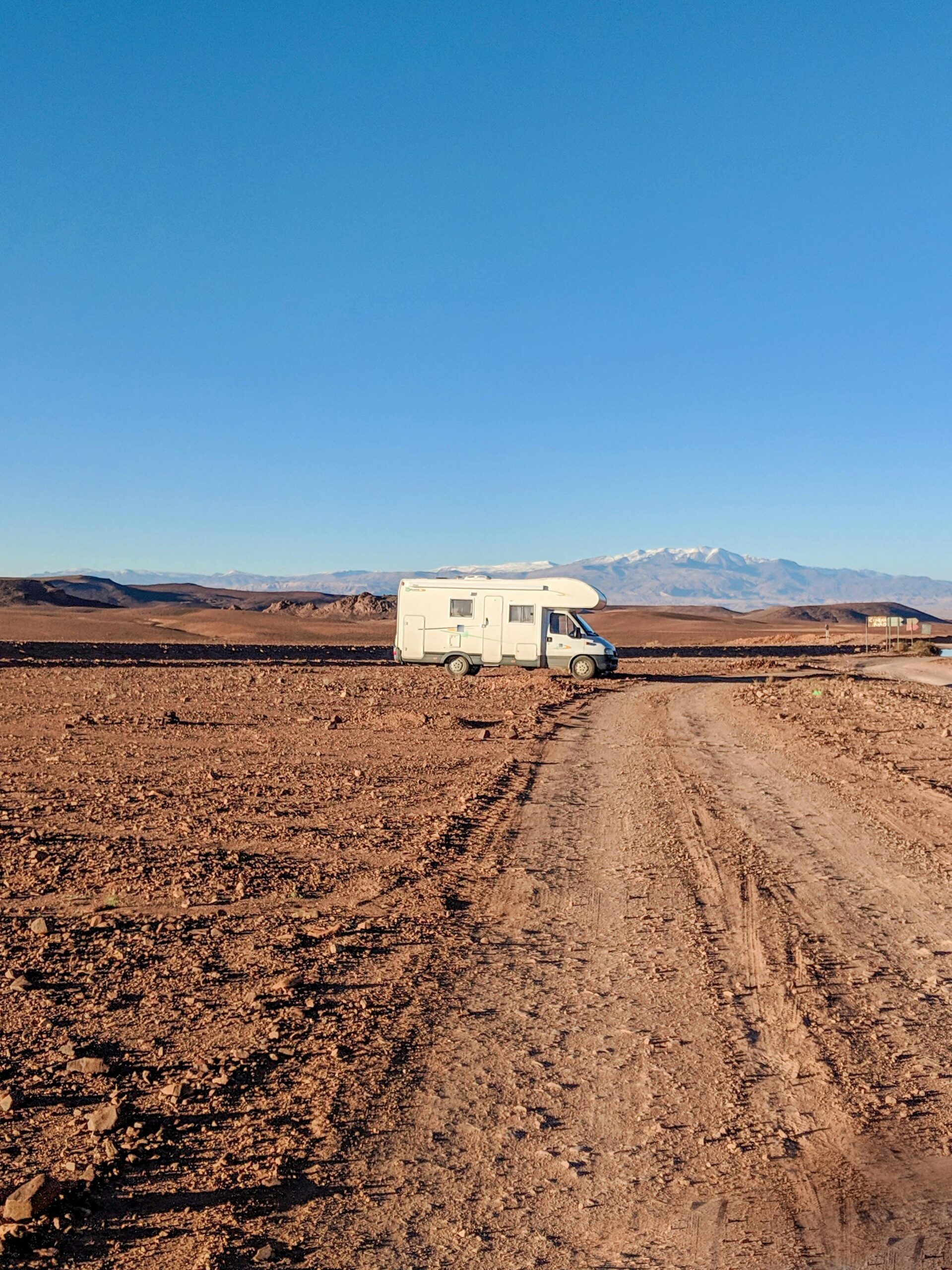
The drive from Red Rock Canyon to Great Basin National Park represents the heart of true Nevada desert exploration. This 300-mile journey traverses the quintessential Basin and Range landscape – a series of parallel mountain ranges separated by flat desert valleys that stretch endlessly toward distant horizons.
Highway 6 and Highway 50 (famously dubbed "The Loneliest Road in America") offer routes where you might drive for an hour without seeing another vehicle.
This remote character demands preparation. Fuel stations become precious commodities, often separated by 70+ miles. Experienced desert campervan travelers always top off their tanks when opportunities arise and carry extra water.
Yet these precautions come with tremendous rewards – the freedom to pull off at unmarked dirt roads, discover hidden canyons, and experience the profound silence that only true wilderness provides.
Ghost Town of Rhyolite: A Step Back in Time
Near the California border, roughly 120 miles northwest of Las Vegas, the ghost town of Rhyolite stands as a haunting reminder of Nevada's boom-and-bust mining history. Once home to 5,000 people during its 1904-1910 heyday, Rhyolite now offers one of the American West's best-preserved ghost town experiences.
The three-story ruins of the Cook Bank Building dominate the townsite, its concrete walls still standing defiantly against time and weather. The famous Bottle House, constructed entirely from glass bottles by resourceful miners, demonstrates the ingenuity required to survive in this harsh environment. For campervan travelers, Rhyolite provides a fascinating afternoon stop with plenty of room for parking larger vehicles, though overnight camping isn't permitted within the townsite itself.
Nearby Beatty offers the last significant services before Death Valley or the long drive north to Great Basin. The town's RV parks cater specifically to campervan travelers exploring the region, providing welcome amenities after days in more primitive settings.
Great Basin National Park: Nevada's Hidden Crown Jewel
At Nevada's eastern edge, Great Basin National Park rewards those who make the journey with dramatic alpine scenery that seems impossible in a desert state. Rising from 6,000 to 13,063 feet at Wheeler Peak's summit, the park encompasses an entire mountain range and multiple ecosystems within its boundaries.
The Lehman Caves offer a cool respite from desert heat, with guided tours revealing stunning limestone formations. Above ground, the park's high elevation provides comfortable summer temperatures even when valley floors bake in triple-digit heat. The campervan-accessible Wheeler Peak Campground sits at 10,000 feet, offering access to alpine lakes and ancient bristlecone pine groves where individual trees have survived for over 4,000 years.
For campervan travelers, Great Basin represents the ultimate contrast to the lower-elevation desert landscapes encountered earlier in the journey. The park's two campgrounds accommodate RVs up to certain lengths, though the winding mountain roads require careful navigation with larger vehicles.
Practical Considerations for Desert Campervan Travel
Successfully navigating Nevada's desert landscapes requires understanding unique challenges. Water becomes the most critical resource, both for drinking and for cooling systems in both humans and vehicles. Experienced travelers carry at least one gallon per person per day, plus reserves for radiator emergencies.
Technology serves as an essential co-pilot in these remote areas. While cell service remains spotty at best throughout much of rural Nevada, downloaded offline maps and GPS navigation prove invaluable. Apps specializing in camping locations help identify Bureau of Land Management land suitable for dispersed camping, while weather apps provide crucial warnings about flash flood potential in canyon areas.
Climate control in your campervan becomes vital given Nevada's extreme temperature swings. Summer days might exceed 110°F, while nights can drop into the 40s°F. Spring (March-May) and fall (September-November) offer the most comfortable temperatures for desert exploration, with wildflower blooms adding spectacular color in years with adequate winter rainfall.
Creating Desert Memories That Last
The stories that emerge from Nevada desert campervan journeys often become legendary among travel circles. There's something transformative about watching sunrise paint Valley of Fire's formations in impossible shades of red, then ending the day watching satellites trace paths across Great Basin's incredibly dark skies. These contrasts create richer travel narratives than any single destination could provide.
The freedom to adjust plans spontaneously adds another dimension to desert adventures. When afternoon light transforms Red Rock Canyon into a photographer's paradise, the ability to stay longer costs nothing but time. When a ranger mentions that Bristlecone pines look particularly spectacular after a recent dusting of snow, traveling with kids becomes more manageable when everything needed for an impromptu excursion is already onboard. This spontaneous spirit, combined with the self-sufficiency that campervans provide, makes Nevada desert journeys the ultimate expression of American Southwest adventure travel.
The Nevada desert reveals its secrets slowly to those willing to explore beyond the interstate highways. From the easily accessible wonders near Las Vegas to the remote grandeur of Great Basin's alpine heights, a campervan journey through these landscapes offers freedom, flexibility, and the kind of authentic Western experience that no hotel-based vacation can match.