

Family travel rarely collapses from distance — it collapses from friction. A calm route begins long before the first gate, with expectations trimmed to reality and a plan that treats attention, sleep, and snacks as limited fuel. The goal is modest: fewer lines, shorter asks, gentler transitions. When logistics carry the weight, memories get the spotlight.
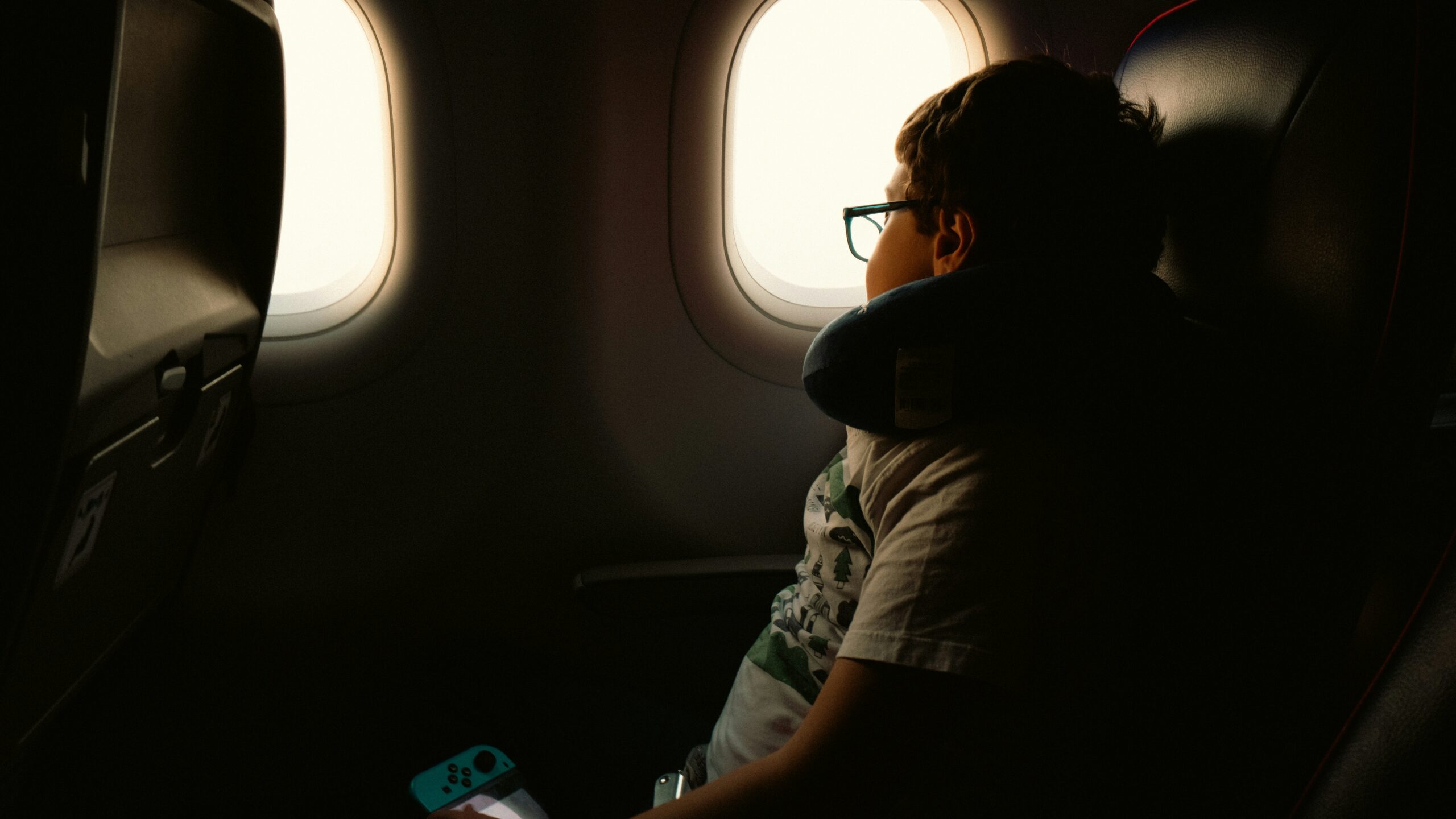
Borrow a page from restaurant shift management. Clear roles, timed handoffs, and simple checklists lower noise: one adult handles documents and gates, another runs hydration and snacks, a third minds naps and moods. Even in a duo, the shift mindset prevents overload — jobs rotate, and nobody becomes the permanent pack mule.
Build the Itinerary Around Real Energy
Smart timing outruns most tantrums. Early departures reduce delay risk and shorten exposure to crowds; midday travel steals from nap windows; late arrivals trade quiet terminals for overtired evenings. Align segments with familiar rhythms, protect a stable bedtime, and plan only one headline activity per day. Everything else stays optional — delight lives in the margins.
Packing works better as a system than a suitcase. Lightweight layers, breathable fabrics, and duplicates of essentials cut drama. Stash small comforts that travel well: familiar cup, soft scarf, tiny book. Tech helps only if it simplifies: offline maps, cached tickets, quick-access boarding passes, and battery discipline. Skip perfection — aim for “reachable in 30 seconds while standing.”
Transfers deserve their own plan. Favor single-carrier routes, minimize tight layovers, and pre-bookmark terminals with play corners. On the ground, choose stations with elevators over “shortcuts” full of stairs. A five-minute detour that avoids chaos is the cheapest insurance on the trip.
Food and lines are the classic spoilers. Pre-order when possible, favor venues with space over fame, and keep a rolling snack schedule to flatten blood-sugar cliffs. A simple rule keeps the day sane: movement, food, restroom — in that order — each time a stop is made. Crowds shrink when the plan routes around them rather than through them.
Dining with kids is logistics, not luck. Table bookings that respect nap arcs beat last-minute hunts through loud rooms. Quiet corners, natural light, and predictably paced kitchens are better than celebrity names. Reservation apps and venue filters turn guesswork into certainty; many families lean on options like Eat App to match meal windows with energy and avoid the “hungry wander.”
Go-Bag System: Small Kits, Big Calm
- Mood Kit: Tiny fidget, sticker sheet, mini notebook, blunt pencil. The point is agency — hands get a job, minds get rhythm, waiting gets shorter.
- Clean Kit: Zip bag with wipes, fold-flat changing mat, two disposable bags, travel soap. Speed matters; the kit lives at the top of the daypack.
- Snack Kit: Slow-release carbs, protein, and a “treat token.” Clear rules prevent bargaining spirals; water beats juice for stamina.
- Sleep Kit: Eye shade, light muslin, child-safe headphones, one small scent cue. The body notices patterns; recreate them anywhere.
Choose Lodging That Works Like Home
Arrival sets the tone for the whole stay. Prioritize blackout options, real floor space, and laundry access over theatrical lobbies. A short walk to parks or water buys daily decompression. Transit within the city should be stroller-friendly and forgiving — trams and ferries beat poorly timed rideshares. Each morning starts with a map check and a single must-do; the rest is gravy.
Plan for the Inevitable Detour
Unexpected changes are guaranteed. The plan’s job is not to resist them, but to absorb them. Keep a “buffer hour” floating in the afternoon and a blank morning every other day. If weather flips or energy dips, swap the headline for the buffer. A well-timed reset can rescue an entire trip without drama.
Reset Rituals at Destination
- Evening Anchor: Early dinner, warm bath, ten quiet pages. Screens stay dim and brief; bodies follow habits, not wishes.
- Morning Launch: Hydration, fresh air, and a small win — playground lap, bakery run, or beach shell. Momentum beats pep talks.
- Urban Escape Valve: Identify two green pockets and one roomy café before day one. When overwhelm hits, the route is ready.
- Plan B Pack: Spare outfit, micro first-aid, compact blanket. When spills happen, dignity survives.
Activities That Scale With Small Travelers
Open-ended spaces — parks, markets, boat rides, gardens — flex for strollers and sudden naps. Museums with good lockers and re-entry policies beat epic once-through marathons. If a line looks medieval, take the photo from outside and promise the postcard — a family legend is worth more than a stamp on a checklist.
Social Energy Needs Pacing
Relatives love long lunches; small travelers usually don’t. Propose time-boxed visits with movement built in, like a neighborhood stroll between courses. The same principle helps in resorts: short bursts of pool time interleave with shade, snacks, and quiet corners. Calm, predictable loops beat “squeeze it all in” every time.
Close the Day on a High
Keep souvenirs small and stories big. A pressed leaf, a transit ticket, a quick sketch of a fountain anchors memory better than plastic snow. Before sleep, review three bright beats — a laugh, a flavor, a view. The next morning inherits that tone. With roles defined, timing kind, and resets ready, the route stays human — and the vacation remains a vacation.