

Read on to learn how to plan the ultimate road trip through the intimidating but exciting great outback of Australia.
There is nowhere in the world quite like the Outback. It is where travelers go to see ancient mountain ranges, rock formations adorned with historic Aboriginal art, and animal species you won’t find anywhere else. But this rugged landscape will punish those who fail to properly prepare for what it has to offer.

If you are after the perfect spot to camp under a sky of twinkling stars utterly free of any light pollution, with an ice-cold beer or bourbon premixes in hand and the best company you could ask for, the great Australian outback will deliver everything you could hope for and more.
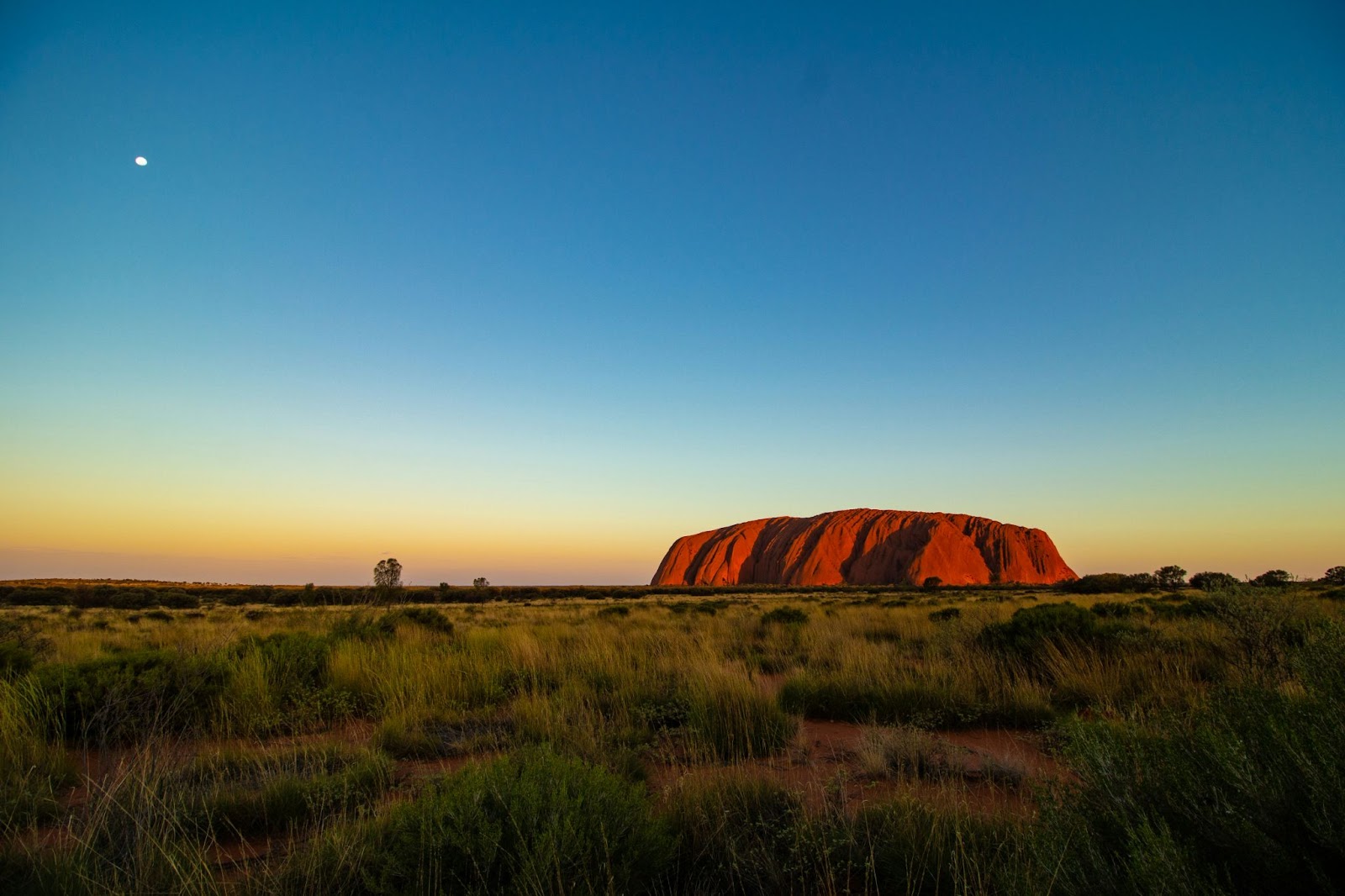
Driving Conditions
Driving in the outback is relatively stress-free. There is very little traffic to navigate outside of the major cities, and the roads are clearly marked and well-signposted. The locals of the various country towns you will stumble across enjoy welcoming tourists, with a wide range of motels, pubs, and roadhouses serving meals and offering very basic but comfortable accommodations.
Unsealed dirt or gravel roads are incredibly dusty and sometimes corrugated, perfect for driving on when the roads are dry and the sun is shining. However, any recent rain can turn them into muddy nightmares that will quickly bog you down. Driving on any road that is marked as closed will incur big fines from local law enforcement.
Finally, many unsealed roads pass over private property. The unspoken rule is to leave any gates as you find them. If they are open, drive straight through and continue your trip. But if they are closed, ensure you have closed them again before moving on.
Car Guide
It is safe to say that using a 4WD to explore the outback is always going to be the best option. However, it is not essential to discover large parts of this fantastic region if you know where to drive. Many people regularly hit the roads in normal cars and campervans, as many major highways and connecting roads are fully sealed, including major roads in the iconic Kakadu National Park.
However, if you plan to tackle the most rugged dirt tracks or hope to move away from the main highway and find tucked-away bodies of water to swim and camp in, then a 4WD is a non-negotiable car choice. The most important part of picking the right car is ensuring it is reliable. Take your vehicle for a full maintenance check, including the tires, before embarking on any adventure.
For extra practicality on long trips, many seasoned travelers also invest in accessories like WildTop canopies, which provide secure storage and make organizing gear easier when you’re living out of your vehicle.
Water, Water & More Water
The importance of bringing enough drinking water when heading into the outback can never be stressed enough. While you may come across water sources that are safe to drink unless signposted to say otherwise, many gas stations in areas where water is a scarce commodity will not allow you to refill from their sources, so it is crucial to be prepared.
As important as it is to carry enough water to stay hydrated should you ever get lost or break down in the middle of nowhere, researching and understanding the proper way to store and carry drinking water safely is equally as vital. You should also ensure you have a well-stocked first aid kit and the appropriate tools to change a tire if needed.
Refuel Regularly
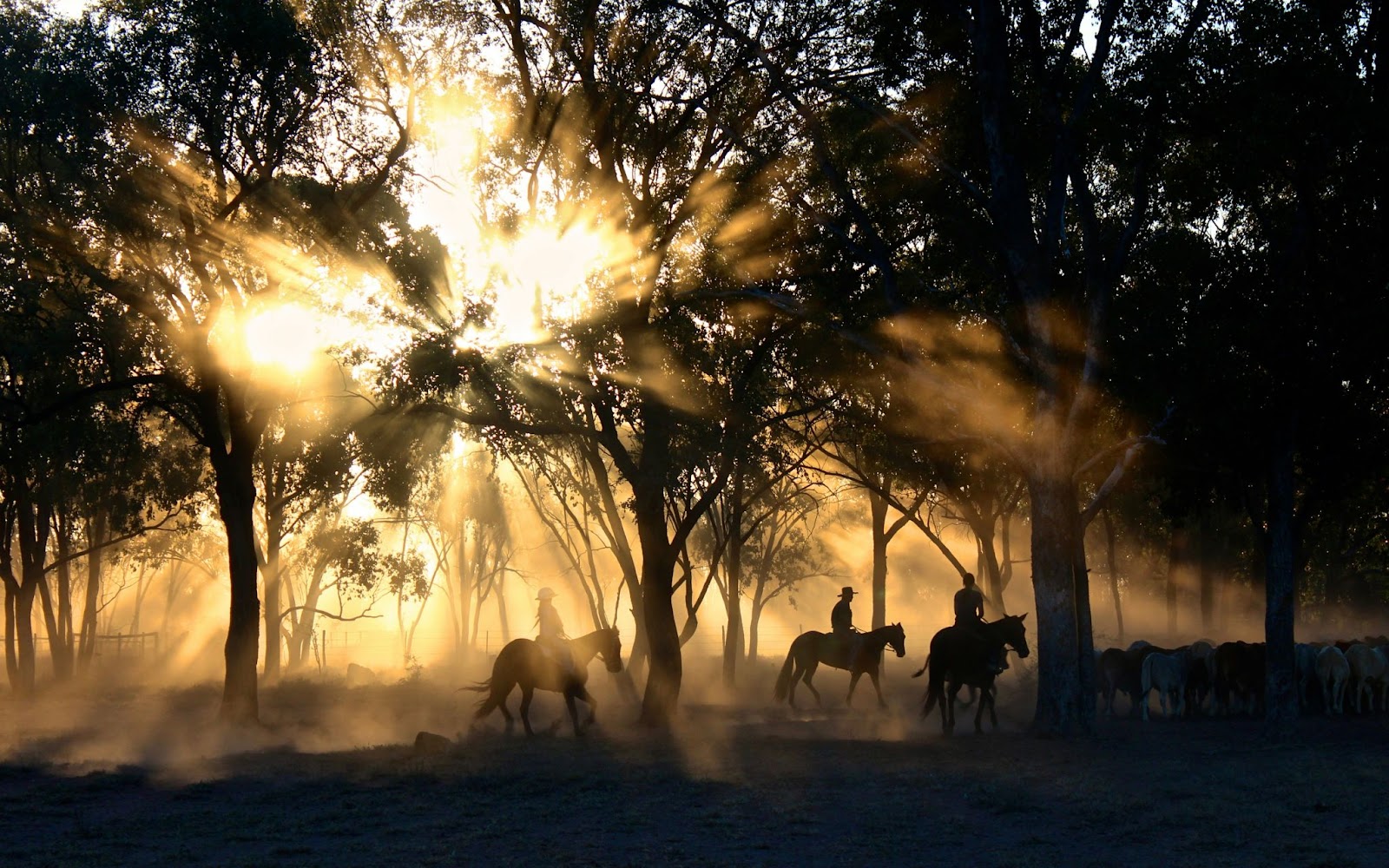
You are guaranteed to find a gas station of roadhouses in almost every town and at regular intervals along major highways throughout the northern territory and outback. However, they often only operate between 9 am and 5 pm, and in very remote places, are not open over the weekend.
This unpredictability is reason enough to stop and top up your tank at every gas station you pass. Even if you are ¾ full, it is not worth the risk of breaking down. You could be waiting hours, if not days, for assistance, and in the scorching summer sun, it can quickly become a dangerous situation.
On very remote tracks, diesel can sometimes be found more easily than regular petrol, and many Aboriginal communities sell Opal fuel. However, this fuel is fine to use in any vehicle that typically runs using unleaded.
Planning is a Must
There are many no-service spots throughout the outback, so download any playlists or podcasts you may want before entering these dead zones. Mobile phone coverage in the outback is patchy at best, and you will often find yourself with no signal at all.
For this simple reason alone, you cannot rely solely on live online maps to navigate the area, especially if you are completely unfamiliar with the region. Alongside a physical map you have already studied and can properly navigate, it is essential to buy or rent a GPS with a satellite navigation system. Many experts also recommend hiring a satellite phone if you plan to head off the main road network to camp or hike.

Essential Driving Rules
A very important tip for driving in the outback is never to drive at night. Once the sun has set, the extensive Australian wildlife becomes its most active, and with your visibility significantly lessened, you are at a high risk of hitting something in the road. A good rule of thumb is to plan your travel days so that you leave at dawn and reach your next destination by dusk. However, if you need to drive in the evening, go under the speed limit, use your high beams, and be on high alert.
A unique feature of driving along outback roads is the road trains you will inevitably encounter. These trains, consisting of numerous massive transportation trucks traveling in a convoy, can stretch to over 50 meters long and be deceptively tricky to judge when driving behind them. To maintain proper visibility, drive with your headlights on at all times, even during the day, and only attempt a road train overtake on long, straight, flat roads where you can see oncoming traffic from a mile away.