

Every journey contains moments worth preserving: the unexpected kindness of strangers, the light falling perfectly on ancient stones, the taste of unfamiliar foods, and the feeling of genuine discovery.
Yet travelers often return home with documentation that fails to capture what made their experiences meaningful. The challenge lies not in technology but in approach.
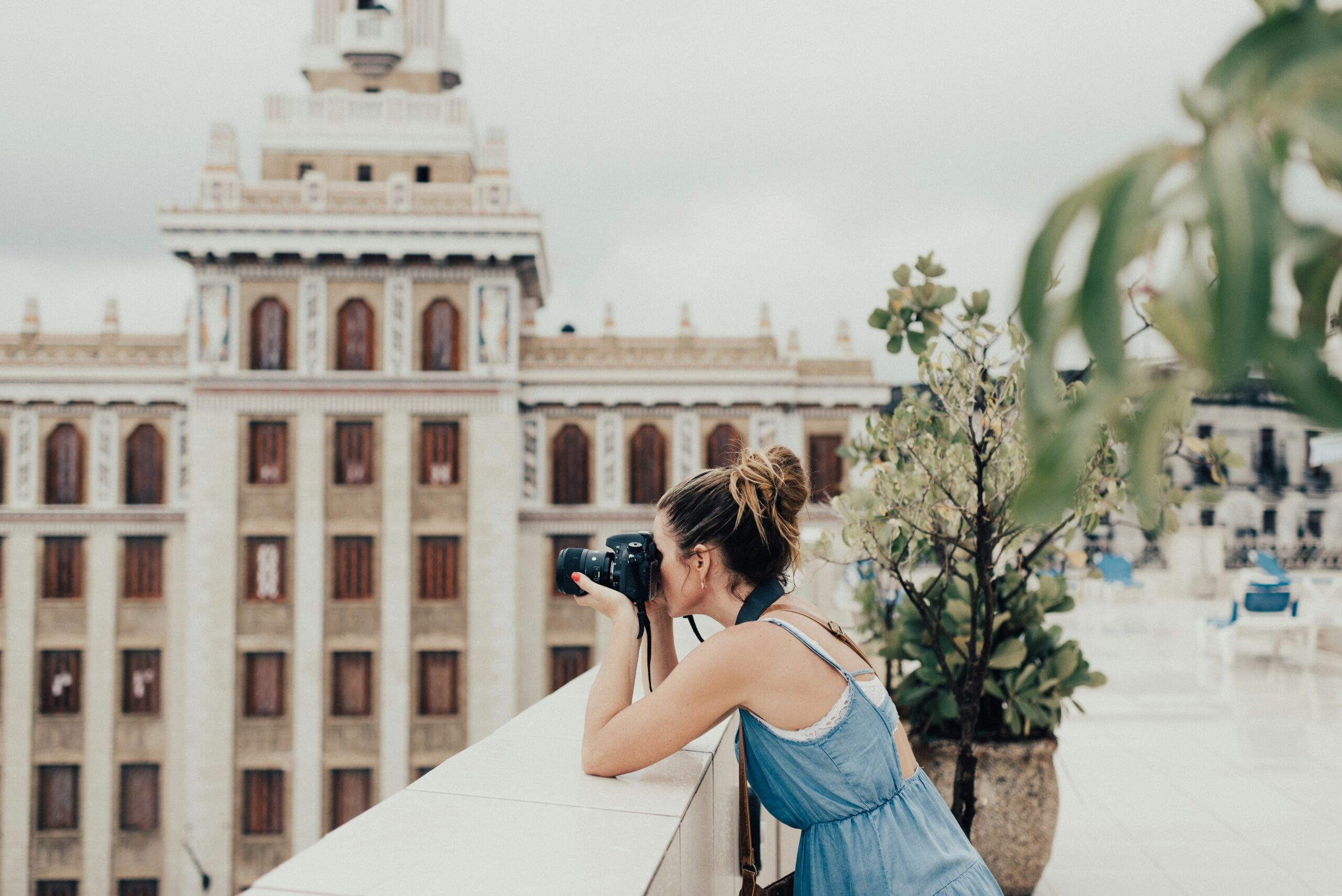
Authentic travel documentation requires presence before capture. The rush to photograph before fully experiencing creates records of surfaces rather than essences.
Developing mindful documentation practices ensures that preserved moments reflect genuine experiences rather than performative tourism.
Choosing Documentation Tools Wisely
Equipment selection shapes what and how you capture throughout travels. Overly complex gear creates friction that discourages spontaneous documentation. Insufficient capability frustrates when moments warrant quality preservation. Finding personal balance enables consistent documentation without burden.
Many experienced travelers settle on a dedicated travel camera that balances quality with portability. These devices offer improvements over smartphone photography while remaining compact enough for constant carry.
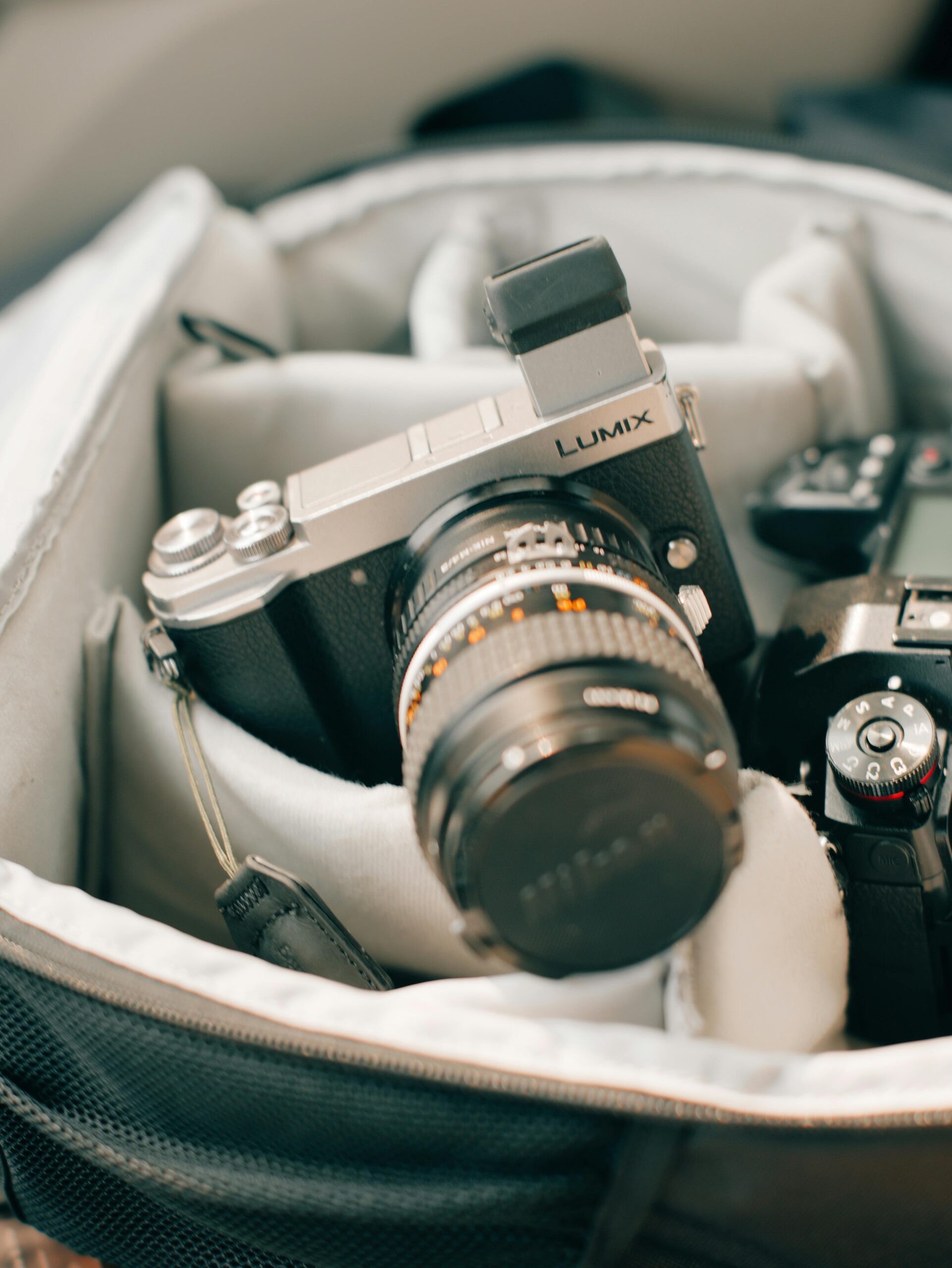
The right tool becomes an extension of observation rather than an obstacle to experience.
Developing Present Awareness
Capturing authentic moments requires first noticing them, which demands attention often divided by devices. The practice of being fully present while traveling has become countercultural in an age of constant connectivity.
Developing this capacity enables documentation of experiences actually had rather than performances staged.
Practice periods of device-free exploration during each travel day. Notice what captures attention when not viewing through screens. The observations made during unplugged periods often guide subsequent documentation toward genuinely interesting subjects.
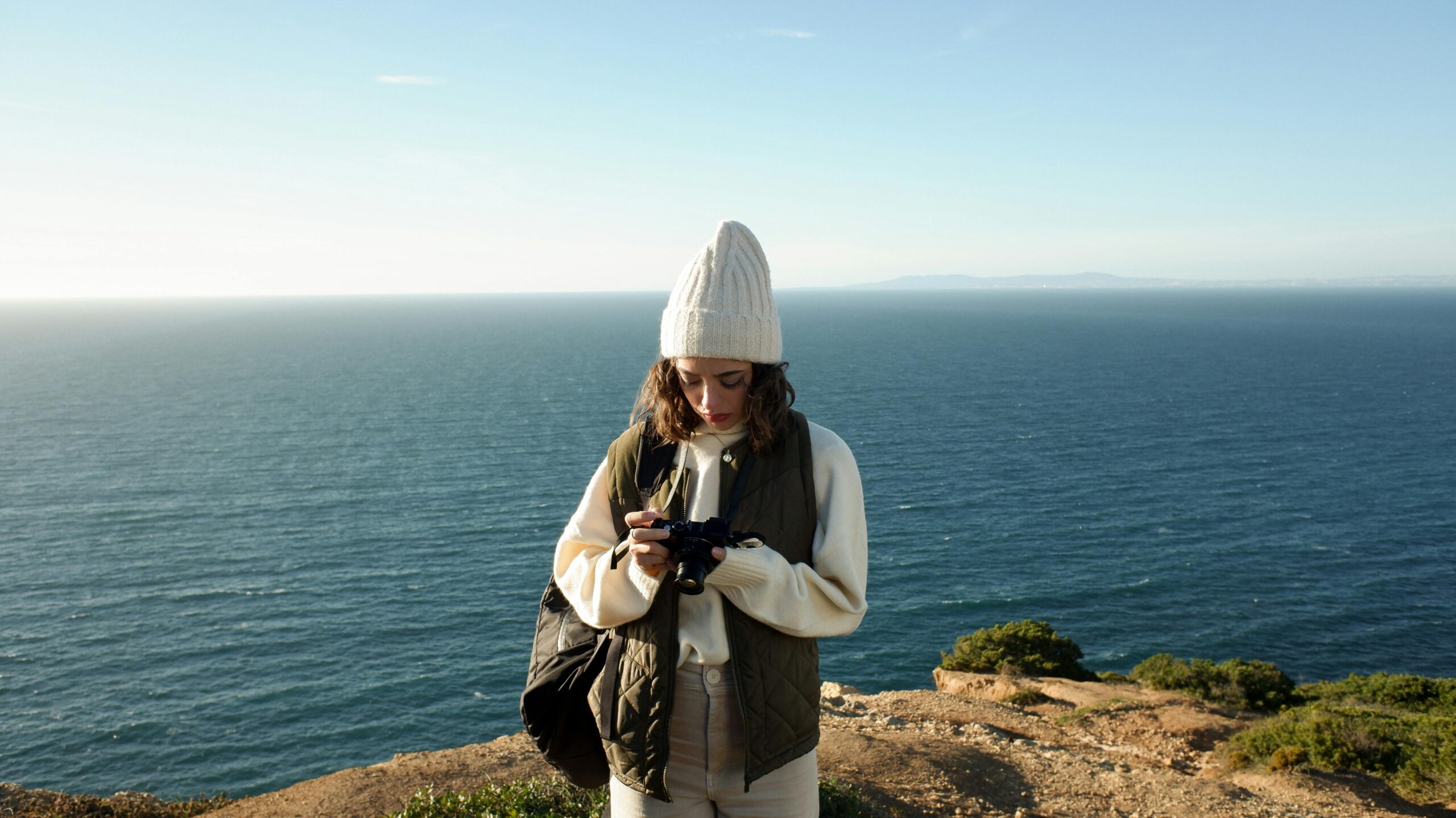
Train yourself to pause before capturing, ensuring you have actually experienced what you are about to document.
This brief hesitation prevents the common pattern of photographing before perceiving. The resulting images reflect genuine encounter rather than reflexive collection.
Capturing Context and Story
Individual images gain meaning through context that standalone photos lack. Documentation that tells stories preserves experiences more effectively than collections of disconnected images. Building narrative awareness into capture habits creates richer records.
Photograph the circumstances surrounding significant moments, not just the moments themselves. The table setting before the memorable meal, the path leading to the viewpoint, and the companions sharing experiences all contribute to complete stories.
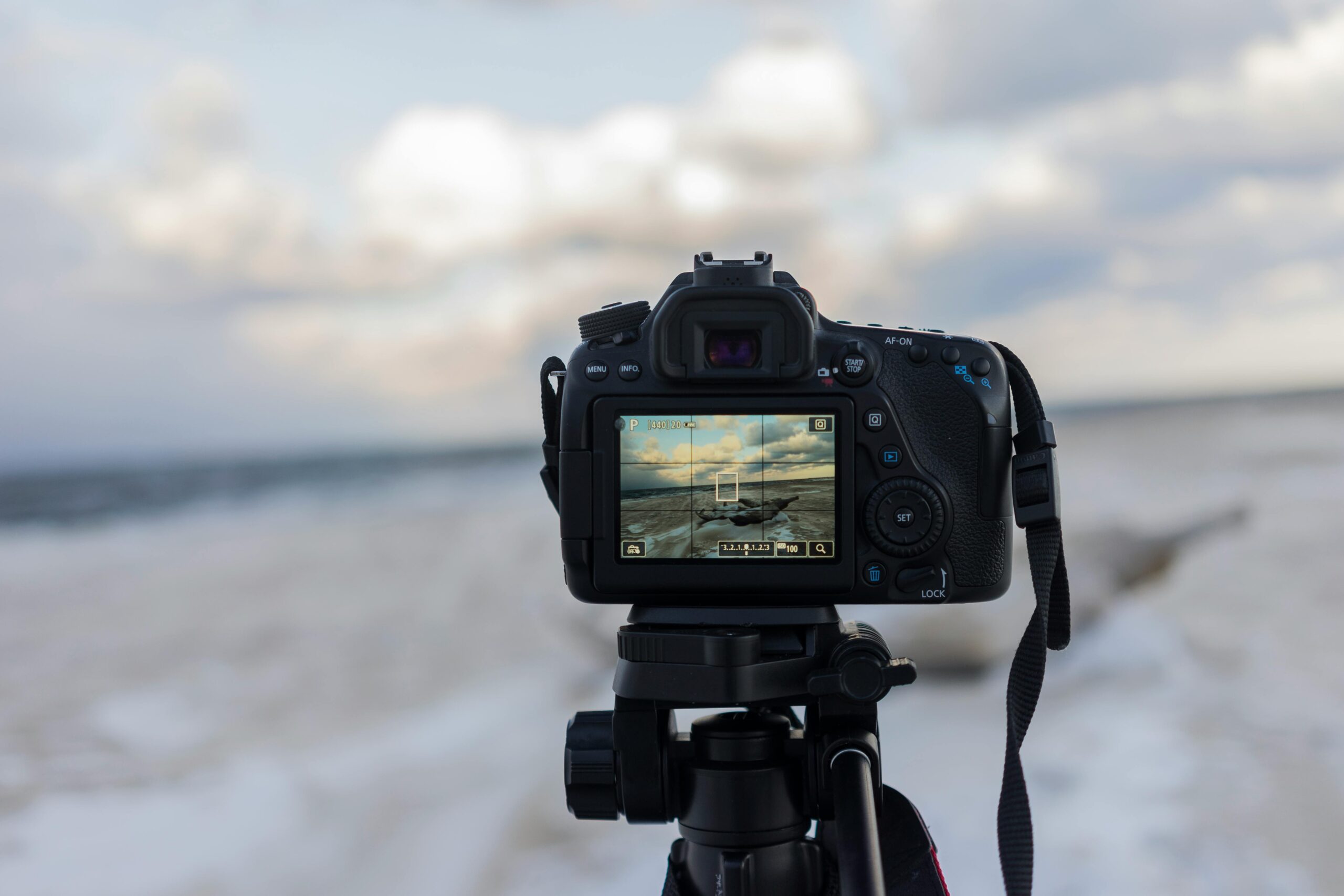
These contextual images enable future reconstruction of full experiences.
Record brief audio or written notes alongside visual documentation. The details that seem unforgettable during travel often fade surprisingly quickly. Capturing names, locations, and impressions while fresh preserves information that images alone cannot convey.
Engaging Ethically With Subjects
Travel photography often involves photographing strangers, whose permission and dignity deserve consideration. Ethical engagement with photographic subjects reflects the respect that should characterize travel generally.
The images produced through respectful encounters differ qualitatively from those taken without consent.
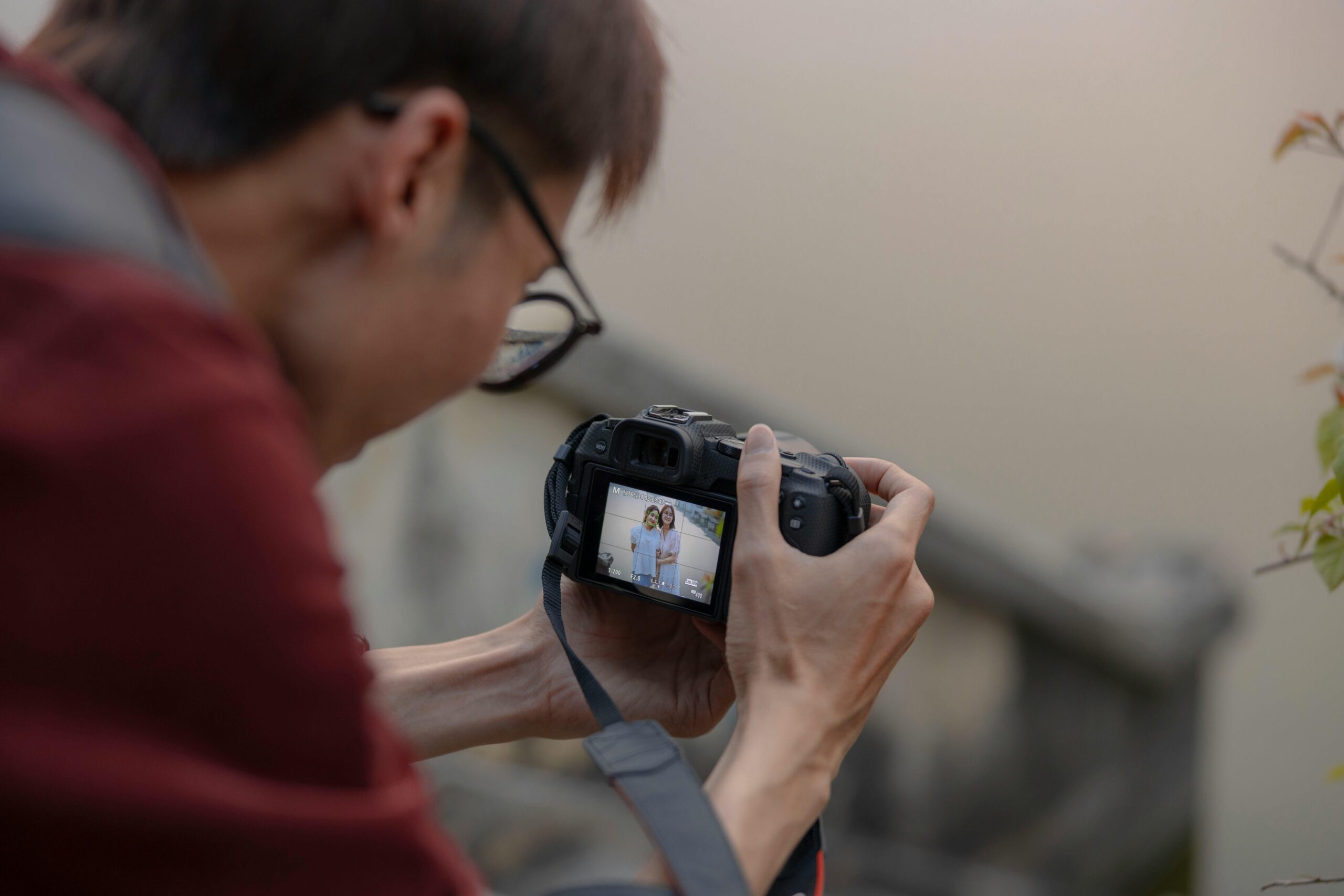
Learn and practice appropriate requests for photography permission in languages you will encounter. The effort to communicate respectfully opens opportunities that demanding behavior closes. Many subjects who decline quick snapshots welcome thoughtful requests.
Consider offering something in exchange for photographs, whether showing results, sharing contact information for sending images, or simply a genuine human connection. This exchange transforms extraction into a relationship, improving both ethics and outcomes.
Curating and Preserving Collections
Raw documentation requires curation to become a meaningful collection. The thousands of images accumulated during travels overwhelm rather than preserve without editing. Developing curation practices transforms documentation from burden to treasure.
Edit ruthlessly during travels while memories remain fresh. Deleting obvious failures and redundant captures immediately reduces future organizational burden. The discipline of daily curation also reveals patterns that inform subsequent shooting.
Memories That Endure
The goal of travel documentation extends beyond creating shareable content to building personal archives that transport you back to meaningful experiences. Authentic preservation captures not just scenes but feelings, not just places but presence in them.
The moments you document thoughtfully become permanent parts of your story, accessible through the records you create. These preserved experiences grow more valuable as time passes, connecting your present self to journeys that shaped who you have become.