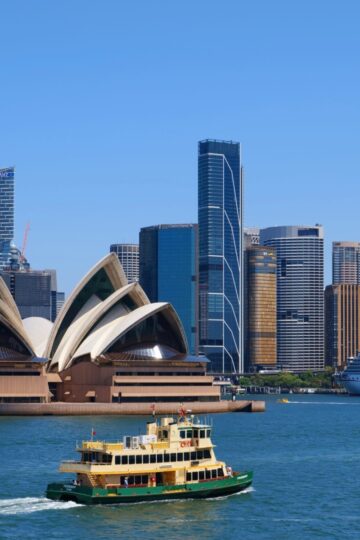

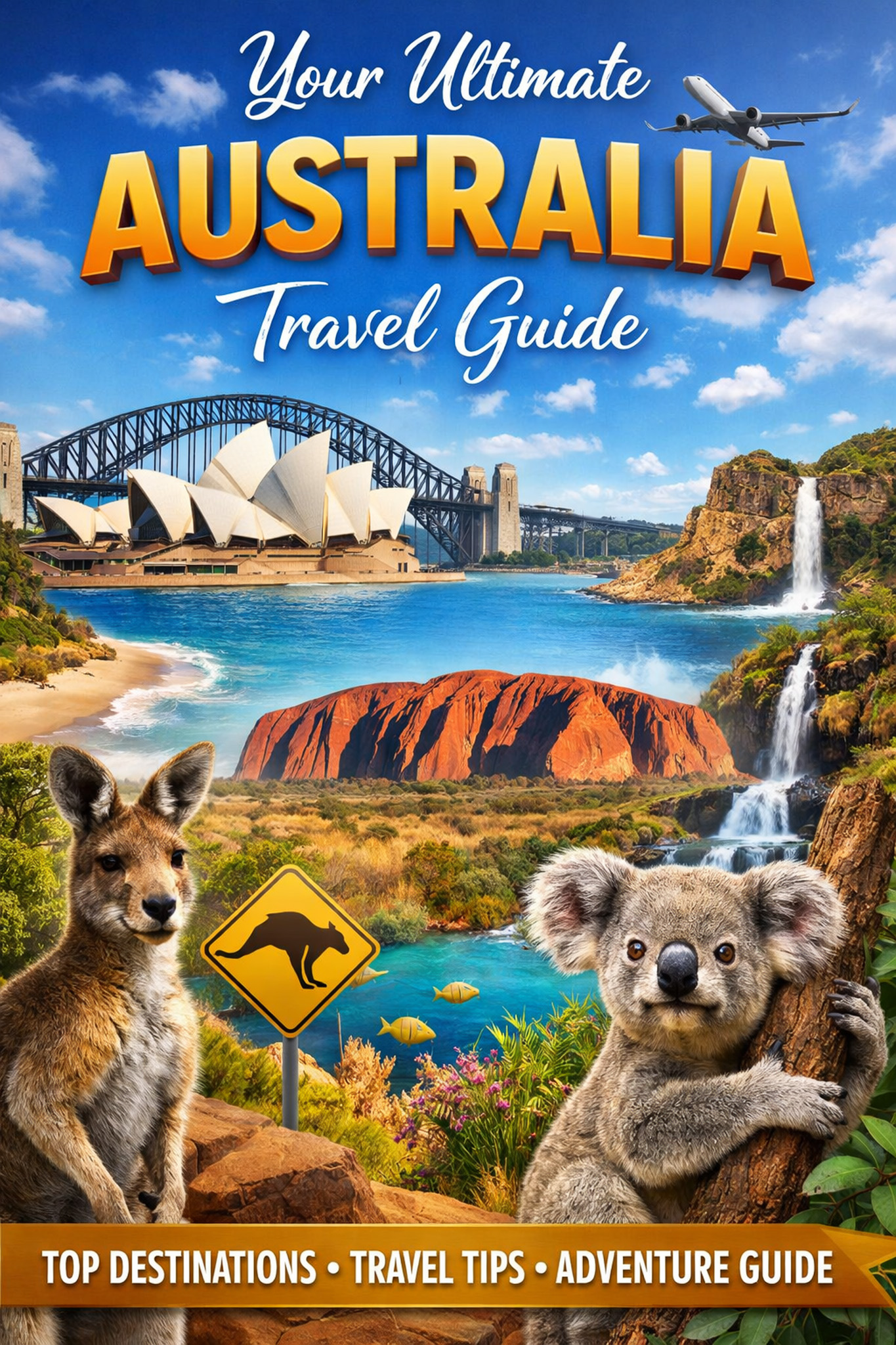
This Ultimate Australia Travel Guide is chock full of information to help you plan an amazing trip to the country with the "down under" feel and vibe.
Australia is one of the world’s most incredible travel destinations. Granted, it's on the other side of the world for people in the UK, and a long-haul flight for others in the Northern Hemisphere. But it is well worth the effort it takes to get there.
This is a country we know from TV shows like Home and Away, Neighbours, and Heartbreak High, and, of course, the Baz Luhrmann classic film Australia, starring Nicole Kidman and Hugh Jackman.
It's a place that feels familiar before you arrive, yet still manages to surprise you once you’re there. That is because it’s big, diverse, easy to travel to and around, and packed with experiences you can tick off your bucket list.
If you’re planning your first trip Down Under or returning to The “Land of Sweeping Plains” with more time to explore, this guide is for you. In it, we’ll break down how to plan your trip to the Great Southern Land, where to go, and what to expect on the ground.
One of the first decisions is choosing the best travel time to Australia, as the ideal season depends on the regions you plan to visit and whether your itinerary focuses on beaches, wildlife, cities, or the Outback.
Hopefully, it will help you make the most of your time in the sixth-largest country in the world, and the largest in Oceania.
Why Visit Australia in 2026?
As a travel destination, Australia has so much to offer. To start with, it boasts over 300 days of sunshine every year. It's also got over 10,000 beaches you can enjoy it at, and when you’re not sunbathing, you can taste the best coffee in the world.
Then, of course, it's home to the amazing Great Barrier Reef, the magnificent Uluru, and the world's largest sand island in K'gari. For those visiting the Whitsundays, Whitehaven beach tours remain one of the most breathtaking ways to experience the region.
The country also has an excellent road network, which makes renting a car in Australia very easy for absolutely anyone. You’ll also find an excellent range of holiday accommodation options, which include everything from luxury resorts and five-star hotels to cheap dorms in hostels and camping.
Australia’s fresh produce and cuisine are another exceptional part of the travel experience, where a barbie on the beach is commonplace, and snags on them is a local tradition.
What Are the Best Places to Visit in Australia?
You could ask 100 different Aussies what’s the best place to visit in the country, and there is a good chance they’ll all say something different. That is the beauty of Australia. There are just so many fantastic places you can go to.

Really, the best place for you to visit in Australia depends on what you are into. But rest assured, there are plenty of options. They include the following:
1. Cities
Most people who visit Australia tend to fly into one of its major cities. Overall, the country has six states and two territories. They include:
- New South Wales
- Queensland
- Victoria
- Western Australia
- South Australia
- Tasmania
- Northern Territory
- Australian Capital Territory
The main capital cities in each are as follows:
- Sydney
- Brisbane
- Melbourne
- Perth
- Adelaide
- Hobart
- Darwin
- Canberra (Australia’s capital city)
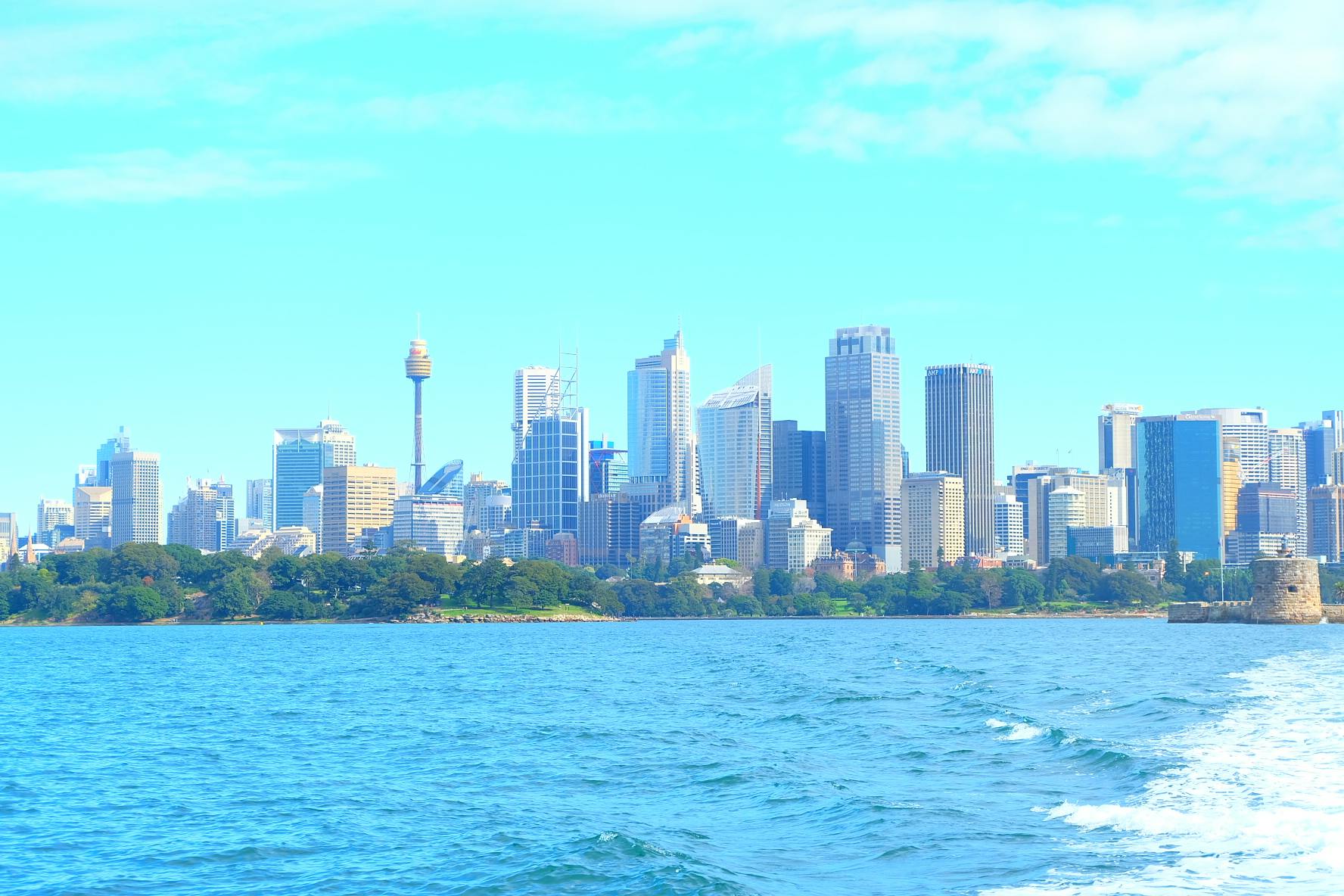
Sydney and Melbourne are world-class cities that often feature highly in lists of the best places to live in the world. That same liveability is what draws a steady stream of new arrivals from overseas every year.
Once visitors decide to settle, getting around the sprawling suburbs typically means owning a vehicle rather than relying on rentals or public transport. For those still building up an Australian credit history, Azora car loans for bad credit is one of the few specialist options available. However, all of Australia's major cities are worth visiting for different reasons, which make them unique.
2. Beach Destinations
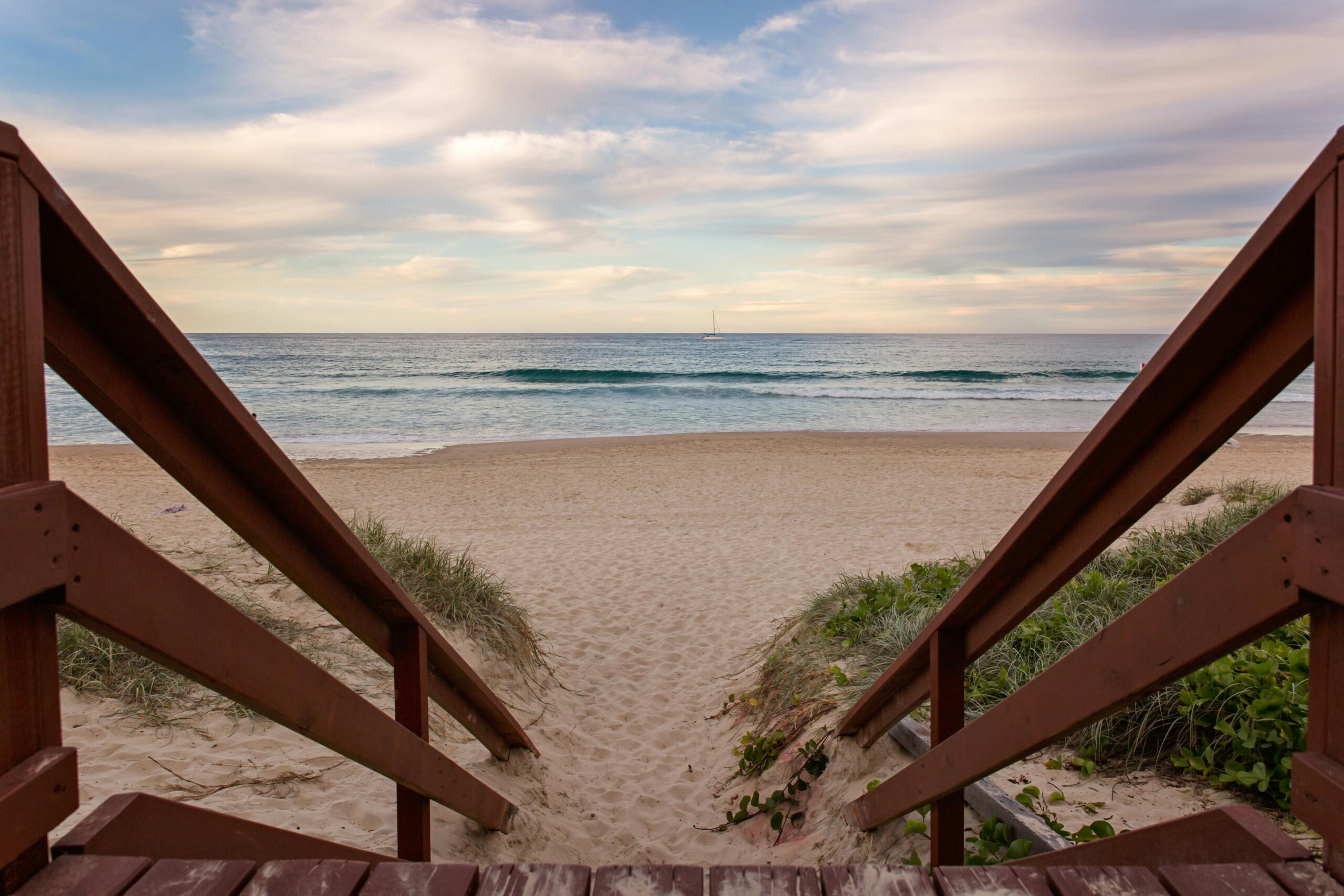
As mentioned, Australia is home to over 10,000 beaches, including Whitehaven, which was voted the best in the world by TripAdvisor in 2021.
Other famous beaches include:
- Bondi Beach (New South Wales)
- Hyams Beach (New South Wales)
- Surfer’s Paradise (Queensland)
- Noosa Beach (Queensland)
- Cable Beach (Western Australia)
- Brighton Beach (Victoria)
- Bells Beach (Victoria)
Some beaches are great for swimming and surfing, others for long walks, and plenty for sunbathing. You should be aware that some beaches might not be safe for swimming due to the presence of box jellyfish, sharks, or crocodiles. That is why it is vitally important to ALWAYS swim between flags put out by surf lifesavers.
3. Islands
Australia has over 8,200 islands, most of which are located in Western Australia. However, you can only visit around 800 of them.
The largest is Tasmania, followed by Melville Island (NT) and Kangaroo Island (SA). The most famous is K'gari (Queensland), while Rottnest Island (WA), Lord Howe Island (NSW), Phillip Island (Vic), and Hamilton Island (Qld) are well worth visiting.
These islands offer rugged coastlines, diverse landscapes, and wildlife experiences that set them apart. You can easily visit many of them on guided tours or independently. Many offer overnight accommodation, allowing you to extend your stay.
4. Nature, Wildlife, and Outback Experiences
For some people, the real drawcard of Australia is its incredible landscapes, nature, and wildlife. As a nation, the country spans around 7.688 million km². Mind-blowing, it is so big that there are parts of it humans haven’t walked on for years, possibly even centuries. Or, for that matter, ever.
Uluru (Ayers Rock) is a must-visit destination with momentous cultural significance, that create a strong sense of place. Elsewhere, national parks like Kakadu, the Blue Mountains, Flinders Ranges, and Daintree Rainforest will blow you away with their dramatic scenery.
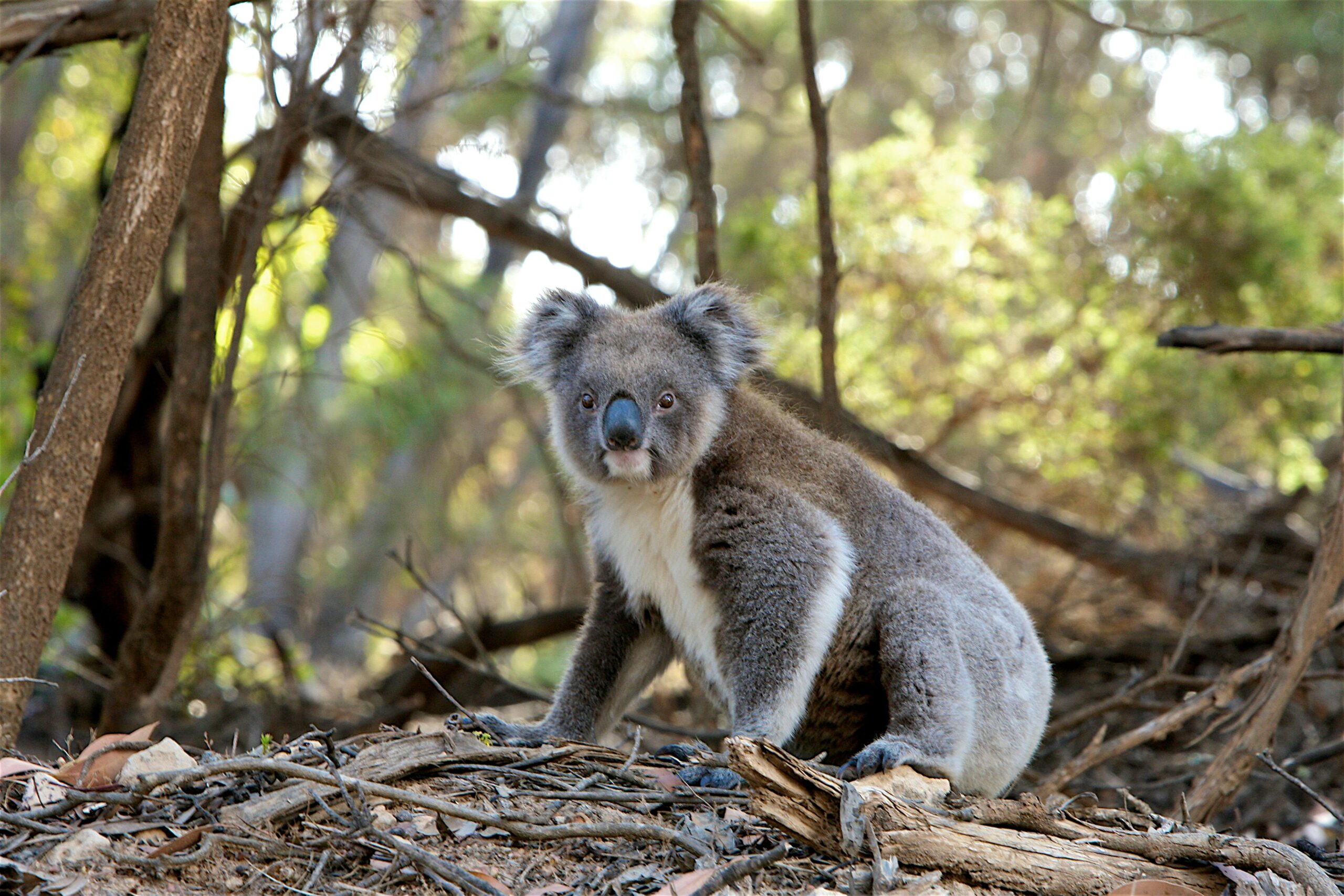
Largely due to its long geographic isolation, Australia has a high number of unique, endemic animals that are found nowhere else in the world. They include:
- Platypus
- Koala
- Tasmanian Devil
- Wombats
- Quokkas
- Echidnas
- Certain species of kangaroos and wallabies
- Birds like the Emu and Southern Cassowary
These can be seen at various locations across the country. In addition, the Great Barrier Reef spans 2300 km and is home to over 2900 individual reefs. It hosts over 1,500 fish species, 400 coral species, and countless marine mammals.
When Is the Best Time to Visit Australia?
Australia is a destination you can visit year-round. However, the best time for you to do so will depend on what type of experience you want to enjoy.
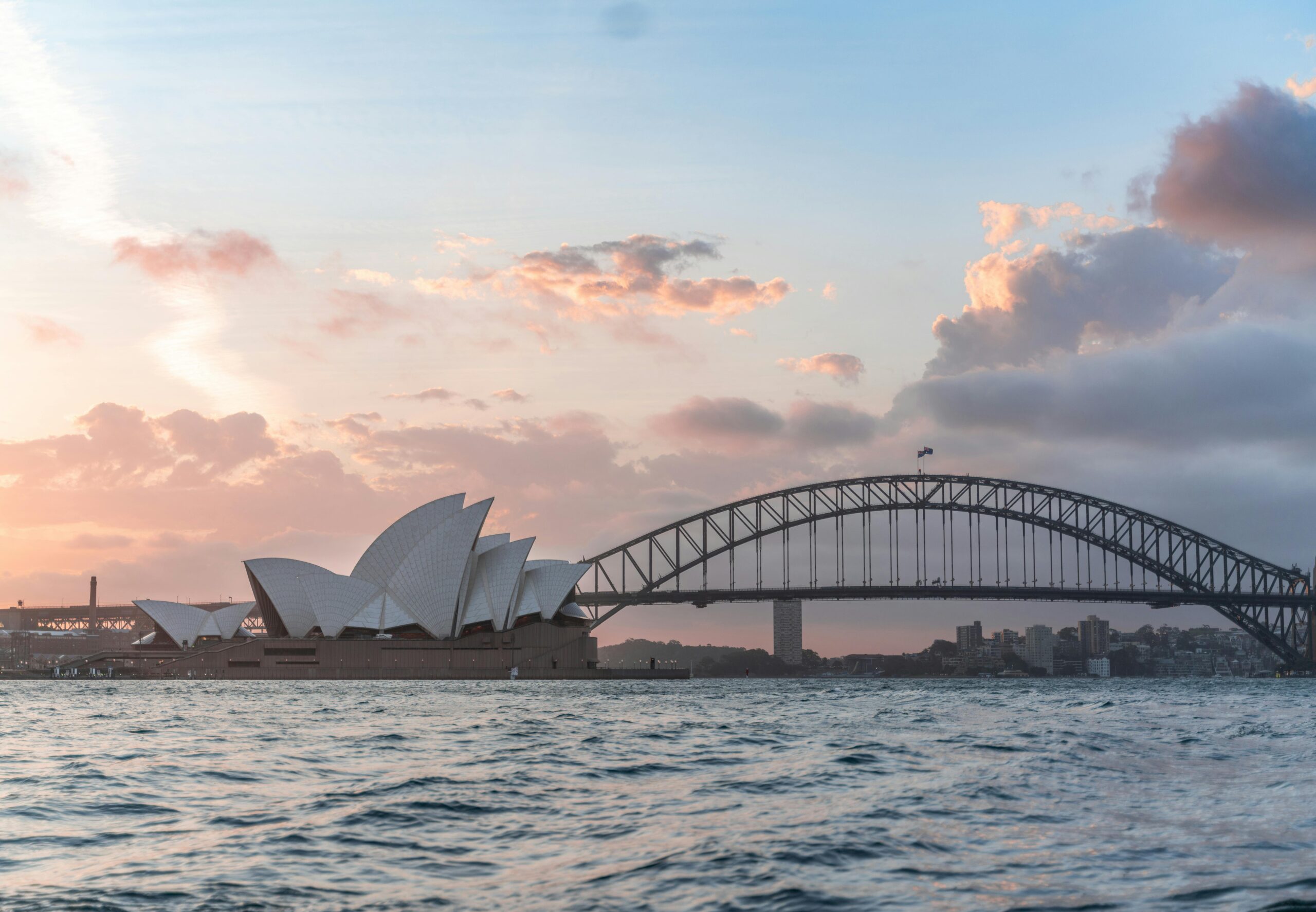
For instance, if you want to spend time on the beach, then the summer months of December to February are when the weather is at its warmest. Just make sure you wear plenty of sunscreen, a hat and stay regularly hydrated.
Of course, if you want to go skiing at one of the country’s premier resorts, such as Thredbo or Perisher, you will need to plan your trip during the winter months of June to August.
This timeframe, extending into November, is also a fantastic time to see humpback whales on their annual migration from Antarctica up to Far North Queensland. (Hervey Bay is renowned for being the “Whale Watching Capital of Australia”).
You might find the shoulder seasons between summer and winter as the best times to explore the national parks or visit the Outback.
What Travel Requirements Do You Need for Australia?
All visitors to Australia (except New Zealanders) need a visa. You can find out more about the available options on the Australian Government Department of Home Affairs website.
If your visa, working-holiday, or long-stay accommodation requires proof of income, you can generate check stubs to show accurate employee pay stub details, deductions, and net pay while in Australia. - Placement: Insert after the paragraph that begins with “Visitors must apply for a visa before travelling, as all visas are now digitally linked to passports,” and ends with “usually restricts each stay to 3 months.”
Longer stays (up to 12 months) are possible under the Subclass 600 visa.