

Anyone who has ordered the “tourist special” off a laminated menu knows the mild regret that follows. The food is fine. It's just not real. The good stuff usually lives a few streets away, past the place with English signage and dish photos taped to the window.

The trick isn't luck. It's knowing where to look and being willing to do things differently than the average traveler. Here are some genuinely useful ways to get closer to a destination's local food.
Walk Into a Regular Grocery Store Before You Do Anything Else
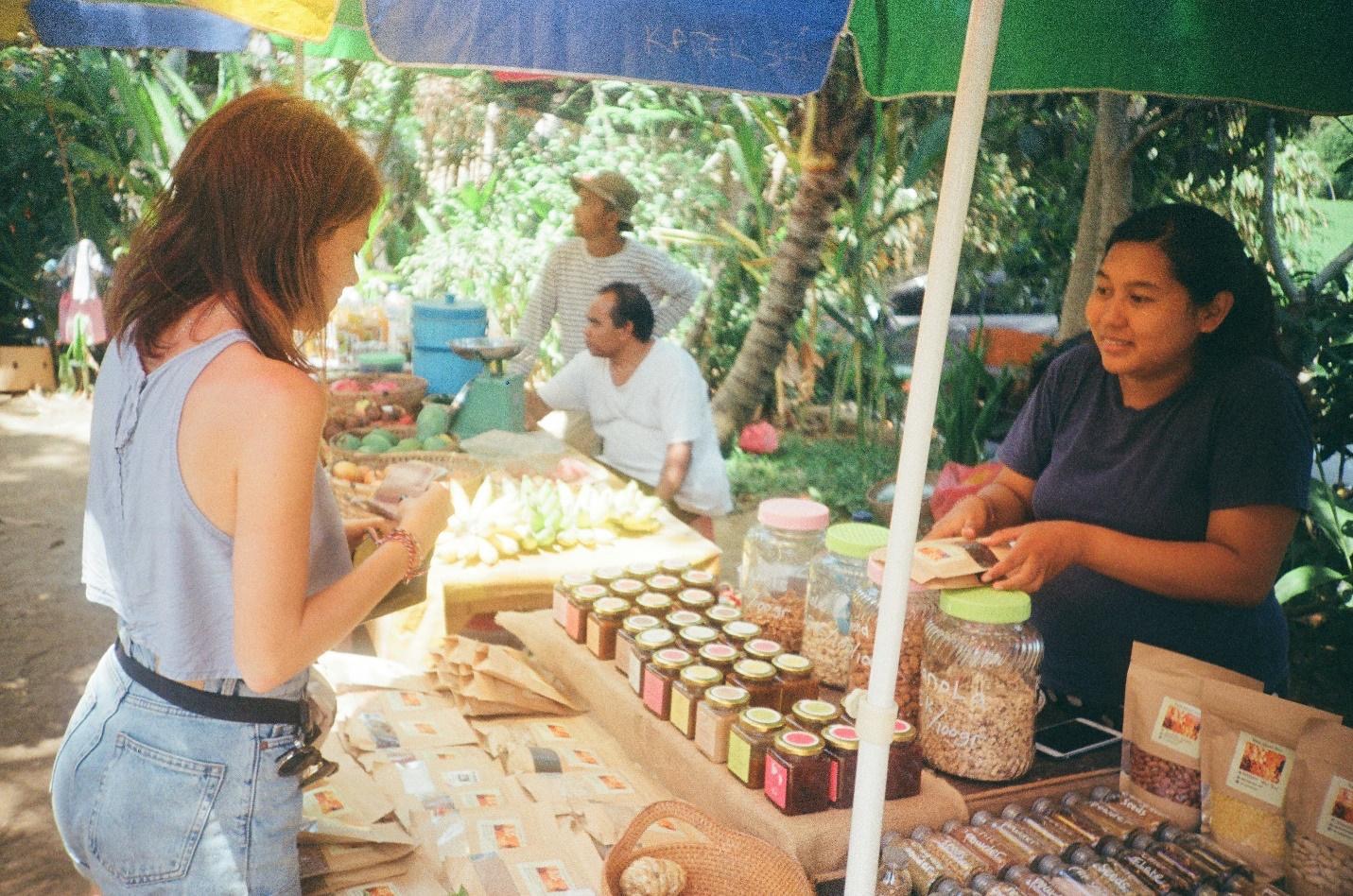
This sounds too simple to count as advice, but it's honest. A grocery store doesn't perform for tourists. The shelves are stocked for the people who live there, so you're looking at an unfiltered snapshot of what a place eats. Wander the snack aisle, check the dairy section, and look at what's piled high in the produce bins, since that tells you what's in season.
In Southeast Asia, you might spot sambal oelek next to bottles of ketjap manis, two ingredients that quietly show up in half the region's home cooking. It costs almost nothing and takes twenty minutes, but teaches you more about regional food traditions than a guidebook could.
Book a Meal Inside Someone's Actual Home
There's a kind of dish that never makes it onto a restaurant menu because it's not meant for strangers. It's the recipe a grandmother makes from memory, no measurements, just instinct, and the only way to taste that is to get invited into someone's kitchen.


Home-dining platforms have made this far easier. You sit down with a local host, often at their own table, and eat what their family has eaten for generations. It's a different experience from a restaurant, mostly because of the conversation that comes with the food. You leave with a recipe, sometimes a new friend, and a better grasp of the place's food history than any tour could offer.
Let a Boat Trip Double as a Food Crawl
Not every food adventure happens on foot or at a table. Sometimes the best version moves at the pace of a slow river. Cambridge is a good example. Rather than treating punting as just a scenic float past old colleges, you can turn it into a picnic on water by booking one of the customisable Cambridge punting tours, where snacks, pastries, or full meals get added into the itinerary.
It's a clever way to combine two things that don't usually overlap: the slow pace and splash of the pole against the riverbed, plus the chance to eat well without interrupting the trip. Other destinations have their own version, whether it's a gondola in Venice with a stop for cicchetti or a riverboat in Bangkok pulling up to a floating market.
Follow the Longest Line, Not the Nicest Sign
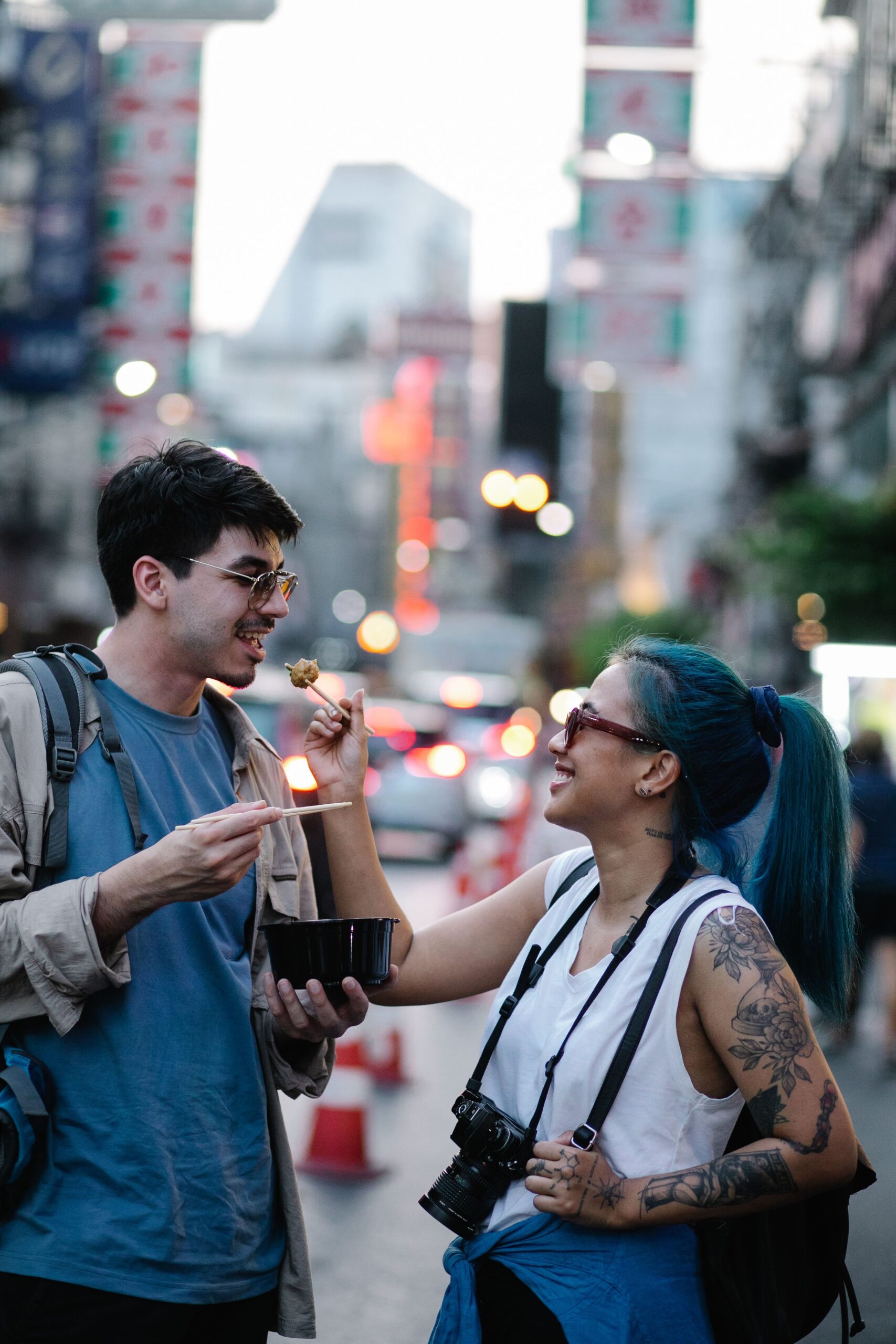
When you're facing a row of unfamiliar street food stalls, skip the instinct to pick whichever one looks cleanest. Look for the line instead. A stall with a steady stream of local customers turns over food fast, which means freshness and food safety you can trust.
This holds up everywhere from a Thai night market along Yaowarat Road in Bangkok to roadside stands in Mexico City, where if everyone around you is genuinely hungry, tengo hambre, and willing to wait, that's a recommendation written in real time.
Take a Cooking Class That Starts at the Market, Not the Stove
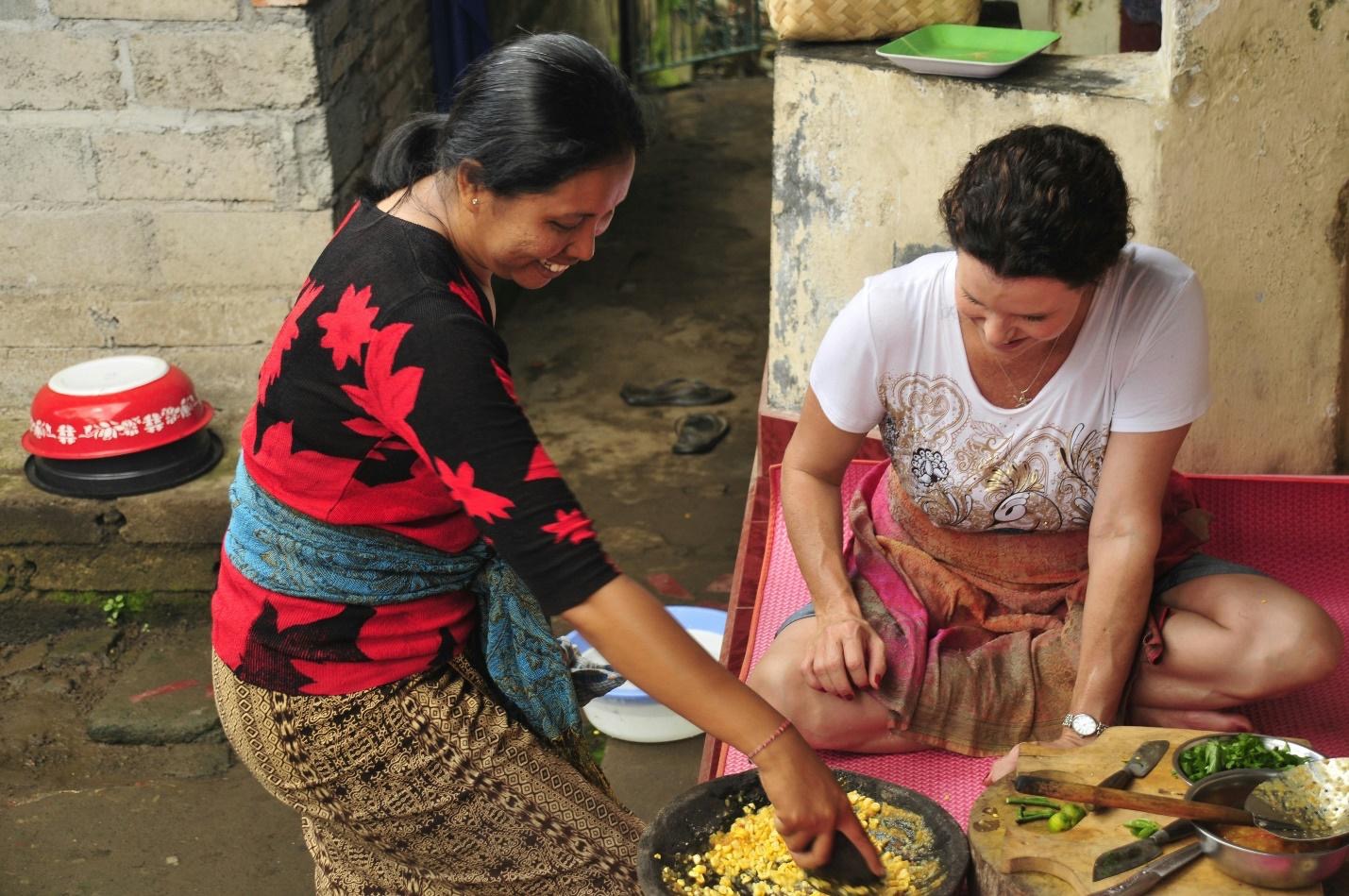
A lot of cooking classes hand you pre-chopped ingredients and walk you through a script. The better ones start an hour earlier, in a market, where you pick your own produce, meet the food producers selling it, and learn why a specific cut of fish or chili matters to the dish ahead.
This teaches you something a recipe card never will: how to shop and cook the way a local does. Whether you learn to fold dumplings in Hong Kong or fry up a plate of rice with meat and vegetables in Indonesia, you walk away with a skill instead of just a full stomach.
Plan a Dinner That Happens in Three Different Neighborhoods
Instead of picking one restaurant and staying put for two hours, try splitting the meal up. Have appetizers in one part of town, move to a second neighborhood for the main course, then finish dessert somewhere else entirely.
This progressive approach pushes you out of the tourist core and into pockets of the city you'd otherwise skip, giving you a far better sense of how a city's neighborhoods differ, not just in food but in atmosphere.
Walk a Few Blocks Past the Monument
The single easiest upgrade to any food experience while traveling costs nothing and takes ten minutes. Whatever landmark or main square you're near, keep walking.
Restaurants within sight of a major monument tend to get business regardless of quality, since most customers will never come back anyway. A few streets over, you'll usually find places with handwritten menus, no English translation, and a dining room full of regulars. That's where the food gets interesting again.
Travel changes once food stops being a side errand and becomes part of the adventure itself. Try even two or three of these on your next trip, and the difference shows up almost immediately.