
Keeping a garden healthy is easier when your watering system does its job without making you think about it. In warm places with long growing seasons even small irrigation problems can show up fast in your lawn and flower beds.
If your yard looks uneven or your water bill seems higher than expected, your sprinklers may be asking for attention. A few simple checks can help you catch problems early and keep your plants in better shape.

Spot Trouble Early
If you notice patchy grass, soggy corners, or sprinkler heads that barely spray, it may be time to look into professional sprinkler repair in Fort Myers to restore even watering. A system does not need to fail completely to cause problems. Small issues often build slowly, and your yard usually gives you clues before anything dramatic happens.
One of the easiest signs to spot is inconsistency. Part of the lawn may look thirsty while another area stays too wet. You might also see water pooling near a head or running across the walkway instead of soaking into the soil. In some cases, the only warning is a water bill that creeps up without a clear reason.
A quick walk around the yard once or twice a week can tell you a lot. When you catch trouble early, you usually have more options and fewer surprises.
Check The Spray Pattern
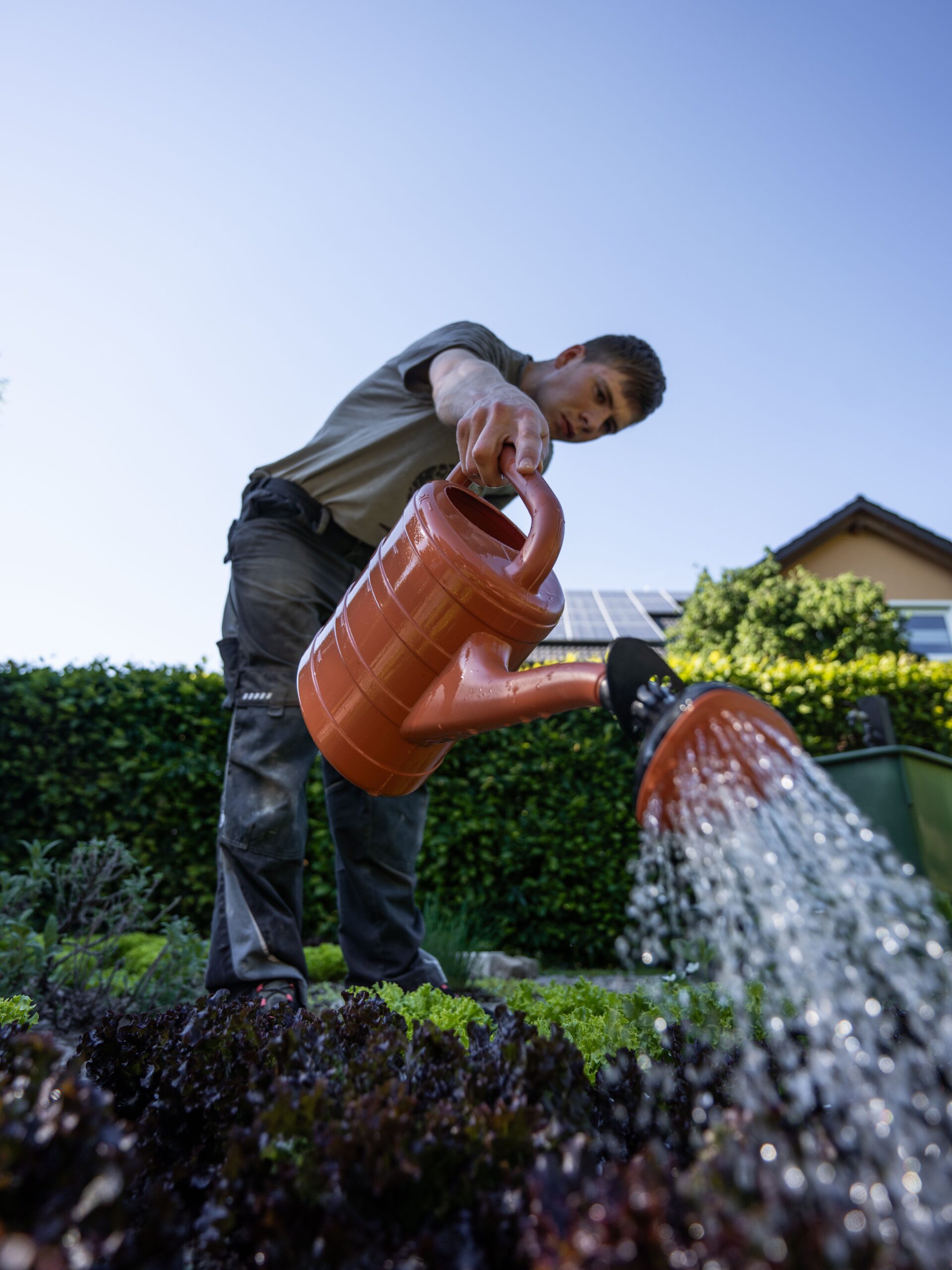
A short sprinkler test can reveal more than you might expect. Turn on one zone at a time and stand back for a minute. You are looking for a smooth, even spray that reaches the intended area without blowing into the street, hitting the fence, or creating a fine mist that disappears into the air.
If one head shoots much farther than the others, that zone may not be balanced well. If another head dribbles or sprays sideways, it may be blocked, damaged, or tilted out of place. Dirt, grass clippings, and mulch can also get in the way and change the spray pattern.
This kind of visual check is helpful because sprinkler issues are often easy to see once the water is running. You do not need special tools to notice that one section is doing all the work while another section has clearly clocked out for the day.
Watch Your Water Use
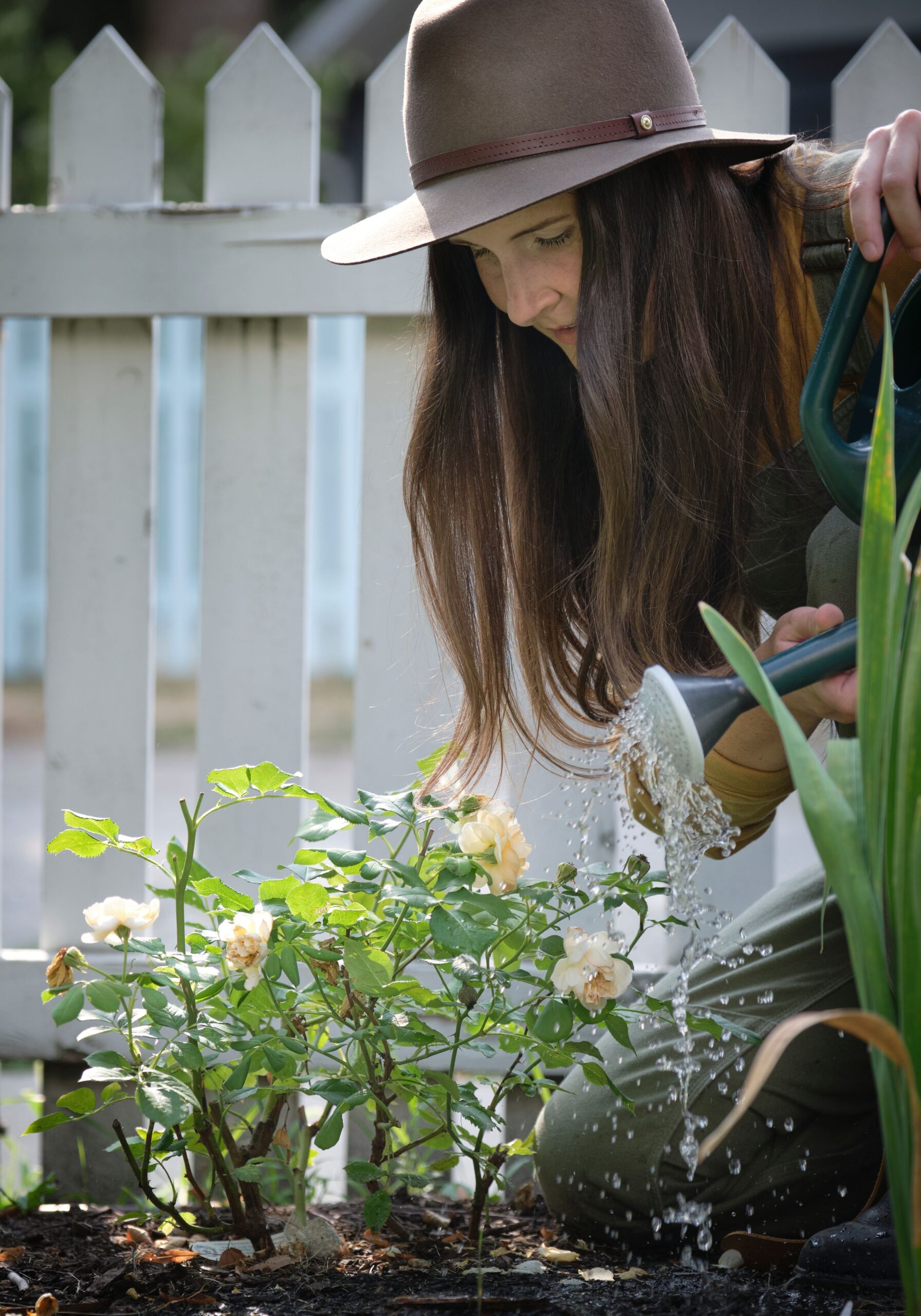
Your sprinkler system affects more than the look of your yard. It also plays a big role in how much water your home uses each week. If a zone runs too long, leaks underground, or sprays where it should not, the waste can add up quickly.
Look for signs that water is being used without helping your plants. Soil that stays muddy long after watering is a clue. Water flowing onto driveways or sidewalks is another. If the system turns on more often than needed, your yard may be getting repeated light watering instead of the deeper soak that many plants prefer.
You can also compare your usual water bill from month to month. A jump in use during the same season may point to an irrigation problem. Paying attention to these patterns helps you act sooner and keeps your garden care tied to what your yard actually needs.
Protect Your Plants
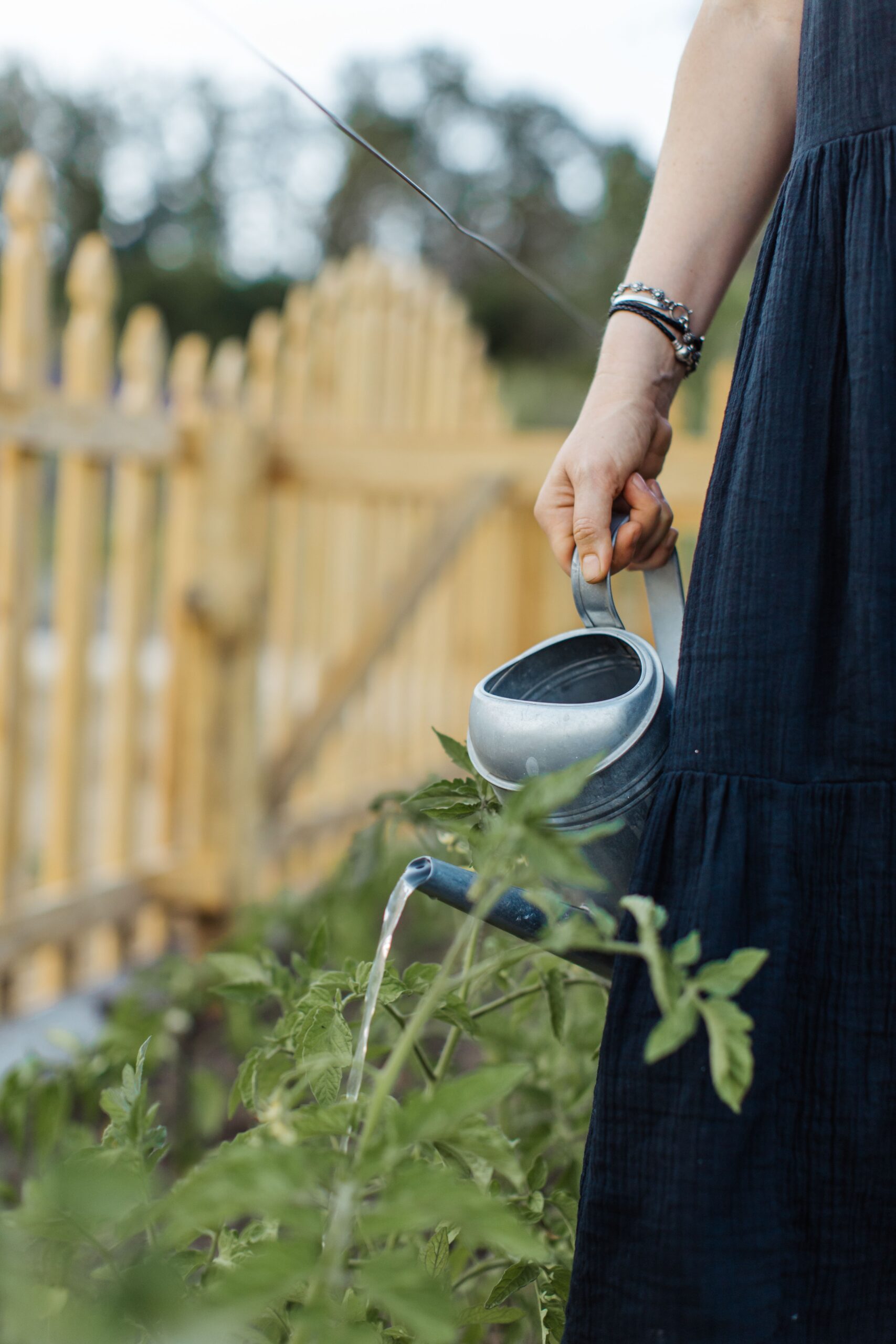
Plants respond to watering problems in different ways, which is why sprinkler issues can be confusing at first. One flower bed may look overwatered while a nearby patch of grass looks dry. That mixed result often means the system is applying water unevenly.
Too little water can lead to brittle grass, drooping leaves, and slow growth. Too much water can be just as hard on the garden. Roots may struggle, leaves may yellow, and damp soil can create conditions that many plants do not enjoy for long. Even hardy shrubs can begin to look tired when watering is inconsistent.
While you sort out the cause, keep an eye on the most vulnerable areas. Containers dry out quickly. New plantings need steady moisture. Mulch can help hold moisture in place and reduce stress on the soil. The goal is not perfect gardening. It is giving your plants a fair chance while your irrigation catches up.
Know When To Call
Some sprinkler problems are simple to spot but not always simple to solve. A head that is buried in grass or knocked crooked by yard work may be an easy fix. Repeating leaks, weak pressure across a zone, or water bubbling up from the soil usually point to something deeper in the system.
This is where it helps to be realistic. If a problem keeps returning after basic cleanup and observation, there may be a broken line, a valve issue, or pressure trouble that needs proper diagnosis. The same goes for zones that fail to turn on or shut off correctly. Those are not good problems to guess your way through.
Homeowners may also need to consider professional drain cleaning Port St. Lucie services if water is backing up near outdoor drains or plumbing fixtures, as these problems usually fall outside the irrigation system.
Calling a professional can save time, prevent waste, and protect your landscape from weeks of uneven watering. It also helps when you want a clear answer instead of trying to decode what your yard is attempting to tell you.
Build A Better Routine
The best way to avoid bigger sprinkler issues is to make quick checks part of your normal garden routine. You do not need a long checklist. A little consistency goes a long way. Run each zone now and then, especially when the season changes or the weather shifts from mild to hot.
It also helps to clear away grass, leaves, and mulch that collect around sprinkler heads. After storms or lawn work, take another look to make sure nothing was bumped, buried, or cracked. If you adjust watering times, watch how the yard responds instead of setting it and forgetting it for months.
A healthy garden usually comes from small habits done regularly. When you stay aware of how your system is performing, you can catch problems earlier, use water more wisely, and keep your yard looking cared for without turning maintenance into a major project.