
Nepal holds a special place in the hearts of trekkers worldwide. The mere mention of the Himalayas conjures images of snow-capped peaks, prayer flags fluttering in mountain winds, and trails winding through ancient villages where time moves differently.
But here's the challenge first-time Nepal trekkers face: choosing which trek to do when you have limited vacation time and dozens of world-class routes competing for attention.
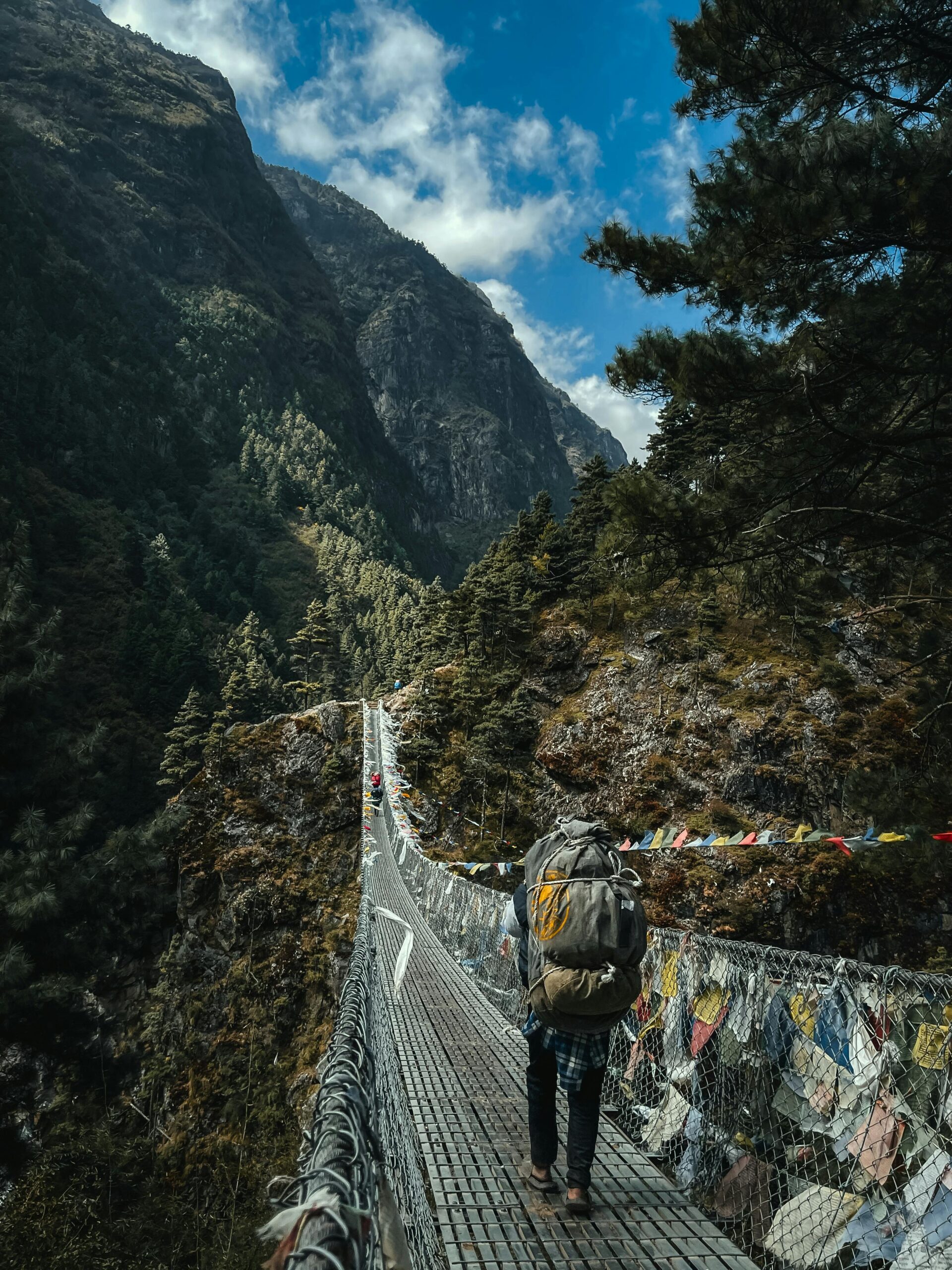
Three names dominate the conversation—Everest Base Camp, Annapurna Circuit, and Langtang Valley—and for good reason.
I've completed all three over multiple trips to Nepal, and each delivered something completely different. One tested my altitude limits beneath the world's highest peak. Another showcased landscape diversity I didn't know existed in a single trek. The third surprised me with accessibility and authentic cultural immersion just hours from Kathmandu.
What These Three Treks Represent:
- Nepal's most developed trekking infrastructure and proven routes
- Different expressions of Himalayan beauty (iconic peaks vs diverse landscapes vs accessible culture)
- Varying difficulty, duration, and cost to match different trekker profiles
- Tested itineraries with established tea house networks and guide expertise
The "best" trek doesn't exist—only the right trek for your circumstances, priorities, and what moves you about mountains. Here's the honest comparison I wish someone had given me before my first Nepal adventure.
Everest Base Camp Trek: Iconic Himalayan Challenge
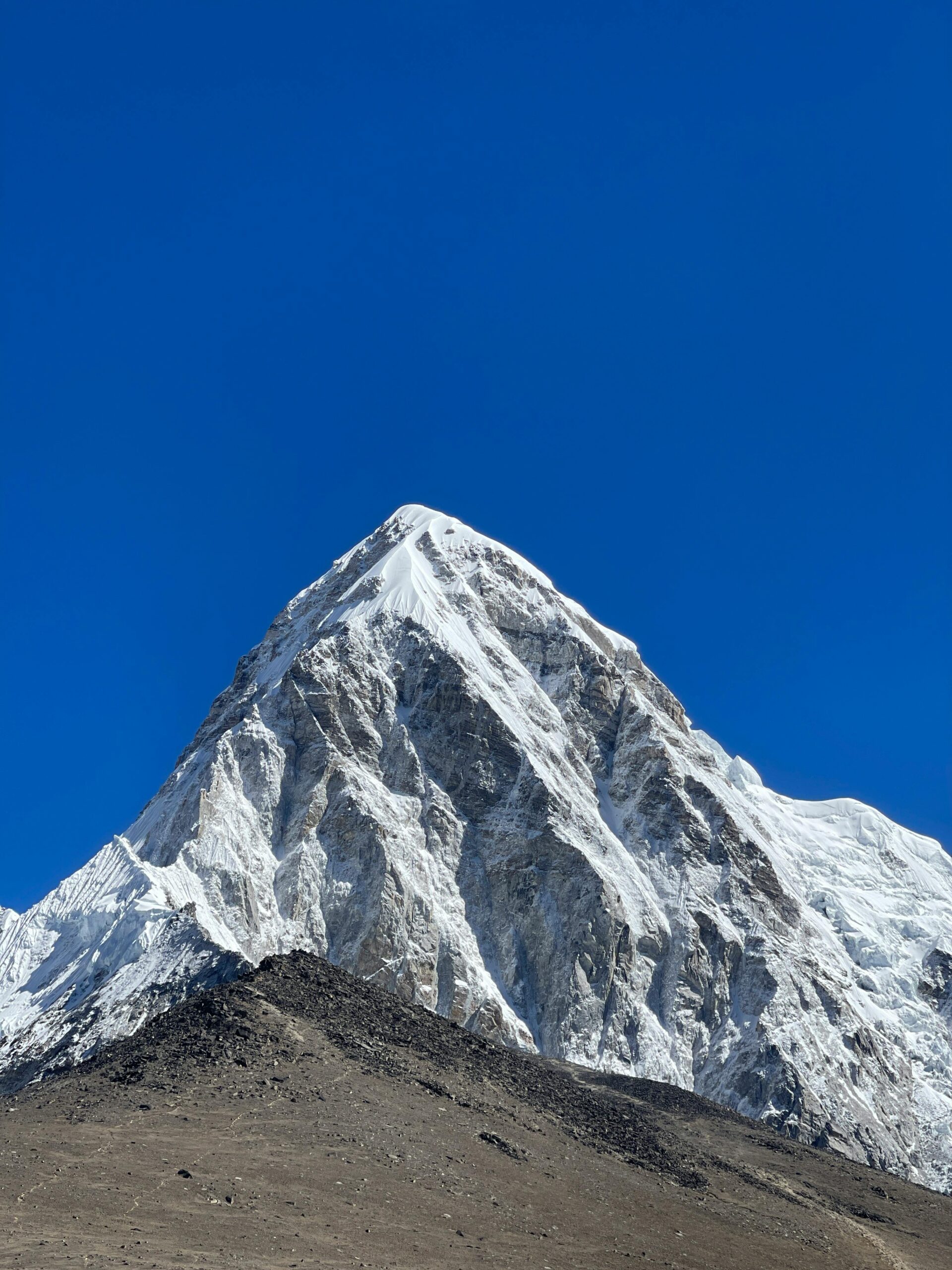
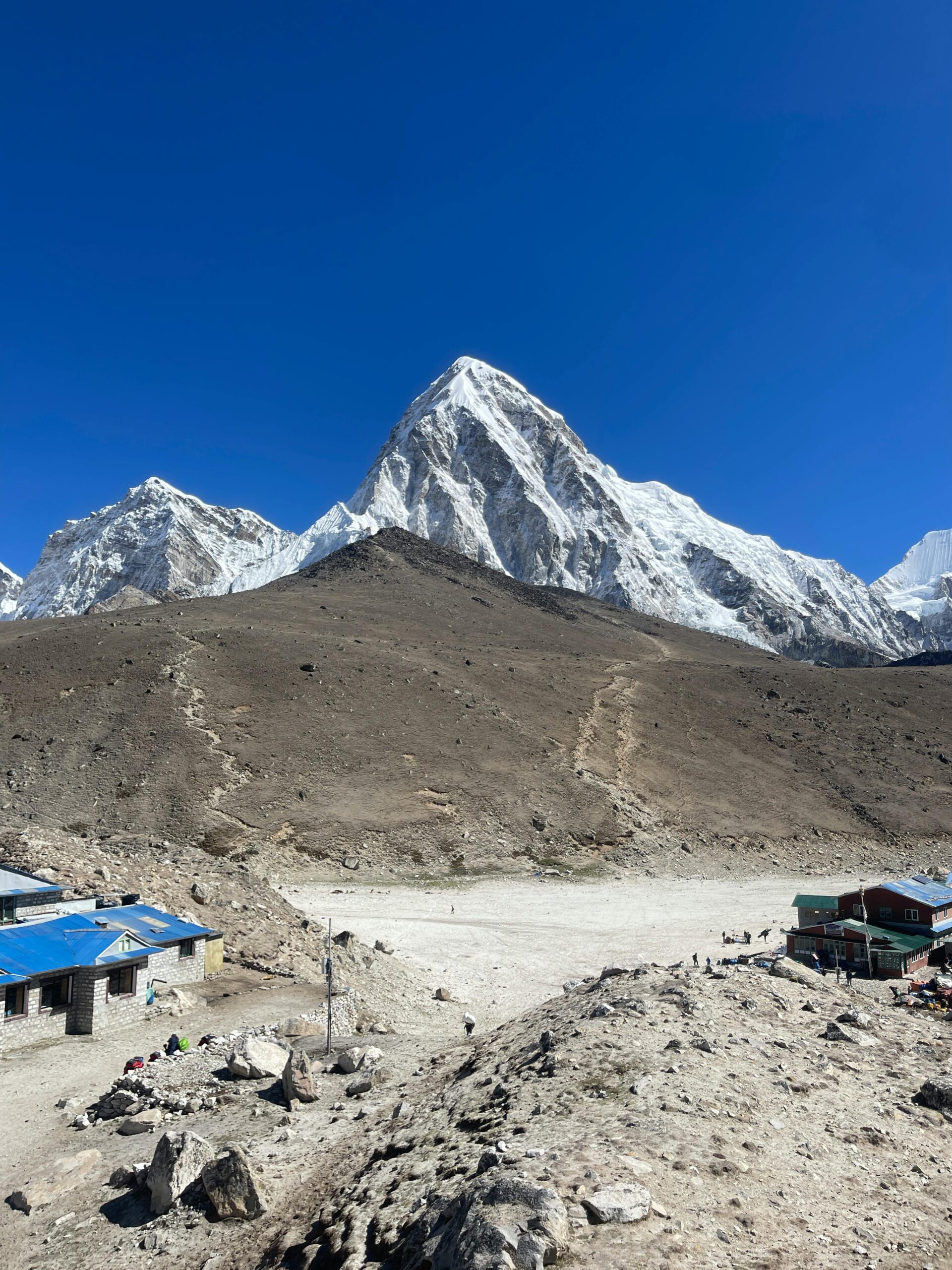
Nothing quite matches standing at Everest Base Camp (5,364m) knowing the world's highest mountain rises directly above. This trek delivers exactly what it promises—the chance to walk to the foot of Everest following the route Tenzing Norgay and Edmund Hillary pioneered.
The journey starts with the legendary Lukla flight, possibly the world's most dramatic airport landing. From there, you trek through Sherpa heartland—villages like Namche Bazaar, Tengboche, and Dingboche where mountain culture thrives alongside tourism. The trail climbs steadily, and altitude becomes the defining challenge.
Everest Base Camp itself can feel anticlimactic (it's essentially a rocky moraine when expedition camps aren't pitched), but the journey transforms you. Watching sunrise from Kala Patthar (5,545m) with Everest, Lhotse, and Nuptse catching first light remains one of trekking's truly transcendent experiences.
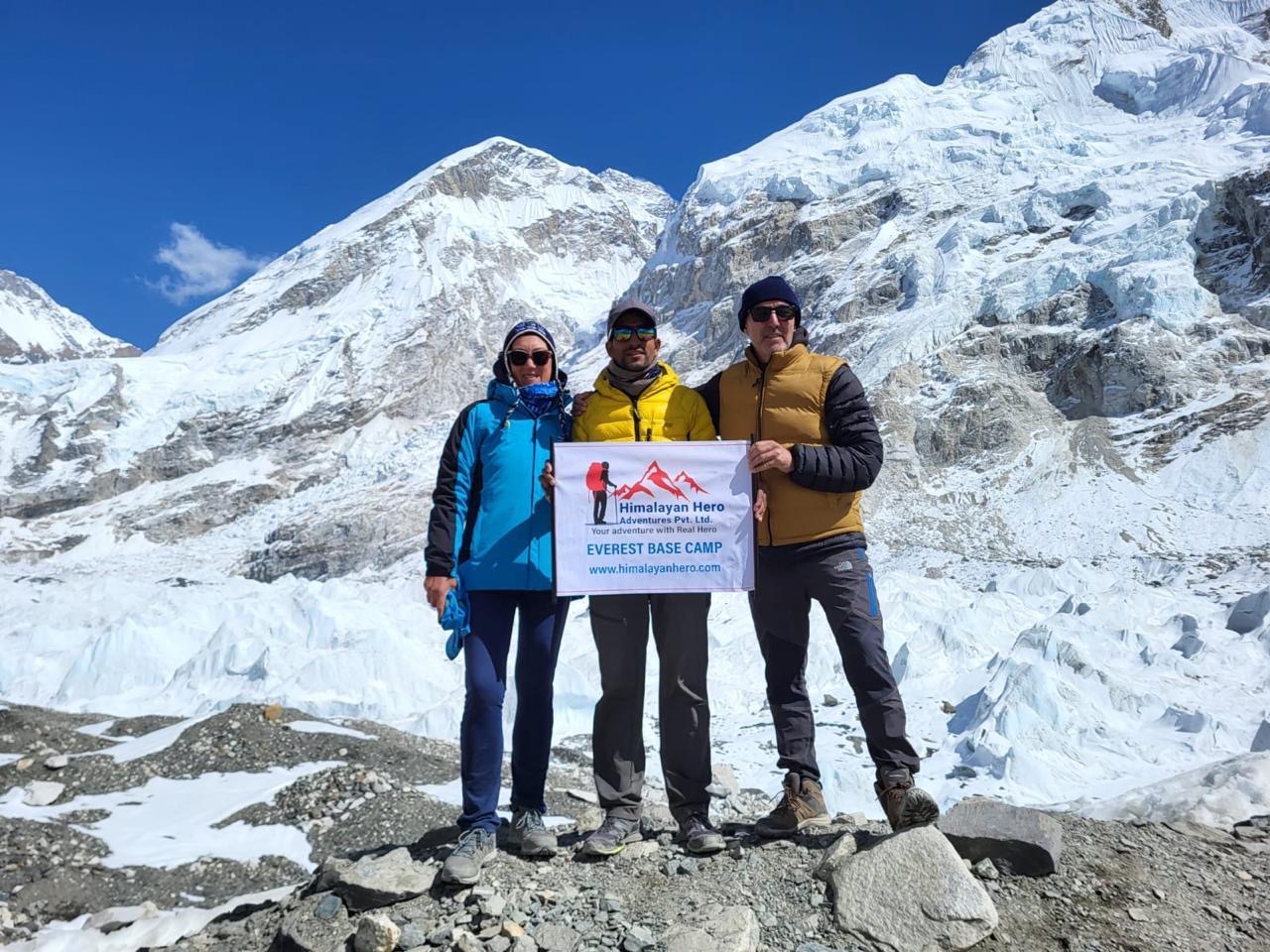
Everest Base Camp Essentials:
- 12-14 days total trekking time
- Maximum altitude: 5,545m at Kala Patthar viewpoint
- Lukla flight required ($400-500 round trip, weather dependent)
- Well-developed tea houses throughout
- Crowded during peak season (October-November)
For those committed to the Everest dream, this comprehensive Everest Base Camp trekking guide provides detailed daily itineraries, acclimatization strategies, and realistic cost breakdowns for proper planning.
The challenge here is real—altitude affects everyone differently, and you're ascending to serious heights. But the infrastructure exists to support you, guides know the route intimately, and helicopter rescue is accessible if emergencies arise.
Annapurna Circuit Trek: Diverse Landscape Masterpiece
If Everest represents iconic peak pursuit, Annapurna Circuit showcases Nepal's unmatched landscape diversity compressed into a single journey. This circuit trek circumnavigates the Annapurna massif, and the variety astounds—you pass through five distinct climate zones from subtropical rice paddies to high-altitude desert.
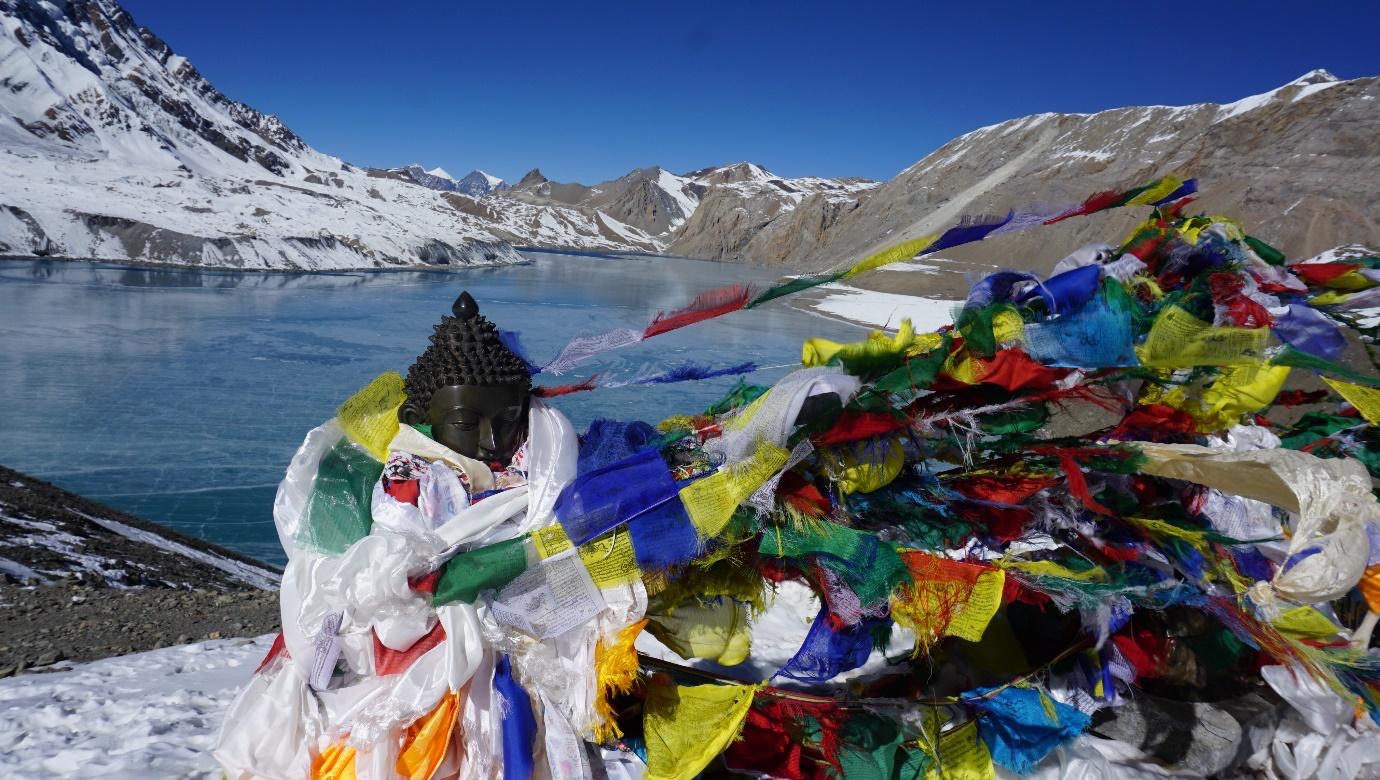
The magic lies in constant transformation. You start among banana trees and terraced farmlands, climb through rhododendron forests alive with birdsong, traverse alpine meadows, cross the dramatic Thorong La Pass (5,416m), then descend into arid terrain resembling the Tibetan plateau. Few treks anywhere deliver such ecological and cultural transitions.
The circuit has evolved with road construction affecting lower sections, but starting higher (Chame or Manang) preserves the classic high-route experience. The Manang valley provides perfect acclimatization with stunning mountain scenery, while Muktinath's pilgrimage temple adds spiritual dimension beyond pure trekking.
Annapurna Circuit Highlights:
- 14-21 days, depending on the starting point and variations
- Maximum altitude: 5,416m at Thorong La Pass
- Option to add Tilicho Lake side trip (4,919m)
- Excellent tea house network with diverse menus
- Cultural diversity from Hindu to Buddhist to Tibetan communities
Understanding route options and daily logistics makes or breaks Annapurna planning—this detailed Annapurna Circuit trek itinerary breaks down variations, acclimatization schedules, and what to expect at different circuit sections.
The pass-crossing day (8-10 hours) challenges you, but the sense of journey completion from walking a true loop where you never retrace steps creates satisfaction beyond point-to-point routes.
Langtang Valley Trek: Accessible Cultural Immersion
Langtang surprised me more than any Nepal trek. Just 40 kilometers north of Kathmandu, this valley delivers legitimate Himalayan trekking without flights, extended time commitments, or Everest-level costs—yet feels worlds away from tourist trails.
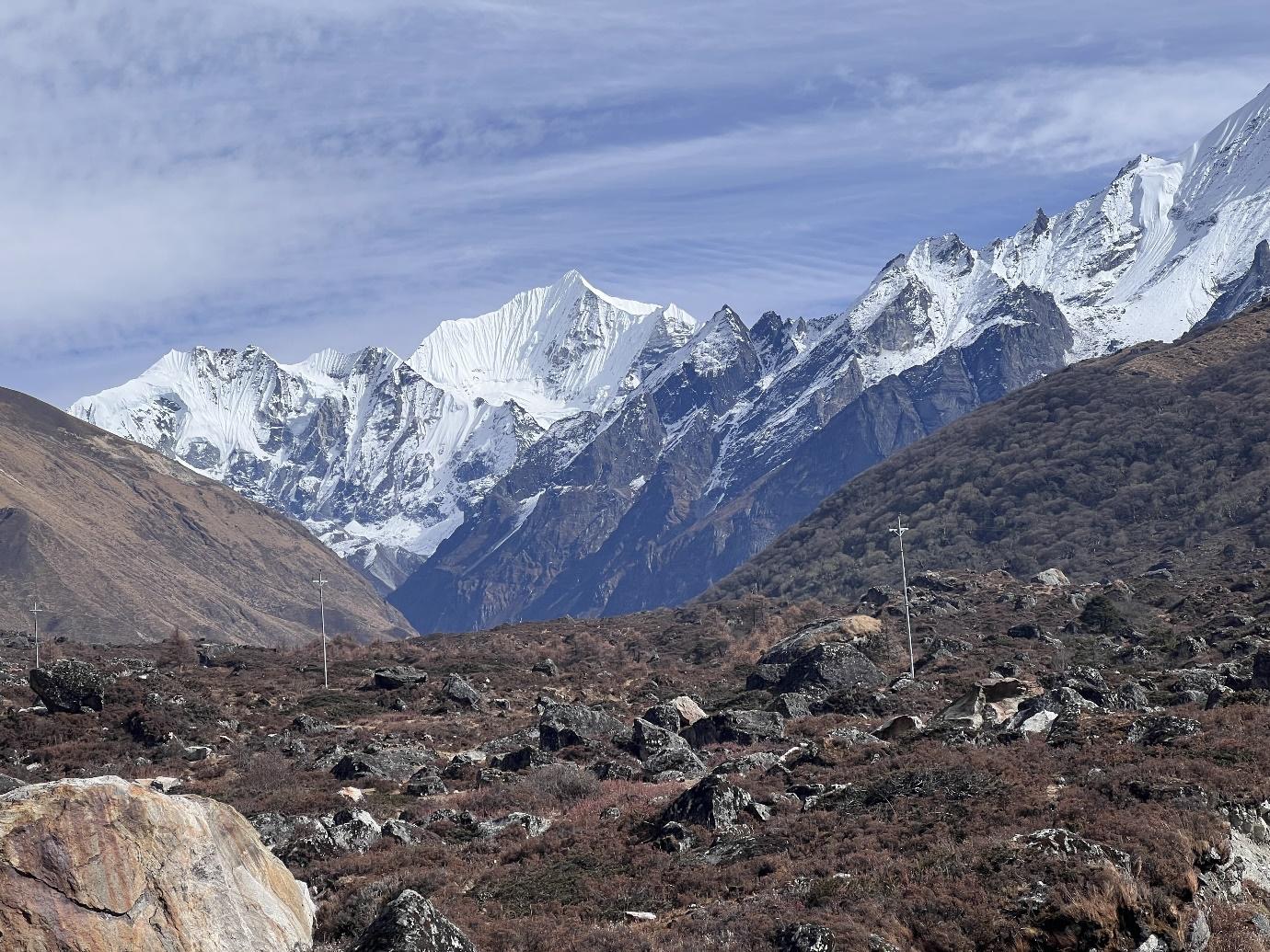
The trek follows the Langtang River through forests and Tamang villages rebuilt after the devastating 2015 earthquake. Communities have reconstructed with remarkable resilience, and supporting their tea houses adds meaningful purpose beyond personal adventure. The valley's intimacy creates a different mountain experience—you're surrounded by peaks rather than walking toward distant giants.
Kyanjin Gompa (3,870m) serves as the valley's cultural heart. From here, you can summit Tserko Ri (4,984m) or Kyanjin Ri (4,773m) for panoramas rivaling famous viewpoints elsewhere. The traditional yak cheese factory, operating for decades, adds a quirky cultural element you won't find on more commercialized routes.
Langtang Valley Appeal:
- 7-10 days total trek duration
- Maximum altitude: 4,984m at Tserko Ri viewpoint
- Road access from Kathmandu (7-8 hour drive, no flights needed)
- Significantly fewer crowds than Everest or Annapurna
- Rich Tamang culture with Buddhist monastery visits
- Lower overall costs
Complete planning information, including daily elevation profiles and village accommodation details, can be found in this Langtang Valley trek guide, particularly helpful for understanding acclimatization in the valley's compact geography.
What Langtang lacks in name recognition, it makes up for with authenticity. You'll share meals with tea house families, experience village life less affected by mass tourism, and enjoy spectacular mountain scenery without the crowds competing for photos.
Key Differences: Making Your Decision
Choosing between these three treks requires understanding how they differ across factors that actually affect your experience. Here's the honest comparison.
Difficulty Level
Everest Base Camp: Strenuous due to altitude (5,545m maximum). The challenge is primarily altitude management—the walking isn't technically difficult, but thin air affects everyone. Success requires a proper acclimatization pace.
Annapurna Circuit: Strenuous due to duration and distance (160-230km total depending on route). Sustained multi-day trekking demands endurance. The Thorong La Pass crossing adds an altitude challenge, though lower than Kala Patthar.
Langtang Valley: Moderate to strenuous. Shorter duration and lower maximum altitude (4,984m) make it more accessible. Steeper daily ascents than Everest, but a compressed timeframe reduces cumulative fatigue.
Duration and Time Commitment
- Everest: 12-14 days trekking + 2-3 days Kathmandu = 14-17 days total
- Annapurna: 14-21 days trekking + 2-3 days Kathmandu = 16-24 days total
- Langtang: 7-10 days trekking + 2-3 days Kathmandu = 9-13 days total
Winner for short vacations: Langtang fits the standard two-week vacation window comfortably.
Cost Comparison
Everest Base Camp: $1,400-2,500 guided packages
- Lukla flights add $400-500
- Higher accommodation/food costs in the Khumbu region
- Helicopter rescue insurance essential
Annapurna Circuit: $1,000-1,600 guided packages
- No required flights (optional Jomsom flight out)
- Lower daily costs than Everest
- Longer duration increases total food/accommodation spend
Langtang Valley: $500-800 guided packages
- No flight costs (drive from Kathmandu)
- Lower tea house prices
- Shorter duration = lower total cost
Winner for budget: Langtang costs 40-60% less than Everest.
Accessibility and Logistics
Everest: Requires Lukla flight (weather delays common, stressful) Annapurna: Drive to Besisahar or optional fly to Jomsom (flexible) Langtang: Simple drive from Kathmandu (most straightforward)
Winner for stress-free logistics: Langtang eliminates flight uncertainty.
Crowd Levels
Everest: Heavy crowds October-November (200-300 trekkers daily on popular sections) Annapurna: Moderate crowds, distributed across longer circuit Langtang: Light crowds year-round (10-20x fewer trekkers than Everest)
Winner for solitude: Langtang provides genuine quiet on trails.
Scenic Experience
Everest: Iconic peak focus—Everest, Lhotse, Ama Dablam dominate Annapurna: Landscape diversity—forests, deserts, gorges, passes, villages Langtang: Valley intimacy—surrounded by peaks, less "big mountain" drama
Winner depends on preference: Everest for iconic peaks, Annapurna for variety, Langtang for immersion.
Which Trek Is Right for You?
Match trek characteristics to your circumstances and what excites you about mountain travel.
Choose Everest Base Camp if:
You want the iconic Everest experience and can handle serious altitude. You have 14-17 days total, and the budget allows $2,000-2,500. The Lukla flight adventure appeals rather than stresses you. Crowds don't diminish your experience. Standing at the base of the world's highest mountain fulfills a specific dream.
Choose Annapurna Circuit if:
You want maximum landscape diversity and have 16-24 days available. You prefer long-distance trekking over high-altitude challenges. Cultural transitions from Hindu to Buddhist to Tibetan interest you. You want the satisfaction of completing a true circuit loop. The Thorong La pass crossing motivates you without requiring Everest-level altitude.
Choose Langtang Valley if:
You have 9-13 days total (fits standard vacation). You want legitimate Himalayan trekking without extreme altitude stress. Budget is a priority—you'll save $1,000+ versus Everest. You prefer quieter trails with authentic cultural encounters. You want to avoid flight logistics and weather delays. Supporting earthquake-affected communities adds meaning.
For First-Time Himalayan Trekkers:
Langtang provides ideal introduction—manageable duration, moderate altitude, straightforward logistics. Success here builds confidence for future ambitious treks. Annapurna offers next step up, while Everest represents serious commitment best attempted with previous high-altitude experience.
Best Time to Trek Each Route
Spring Season (March-May):
- All three treks excellent
- Warming temperatures, rhododendrons blooming lower elevations
- Clear views most days, occasional afternoon clouds
- Annapurna Circuit particularly beautiful in spring
Autumn Season (September-November):
- Peak season for all three treks
- Crystal-clear post-monsoon visibility
- Stable weather, comfortable daytime temperatures
- Everest and Annapurna most crowded October-November
- Langtang remains relatively quiet even in peak season
Winter (December-February):
- Possible but challenging on Everest and Annapurna (extreme cold, snow-closed passes)
- Langtang more accessible in winter with lower altitude
Monsoon (June-August):
- Not recommended for any of these treks (heavy rain, leeches, obscured views)
Practical Tips for Trekking in Nepal
Regardless which trek you choose, certain fundamentals apply across all Himalayan trekking.
Permits and Regulations:
- Everest: Sagarmatha National Park permit ($30) + TIMS card ($20)
- Annapurna: ACAP permit ($30) + TIMS card ($20)
- Langtang: Langtang National Park permit ($30) + TIMS card ($20)
Acclimatization Wisdom:
- Never ascend more than 500m sleeping altitude per day above 3,000m
- Include 2-3 rest days with acclimatization hikes on longer treks
- "Climb high, sleep low" principle saves lives
- Descend immediately if severe altitude sickness symptoms develop
Essential Packing:
- Layered clothing system beats heavy single layers
- Quality trekking boots broken in before departure
- Sleeping bag rated -10°C to -15°C
- Trekking poles reduce knee stress on descents
- Water purification (tablets or filter)
- Comprehensive travel insurance covering helicopter evacuation to 6,000m
Cultural Respect:
- Walk clockwise around Buddhist stupas and chortens
- Ask permission before photographing people
- Support local economies through tea house purchases
- Learn basic Nepali greetings (Namaste goes far)
The Trek That Calls You
Nepal doesn't force you to choose just one trek—many travelers return multiple times, checking different routes off their bucket lists. Everest delivers iconic peak pilgrimage. Annapurna showcases unmatched diversity. Langtang provides accessible authenticity.
The "best" trek is simply the one matching your available time, budget, fitness level, and what draws you to mountains. Whether you want to stand at Everest's base, cross a 5,400-meter Himalayan pass, or immerse yourself in valley culture just hours from Kathmandu, Nepal delivers.
Trust what excites you. All three treks will challenge, inspire, and transform you—just in different ways. The Himalayas reward curiosity, and whichever route you choose becomes the perfect introduction to why trekkers return to Nepal again and again.
The mountains will still be there when you're ready for the next one.