

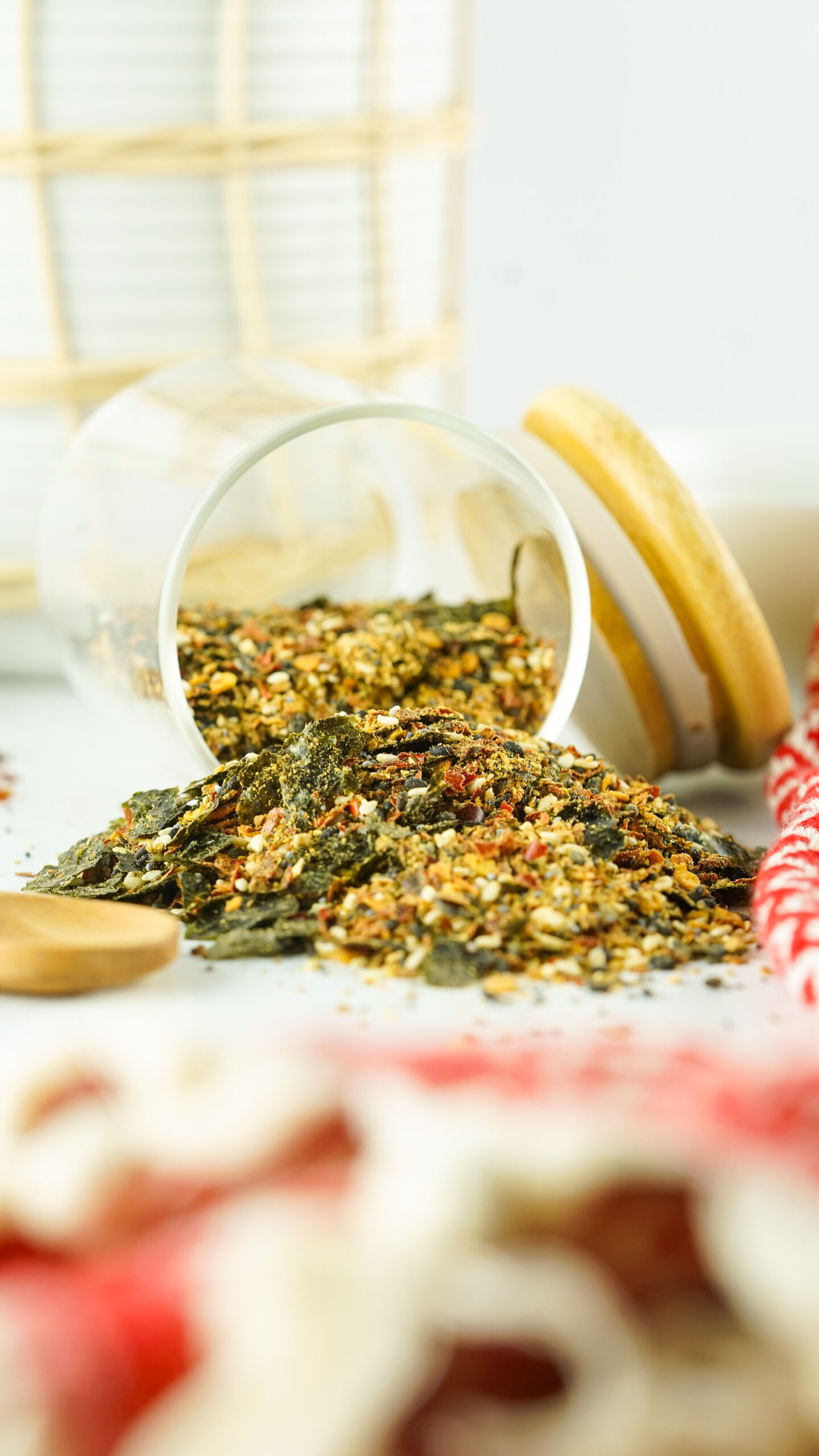
If you love adding a little heat and bold flavor to your favorite dishes, you need to learn how to make Japanese 7 Spice Seasoning Mix at home. This fragrant seasoning blend combines spicy, citrusy, nutty, and savory flavors in one simple mixture.
Japanese 7 Spice is also known as Shichimi Togarashi, which translates roughly to "seven-flavor chili pepper." It's a popular Japanese condiment that's traditionally sprinkled over noodles, rice dishes, soups, grilled meats, and vegetables.
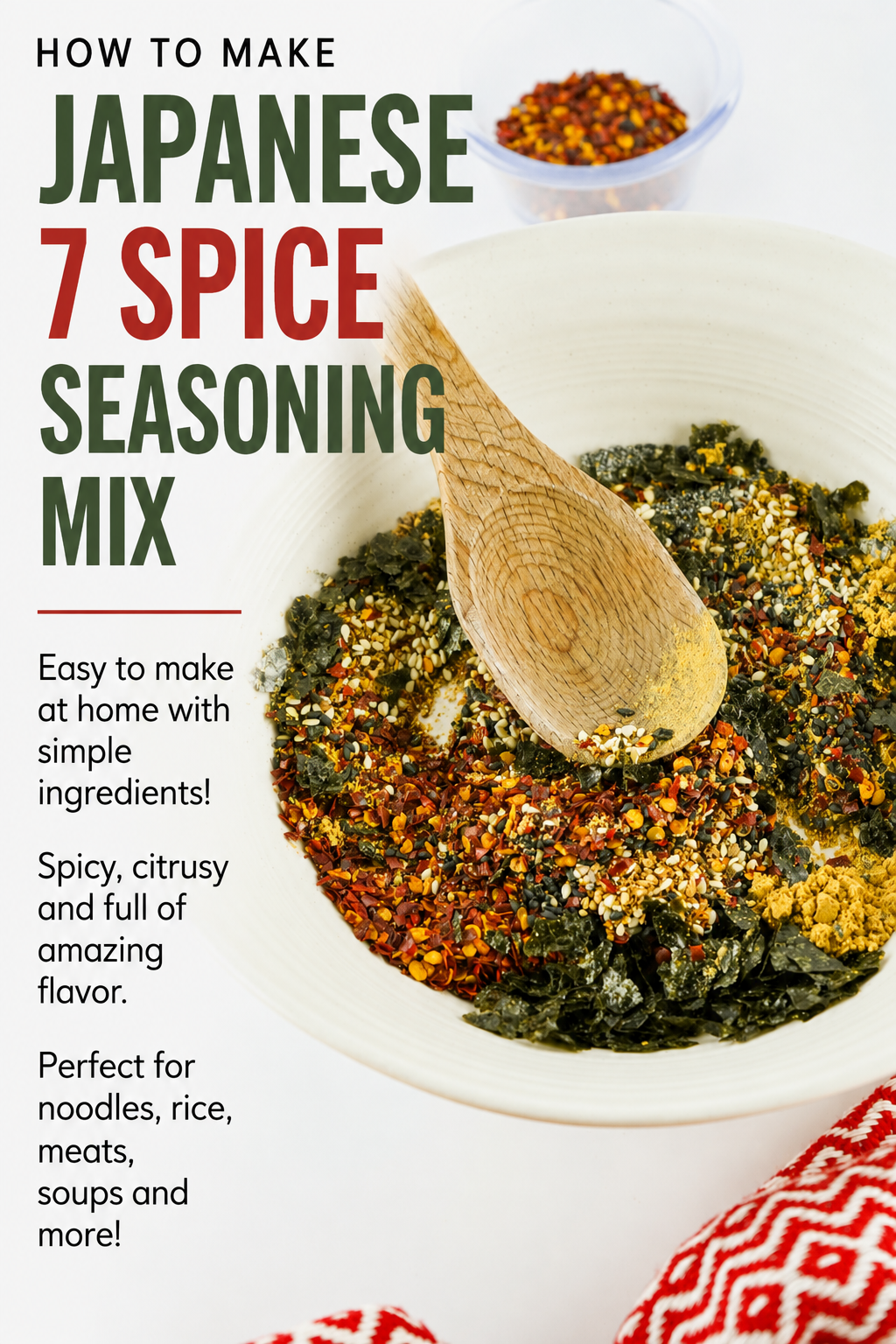
The best part? You can make your own homemade Japanese 7 Spice Seasoning in just a few minutes!
What Is Japanese 7 Spice?
Japanese 7 Spice, or Shichimi Togarashi, is a traditional Japanese seasoning blend built around red chile pepper and six additional flavorful ingredients.
The exact combination can vary, but you'll typically find ingredients that bring together heat, citrus, sesame, ginger, and umami flavors.
Unlike a basic crushed red pepper blend, Japanese 7 Spice has several layers of flavor. You get the heat first, followed by citrusy notes and the nuttiness of sesame seeds.
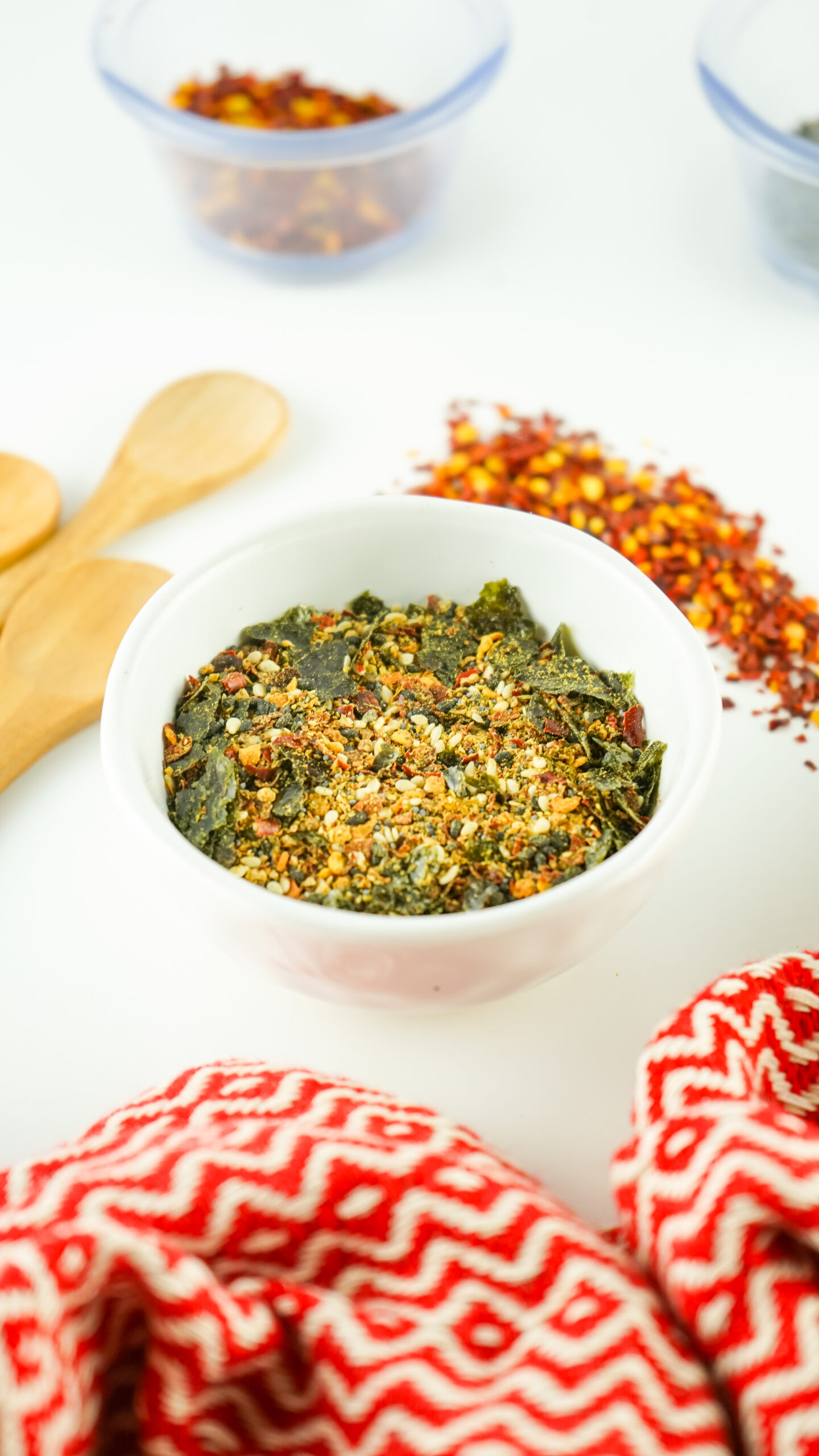
Ingredients for Japanese 7 Spice Seasoning Mix
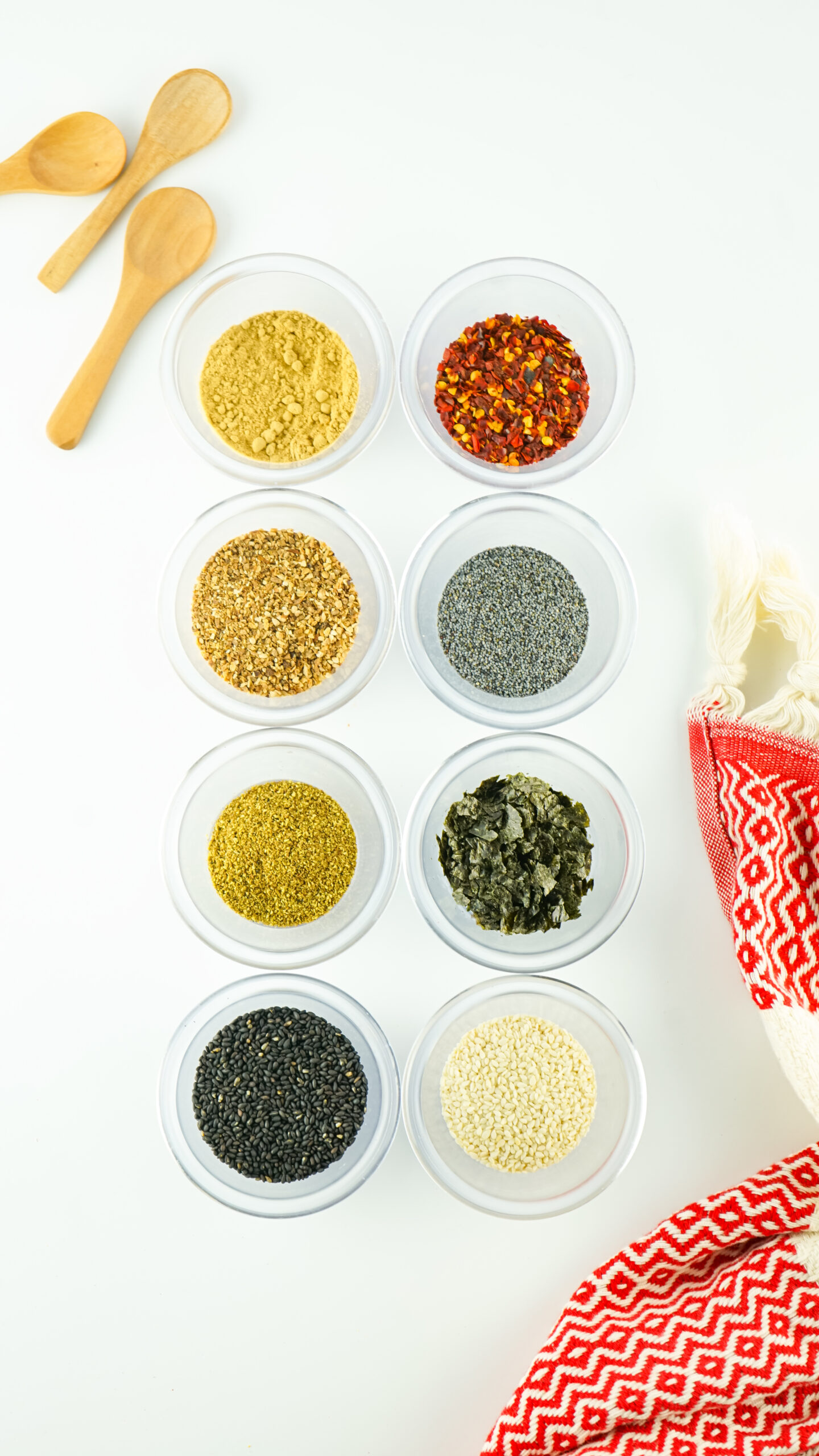
To make a simple homemade version, you'll need:
- 2 tablespoons crushed red pepper flakes
- 1 tablespoon orange peel powder
- 2 teaspoons white sesame seeds
- 2 teaspoons black sesame seeds
- 1 teaspoon ground ginger
- 1 teaspoon poppy seeds
- 1 teaspoon nori flakes
You can adjust these amounts depending on how spicy you like your seasoning.
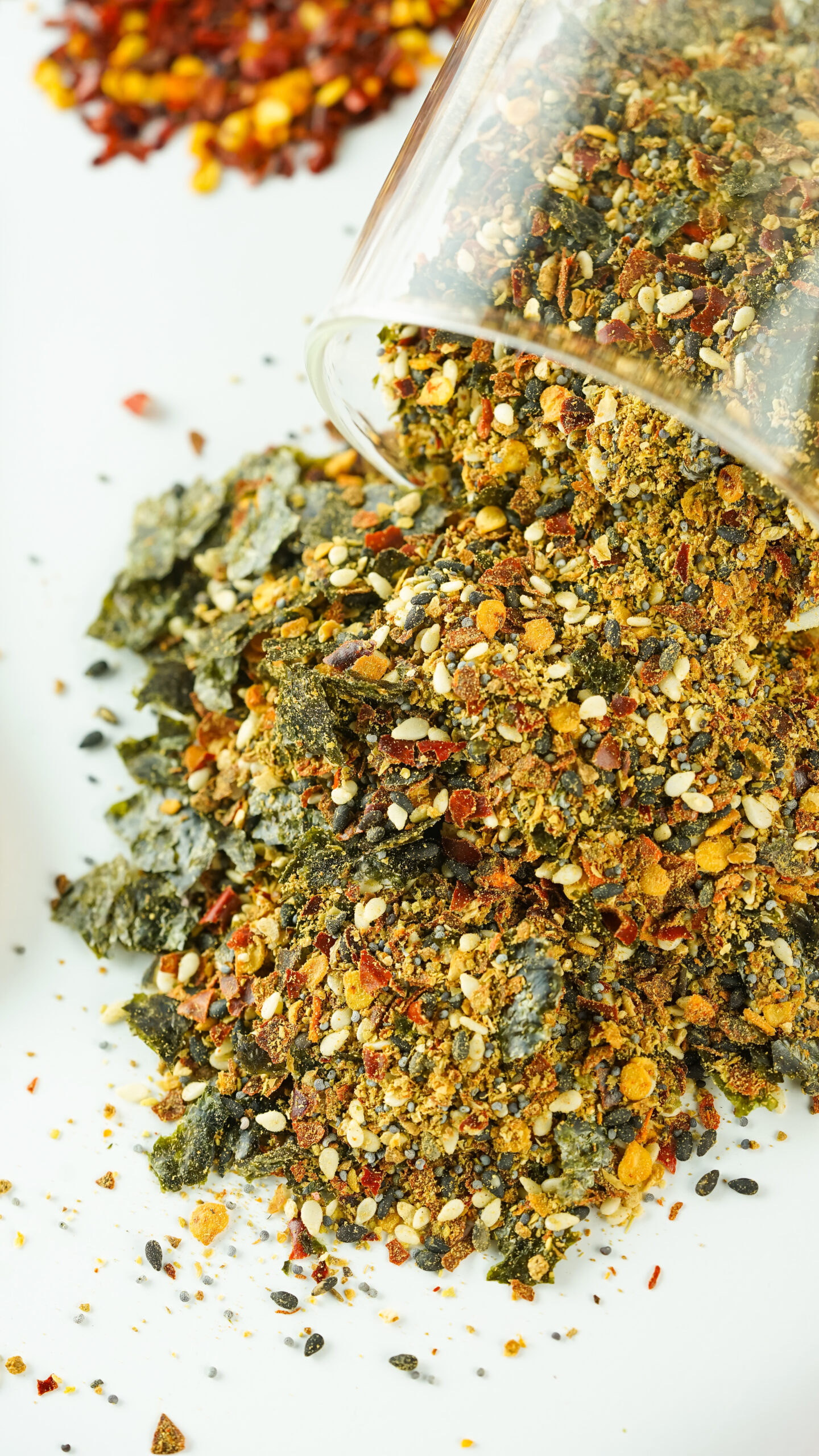
What Is Nori?
Nori is the dried seaweed you often see wrapped around sushi rolls. For this seasoning, you can finely crush or cut a sheet of nori into very small flakes.
It adds a subtle salty, savory flavor that works beautifully with the chile pepper and citrus.
How to Make Japanese 7 Spice Seasoning
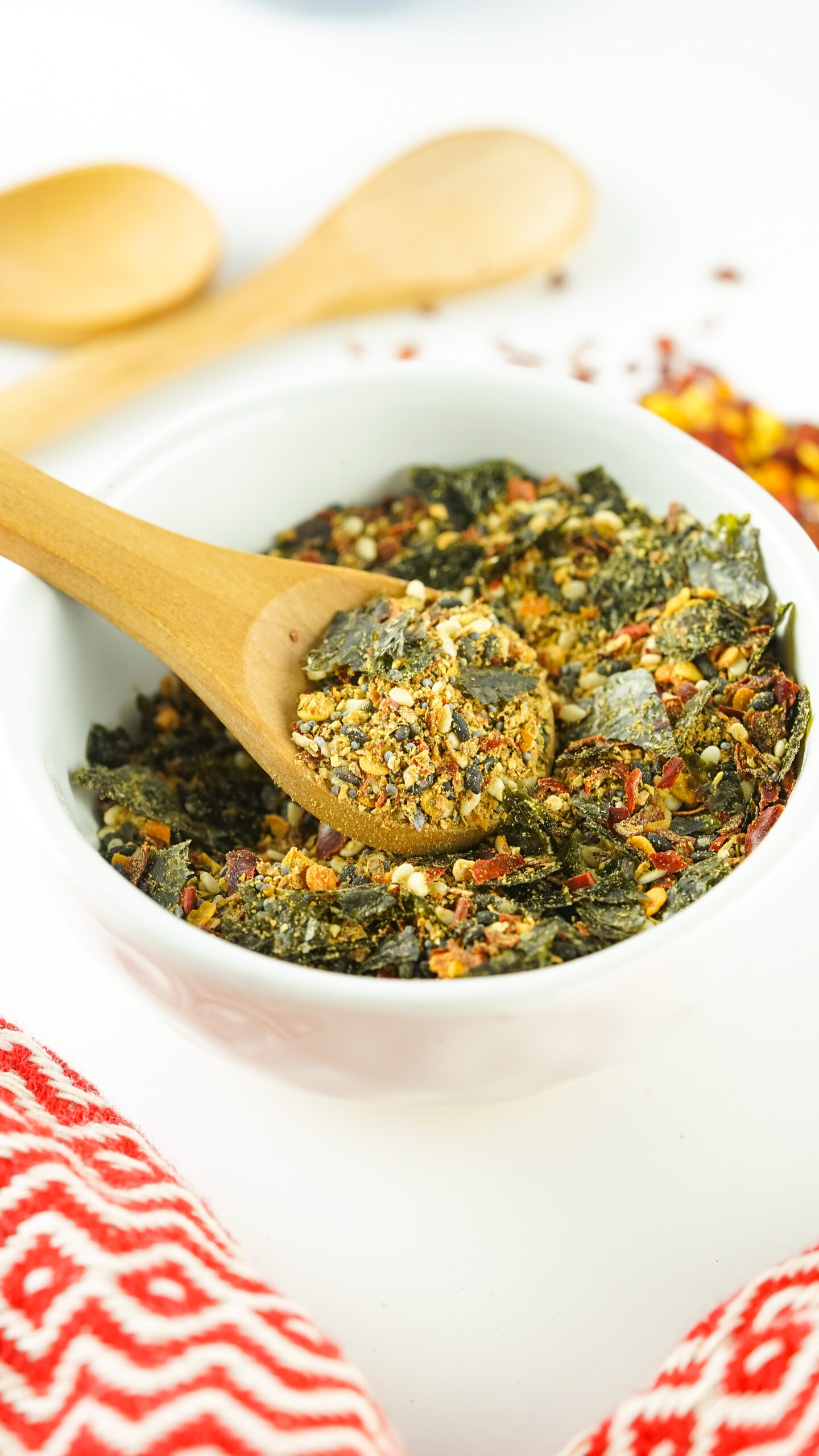
Making this seasoning couldn't be easier.
Add the crushed red pepper flakes, orange peel powder, white sesame seeds, black sesame seeds, ground ginger, poppy seeds, and nori flakes to a small bowl.
Mix everything together until the ingredients are evenly distributed.
Transfer your Japanese 7 Spice Seasoning to a small spice jar or airtight container.
That's it! In less than five minutes, you have a homemade seasoning blend ready to sprinkle over all kinds of dishes.
Make It Finer
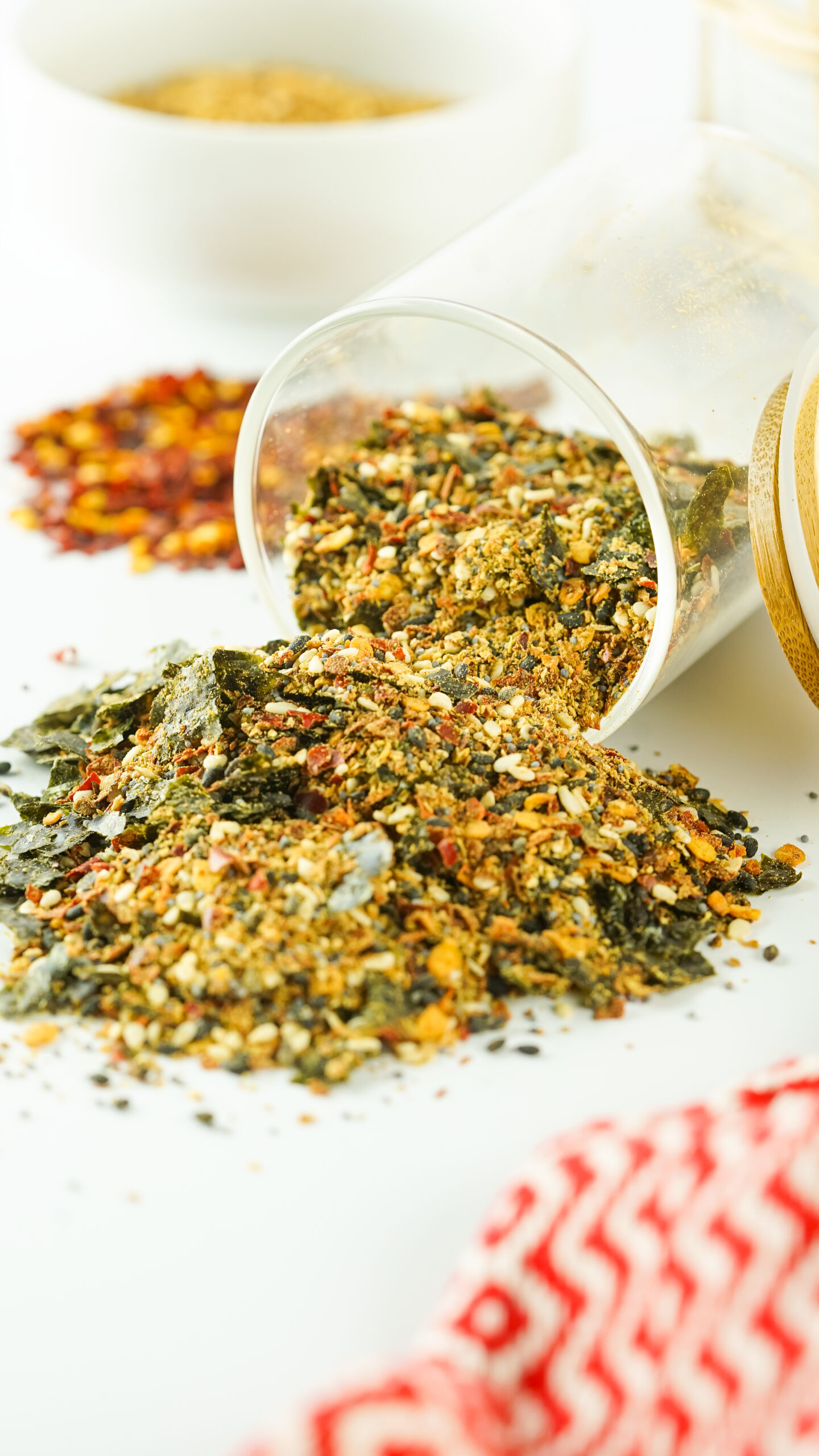
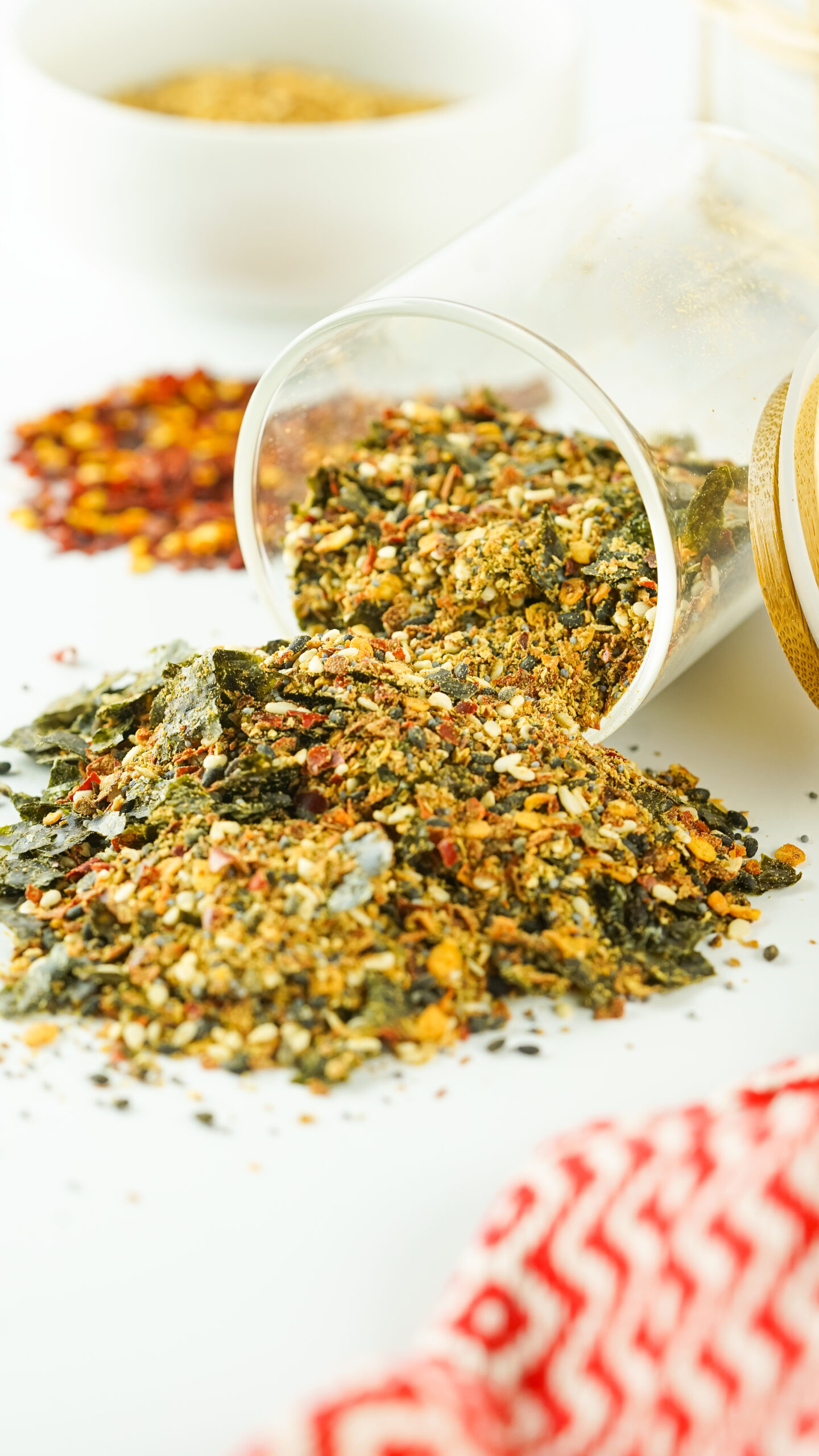
I like leaving some texture in my Japanese 7 Spice because the sesame seeds and chile flakes look beautiful sprinkled over food.
However, if you prefer a finer seasoning, add everything to a spice grinder and pulse it a few times.
Don't completely pulverize the mixture. A little texture is part of what makes this seasoning so good.
How Spicy Is Japanese 7 Spice?
Shichimi Togarashi definitely has some heat, but it shouldn't be overwhelmingly spicy.
For a milder blend, reduce the crushed red pepper flakes to 1 tablespoon and add a little more sesame seed or orange peel.
If you love spicy food, increase the chile flakes or add a small pinch of cayenne pepper.
That's one of the advantages of making your own spice blends—you can customize them exactly how you like them.
Ways to Use Japanese 7 Spice Seasoning
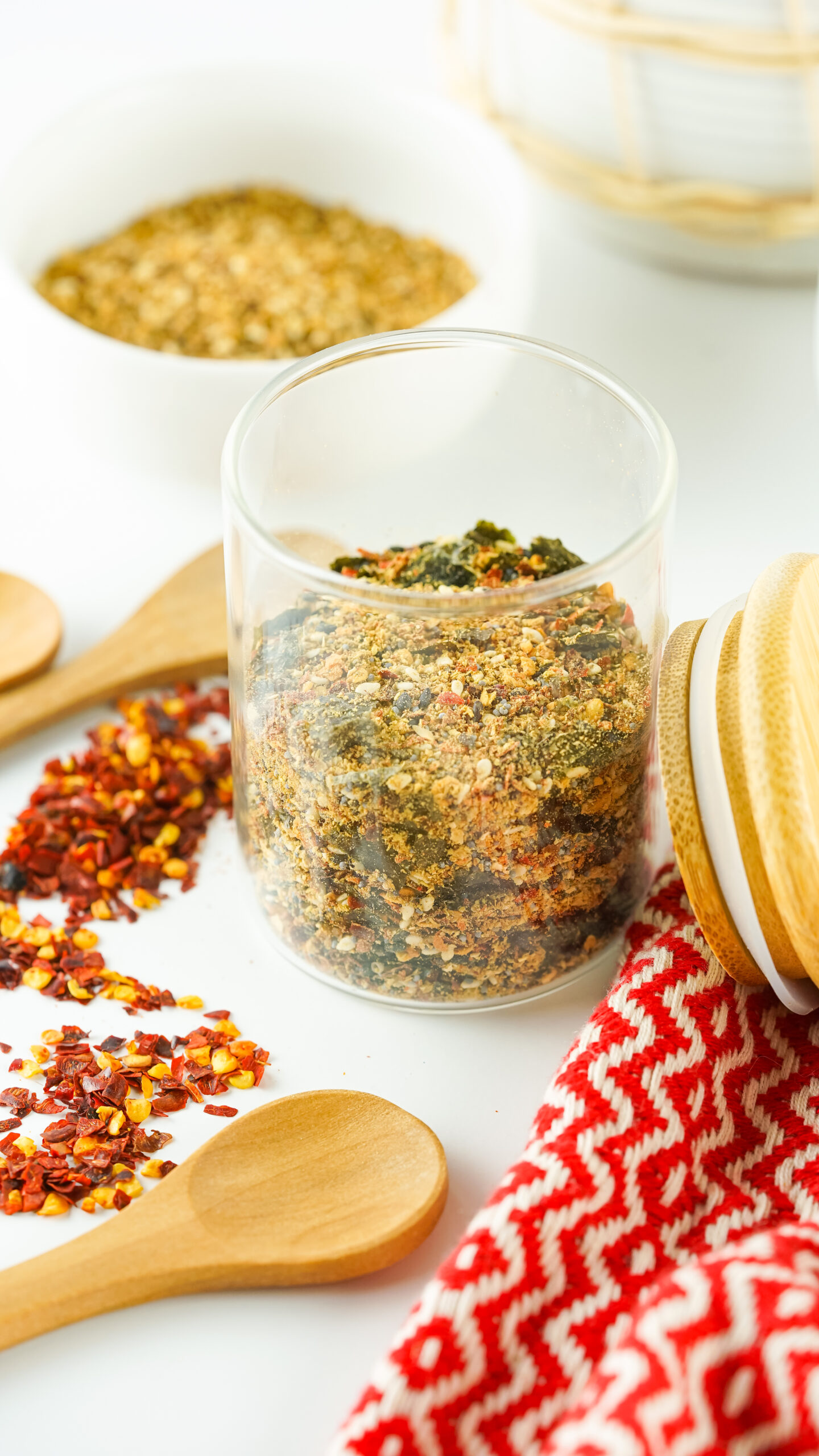
Once you have a jar in your spice cabinet, you'll start finding all kinds of reasons to use it.
Try sprinkling it over:
- Ramen
- Udon noodles
- Soba noodles
- Fried rice
- Steamed rice
- Rice bowls
- Grilled chicken
- Grilled pork
- Salmon
- Shrimp
- Roasted vegetables
- Edamame
- Eggs
- Avocado toast
- Soups and broths
It's also fantastic sprinkled over french fries or roasted potatoes when you want something a little different.
Another easy idea is to mix a pinch into mayonnaise for a spicy Japanese-inspired dipping sauce.
Can I Substitute Lemon Peel for Orange Peel?
Yes! Orange peel is traditional in many versions of Japanese 7 Spice, but dried lemon or mandarin peel can also work.
Whatever you use, make sure the peel is completely dried before adding it to the seasoning. Moisture can shorten the shelf life of your homemade spice blend.
How to Store Homemade Japanese 7 Spice
Store your seasoning in an airtight spice jar or small glass container in a cool, dry place away from direct sunlight.
For the best flavor, I recommend using it within about 3 to 6 months.
The seasoning may still be safe to use after that, but dried spices gradually lose their aroma and potency.
Give the jar a quick shake before using it since some of the smaller ingredients can settle toward the bottom.
Homemade Japanese 7 Spice Seasoning Mix
Prep Time: 5 minutes
Total Time: 5 minutes
Yield: About ¼ cup
Ingredients
- 2 tablespoons crushed red pepper flakes
- 1 tablespoon orange peel powder
- 2 teaspoons white sesame seeds
- 2 teaspoons black sesame seeds
- 1 teaspoon ground ginger
- 1 teaspoon poppy seeds
- 1 teaspoon finely crushed nori flakes
Instructions
- Add all of the ingredients to a small mixing bowl.
- Stir until everything is thoroughly combined.
- For a finer seasoning, pulse the mixture briefly in a spice grinder.
- Transfer to an airtight spice jar.
- Store in a cool, dry pantry away from heat and sunlight.
- Shake before using and sprinkle over your favorite dishes.
Tips for the Best Japanese 7 Spice
Adjust the heat. Use fewer red pepper flakes for a milder seasoning or increase them if you like things spicy.
Don't skip the citrus. The orange peel gives this blend its distinctive bright flavor and helps balance the chile pepper.
Keep some texture. Sesame seeds and chile flakes give Shichimi Togarashi its characteristic appearance and texture.
Make a double batch. If you cook a lot of Asian-inspired dishes, you'll go through this seasoning surprisingly quickly.
Why Make Your Own Seasoning Blends?
Making homemade seasoning mixes is one of those small kitchen projects that takes almost no time but can make a big difference in your cooking.
You control exactly what goes into the jar, can adjust the seasonings to suit your tastes, and don't have to worry about buying an entire bottle when you only need a little.
This homemade Japanese 7 Spice Seasoning Mix is spicy, citrusy, nutty, and packed with flavor. Keep a jar in your spice cabinet and use it whenever ramen, rice bowls, grilled meats, vegetables, or even a simple bowl of rice needs an extra kick.