

Learning how to make homemade beef broth is one of those simple kitchen skills that can completely transform your favorite recipes. With beef bones, a handful of vegetables, herbs, and water, you can make a rich and flavorful broth that tastes so much better than anything you can buy at the grocery store.
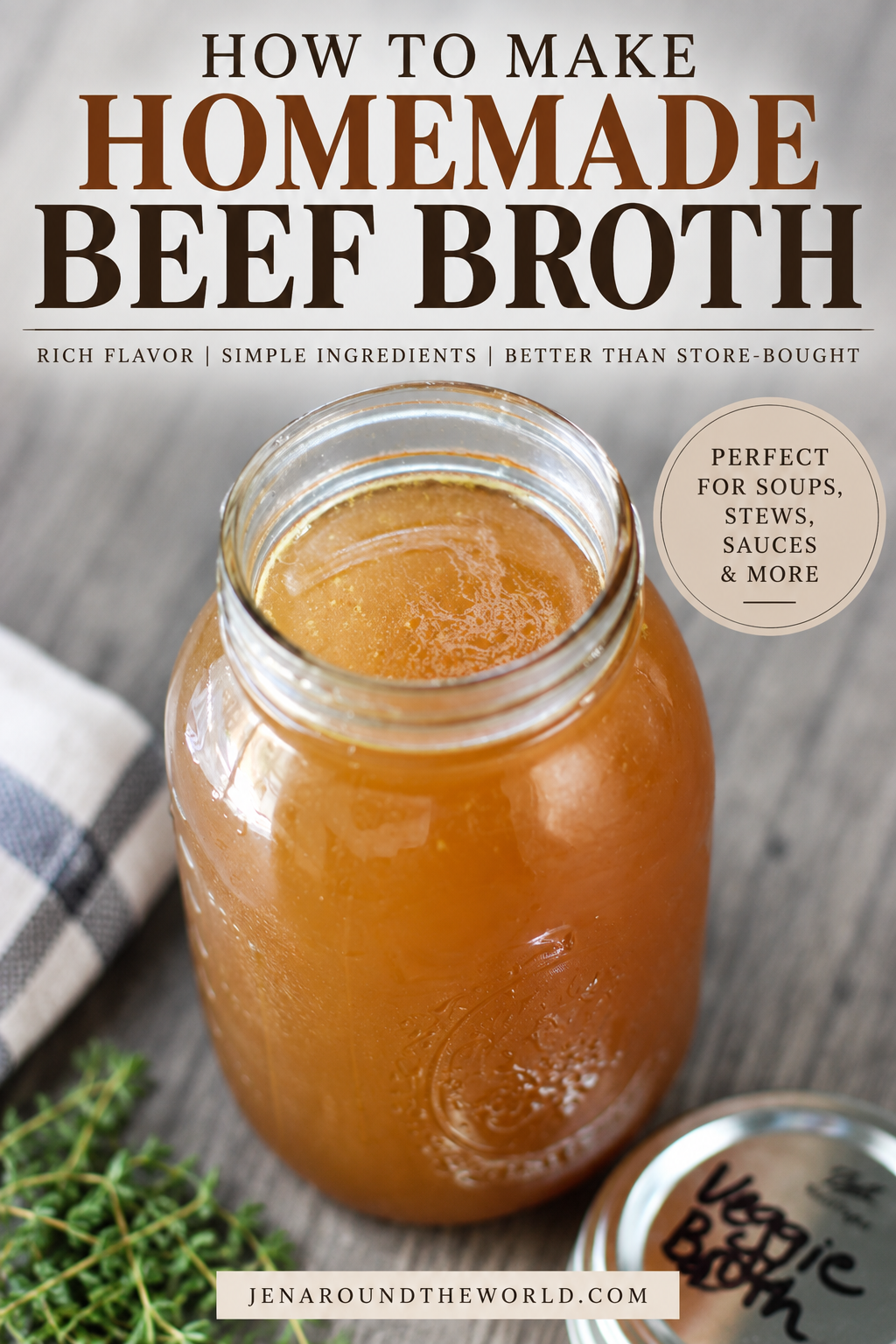
Homemade beef broth is perfect for soups and stews, but I also love keeping it on hand for making gravy, cooking rice, adding flavor to sauces, or anywhere a recipe calls for beef broth.
Even better, this is a wonderfully budget-friendly recipe. You are taking simple ingredients and slowly simmering them together to create something you can use in meals all week long.
Why You'll Love Homemade Beef Broth
If you've never made broth from scratch before, don't let the long cooking time fool you. Most of that time is completely hands-off.
The bones and vegetables simmer away on the stove while you go about your day. The result is a deeply savory broth that can become the foundation for so many different meals.
Homemade broth is also easy to customize. You control the salt, seasonings, vegetables, and strength of the finished broth.
Ingredients for Homemade Beef Broth
You don't need anything fancy to make a great homemade beef broth. Here's a basic combination to get you started:
- 3 to 4 pounds beef bones
- 2 carrots, roughly chopped
- 2 celery stalks, roughly chopped
- 1 large onion, quartered
- 4 cloves garlic, smashed
- 2 tablespoons tomato paste
- 1 tablespoon olive oil
- 2 bay leaves
- 1 teaspoon whole black peppercorns
- A few sprigs of fresh thyme
- A few sprigs of fresh parsley
- 10 to 12 cups cold water
- Salt, to taste
For the beef bones, look for marrow bones, knuckle bones, neck bones, oxtail, short-rib bones, or a combination. Bones with a little meat still attached will give your broth even more flavor.
Roast the Beef Bones First
This step makes a huge difference!
Preheat the oven to 425°F.
Arrange the beef bones on a large rimmed baking sheet. Add the carrots, celery, and onion around the bones. Drizzle everything lightly with olive oil.
Roast for about 35 to 45 minutes, turning the bones and vegetables halfway through, until everything is nicely browned.
During the last 10 minutes, add the tomato paste and toss it around with the vegetables. Allowing the tomato paste to caramelize slightly adds another layer of rich flavor.
You can technically make beef broth without roasting the bones, but roasting creates that deep brown color and savory flavor that makes homemade beef broth so good.
How to Make Homemade Beef Broth
Transfer the roasted bones and vegetables to a large stockpot.
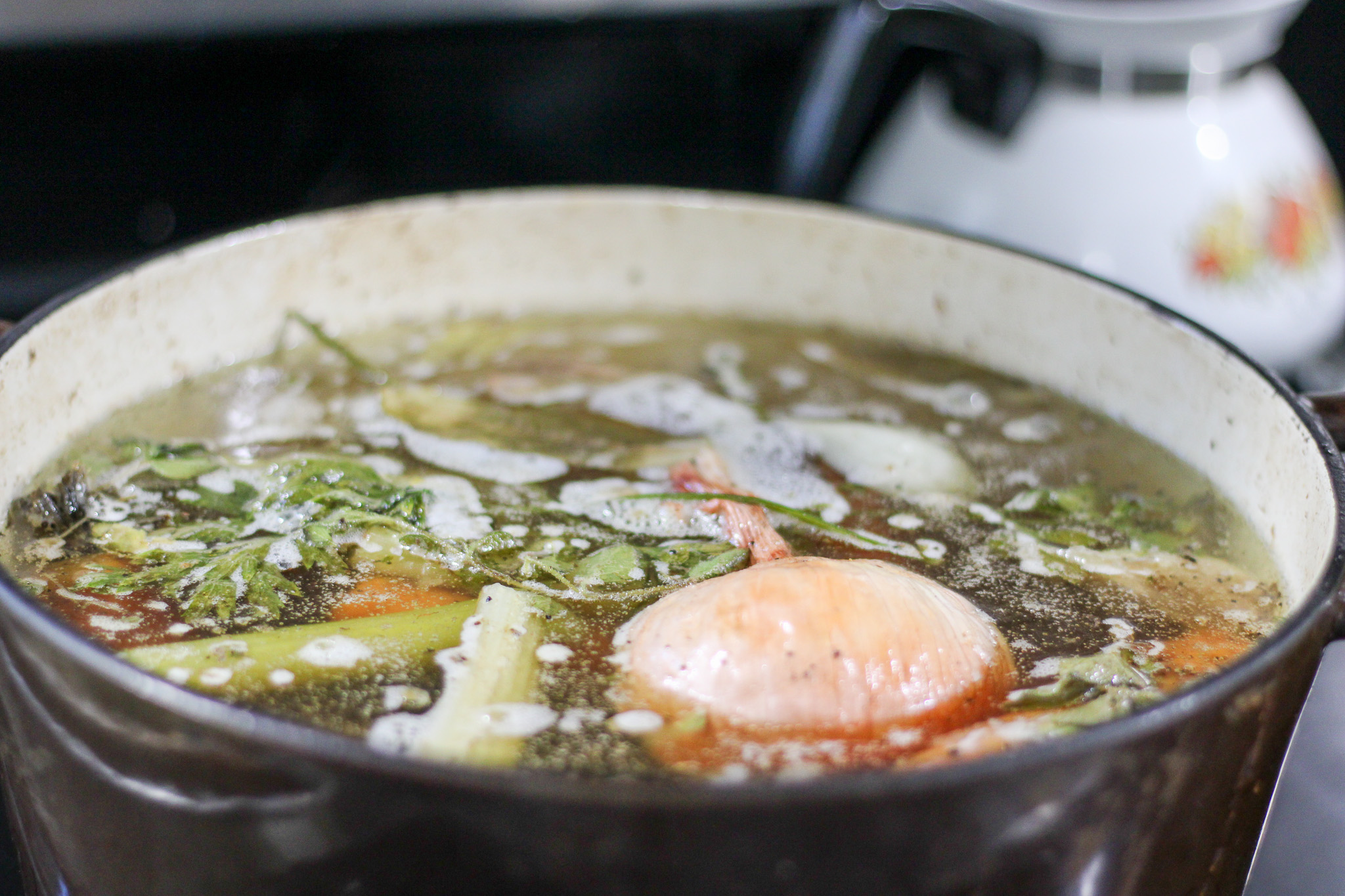
Don't forget about all those browned bits left on your baking sheet. Add a little hot water to the pan and scrape them up, then pour everything into the stockpot. That's flavor you definitely don't want to leave behind!
Add the garlic, bay leaves, peppercorns, thyme, and parsley.
Pour in enough cold water to cover the bones by about an inch. Depending on the size of your stockpot, you'll probably need around 10 to 12 cups.
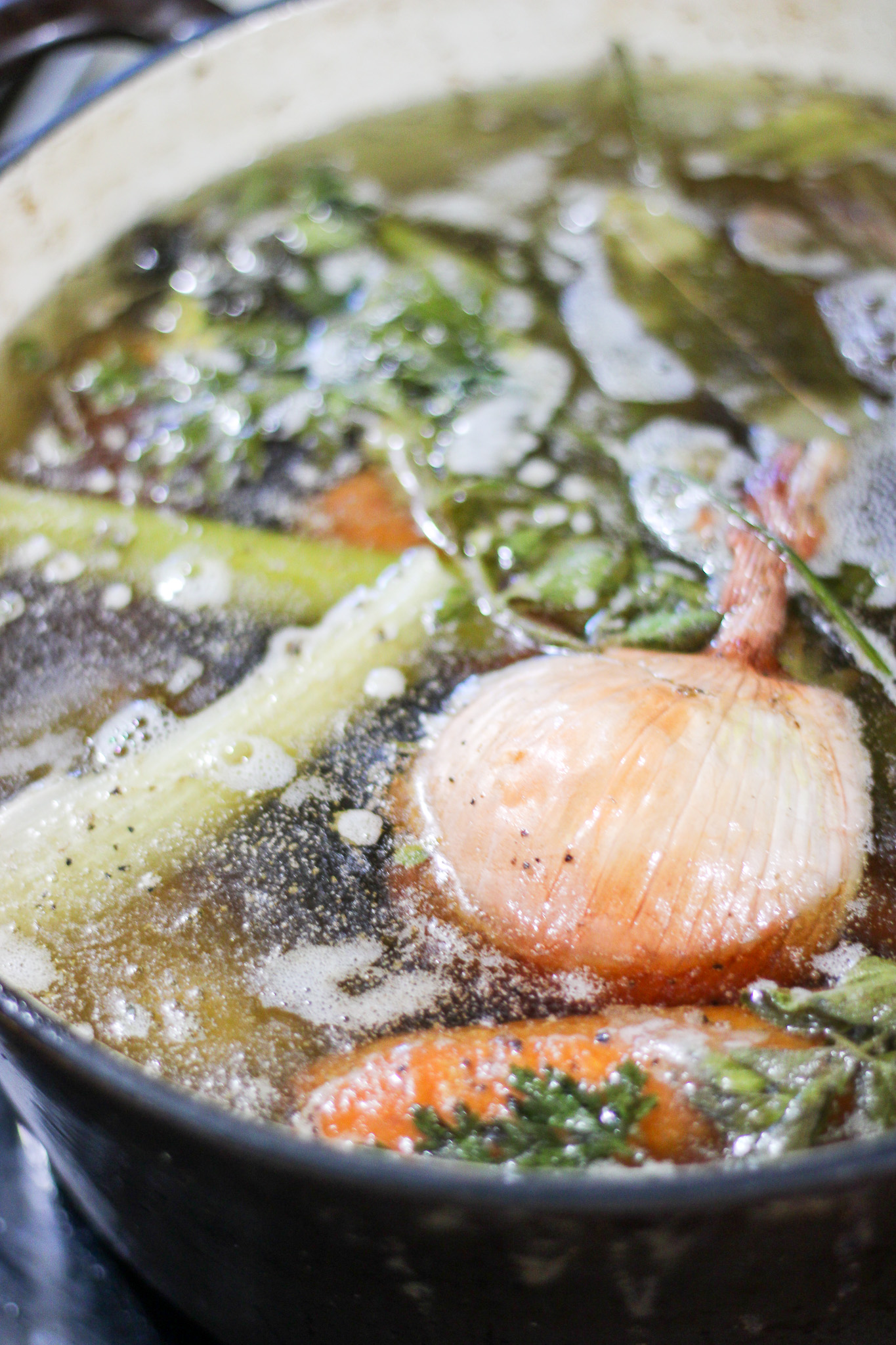
Bring the mixture just to a boil and then immediately reduce the heat to low.
Allow the broth to gently simmer, partially covered, for 4 to 6 hours.
Avoid a hard rolling boil. A gentle simmer gives you a cleaner, better-tasting broth.
As the broth cooks, you may notice foam or impurities collecting on the surface. Simply skim these away with a spoon.
If the water level gets too low during cooking, add a little more hot water.
Strain the Broth
Once your broth has developed a rich beefy flavor, remove the large bones and vegetables with tongs or a slotted spoon.
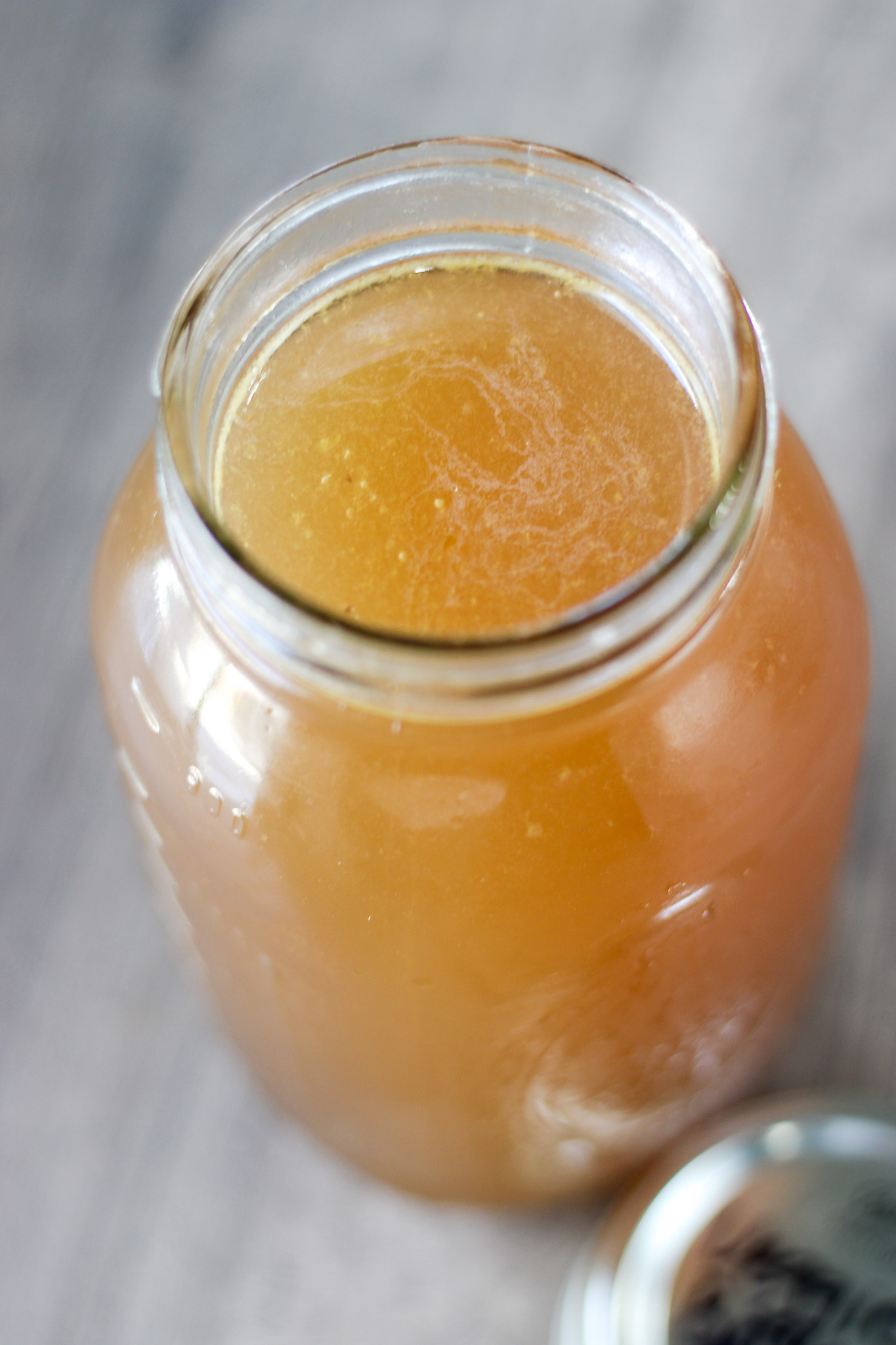
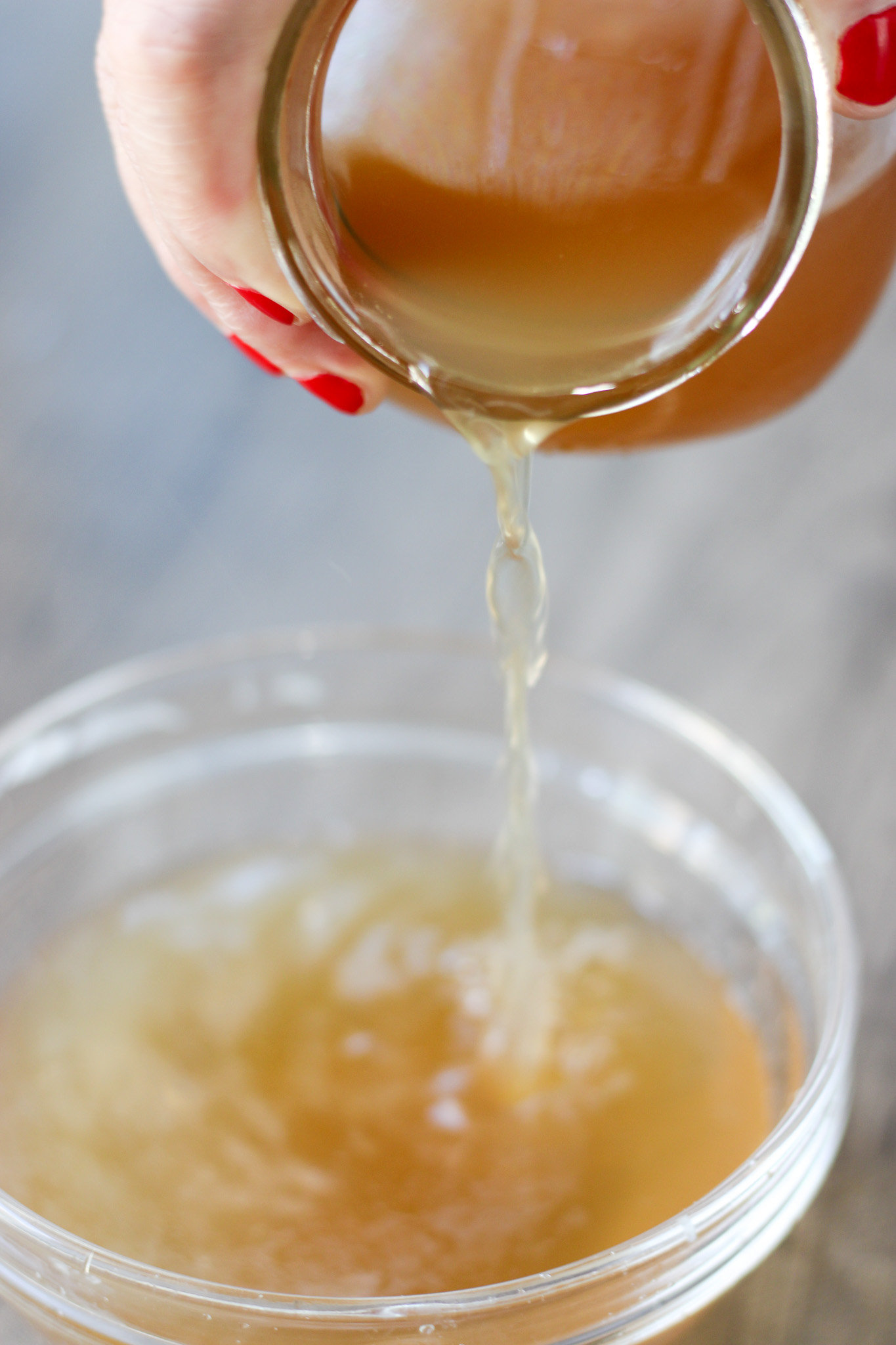
Pour the remaining broth through a fine-mesh strainer into a large heat-safe bowl or another pot.
For an extra-clear broth, you can line the strainer with cheesecloth.
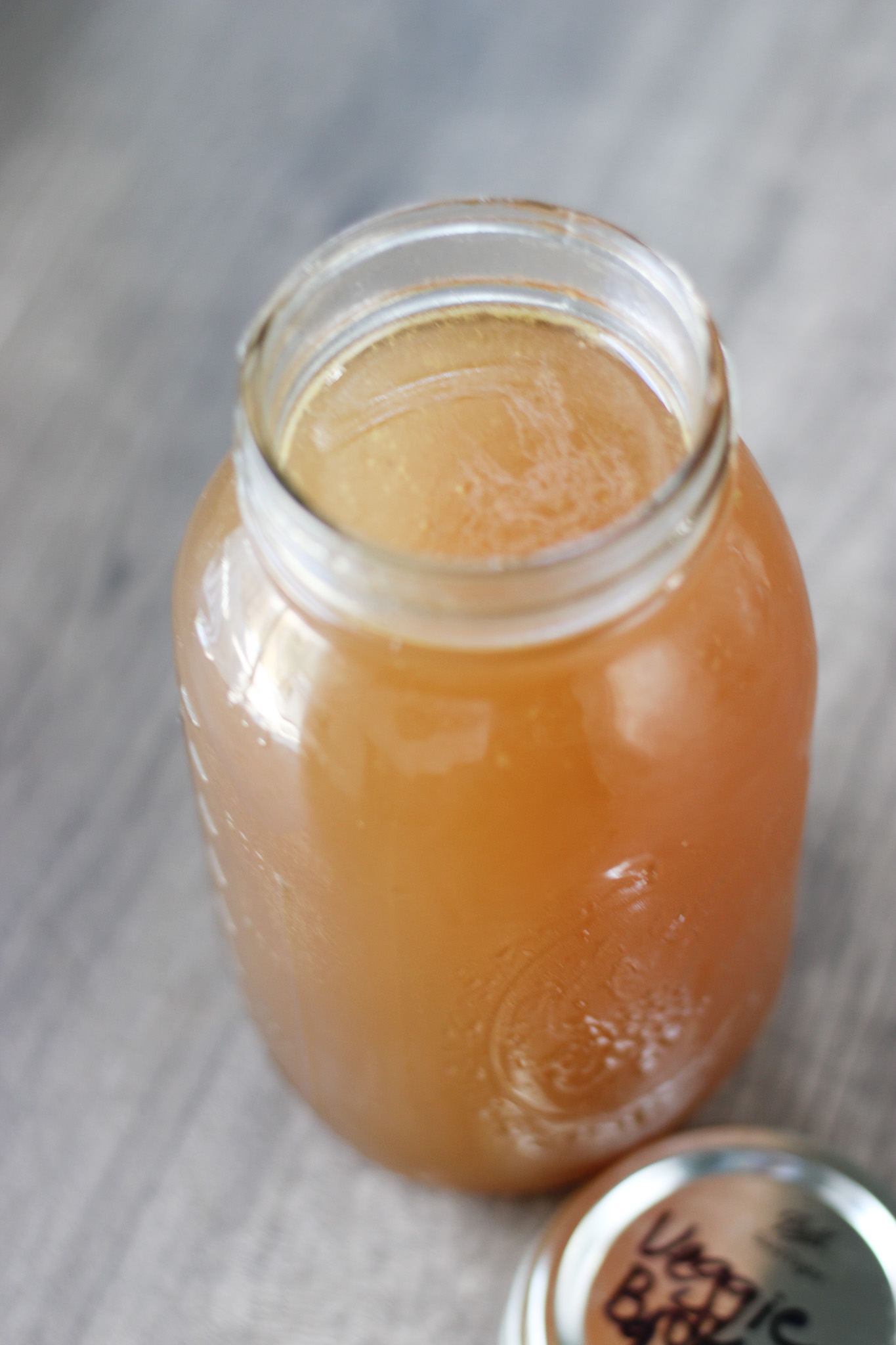
Discard the cooked vegetables and herbs. They've given all their flavor to the broth at this point.
Taste the broth and add salt as needed.
I prefer waiting until the very end to add salt. That way, you don't accidentally make the broth too salty as the liquid reduces.
Removing the Fat
You can use your beef broth right away, but removing some of the excess fat is easiest after chilling.
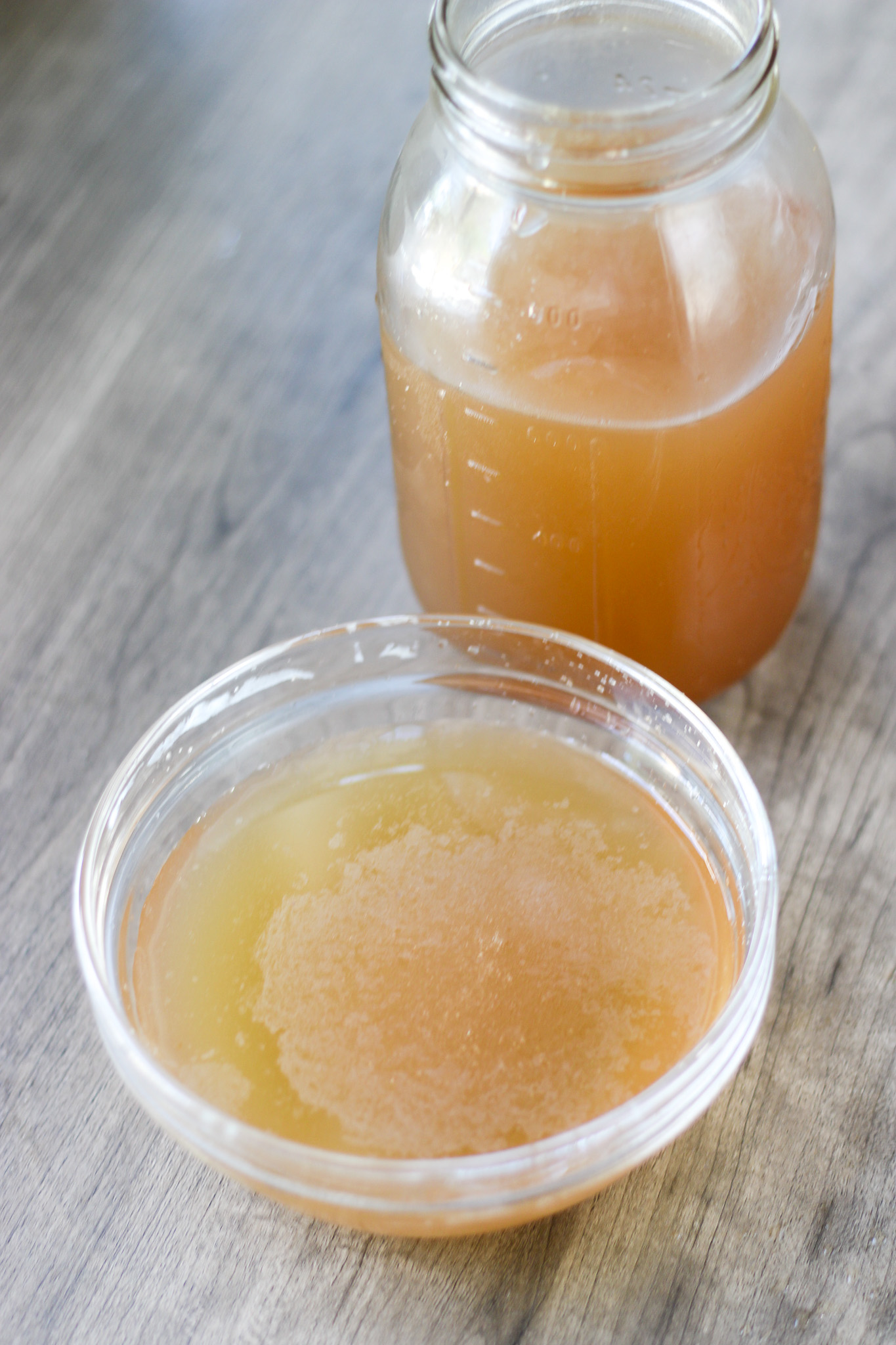
Cool the broth and refrigerate it overnight. The fat will rise to the surface and harden, making it easy to lift off with a spoon.
You don't necessarily have to remove every bit of fat. A little can add wonderful flavor, especially when you're using the broth for soups or stews.
What's the Difference Between Beef Broth and Beef Stock?
The terms beef broth and beef stock are often used interchangeably in home kitchens, but traditionally there is a slight difference.
Beef stock is generally made primarily from bones and simmered long enough to extract gelatin and flavor.
Beef broth often contains more meat and is seasoned so that it can be enjoyed on its own.
This homemade version falls somewhere between the two. Roasted bones create richness and body, while vegetables, herbs, and seasonings make it flavorful enough to use as broth.
And for everyday cooking, that's exactly what I want!
How to Store Homemade Beef Broth
Once the broth has cooled, transfer it to airtight containers or glass jars.
Homemade beef broth will generally keep in the refrigerator for about 3 to 4 days.
If you aren't going to use it that quickly, freeze it.
I love freezing broth in several different portion sizes. Freeze some in 1- or 2-cup containers for soups and recipes, and freeze smaller portions in silicone molds or ice cube trays.
Those little portions are perfect when you only need a splash of broth for gravy, sauces, vegetables, or reheating leftovers.
Leave some room at the top of containers if you're freezing the broth because liquids expand as they freeze.
For best quality, use frozen homemade beef broth within about 2 to 3 months.
What Can I Make With Beef Broth?
Once you have homemade beef broth in the refrigerator or freezer, you'll be surprised how often you reach for it.
Use it for:
- Beef stew
- Pot roast
- Homemade gravy
- Shepherd's pie
- Beef stroganoff
- Cooking rice or grains
- Mashed potatoes
- Sauces and pan gravies
- Braised beef dishes
You can also warm up a mug of broth and enjoy it by itself on a chilly day.
Tips for the Best Homemade Beef Broth
Use a mixture of bones. Marrow bones provide richness while joints and knuckle bones contribute gelatin. Meaty bones add even more beef flavor.
Don't skip roasting. Browning the bones and vegetables is one of the easiest ways to create a deeper, richer broth.
Start with cold water. Add cold water to the bones before slowly bringing everything up to temperature.
Keep it at a gentle simmer. A hard boil can make your broth cloudy and emulsify excess fat into the liquid.
Don't salt heavily at the beginning. As the broth reduces, the salt becomes more concentrated. Season at the end instead.
Save your scraps. Onion ends, carrot peels, celery ends, parsley stems, and other clean vegetable scraps can be frozen until you're ready to make another batch of broth.
Can You Make Beef Broth in a Slow Cooker?
Absolutely.
Roast the bones and vegetables first, then transfer everything to your slow cooker. Add the herbs, seasonings, and enough water to cover the bones.
Cook on LOW for 10 to 12 hours.
Strain the broth and store it just as you would the stovetop version.
This is one of my favorite methods because you can let the slow cooker do all the work overnight.
Love Making Your Own Kitchen Staples? Check These Recipes Out!
Homemade Beef Broth
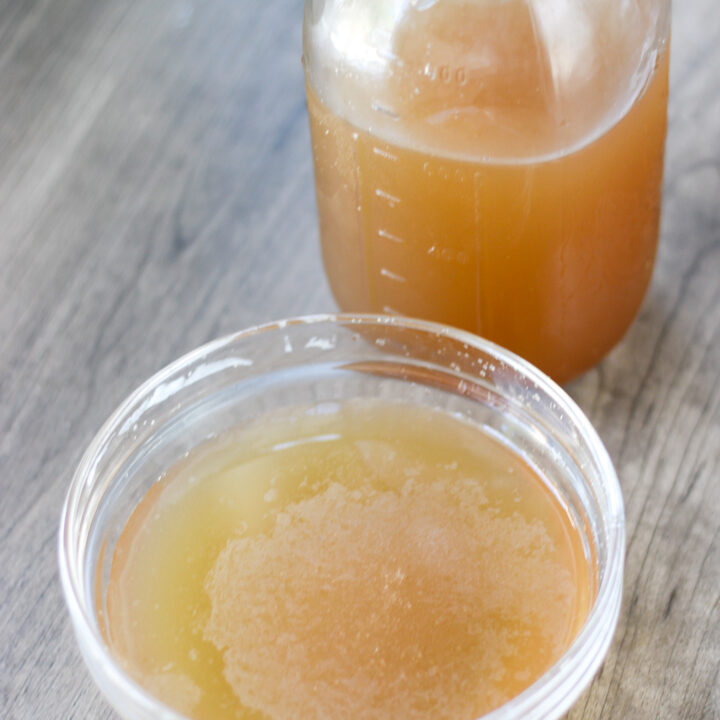
Learn how to make homemade beef broth with beef bones, vegetables, and herbs for a rich, flavorful base for soups, stews, and sauces.
Ingredients
- 3–4 pounds beef bones
- 2 carrots, roughly chopped
- 2 celery stalks, roughly chopped
- 1 large onion, quartered
- 4 cloves garlic, smashed
- 2 tablespoons tomato paste
- 1 tablespoon olive oil
- 2 bay leaves
- 1 teaspoon whole black peppercorns
- 3–4 sprigs fresh thyme
- Small handful fresh parsley
- 10–12 cups cold water
- Salt, to taste
Instructions
- Preheat the oven to 425°F.
- Place the beef bones, carrots, celery, and onion on a large rimmed baking sheet. Drizzle with olive oil.
- Roast for 35–45 minutes, turning the bones and vegetables halfway through.
During the last 10 minutes of roasting, add the tomato paste and toss it with the vegetables. - Transfer the roasted bones and vegetables to a large stockpot.
- Pour a little hot water onto the baking sheet and scrape up all the browned bits. Pour this into the stockpot.
- Add the garlic, bay leaves, peppercorns, thyme, and parsley.
- Pour in enough cold water to cover the bones by about 1 inch, approximately 10–12 cups.
- Bring the mixture just to a boil. Immediately reduce the heat to low and maintain a gentle simmer.
- Partially cover and simmer for 4–6 hours, occasionally skimming foam and excess fat from the surface.
- Remove the bones and large vegetables with tongs or a slotted spoon.
- Strain the broth through a fine-mesh strainer into a clean pot or heat-safe bowl.
- Season with salt to taste.
- Cool the broth promptly before transferring it to airtight containers. Refrigerate for up to 3–4 days or freeze for longer storage.
Notes
For an even richer broth, use a combination of marrow bones, knuckle bones, neck bones, oxtail, or other meaty beef bones.
Once refrigerated, the fat will harden on top of the broth and can easily be removed with a spoon. If the chilled broth becomes somewhat gelatinous, that's a good thing—it means you've extracted gelatin from the bones.
Slow Cooker Option: After roasting the bones and vegetables, place everything in the slow cooker with the remaining ingredients. Cover with water and cook on LOW for 10–12 hours, then strain.
Nutrition Information:
Yield:
10Serving Size:
1Amount Per Serving: Calories: 25Total Fat: 2gSaturated Fat: 0gUnsaturated Fat: 1gSodium: 14mgCarbohydrates: 3gFiber: 1gSugar: 1gProtein: 0g